
In the early days of commercial aviation, checking a flight status meant squinting at a flip-disc display at the airport terminal or making a voice call to a landline operator. Today, we live in an era of hyper-connectivity where a passenger can track the exact longitude, latitude, altitude, and ground speed of an aircraft from a smartphone while sitting in a coffee shop miles away.
This transformation is driven by a sophisticated synergy of Global Positioning Systems (GPS), Automatic Dependent Surveillance-Broadcast (ADS-B) technology, and cloud-based data aggregation. For the tech-savvy traveler, “checking a flight status” is no longer just about seeing if a plane is “on time”; it is about leveraging a digital ecosystem to predict delays, optimize transit times, and ensure seamless synchronization across multiple devices.

The Infrastructure of Information: How Flight Tracking Works
To understand how to check a flight status effectively, one must first understand the hardware and software layers that generate this data. Modern flight tracking is a marvel of telemetry and distributed computing.
ADS-B Technology: The Backbone of Modern Tracking
The primary tech driving modern flight status apps is ADS-B (Automatic Dependent Surveillance-Broadcast). Unlike traditional radar, which “interrogates” an aircraft to determine its position, ADS-B equipped aircraft automatically broadcast their GPS position, altitude, and velocity several times per second. This data is picked up by a global network of ground stations—many of which are hosted by hobbyists using Raspberry Pi devices—and fed into centralized servers. This allows for real-time updates that are often more accurate than the information provided by the airlines themselves.
Satellite-Based Augmentation Systems (SBAS)
In areas where ground-based receivers are unavailable, such as over the middle of the Atlantic or Pacific oceans, technology shifts to satellite-based tracking. Space-based ADS-B uses constellations of low-Earth orbit (LEO) satellites to monitor aircraft in remote regions. This ensures that the “flight status” remains live even when the aircraft is thousands of miles from the nearest airport, providing a continuous stream of telemetry data to the end-user’s app.
The Role of Ground-Based Radar in Commercial Aviation
While ADS-B is the gold standard for modern digital tools, traditional primary and secondary surveillance radar still play a role, particularly in terminal environments and high-traffic corridors. Tech platforms often aggregate radar data with ADS-B feeds to provide a “fused” track. This redundancy ensures that if an aircraft’s digital transponder has a glitch, the system can still approximate the flight’s status based on reflected radio waves and air traffic control (ATC) handoffs.
Essential Apps and Platforms for the Tech-Savvy Traveler
For the consumer, the “front end” of this technology manifests as mobile applications and web interfaces. Choosing the right tool depends on the depth of data required.
Flightradar24 and FlightAware: Consumer vs. Professional Tools
Flightradar24 is arguably the most popular flight tracking app, known for its polished UI and augmented reality (AR) features. It allows users to point their phone at a plane in the sky to see its flight number and destination. On the more analytical side, FlightAware offers “Where is my plane?” features that track the incoming aircraft’s previous leg—a critical metric for predicting “cascading delays” that the airline’s official status might not yet reflect.
Google Search and Native OS Integration
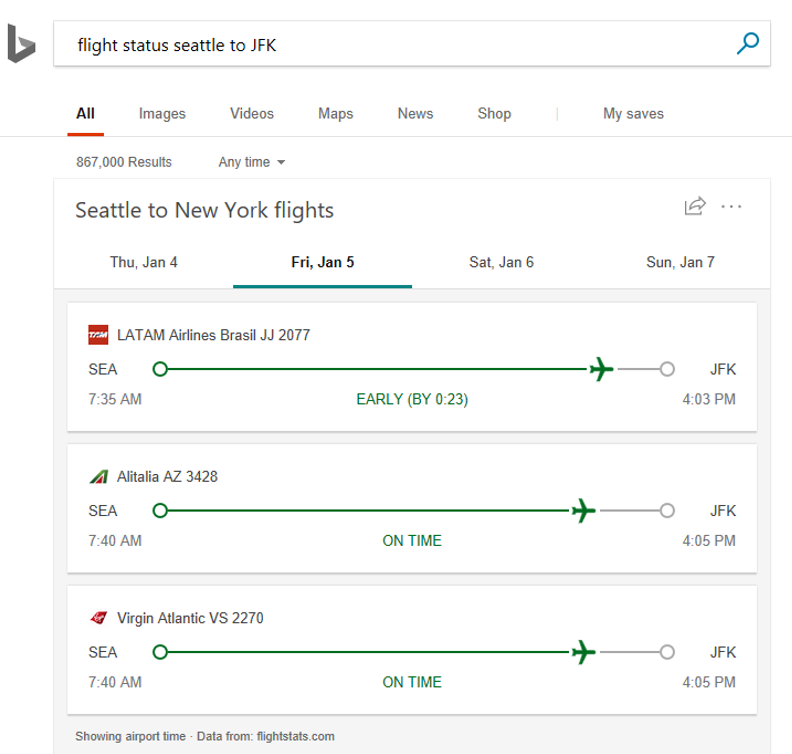
For the quickest check, Google’s search algorithms provide an instantaneous “Flight Status Card.” By simply typing a flight number (e.g., “AA100”) into the search bar, Google pulls data from various GDS (Global Distribution System) feeds to show a simplified timeline. Similarly, on iOS, users can often long-press a flight number in a text message or email to pull up a native tracking map without opening a third-party app, showcasing the power of OS-level data parsing.
Proprietary Airline Apps: Push Notifications and Real-Time Telemetry
While third-party apps provide broad data, airline-specific apps (such as Delta’s Fly Delta or United’s mobile app) offer the advantage of “back-end” integration. These apps link directly to the airline’s internal Weight and Balance systems and crew scheduling software. They can provide granular details like the exact moment the cabin door is shut or the specific baggage carousel assigned, which are data points often missing from general tracking platforms.
The AI Revolution: Predicting Delays Before They Happen
The next frontier in checking flight status isn’t just seeing where a plane is, but predicting where it will be using Artificial Intelligence and Machine Learning (ML).
Machine Learning Models for Arrival Estimation
Airlines and tech companies are now using ML models to provide a “Predicted Arrival Time” that differs from the “Scheduled Arrival Time.” These models analyze years of historical data, current taxi times at specific airports, and air traffic congestion patterns. If the model sees that every Friday evening flight from JFK to LAX takes 20 minutes longer than scheduled due to runway congestion, it will update the flight status in real-time to reflect a more realistic ETA.
Weather Data Aggregation and Impact Analysis
Weather is the single largest cause of flight disruptions. Advanced flight tracking tools now overlay METAR (Meteorological Aerodrome Report) and TAF (Terminal Aerodrome Forecast) data onto the flight path. Modern software uses AI to correlate convective weather (thunderstorms) with potential rerouting. By looking at a “weather-integrated” flight status, a user can see a storm cell over the Midwest and conclude that their flight will likely be diverted or held, even if the airline hasn’t officially issued a delay notice.
Crowdsourced Data and Community Monitoring
Some of the most innovative tech in this space involves crowdsourcing. Platforms like “LiveATC.net” allow tech enthusiasts to listen to real-time pilot-to-tower communications. When a pilot reports a mechanical issue or asks for a priority landing, this information often hits the “tech community” via social media or specialized Discord servers before it is updated on the airline’s official digital signage.
Maximizing Your Digital Travel Ecosystem
To truly master the art of checking flight status, one must integrate these tools into a broader personal productivity stack.
Wearable Integration: Checking Status on Your Wrist
Smartwatches have become the ultimate secondary screen for flight status. Apps like App in the Air or Flighty offer Apple Watch complications that show gate numbers, boarding countdowns, and seat assignments. This haptic feedback loop ensures that if a gate change occurs, the traveler is notified via a wrist vibration, often several minutes before the airport’s public address system makes an announcement.
Calendar Syncing and Smart Automation
Through tools like IFTTT (If This Then That) or Zapier, flight status data can be automated. For example, a traveler can set up a “recipe” where a change in flight status automatically sends a Slack message to their team or updates their Google Calendar. This level of automation reduces the cognitive load of travel, allowing the technology to handle the monitoring while the user focuses on their work.
API Access for Developers and Business Logistics
For those in the tech industry, flight status is more than just a convenience; it is a data point for business logic. FlightXML and other RESTful APIs allow developers to pull real-time flight data into their own applications. This is used by premium chauffeur services to time pickups perfectly or by logistics companies to track high-value cargo moving in the belly of commercial aircraft.
Cybersecurity and Data Privacy in Flight Monitoring
As we rely more on digital tools to check flight status, the importance of digital security cannot be overstated.
Safeguarding Your PNR and Sensitive Travel Info
A “flight status” check often involves entering a PNR (Passenger Name Record) or confirmation code. This six-character alphanumeric string is essentially a key to a user’s personal data, including passport numbers and contact information. Tech-savvy travelers should ensure they are using encrypted connections (HTTPS) and avoid checking flight status over unsecured public airport Wi-Fi without a VPN.
The Risks of Third-Party Data Scraping
Many “free” flight tracking websites survive by scraping data and selling user behavior patterns to advertisers. When choosing an app, it is vital to review the privacy policy to see how location data and search history are utilized. Opting for premium, subscription-based services like Flighty often provides a more “privacy-first” experience, as the business model relies on user fees rather than data monetization.

Best Practices for Secure Digital Travel Management
To maintain a high “security posture” while traveling, use password managers to store frequent flyer credentials and enable Two-Factor Authentication (2FA) on all airline accounts. When using third-party tracking apps, grant location permissions only “While Using the App” to prevent background battery drain and unnecessary location logging. By treating flight status data with the same level of care as financial data, travelers can enjoy the benefits of real-time information without compromising their digital identity.
In conclusion, checking a flight status in the modern age is a sophisticated exercise in data management. By understanding the underlying ADS-B technology, utilizing the right mix of AI-driven apps, and integrating these tools into a secure digital ecosystem, travelers can navigate the complexities of global aviation with unprecedented precision and peace of mind.
aViewFromTheCave is a participant in the Amazon Services LLC Associates Program, an affiliate advertising program designed to provide a means for sites to earn advertising fees by advertising and linking to Amazon.com. Amazon, the Amazon logo, AmazonSupply, and the AmazonSupply logo are trademarks of Amazon.com, Inc. or its affiliates. As an Amazon Associate we earn affiliate commissions from qualifying purchases.