
The opulent parties hosted by Sean “Diddy” Combs have long been synonymous with celebrity, luxury, and an almost mythical level of exclusivity. For years, these events served as powerful marketing tools, crafting an image of success and aspirational lifestyle that perfectly aligned with Diddy’s multifaceted brand. However, recent years have seen a stark shift in public perception, transforming the once-celebrated soirées into focal points of controversy and intense scrutiny. This evolution from aspirational marketing spectacles to potential reputation landmines offers a compelling case study in the delicate, and often volatile, nature of brand management in the digital age. Understanding “what happened at Diddy’s parties” is not just about celebrity gossip; it’s about analyzing the strategic deployment and subsequent erosion of a carefully constructed brand identity, and the critical lessons it holds for any individual or organization reliant on public perception.
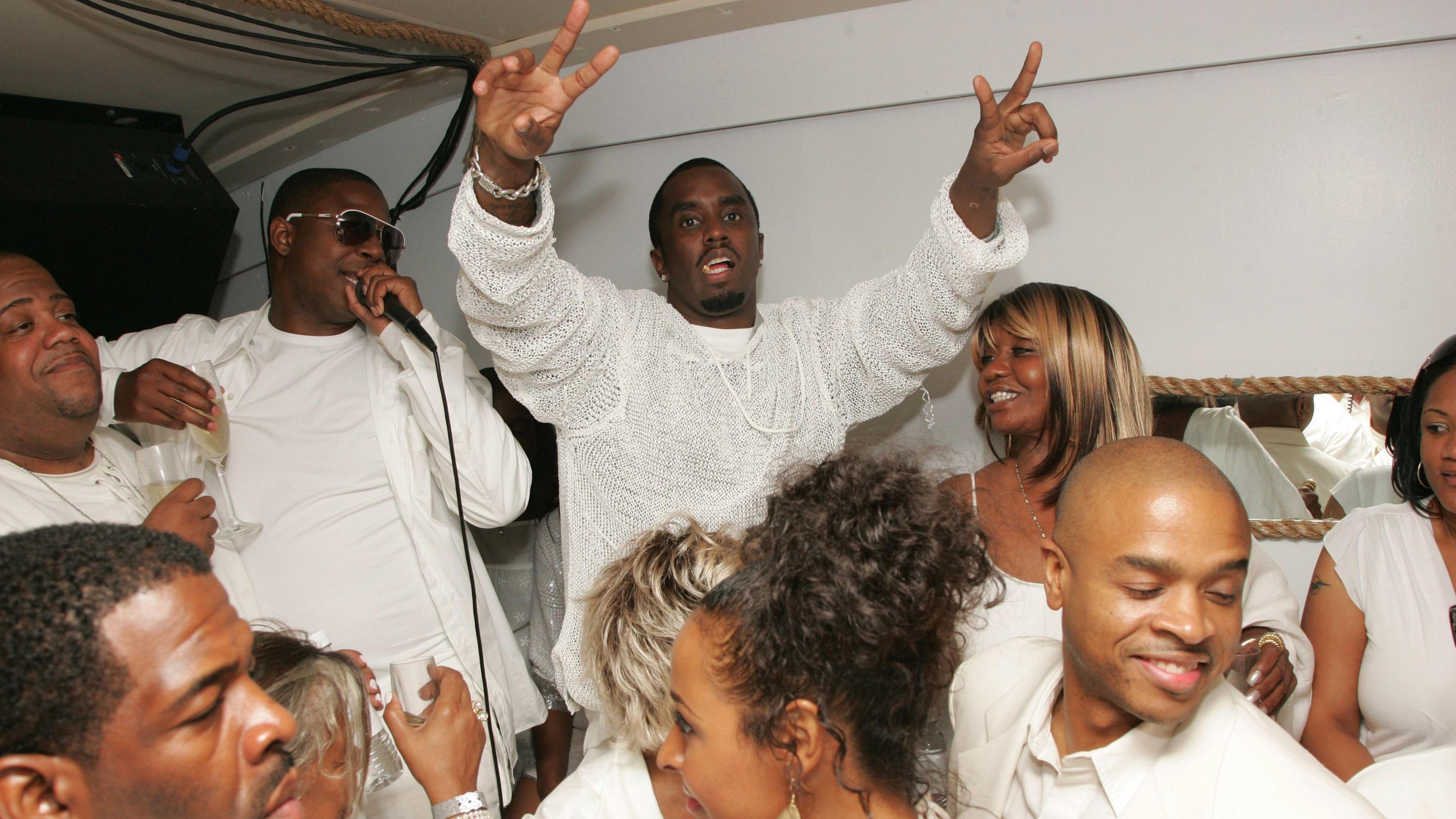
The Grand Illusion: Crafting a Brand Through Experiential Marketing
Diddy’s parties were never merely social gatherings; they were meticulously orchestrated experiential marketing campaigns. Each element, from the guest list to the lavish décor, the exclusive performers to the subtle placement of his brand logos, was designed to reinforce a narrative of unparalleled success and influence. This strategy leveraged the power of association, projecting an image of a man who could not only achieve the highest levels of success but also command the attention and presence of the world’s most influential figures.
Curating Exclusivity and Aspirational Appeal
At their zenith, Diddy’s parties were the epitome of exclusivity. Invitations were fiercely coveted, granting attendees entry into a world of privilege and unparalleled access. This scarcity principle was a cornerstone of his brand strategy. By limiting access, he amplified the desirability of being associated with his events and, by extension, his brands. The aspirational appeal was immense: attending a Diddy party was a signal of status, a testament to being “in the know,” and a fleeting immersion into a world that many only dreamed of. This carefully curated experience translated directly into brand equity for his various ventures, including Ciroc, Sean John, and Revolt Media.
The Power of Celebrity Endorsement and Association
The guest list was perhaps the most potent marketing tool. Featuring A-list celebrities, musicians, athletes, and business moguls, these parties became unintentional, yet highly effective, endorsement platforms. When paparazzi captured images of these influential figures enjoying themselves at Diddy’s events, it served as a powerful, organic endorsement. This created a halo effect, transferring the perceived success and influence of the attendees onto Diddy and his brands. The visual narrative broadcasted across social media and traditional media outlets was one of constant celebration, wealth, and undeniable cool, solidifying his brand as synonymous with the pinnacle of entertainment and business achievement.
The Role of Social Media in Amplifying Brand Narratives
In an era increasingly dominated by social media, Diddy masterfully leveraged these platforms to amplify the narrative surrounding his parties. Candid photos, short videos, and live streams from the events created a sense of immediate engagement and FOMO (fear of missing out) for those not present. This constant stream of content acted as a perpetual advertising campaign, keeping his brands in the public consciousness and reinforcing the desired image. The aspirational lifestyle was not just hinted at; it was vividly showcased, making his brands seem intrinsically linked to joy, success, and the very essence of a life well-lived.
The Shifting Sands: The Eruption of Allegations and Reputational Fallout
The narrative surrounding Diddy’s parties began to unravel with the emergence of serious allegations. What were once symbols of his brand prowess have now become entangled with accusations that cast a dark shadow over his public image and, consequently, his brands. This seismic shift highlights the fragility of even the most robust brands when faced with profound reputational challenges.
The Impact of Legal Investigations and Public Accusations

The turning point for Diddy’s brand image has been the increasing number of legal investigations and public accusations leveled against him. These allegations, ranging from sexual assault to human trafficking, have fundamentally altered the perception of his parties. The opulence and glamour that once defined these events are now being re-examined through a lens of potential misconduct and exploitation. This has led to a significant loss of goodwill and has forced consumers and partners to re-evaluate their association with his brands. The aspirational narrative has been replaced by a narrative of concern and condemnation.
Social Media’s Double-Edged Sword: Accountability and Rapid Dissemination
While social media once served as a powerful tool for brand building, it has now become an equally potent force for accountability. As allegations surfaced, social media platforms became the conduits for disseminating information, outrage, and calls for boycotts. The speed and reach of these platforms meant that the reputational damage could spread almost instantaneously, far outpacing any traditional crisis management efforts. The visual evidence of parties that once seemed glamorous now takes on a different, more sinister connotation when juxtaposed with the seriousness of the accusations.
Brand Devaluation and the Erosion of Trust
The cumulative effect of these allegations and the subsequent media coverage has been a significant devaluation of Diddy’s personal brand and the brands he is associated with. Trust, a fundamental pillar of any successful brand, has been severely eroded. Consumers, partners, and investors are now hesitant to engage, fearing association with controversy. The perceived risks have begun to outweigh any perceived benefits, forcing a reassessment of the long-term viability of his business empire. This illustrates a critical lesson: even the most successful brand strategies can crumble if the underlying values and actions of the brand’s face are called into question.
Lessons for Brand Architects: Navigating the Perilous Path of Reputation
The trajectory of Diddy’s brand, particularly as it relates to his notorious parties, offers invaluable, albeit somber, lessons for anyone involved in building and managing a brand. The shift from celebrated gatherings to sites of controversy underscores the critical importance of ethical conduct, transparency, and robust crisis preparedness. The allure of aspirational marketing must be grounded in genuine substance and integrity to withstand the inevitable storms of public scrutiny.
The Indispensable Foundation of Ethical Conduct
The most profound takeaway from the Diddy saga is the non-negotiable requirement for ethical conduct at the core of any brand. No amount of marketing wizardry, celebrity association, or lavish spending can indefinitely mask a foundation built on questionable practices. The allegations surrounding Diddy suggest a stark disconnect between the curated brand image and the alleged reality. This serves as a potent reminder that a brand’s true strength lies not just in its external presentation but in its internal integrity. Brands that prioritize ethical behavior, fair treatment of individuals, and transparency are inherently more resilient to reputational damage.
The Imperative of Proactive Crisis Management and Transparency
In today’s hyper-connected world, a crisis can erupt with little warning. The Diddy situation highlights the need for proactive crisis management strategies, rather than reactive damage control. This involves anticipating potential risks, establishing clear communication protocols, and fostering an environment where concerns can be raised and addressed internally before they become public spectacles. Furthermore, a commitment to transparency, even when uncomfortable, can go a long way in rebuilding trust. Attempting to suppress or deny serious allegations often proves counterproductive, amplifying public suspicion and exacerbating reputational harm.

The Long-Term Value of Authenticity Over Illusory Glamour
Ultimately, the Diddy parties represent a cautionary tale about the allure and potential pitfalls of building a brand primarily on illusory glamour. While aspirational marketing can be effective in the short term, its long-term sustainability depends on authenticity. Consumers are increasingly sophisticated and discerning, capable of seeing through facades. Brands that focus on genuine value, positive impact, and authentic connection with their audience are far more likely to endure. The superficial sheen of lavish parties, however impressive, cannot substitute for the substantive strength of a brand built on integrity and authentic purpose. The events at Diddy’s parties, once a symbol of peak brand success, have now become a stark illustration of how quickly perception can shift, and how vital it is to ensure that the substance of a brand aligns with its perceived image.
aViewFromTheCave is a participant in the Amazon Services LLC Associates Program, an affiliate advertising program designed to provide a means for sites to earn advertising fees by advertising and linking to Amazon.com. Amazon, the Amazon logo, AmazonSupply, and the AmazonSupply logo are trademarks of Amazon.com, Inc. or its affiliates. As an Amazon Associate we earn affiliate commissions from qualifying purchases.