
The passing of a prominent figure is a moment that reverberates across society, and in our hyper-connected world, the news travels at the speed of light, amplified and disseminated through a vast digital ecosystem. While the core human experience of loss remains constant, the way we learn about, process, and remember the lives of famous individuals has been profoundly reshaped by technology. From the initial breaking news alerts to the ongoing digital memorials, technology plays an indispensable, and often complex, role. This article delves into the technological landscape surrounding the recent passing of famous individuals, exploring how digital tools shape our understanding of these events and influence the collective remembrance of impactful lives.
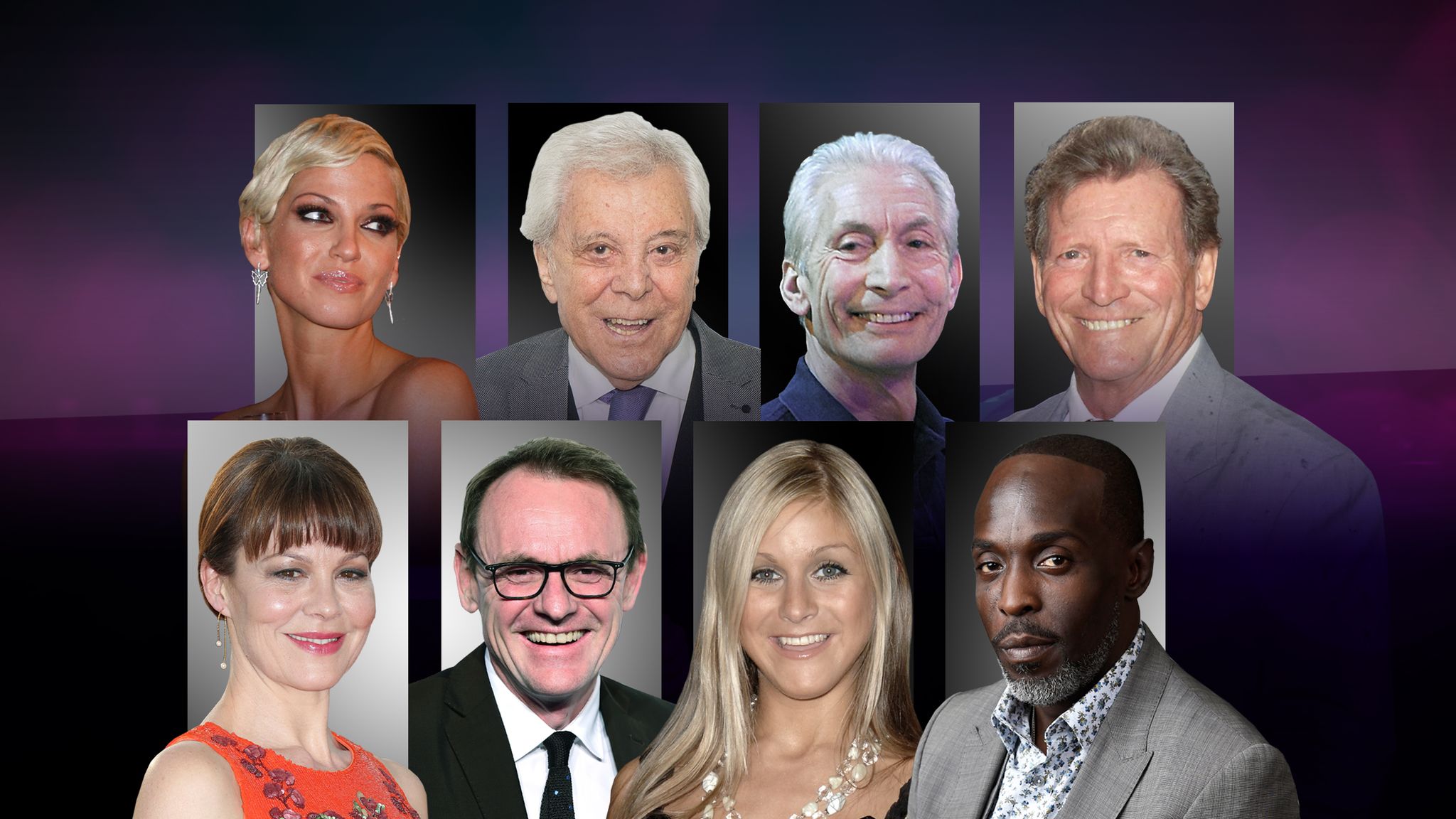
The Velocity of Information: Breaking News in the Digital Age
The immediate aftermath of a famous person’s death is characterized by an almost instantaneous surge in information flow, a phenomenon largely driven by technological advancements. Social media platforms and digital news outlets have become the primary conduits for breaking news, eclipsing traditional media in terms of speed and reach.
The Algorithmic Pulse: Social Media as the First Responder
When news of a celebrity’s or influential figure’s demise breaks, the digital world often reacts before traditional news organizations can even issue a formal statement. Social media platforms like Twitter, Facebook, and Instagram become the first responders, buzzing with unverified reports, shared condolences, and speculative discussions. Algorithms, designed to prioritize trending topics and engagement, quickly propel these discussions to the forefront of user feeds. This rapid dissemination, while efficient, also presents challenges.
The Double-Edged Sword of Speed: Accuracy vs. Immediacy
The pressure to be the first to report can sometimes compromise journalistic rigor. Misinformation and premature announcements can spread like wildfire, creating confusion and distress. Fact-checking mechanisms, though improving, often lag behind the initial surge of unchecked information. This creates a delicate balance for digital news outlets and social media users alike: the desire for immediate knowledge versus the imperative for accuracy. Users often find themselves sifting through a deluge of posts, seeking confirmation from reliable sources amidst a sea of speculation. The role of reputable digital news organizations, with their established editorial processes, becomes even more critical in this environment, aiming to provide verified information as quickly as possible without succumbing to the pressure of being first at all costs.
The Digital News Cycle: Real-Time Updates and Global Reach
Beyond social media, dedicated digital news platforms are instrumental in shaping the narrative. Major news websites, often with dedicated “breaking news” sections, provide real-time updates, eyewitness accounts (where applicable), and expert commentary. The global reach of these platforms means that a death that might have once been a regional event can now be a topic of international discussion within minutes. This interconnectedness allows for a collective global experience of grief and remembrance, transcending geographical boundaries. Furthermore, the integration of multimedia elements – videos, audio clips, and interactive timelines – within these digital reports enriches the user’s understanding of the deceased’s life and legacy.
Digital Memorialization: Preserving Legacies in the Cloud
Beyond the immediate news cycle, technology plays a crucial role in the ongoing process of remembering and memorializing famous individuals. Digital platforms offer new avenues for preserving legacies, fostering communities of remembrance, and allowing fans and admirers to connect with the departed’s work and impact.
The Digital Footprint: Archiving Lives Online
The lives of famous individuals are increasingly documented and accessible online. Their work – music, films, books, speeches, artistic creations – is readily available through streaming services, digital archives, and online marketplaces. This digital footprint ensures that their contributions can be easily accessed and appreciated by future generations. Websites dedicated to their biographies, discographies, filmographies, and artistic portfolios become living repositories of their achievements. Social media profiles, even if dormant, serve as snapshots of their public persona, offering a glimpse into their interactions and thoughts during their lifetime.
Online Tributes and Virtual Communities: Collective Grief and Shared Memories
In the wake of a death, online tribute pages, memorial websites, and dedicated social media hashtags become virtual gathering spaces for collective grief and remembrance. Fans share personal anecdotes, post photos and videos, and express their condolences, creating a tapestry of shared memories and appreciation. These digital communities can be incredibly powerful, offering solace and a sense of shared experience to those mourning. They allow for a level of interaction and contribution that was previously impossible, transforming passive consumption of news into active participation in the memorialization process. The permanence of these digital spaces also means that tributes can continue to be added and accessed long after the initial news has faded.
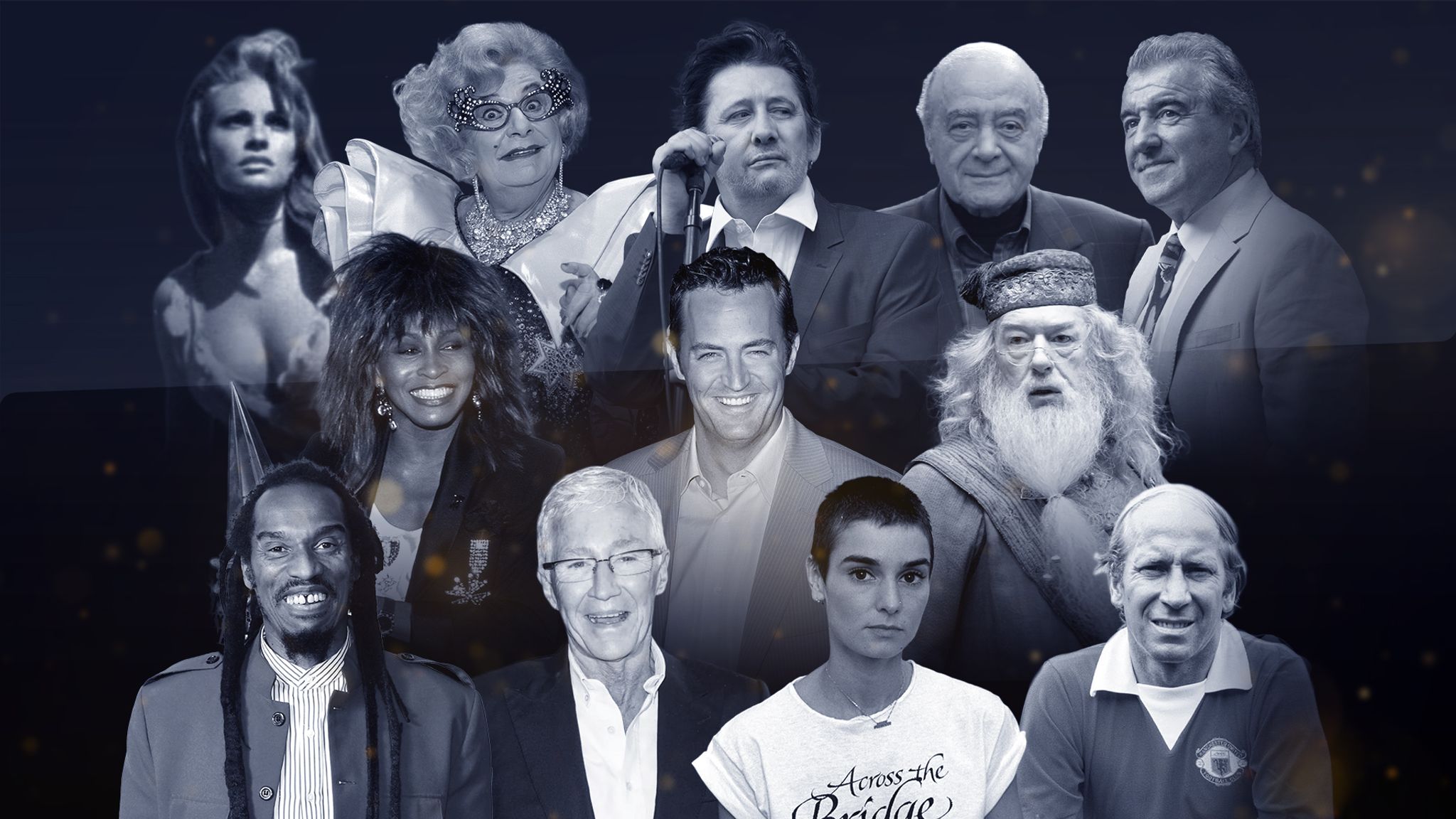
The Evolution of Memorial Services: Livestreaming and Virtual Attendance
Even the traditional memorial service has been transformed by technology. Livestreaming services allow friends, family, and fans who cannot attend in person to participate in funeral or memorial events remotely. This technology has become particularly crucial in recent years, enabling broader participation and overcoming geographical limitations. Virtual attendance fosters a sense of inclusion and allows a wider audience to pay their respects, further extending the reach of remembrance. The recording of these events also creates a digital archive, preserving the ceremony for those who wish to revisit it.
The Psychological Impact: Technology’s Role in Grief and Remembrance
The pervasive influence of technology extends to the psychological aspects of dealing with the death of a famous person. While it offers new ways to connect and remember, it also introduces unique challenges to the grieving process.
Navigating the Digital Echo Chamber: Constant Reminders and Emotional Overload
The constant barrage of news, tributes, and discussions about a deceased famous person on digital platforms can be overwhelming. The “digital echo chamber” ensures that their presence lingers, sometimes making it difficult for individuals to move through their grief. Algorithms may continue to surface content related to the deceased, leading to unexpected emotional triggers and prolonged exposure to reminders of their absence. This can be particularly challenging for individuals who were deeply affected by the person’s work or public persona.
The Role of Digital Detox and Mindful Consumption: Managing Online Grief
In response to this potential for overload, there’s a growing understanding of the importance of digital detox and mindful consumption of online content. Individuals are increasingly encouraged to curate their online experience, unfollowing certain accounts or muting keywords to create periods of respite. The ability to control one’s digital environment becomes a critical tool for managing grief and preventing emotional exhaustion. Recognizing when to step away from the digital world and engage with offline coping mechanisms is essential for a healthy grieving process.
The Legacy of Influence: How Technology Shapes Our Perception of Impact
Technology doesn’t just disseminate news; it actively shapes our perception of a famous person’s impact. The ease with which their work can be shared and discussed online means that their influence can continue to grow and evolve long after their death. Viral trends, reinterpretations of their art, and ongoing online debates about their contributions all contribute to a dynamic and ever-changing legacy. This digital afterlife allows for a continuous engagement with their ideas and creations, potentially amplifying their significance in ways that were unimaginable in previous eras. The ability to search and discover their entire body of work instantly provides a comprehensive understanding of their creative output, fostering deeper appreciation and analysis.
The Future of Remembering: Evolving Digital Grief and Legacy Preservation
As technology continues to advance, so too will the ways in which we experience the death of famous individuals and preserve their legacies. The intersection of artificial intelligence, virtual reality, and digital archiving promises to further transform our relationship with remembrance.
AI and Virtual Legacies: Immersive Memorialization and Digital Immortality
The advent of advanced AI could lead to new forms of digital memorialization. Imagine AI-powered chatbots trained on a person’s writings, interviews, and social media activity, allowing future generations to “interact” with a digital representation of their thoughts and personality. While this raises profound ethical questions about digital immortality, it also offers a glimpse into a future where the essence of a person’s digital footprint could be preserved in remarkably immersive ways. Virtual reality environments could also be created to host digital memorials, allowing users to explore virtual spaces dedicated to the individual’s life and work.

Digital Archival Innovations: Ensuring Long-Term Accessibility and Preservation
The long-term preservation of digital legacies is a critical concern. As technology evolves, ensuring that digital archives remain accessible and readable becomes a complex challenge. Innovations in digital archival techniques, including robust data management strategies and format migration, are crucial to prevent digital information from becoming obsolete. The ongoing efforts to curate and maintain digital records of famous individuals’ lives are vital for future historical research and public understanding. The development of decentralized storage solutions and blockchain technology may also offer new avenues for secure and permanent digital preservation.
In conclusion, the title “What Famous Person Has Died Recently” is intrinsically linked to the technological landscape that defines our modern information ecosystem. From the lightning-fast dissemination of breaking news via social media to the sophisticated digital tools that enable ongoing memorialization, technology has fundamentally altered how we learn about, mourn, and remember those who have left an indelible mark on the world. As we move forward, understanding and navigating this digital frontier will become increasingly vital for both processing individual grief and collectively honoring the enduring legacies of influential figures.
aViewFromTheCave is a participant in the Amazon Services LLC Associates Program, an affiliate advertising program designed to provide a means for sites to earn advertising fees by advertising and linking to Amazon.com. Amazon, the Amazon logo, AmazonSupply, and the AmazonSupply logo are trademarks of Amazon.com, Inc. or its affiliates. As an Amazon Associate we earn affiliate commissions from qualifying purchases.