
Hanukkah, often referred to as the Festival of Lights, is a deeply meaningful Jewish holiday that celebrates a historical victory and the enduring power of faith. While its traditions are rich with symbolism and communal gathering, its core narrative centers on the miraculous events that transpired over 2,000 years ago in Judea. At its heart, Hanukkah commemorates the rededication of the Second Temple in Jerusalem and the triumph of a small group of Jewish rebels, the Maccabees, over a powerful oppressive empire. This victory was not merely a military one; it was a spiritual and cultural assertion against forced assimilation and the suppression of religious freedom.
The story unfolds during a period when Judea was under the dominion of the Seleucid Empire, a Hellenistic kingdom established by one of Alexander the Great’s generals. Antiochus IV Epiphanes, the emperor at the time, sought to impose Greek culture and religion upon his diverse subjects. This included desecrating the Second Temple, the holiest site in Judaism, by turning it into a pagan shrine and forbidding Jewish practices. This act of profound disrespect and religious persecution ignited a fierce resistance movement led by Judah Maccabee and his brothers.
The Maccabean Revolt: A Fight for Faith and Freedom
The Maccabean Revolt was a remarkable uprising against overwhelming odds. The Seleucid army was a formidable force, well-trained and equipped, while the Maccabees were a much smaller, less-equipped militia. Yet, their deep conviction and fervent desire to reclaim their heritage fueled their courage. The revolt began in 167 BCE in the town of Modi’in, where a Jewish priest named Mattathias, along with his sons, refused to comply with Antiochus’s decree to offer pagan sacrifices. This act of defiance sparked a widespread rebellion.
The Struggle for Religious Autonomy
The primary motivation behind the Maccabean Revolt was the preservation of Jewish religious practice and identity. Antiochus IV Epiphanes’s decrees were not simply an imposition of foreign rule; they were a direct assault on the core tenets of Judaism. He outlawed circumcision, the observance of the Sabbath, and the study of the Torah, all fundamental pillars of Jewish life. The Seleucids aimed to create a unified Hellenistic culture, but in doing so, they threatened to eradicate the distinct religious and cultural heritage of the Jewish people. The Maccabees’ fight was therefore a battle for the right to practice their faith freely, to uphold their traditions, and to maintain their spiritual connection to God and their ancestral land.
The Military Campaign and Victory
Under the leadership of Judah Maccabee, often called “the Hammer” for his prowess in battle, the Jewish rebels engaged in a series of strategic guerilla warfare tactics. They leveraged their knowledge of the terrain and the element of surprise to outmaneuver and defeat larger Seleucid forces. Despite numerous setbacks and the loss of many lives, the Maccabees persevered. Their most significant military achievement was the recapture of Jerusalem and the Second Temple from the Seleucid army. This victory, against all logical expectations, was seen as a divine intervention, a testament to the strength of their faith and the righteousness of their cause.
The Miracle of the Oil: A Symbol of Enduring Faith
Upon recapturing the Temple, the Maccabees faced the daunting task of rededicating it to God. This involved purifying the sanctuary and relighting the Menorah, the sacred seven-branched candelabrum that was meant to burn continuously. However, they found that the Seleucids had defiled the Temple’s sacred oil, leaving only a small, seemingly insufficient amount. According to tradition, this tiny quantity of oil was miraculously enough to keep the Menorah burning for eight days, the time it took to prepare new, pure oil.
The Significance of the Eight Days
The miracle of the oil is central to the observance of Hanukkah. The eight-day duration of the festival directly commemorates this miraculous event. It serves as a powerful reminder that even in the darkest of times, when resources are scarce and hope seems dim, faith and divine providence can lead to extraordinary outcomes. The continuous burning of the Menorah symbolizes the enduring light of God’s presence and the everlasting nature of Jewish tradition and spirit. It signifies that even a small spark of faith, when nurtured, can illuminate the deepest darkness.
The Custom of Lighting the Hanukkah Menorah (Hanukkiah)
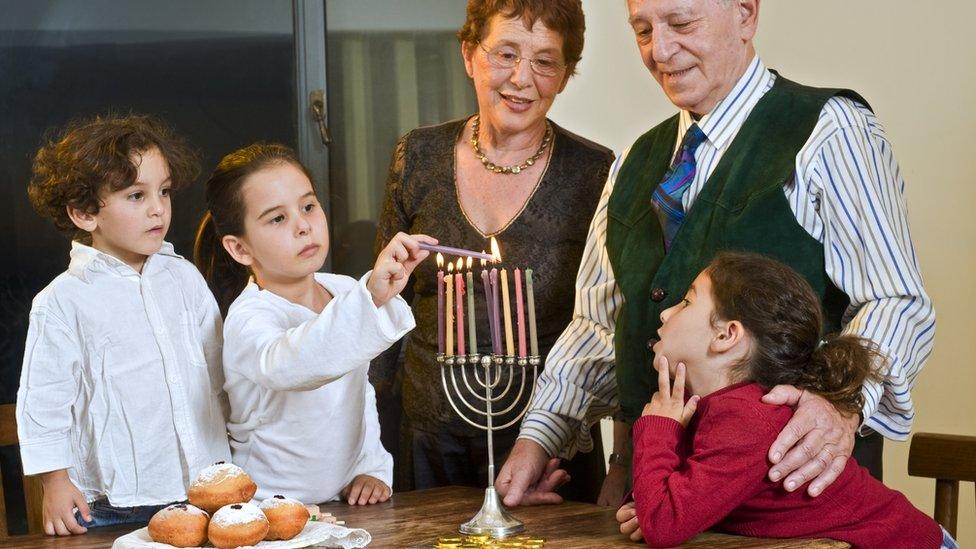
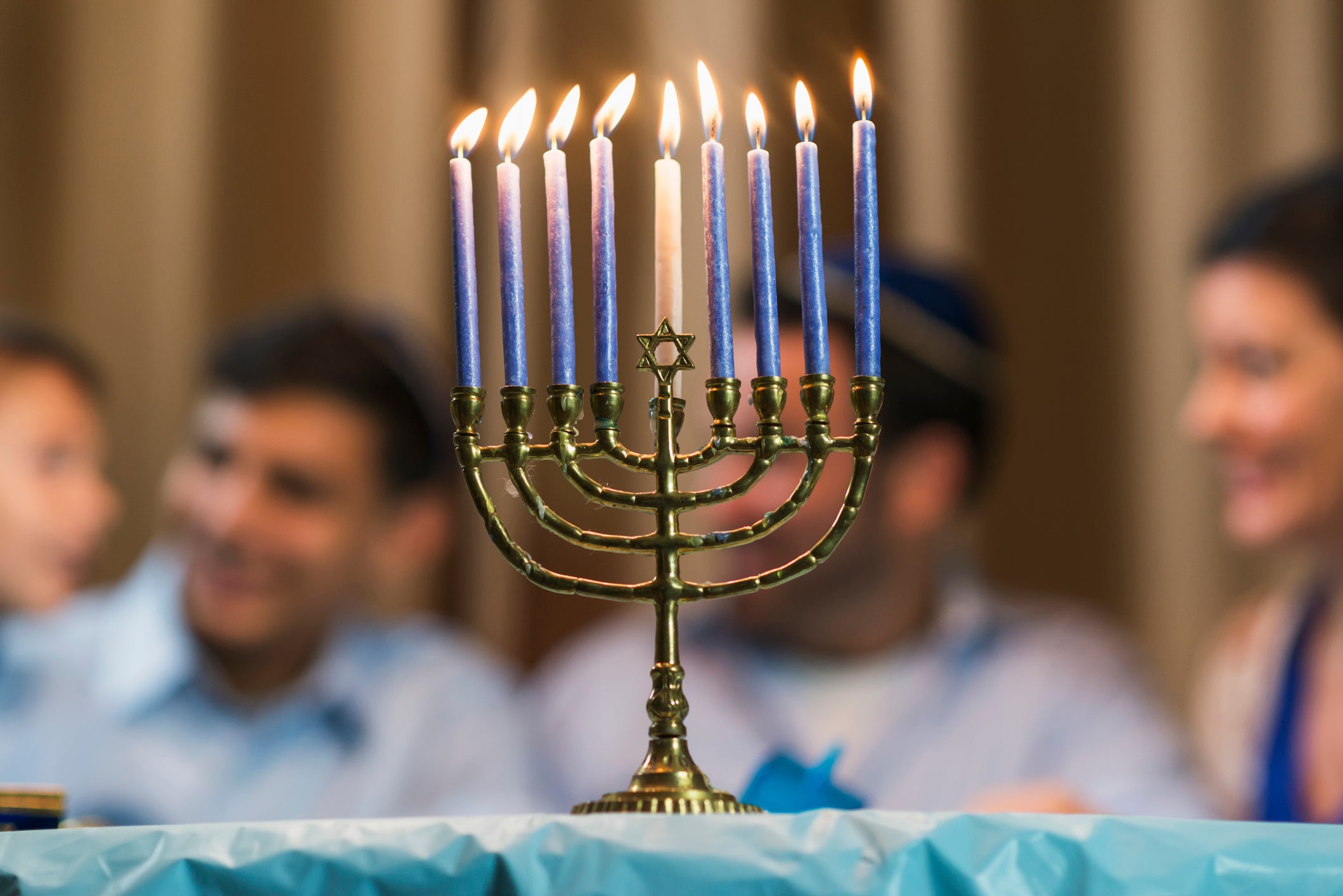
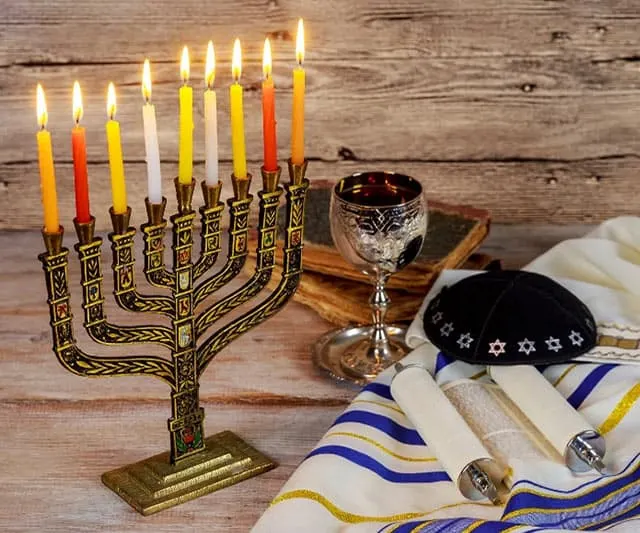
The most prominent ritual of Hanukkah is the lighting of the hanukkiah, a nine-branched candelabrum. Eight branches represent the eight nights of the miracle, with one candle lit each night. The ninth branch, the shamash (helper), is used to light the other candles. This custom is observed by lighting one candle on the first night, two on the second, and so on, until all eight candles are lit on the final night. The lighting ceremony is typically accompanied by blessings and songs, fostering a sense of family unity and shared remembrance. The growing light each night visually represents the increasing hope and the triumph of good over evil.
Hanukkah’s Enduring Relevance and Traditions
Beyond the historical and miraculous accounts, Hanukkah has evolved into a vibrant holiday filled with beloved traditions that strengthen family bonds and cultural identity. It is a time for joy, reflection, and passing down the story to future generations. The emphasis on light, dedication, and perseverance resonates deeply, offering timeless lessons for individuals and communities.
Festive Foods and Games
The foods associated with Hanukkah are largely symbolic of the miracle of the oil. Because oil played a central role in the miracle, many traditional Hanukkah foods are fried in oil. Latkes (potato pancakes) and sufganiyot (jelly-filled doughnuts) are particularly popular. These delicious treats are enjoyed by families and friends, adding a culinary dimension to the festive celebrations. Beyond food, games are also a cherished part of Hanukkah. The dreidel, a four-sided spinning top, is a common toy. The game involves spinning the dreidel, with each side bearing a Hebrew letter representing a phrase related to the Hanukkah story, or a rule for the game. Playing the dreidel is a fun way for children and adults alike to engage with the holiday’s narrative in an enjoyable manner.
The Spirit of Giving and Tzedakah
While not as central as gift-giving during Christmas, Hanukkah has increasingly become a time for exchanging gifts, especially for children. This practice has evolved over time, partly as a response to the proximity of Hanukkah to Christmas. However, a more traditional and profoundly important aspect of Hanukkah is the emphasis on tzedakah, the Hebrew word for charity or justice. Many families encourage children to give tzedakah during Hanukkah, often by collecting money in a pushke (charity box). This tradition underscores the Jewish value of social responsibility and the importance of helping those in need, extending the spirit of light and hope beyond one’s own family and community. It reminds participants that true celebration involves contributing to the well-being of others and upholding justice in the world.
In conclusion, Hanukkah celebrates a pivotal moment in Jewish history: the victory of the Maccabees against oppression and the miraculous rededication of the Second Temple. More importantly, it celebrates the enduring power of faith, the importance of religious freedom, and the resilience of the human spirit in the face of adversity. The Festival of Lights continues to shine brightly, illuminating these timeless values for generations to come.
aViewFromTheCave is a participant in the Amazon Services LLC Associates Program, an affiliate advertising program designed to provide a means for sites to earn advertising fees by advertising and linking to Amazon.com. Amazon, the Amazon logo, AmazonSupply, and the AmazonSupply logo are trademarks of Amazon.com, Inc. or its affiliates. As an Amazon Associate we earn affiliate commissions from qualifying purchases.