
Halloween, a holiday celebrated annually on October 31st, is a tapestry woven with threads of ancient traditions, religious observances, and evolving cultural practices. Its origins are not found in a single event or decree, but rather in a complex interplay of historical forces that have shaped its distinctive character. Understanding this genesis is key to appreciating the modern iterations of spooky costumes, festive decorations, and trick-or-treating. While contemporary Halloween is largely a secular celebration, its roots delve deep into the realm of ancient pagan festivals and the early Christianization of Europe.
The Ancient Roots: Samhain and the Celtic New Year
At the heart of Halloween’s origins lies the ancient Celtic festival of Samhain (pronounced sow-in). Celebrated around November 1st, Samhain marked the end of summer and the harvest, and the beginning of the dark, cold winter – a time of year that was often associated with death. For the ancient Celts, who inhabited the region that is now Ireland, the United Kingdom, and northern France, Samhain was the most important festival of the year, marking their New Year.
The Veil Between Worlds Thins
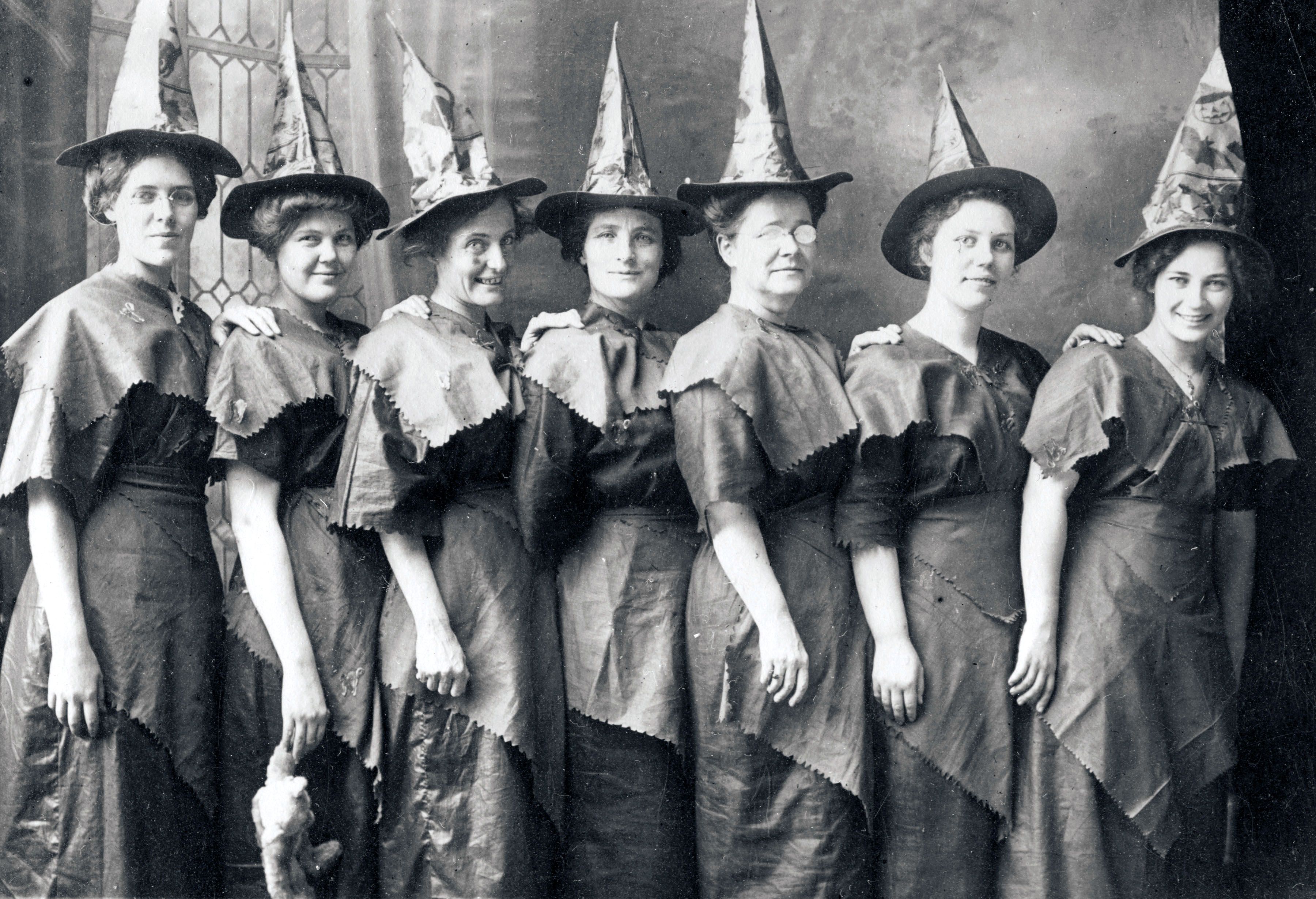
The Celts believed that on the night before the New Year, the boundary between the worlds of the living and the dead became blurred. On the night of October 31st, they thought the ghosts of the dead returned to earth. This belief formed the bedrock of many Halloween traditions. It was a time of both reverence for ancestors and apprehension about the potential for malevolent spirits. To ward off evil spirits and appease the gods, bonfires were lit, and people would wear costumes, often animal heads and skins, in the belief that these would help them disguise themselves from roaming ghosts.
Rituals and Offerings
Samhain was also a time for important rituals and divination. Priests, known as Druids, would make predictions about the future, often by studying the flames of bonfires or by observing the entrails of sacrificed animals. Offerings of food and drink were left out for the spirits, a practice that may have laid the groundwork for modern-day trick-or-treating. It was a solemn occasion, but also one of community and reflection, as people gathered to mark a significant transition in the agricultural calendar and the spiritual year. The fear of the unknown and the celebration of life’s cyclical nature were deeply intertwined during this period.
Roman and Christian Influences: Syncretism and Adaptation
As Roman influence spread throughout Celtic lands, elements of Roman festivals began to intermingle with Samhain. Two Roman festivals are believed to have been assimilated into the Celtic celebrations: Feralia and Pomona. Feralia was a day in late October when the Romans traditionally commemorated the passing of the dead. Pomona was the Roman goddess of fruit and trees, and her symbol, the apple, is still associated with Halloween games like bobbing for apples.
Feralia and the Dead
The Roman observance of Feralia, a day dedicated to remembering the dead, likely reinforced the Celtic beliefs surrounding the return of spirits. This shared focus on the afterlife and the deceased provided fertile ground for the amalgamation of traditions. The emphasis on honoring ancestors and appeasing the departed became a recurring theme, even as the specifics of the rituals evolved.
Pomona and Harvest Symbolism
The festival of Pomona, celebrated around the same time as Samhain, brought its own set of customs. The association of Pomona with fruits and trees introduced harvest-related activities and symbolism into the burgeoning holiday. The act of “bobbing for apples,” a popular Halloween game today, can be traced back to this Roman goddess and her connection to the autumn bounty. This fusion of Roman and Celtic practices demonstrates a natural process of cultural adaptation and absorption, where shared themes allowed for the blending of distinct traditions.
All Saints’ Day and All Souls’ Day
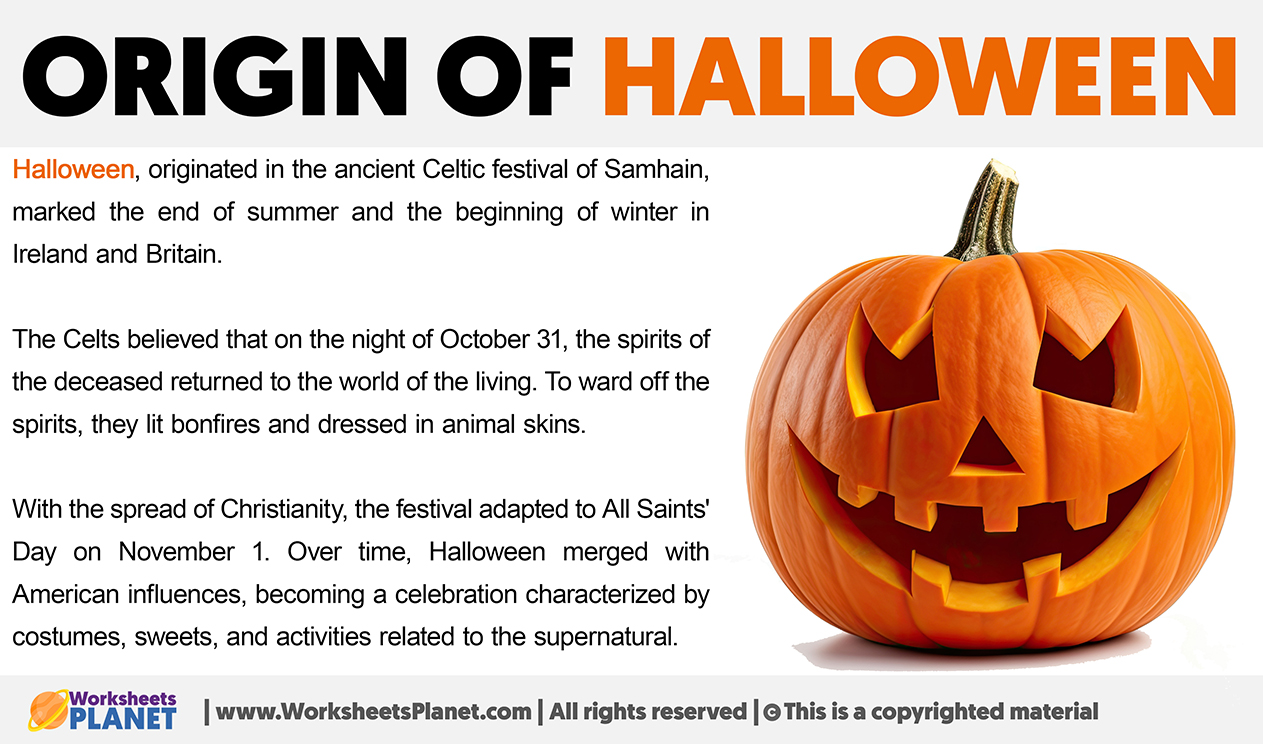
The most significant Christian influence on Halloween came with the establishment of All Saints’ Day (also known as All-hallows or Hallowmas) on November 1st. This day was designated by Pope Boniface IV in the 7th century to honor saints and martyrs. Later, in the 9th century, Pope Gregory III expanded the festival to include all saints and moved its observance from May 13th to November 1st. This date choice was strategically significant, as it coincided with the existing pagan festival of Samhain.
The evening before All Saints’ Day, October 31st, became known as All-Hallows’ Eve. Subsequently, November 2nd was established as All Souls’ Day, a day to honor the dead. The Catholic Church’s attempt to replace or absorb pagan festivals into Christian observances was a common practice throughout Europe. By situating Christian holidays around existing pagan celebrations, the Church aimed to convert populations and discourage pagan rituals. The themes of Samhain – the remembrance of the dead and the blurring of spiritual boundaries – found a Christian echo in these new observances.
The Evolution of Halloween Traditions in America
As European immigrants, particularly the Irish and Scots, came to America, they brought their Halloween traditions with them. Initially, Halloween celebrations in America were relatively subdued and private, influenced by the diverse religious beliefs of the settlers. However, as the 19th century progressed, the holiday began to take on a more communal and secular character.
Early American Halloween: A Blend of Cultures
In the early days of American settlement, Halloween was not widely celebrated. Different immigrant groups had their own harvest festivals and observances related to death and the afterlife. However, as Irish and Scottish immigrants became a more significant part of the American population, their traditions began to influence the broader culture. Early American Halloween celebrations often involved “play parties” where neighbors would gather to share stories of the dead, tell each other’s fortunes, dance, and sing. Pranks and mischief were also a common element, reflecting the playful, and sometimes mischievous, spirit of the holiday.
The Rise of Trick-or-Treating and Costuming
By the early 20th century, Halloween had become a more widespread holiday. Communities began to organize parades and parties to “mammie” Halloween and prevent the vandalism and mischief that had become increasingly common. This effort to channel the holiday’s energy led to the development of more organized trick-or-treating. Children would go from house to house, not necessarily for candy, but for food or money in exchange for a song or a prayer. The idea of dressing up, which had its origins in ancient times to ward off spirits, also evolved.
In the mid-20th century, with the rise of commercialization and the widespread availability of store-bought costumes, trick-or-treating transformed into the practice we recognize today, where the primary reward is candy. The focus shifted from appeasing spirits or warding off evil to a more lighthearted and community-driven activity. This period saw Halloween solidify its place as a major secular holiday in the American calendar, a celebration of community, fantasy, and sugary treats.
Modern Halloween: A Cultural Phenomenon
Today, Halloween is a global phenomenon, far removed from its ancient pagan roots, yet still echoing its core themes of transformation, the supernatural, and community gathering. While the religious and spiritual significance may have diminished for many, the festive and playful aspects have taken center stage.
Commercialization and Cultural Impact
The economic impact of Halloween is significant, with billions of dollars spent annually on costumes, decorations, candy, and party supplies. This commercialization has fueled the holiday’s popularity, making it accessible and appealing to a broad audience. The imagery and iconography of Halloween – ghosts, witches, pumpkins, skeletons – have become ingrained in popular culture, appearing in movies, television shows, literature, and art. This widespread exposure further solidifies its status as a significant cultural event.

Global Reach and Adaptation
While its origins are deeply rooted in Western European traditions, Halloween has transcended its geographical boundaries. In many parts of the world, the holiday is celebrated with varying degrees of enthusiasm and adaptation. Some cultures embrace the Americanized version with trick-or-treating and elaborate costumes, while others may incorporate local folklore and traditions into their celebrations. This global reach highlights the adaptability of the holiday and its ability to resonate with diverse populations, offering a universal opportunity for fun, fantasy, and a touch of the macabre. From its ancient origins as a solemn observance of the end of harvest and the arrival of winter, Halloween has evolved into a vibrant and multifaceted celebration, a testament to the enduring power of tradition and the human fascination with the mystical and the mysterious.
aViewFromTheCave is a participant in the Amazon Services LLC Associates Program, an affiliate advertising program designed to provide a means for sites to earn advertising fees by advertising and linking to Amazon.com. Amazon, the Amazon logo, AmazonSupply, and the AmazonSupply logo are trademarks of Amazon.com, Inc. or its affiliates. As an Amazon Associate we earn affiliate commissions from qualifying purchases.