
The news of a beloved or influential celebrity’s passing often sends ripples far beyond immediate grief. For those who followed their careers, admired their work, or were touched by their public persona, it signifies the end of an era. However, from a business and branding perspective, a celebrity’s death marks a profound shift in their “brand.” This shift isn’t merely about mourning; it’s a complex re-evaluation of legacy, market value, and the enduring influence of an individual’s carefully cultivated public identity. The strategies employed to manage this transition, both by the celebrity’s estate and by brands they endorsed, offer a fascinating case study in the persistent power of personal branding, even in absence.
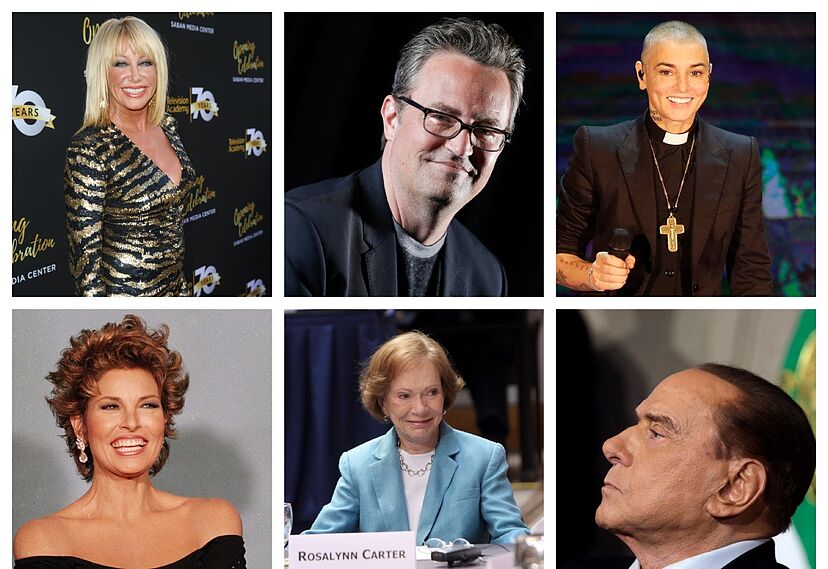
The Immediate Aftermath: A Shift in Public Perception and Media Narrative
The immediate hours and days following the announcement of a celebrity’s death are characterized by an intense surge of media attention. This period is critical for shaping the initial narrative surrounding the deceased, and by extension, their brand.
The Global Chorus of Tributes: Amplifying the Legacy
The digital age has democratized and accelerated the process of public mourning and commemoration. Social media platforms become instantaneous town squares, where fans, colleagues, and public figures alike share memories, express condolences, and celebrate the deceased’s achievements. This collective outpouring of grief serves to reinforce and amplify the core tenets of the celebrity’s brand. If they were known for their humor, the shared anecdotes will lean towards their wit. If they were champions of a cause, tributes will highlight their advocacy. This spontaneous, organic amplification is invaluable for solidifying a positive and lasting legacy. It’s not just about remembering, but about collectively defining and celebrating what made them unique and admired. This unified narrative is the bedrock upon which the post-mortem brand will be built.
The Media’s Role in Crafting the Post-Mortem Persona
Traditional media outlets, from news channels to reputable magazines, play a significant role in curating the public’s perception. Documentaries, retrospective articles, and carefully selected archival footage are deployed to remind audiences of the celebrity’s most impactful moments, their struggles, triumphs, and contributions. This curated content aims to create a coherent and enduring narrative that transcends the individual’s life. The focus often shifts to their most significant works, their philanthropic efforts, and their broader societal impact. This deliberate framing ensures that the memory is not just of the person, but of the artist, the activist, the icon. This process is a delicate balancing act, aiming to be respectful while also ensuring the celebrity’s brand continues to resonate with new audiences and remain relevant to existing ones.
Navigating the Silence: The Absence as a Brand Element
Paradoxically, the physical absence of a celebrity can become a powerful element of their brand. The void they leave can magnify their perceived importance and the impact of their work. This silence can also be more poignant than any spoken word, prompting deeper reflection on their contributions. For fans, this absence can solidify their devotion, transforming casual admiration into a more profound sense of loss and appreciation for what was. This is where the emotional core of a brand truly solidifies, moving beyond transactional admiration to a deeper emotional connection. The absence, therefore, isn’t an ending but a transformation of how the brand is perceived and experienced.
The Estate’s Strategic Pivot: Protecting and Monetizing a Cherished Legacy
Following a celebrity’s death, their estate often faces the crucial task of managing their brand. This involves not only preserving their legacy but also strategically leveraging it to ensure its continued relevance and, often, its financial viability. This transition requires careful planning and a deep understanding of the deceased’s personal brand.
Guardians of the Legacy: Preserving Authenticity and Integrity

The primary responsibility of an estate is to act as custodians of the celebrity’s reputation. This means making decisions that align with the individual’s known values and public persona. Any new ventures, endorsements, or intellectual property usage must be carefully vetted to ensure they don’t contradict the established brand identity. The goal is to maintain authenticity, preventing the celebrity’s image from being tarnished by association with ill-fitting products or controversial ventures. This often involves establishing strict guidelines for licensing and usage, ensuring that the “spirit” of the celebrity lives on in every approved initiative. It’s about protecting the very essence of what made them a brand in the first place.
The Brand Extension Dilemma: Balancing Commerce and Reverence
A significant challenge for estates is the decision to extend a celebrity’s brand into new markets or product lines. This can be a lucrative avenue, allowing fans to connect with the deceased’s legacy in tangible ways, from merchandise to curated experiences. However, it’s a path fraught with peril. The line between respectful commemoration and opportunistic exploitation can be thin. Successful brand extensions are those that feel like genuine continuations of the celebrity’s interests and values, rather than mere cash grabs. For instance, a musician’s estate might release unreleased tracks or collaborate with contemporary artists who share their sonic DNA. A fashion icon’s estate might launch a new line inspired by their signature style. The key is that these extensions must feel authentic and additive, rather than derivative or disrespectful.
Intellectual Property and Licensing: The Enduring Value of an Icon’s Image
The intellectual property surrounding a celebrity – their name, likeness, signature, and iconic quotes – holds significant ongoing commercial value. Estates meticulously manage licensing agreements for everything from biographical films and books to merchandise and even themed attractions. The value of this IP is intrinsically linked to the enduring strength of the celebrity’s brand. A well-managed estate can continue to generate revenue for years, even decades, after the celebrity’s passing, by carefully selecting partners and approving projects that resonate with the public’s affection and memory. This strategic approach ensures that the celebrity’s name remains a recognized and respected brand, contributing to their lasting impact.
The Corporate Response: Brands Adapting to the Loss of a Key Endorser
For corporations that had partnered with a celebrity, their death triggers an immediate need to re-evaluate their marketing strategies. The loss of a prominent endorser can have a significant impact on brand equity and consumer trust.
The Endorsement Void: Navigating a Marketing Vacuum
When a celebrity passes, brands they endorsed face a void in their marketing campaigns. The association that once lent credibility and appeal is now absent. This necessitates a rapid pivot in strategy. Companies must decide whether to: a) immediately replace the endorser, b) shift focus to other brand ambassadors or elements of their marketing, or c) pivot their entire campaign narrative. The choice depends heavily on the nature of the endorsement and the brand’s overall identity. A brand closely tied to the celebrity’s persona might face a more difficult transition than one where the celebrity was just one of many spokespeople. The goal is to fill this marketing vacuum without alienating existing customers or diminishing the brand’s perceived authenticity.
Respectful Retirement or Strategic Reimagining of Campaigns
Brands often face the delicate decision of whether to retire campaigns featuring the deceased celebrity or to find ways to respectfully reimagine them. Continuing to use old commercials or imagery might seem opportunistic or insensitive. However, completely abandoning all past associations could erase valuable brand equity built over time. Some brands opt for a respectful retirement, pausing campaigns for a period of mourning and then re-emerging with new messaging. Others might find creative ways to acknowledge the loss while still referencing the positive associations the celebrity brought. This could involve shifting the focus of a campaign from the individual to the product’s benefits, or incorporating more general themes of aspiration and achievement that the celebrity embodied. The key is always to tread carefully and prioritize empathy.
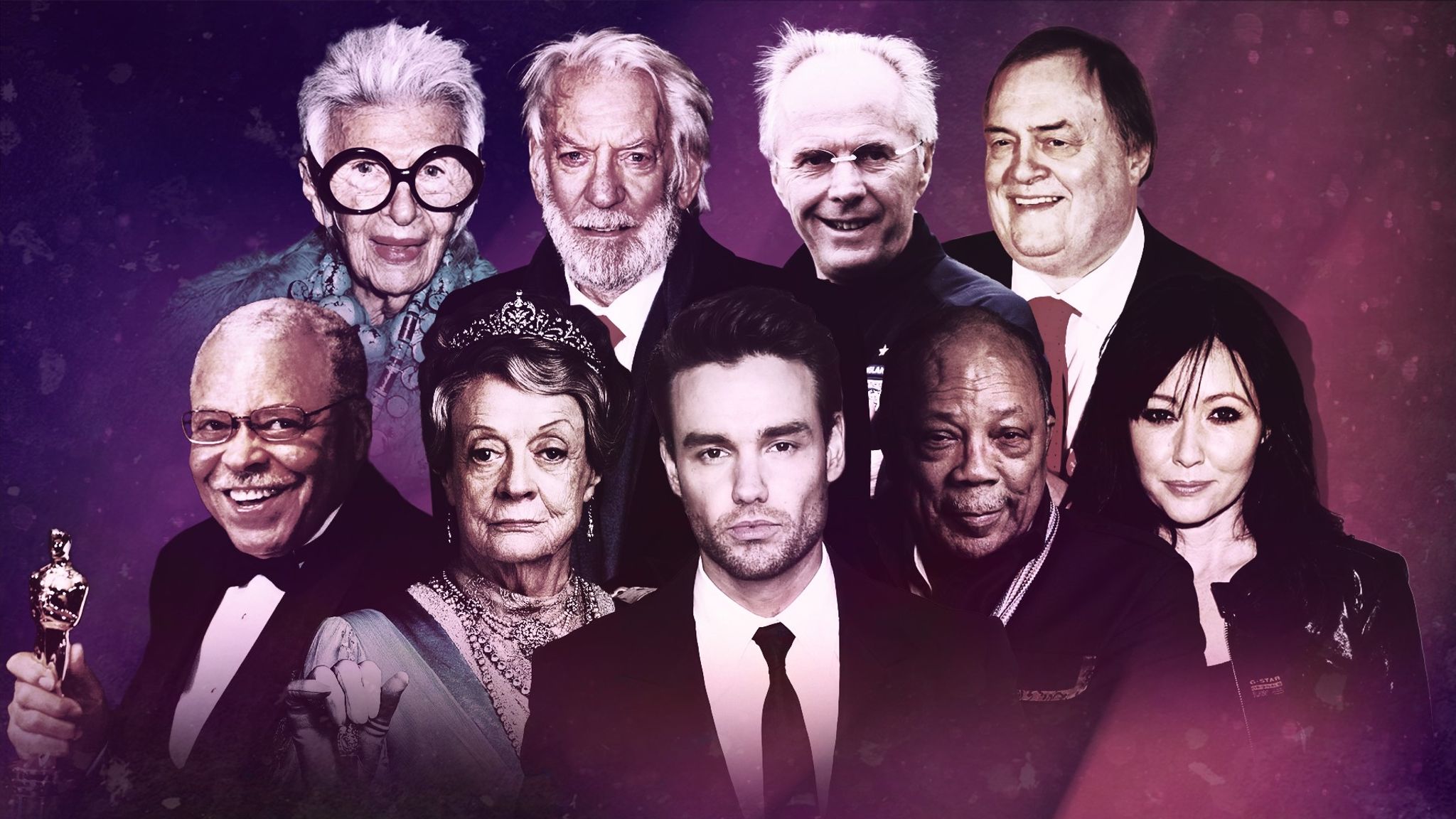
The Long-Term Brand Association: Fading Echoes and Enduring Influence
The long-term impact of a celebrity’s death on a brand association can vary significantly. For some brands, the connection might fade relatively quickly as consumers move on to new trends and associations. For others, particularly those where the celebrity was deeply intertwined with the brand’s identity, the influence can be remarkably enduring. Think of iconic partnerships that have become synonymous with each other, even after the celebrity’s passing. The estate and the brand might continue to collaborate on limited-edition products or retrospectives that tap into nostalgia. This sustained association relies on the continued strength of the celebrity’s legacy and the brand’s ability to evoke positive memories and emotions connected to that legacy. It’s a testament to the power of a well-built personal brand that its influence can persist, shaping perceptions and driving consumer behavior long after the individual is gone.
In conclusion, the death of a celebrity is not simply an end but a profound transformation of their brand. It’s a period of intense scrutiny and strategic management, where legacy, authenticity, and market impact are meticulously recalibrated. For estates, it’s about guardianship and careful extension; for corporations, it’s about navigating disruption and preserving the value of past associations. The enduring influence of a well-cultivated personal brand, even in absence, continues to shape narratives and drive market dynamics, proving that some icons truly never fade away.
aViewFromTheCave is a participant in the Amazon Services LLC Associates Program, an affiliate advertising program designed to provide a means for sites to earn advertising fees by advertising and linking to Amazon.com. Amazon, the Amazon logo, AmazonSupply, and the AmazonSupply logo are trademarks of Amazon.com, Inc. or its affiliates. As an Amazon Associate we earn affiliate commissions from qualifying purchases.