
Understanding the current landscape of home loan rates is paramount for anyone considering a property purchase or looking to refinance an existing mortgage. These rates, influenced by a complex interplay of economic factors, directly impact your monthly payments, the total interest paid over the life of the loan, and ultimately, the affordability of your dream home. This guide delves into what drives today’s home loan rates, how they are presented, and what you can do to secure the best possible terms.
The Dynamic Forces Shaping Today’s Mortgage Rates
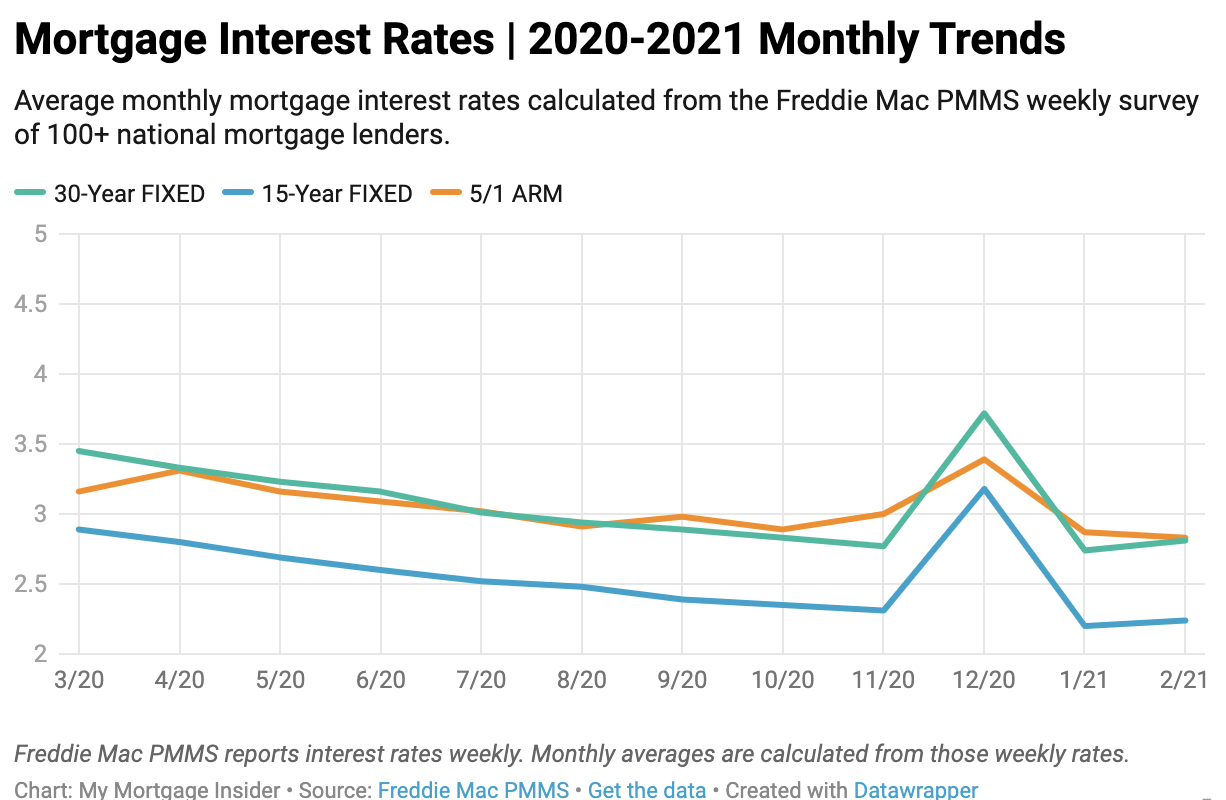
The interest rate you are offered on a home loan isn’t a static number. It’s a constantly fluctuating figure influenced by a variety of economic indicators and market forces. Lenders set their rates based on a combination of their own costs, the perceived risk of lending, and the broader economic environment. For consumers, understanding these underlying influences can demystify the rate-setting process and empower them to make more informed decisions.
The Federal Reserve’s Influence: The Benchmark for Borrowing Costs
At the heart of many interest rate movements in the United States lies the Federal Reserve, often referred to as “the Fed.” The Fed’s primary tool for managing the economy is its ability to influence the federal funds rate, which is the target rate at which commercial banks lend reserve balances to other depository institutions overnight. While the Fed doesn’t directly set mortgage rates, its policy decisions have a significant ripple effect.
When the Federal Reserve raises the federal funds rate, it becomes more expensive for banks to borrow money. This increased cost is often passed on to consumers in the form of higher interest rates on various loans, including mortgages. Conversely, when the Fed lowers the federal funds rate, borrowing becomes cheaper, which can lead to a decrease in mortgage rates, making it more attractive for individuals to finance a home.
The Fed’s decisions are driven by its dual mandate: to promote maximum employment and stable prices (meaning low inflation). They closely monitor economic data such as inflation reports (Consumer Price Index – CPI), employment figures (Non-Farm Payrolls), and Gross Domestic Product (GDP) growth. If inflation is running too high, the Fed is more likely to increase interest rates to cool down the economy. If the economy is sluggish and unemployment is rising, the Fed may lower rates to stimulate borrowing and spending.
The Bond Market: A Direct Link to Mortgage Rates
While the Federal Reserve sets the benchmark, the day-to-day fluctuations in mortgage rates are often more directly tied to the performance of the bond market, particularly the market for Mortgage-Backed Securities (MBS). MBS are financial instruments that pool together thousands of individual mortgages and sell them to investors. The yield on these MBS is a key determinant of the interest rates lenders can offer on new home loans.
When demand for MBS increases, their prices rise, and their yields fall. This means lenders can offer lower interest rates on mortgages. Conversely, when demand for MBS decreases or investors sell them off, their prices fall, and their yields rise, leading to higher mortgage rates for borrowers.
Several factors influence the MBS market. Investor sentiment regarding the overall economy plays a crucial role. If investors are optimistic about economic growth and believe inflation will remain under control, they may be more willing to invest in MBS, driving down yields. However, if there are concerns about inflation or economic instability, investors might flee to safer assets, pushing MBS yields higher.
Furthermore, the actions of major institutional investors, such as pension funds and insurance companies, who are significant buyers of MBS, can also impact yields. Geopolitical events, global economic trends, and even the perceived creditworthiness of borrowers can indirectly influence the MBS market and, consequently, mortgage rates.
Economic Indicators: The Pulse of the Housing Market
Beyond the direct influence of the Fed and the bond market, a range of economic indicators provide a broader picture of the economy’s health and its potential impact on mortgage rates. These indicators act as vital signals for lenders and investors, helping them to anticipate future economic trends.
- Inflation Rates: As mentioned, high inflation erodes the purchasing power of money. Lenders need to ensure that the interest they earn on loans keeps pace with or exceeds inflation to maintain the real value of their returns. Therefore, rising inflation often leads to higher mortgage rates.
- Employment Data: Strong employment figures generally indicate a healthy economy. When more people are employed and earning, they are more likely to be able to afford a mortgage. This can increase demand for housing, potentially pushing up prices and influencing lenders’ risk assessments. Conversely, rising unemployment can signal economic weakness, leading lenders to be more cautious and potentially adjust rates accordingly.
- GDP Growth: The Gross Domestic Product (GDP) measures the total value of goods and services produced in an economy. Robust GDP growth suggests a strong and expanding economy, which can lead to increased business investment and consumer spending. This economic vigor can translate into higher demand for credit and potentially higher interest rates.
- Housing Market Data: Specific data related to the housing market itself, such as housing starts, existing home sales, and home price appreciation, also plays a role. A strong and active housing market can indicate demand, but if prices are rising too rapidly, it could signal overheating, prompting concern about future stability.
Lenders and financial analysts constantly monitor these indicators to forecast economic direction and adjust their lending strategies, including the mortgage rates they offer.
Decoding Mortgage Rate Quotes: APR vs. Interest Rate
When you start shopping for a home loan, you’ll encounter different terms related to rates, and it’s crucial to understand the distinction between the advertised interest rate and the Annual Percentage Rate (APR). While both are important, the APR provides a more comprehensive picture of the true cost of borrowing.
The Stated Interest Rate: The Headline Number

The interest rate, often referred to as the “note rate” or simply the “rate,” is the percentage charged by the lender on the outstanding principal balance of your loan. This is the figure you’ll most commonly see advertised and is the basis for calculating your monthly principal and interest payment. For example, if you see an advertisement for a 30-year fixed-rate mortgage at 6.5%, that 6.5% is the stated interest rate.
This rate directly determines how much interest you will pay over the life of the loan. A lower interest rate means less interest paid, resulting in lower monthly payments and greater overall savings. The interest rate is influenced by all the economic factors discussed earlier, as well as your individual creditworthiness.
The Annual Percentage Rate (APR): The True Cost of Borrowing
The Annual Percentage Rate (APR) is a broader measure of the cost of a mortgage. It includes the stated interest rate plus certain fees and charges associated with obtaining the loan. These fees can include:
- Origination Fees: Charged by the lender for processing the loan application.
- Discount Points: Paid upfront to the lender to lower the stated interest rate. One point typically equals 1% of the loan amount.
- Underwriting Fees: For evaluating the loan application.
- Appraisal Fees: To determine the market value of the property.
- Title Insurance Fees: To protect the lender and you against title defects.
- Prepaid Interest: Interest that accrues from the closing date to the end of the month.
The APR is expressed as a percentage and is designed to give you a more standardized comparison of loan offers from different lenders. Because it incorporates these additional costs, the APR on a loan will almost always be higher than the stated interest rate.
When comparing loan offers, it is essential to look at both the interest rate and the APR. A loan with a slightly lower interest rate but significantly higher fees might end up being more expensive overall than a loan with a slightly higher interest rate but lower fees. The APR helps you to see past the headline interest rate and understand the total financial commitment of the mortgage.
Strategies for Securing Today’s Best Home Loan Rates
Navigating the current mortgage market and securing favorable rates requires preparation, diligence, and a strategic approach. Lenders assess risk, and by mitigating potential risks and demonstrating your financial preparedness, you can position yourself to receive their most competitive offers.
Building and Maintaining a Strong Credit Profile
Your credit score is arguably the most critical factor in determining the interest rate you’ll be offered. A higher credit score signifies to lenders that you have a history of managing debt responsibly and are a lower risk to lend to.
- Check Your Credit Report: Regularly obtain copies of your credit reports from the three major credit bureaus (Equifax, Experian, and TransUnion) and review them for any errors. Dispute any inaccuracies promptly, as incorrect information can negatively impact your score.
- Pay Bills On Time: Payment history is the most significant component of your credit score. Make sure all your bills, including credit cards, loans, and utilities, are paid on time, every time.
- Reduce Credit Utilization: Keep the amount of credit you use on your credit cards low, ideally below 30% of your available credit limit. High credit utilization can signal financial strain.
- Avoid Opening Too Many New Accounts: While it’s good to have a mix of credit, opening numerous new credit accounts in a short period can temporarily lower your score.
- Settle Outstanding Debts: Addressing any outstanding collections or significantly past-due accounts can improve your score over time.
A strong credit score can not only lead to a lower interest rate but can also open doors to a wider range of loan products and lenders.
Preparing Your Finances for the Mortgage Application
Beyond your credit score, lenders will meticulously review your overall financial picture. Demonstrating financial stability and readiness is key to securing favorable terms.
- Save for a Larger Down Payment: A larger down payment reduces the loan-to-value (LTV) ratio, which is the amount you borrow compared to the property’s value. A lower LTV generally signals less risk to the lender, potentially leading to better rates. It also reduces the overall amount you need to borrow, saving you money on interest over time.
- Have Sufficient Cash Reserves: Lenders want to see that you have funds beyond your down payment to cover closing costs, moving expenses, and a financial cushion for unexpected events. Having several months of mortgage payments (principal, interest, taxes, and insurance) in savings can bolster your application.
- Reduce Other Debts: Paying down other outstanding debts, such as car loans, student loans, or personal loans, can improve your debt-to-income (DTI) ratio. Your DTI is a crucial metric lenders use to assess your ability to manage monthly payments. A lower DTI indicates you have more disposable income available for a mortgage.
- Gather Necessary Documentation: Be prepared to provide extensive documentation, including pay stubs, W-2 forms, tax returns, bank statements, and proof of other assets. Having these organized in advance can expedite the application process.
Shopping Around and Comparing Offers Strategically
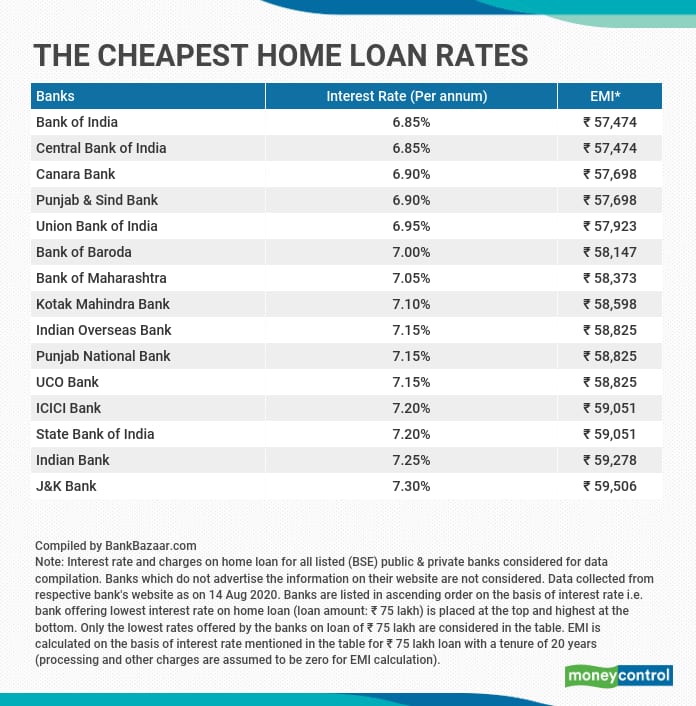
The mortgage market is competitive, and different lenders will offer varying rates and terms based on their business models, risk appetite, and current market conditions. Diligent comparison shopping is essential.
- Get Pre-Approved, Not Just Pre-Qualified: Pre-qualification is a preliminary estimate of how much you might be able to borrow based on information you provide. Pre-approval involves a more thorough review of your financial situation and credit, providing a much stronger indication of your borrowing power and the rates you can expect.
- Compare Offers from Multiple Lenders: Don’t settle for the first offer you receive. Contact several lenders, including large national banks, local credit unions, and online mortgage companies.
- Focus on Both Rate and Fees: As discussed with APR, a lower interest rate isn’t always the best deal if the associated fees are exorbitant. Compare the APRs to get a true sense of the total cost.
- Understand Loan Programs: Different loan programs (e.g., fixed-rate, adjustable-rate, FHA, VA) have different rate structures and requirements. Choose the program that best aligns with your financial goals and risk tolerance.
- Lock Your Rate: Once you find a rate you’re comfortable with, ask the lender to “lock” it. This protects you from potential rate increases while your loan is being processed. Be aware of the lock period and any associated fees.
By taking a proactive and informed approach, you can navigate the complexities of today’s home loan rates and increase your chances of securing financing that aligns with your financial objectives.
aViewFromTheCave is a participant in the Amazon Services LLC Associates Program, an affiliate advertising program designed to provide a means for sites to earn advertising fees by advertising and linking to Amazon.com. Amazon, the Amazon logo, AmazonSupply, and the AmazonSupply logo are trademarks of Amazon.com, Inc. or its affiliates. As an Amazon Associate we earn affiliate commissions from qualifying purchases.