
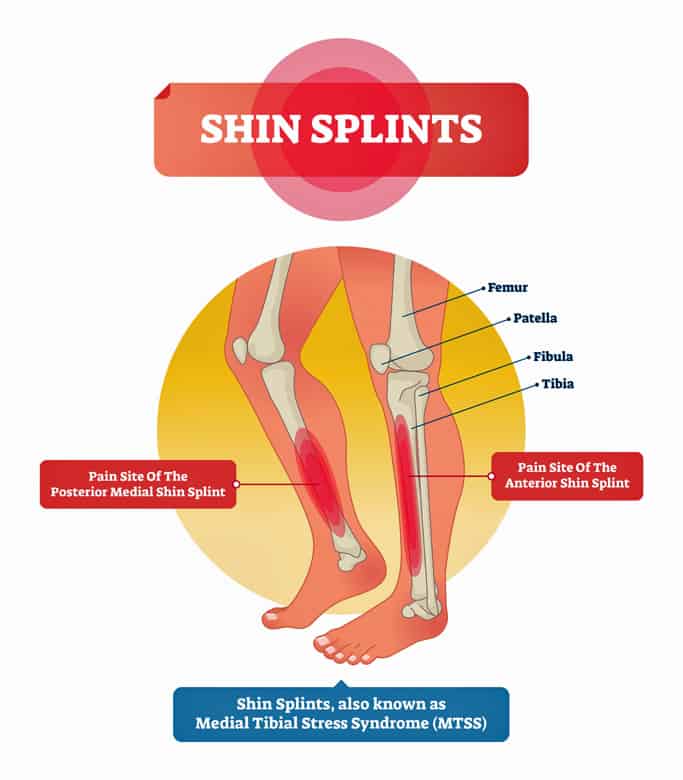
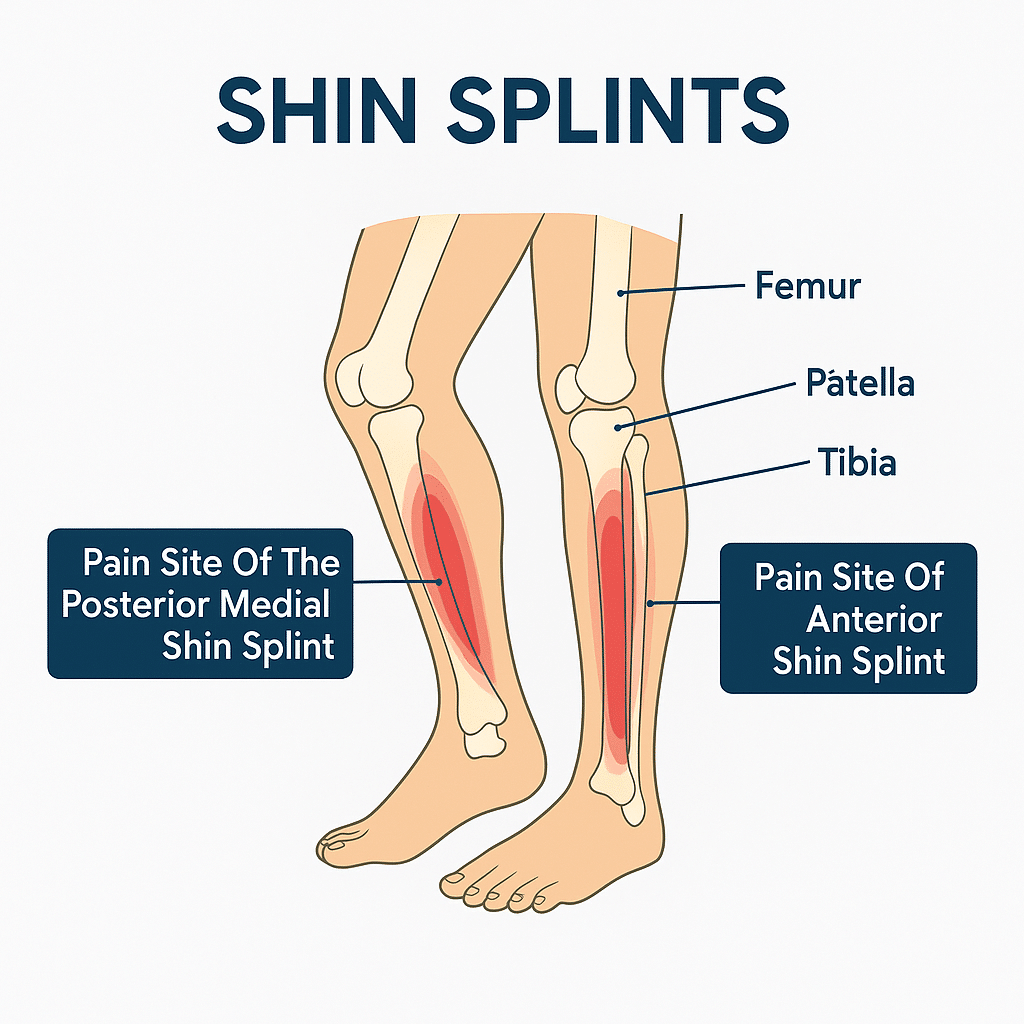
Shin splints, medically known as Medial Tibial Stress Syndrome (MTSS), are a common ailment among athletes and individuals engaging in physical activity. Characterized by pain along the inner edge of the shinbone (tibia), these injuries often arise from overuse, particularly in activities involving repetitive impact like running, jumping, or marching. While historically understood through physical examination and patient history, the modern approach to shin splints is increasingly informed and augmented by technological advancements. From sophisticated diagnostic imaging to data-driven training protocols and wearable biofeedback devices, technology is revolutionizing how we understand, diagnose, treat, and ultimately prevent this often debilitating condition. This exploration will delve into the technological landscape surrounding shin splints, examining the tools and insights that empower individuals and professionals to tackle MTSS more effectively.
The Technological Lens: Understanding the Mechanics of Shin Splints
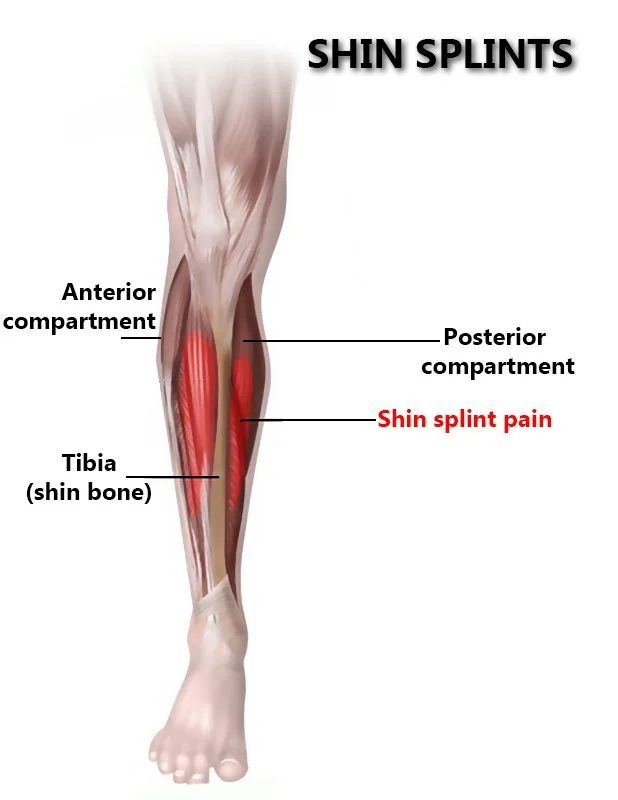
Shin splints are not a singular injury but rather a syndrome, meaning they encompass a range of underlying issues that manifest as pain along the tibia. Understanding these mechanics is crucial for developing effective technological interventions. At its core, MTSS is an overload injury. The repetitive stress placed on the tibia and the surrounding soft tissues, including muscles, tendons, and periosteum (the membrane covering the bone), exceeds the body’s capacity to repair itself. This leads to inflammation, micro-tears, and pain. Technology plays a vital role in dissecting these intricate biomechanical processes and identifying the specific contributing factors for each individual.
Biomechanical Analysis: From Gait Labs to Wearable Sensors
The traditional method of assessing gait and biomechanics involved trained observers in clinical settings or specialized gait laboratories. While still valuable, these methods are now being enhanced and supplemented by a suite of technological tools.
Motion Capture and Force Plates
In sports science and rehabilitation, sophisticated motion capture systems have become indispensable. These systems utilize multiple cameras to track the precise movements of the body during activity. By placing markers on key anatomical landmarks, researchers and clinicians can create detailed 3D models of limb kinematics. This allows for an objective assessment of gait patterns, including stride length, foot strike, knee flexion, and hip extension.
Complementing motion capture are force plates, embedded in the floor, which measure the ground reaction forces experienced by the body during movement. These forces are crucial indicators of impact and loading. By analyzing the magnitude, timing, and distribution of these forces, clinicians can identify excessive impact loading, pronation, or supination patterns that may contribute to shin splints. For example, a high peak impact force during foot strike can indicate insufficient shock absorption, a common precursor to MTSS.
Wearable Inertial Measurement Units (IMUs)
The advent of miniaturized and increasingly accurate Inertial Measurement Units (IMUs) has brought biomechanical analysis out of the lab and onto the field, track, or court. These small, lightweight sensors, often integrated into clothing or strapped to limbs, contain accelerometers and gyroscopes. They can capture data on limb kinematics, joint angles, and ground contact times in real-world scenarios.
This real-time data provides invaluable insights into an individual’s typical training or performance environment, highlighting how they move under natural conditions. For shin splints, IMUs can detect subtle changes in gait, such as increased pronation, overstriding, or landing with a more forceful impact, which might not be apparent in a controlled lab setting. This allows for early identification of at-risk individuals and proactive intervention before pain develops.
Pressure Mapping Systems
Pressure mapping technology utilizes insoles or mats embedded with numerous pressure sensors. These systems provide a visual representation of the pressure distribution across the sole of the foot during standing and locomotion. For shin splints, pressure mapping can reveal areas of excessive pressure or uneven load distribution that may be contributing to tibial stress. For instance, identifying a localized hot spot of high pressure on the medial aspect of the foot during the stance phase can be a strong indicator of potential MTSS development.
Diagnosing Shin Splints with Precision: The Role of Imaging and AI
While physical examination remains the cornerstone of diagnosis, technology offers increasingly precise and objective methods for confirming MTSS and ruling out other potential conditions. Accurate diagnosis is crucial for tailoring the most effective treatment and rehabilitation strategies.
Advanced Imaging Techniques
Traditional X-rays are often used to rule out more serious conditions like stress fractures, which can present with similar symptoms to shin splints. However, for diagnosing MTSS itself, which involves inflammation of the periosteum and surrounding tissues rather than a bone fracture, other imaging modalities are more informative.
Magnetic Resonance Imaging (MRI)
MRI is considered the gold standard for diagnosing Medial Tibial Stress Syndrome. It provides highly detailed, cross-sectional images of soft tissues, including muscles, tendons, ligaments, and bone marrow. In cases of shin splints, an MRI can clearly visualize periosteal edema (swelling of the bone membrane) and bone marrow edema, which are characteristic signs of MTSS. These findings help differentiate shin splints from other conditions and can also help assess the severity of the inflammation.
Advanced Ultrasound
High-resolution ultrasound technology is also emerging as a valuable diagnostic tool for shin splints. It allows for real-time visualization of soft tissues and can detect inflammation in the periosteum and surrounding muscles. Ultrasound is non-invasive, readily available, and can be particularly useful for guiding localized injections or physical therapy interventions. While it may not offer the same level of detail for bone marrow edema as MRI, its portability and accessibility make it an increasingly attractive option for initial assessments.
Artificial Intelligence in Diagnostics
The field of medical imaging is being revolutionized by Artificial Intelligence (AI). AI algorithms are being developed and trained to analyze medical scans with remarkable accuracy, often identifying subtle patterns that might be missed by the human eye.
AI-Assisted Image Analysis
AI algorithms can be trained on vast datasets of MRI and ultrasound images to recognize the specific signatures of shin splints. These systems can highlight areas of concern on scans, quantify the extent of inflammation, and provide a more objective assessment of the diagnosis. This not only aids radiologists in making faster and more accurate diagnoses but also has the potential to standardize diagnostic criteria across different healthcare providers.
Predictive Analytics for Injury Risk
Beyond diagnosis, AI is also being used in predictive analytics to identify individuals at higher risk of developing shin splints. By analyzing a combination of biomechanical data from wearables, training load information, and historical injury data, AI models can predict the likelihood of an individual developing MTSS. This allows for proactive interventions, such as modifying training programs, recommending specific exercises, or suggesting appropriate footwear, before symptoms even begin.
Technological Interventions: From Rehabilitation Apps to Smart Footwear
Once diagnosed, the management and rehabilitation of shin splints are also benefiting significantly from technological advancements. These interventions aim to reduce inflammation, promote healing, and address the underlying biomechanical factors contributing to the injury.
Digital Rehabilitation and Telehealth
The rise of digital health platforms and telehealth has made rehabilitation more accessible and personalized.
Mobile Rehabilitation Apps
Numerous mobile applications are now available that guide individuals through specific exercise programs designed for shin splint recovery. These apps often provide detailed video demonstrations of exercises, track progress, offer reminders, and can even incorporate elements of gamification to enhance adherence. Some advanced apps integrate with wearable sensors to provide real-time feedback on exercise form and intensity, ensuring that exercises are performed correctly and safely.
Telehealth and Remote Monitoring
Telehealth platforms allow individuals to connect with physical therapists and sports medicine professionals remotely. This is particularly beneficial for those in remote locations or with busy schedules. Therapists can assess progress, adjust exercise plans, and provide guidance via video consultations. Remote monitoring capabilities, often integrated with wearable devices, allow therapists to track a patient’s activity levels, adherence to their prescribed exercises, and even their pain levels between appointments, enabling timely adjustments to their treatment plan.
Smart Footwear and Orthotics
Footwear plays a critical role in managing and preventing shin splints. Technology is now being integrated into shoes and insoles to provide real-time feedback and support.
Biomechanical Feedback Shoes
Some advanced running shoes are incorporating sensors that can provide real-time feedback on gait mechanics. These shoes can detect overpronation, excessive foot strike impact, or other biomechanical inefficiencies. This feedback can be delivered via haptic vibrations or alerts to a connected app, prompting the wearer to adjust their form during activity. This immediate feedback loop is invaluable for retraining movement patterns and reducing stress on the tibia.
3D-Printed and Custom Orthotics
While orthotics have been used for years to support the foot and correct biomechanical issues, 3D printing technology is revolutionizing their creation. By combining pressure mapping data, gait analysis, and biomechanical assessments, custom orthotics can be precisely designed and manufactured to address an individual’s unique foot structure and biomechanical needs. This personalized approach offers superior support and shock absorption compared to off-the-shelf solutions, significantly reducing the risk of shin splints.
Data-Driven Training and Injury Prevention
Perhaps the most significant technological impact on shin splints is in the realm of proactive injury prevention through data-driven training.
Wearable Performance Trackers
Beyond basic activity tracking, modern wearable devices collect a wealth of data related to training load, intensity, duration, and recovery. For athletes and active individuals, this data is invaluable for managing training volume and intensity to avoid overloading the musculoskeletal system. By monitoring metrics such as training impulse (TRIMP), heart rate variability (HRV) for recovery, and sleep patterns, individuals and coaches can make informed decisions about training progression, ensuring that the body has adequate time to adapt and recover, thereby mitigating the risk of developing shin splints.
AI-Powered Training Platforms
Sophisticated AI-powered training platforms integrate data from various sources, including wearables, GPS devices, and athlete feedback. These platforms can analyze training load, identify patterns of fatigue, and even predict potential injury risks. Based on this analysis, they can automatically adjust training plans, suggesting rest days, modifying workout intensity, or recommending specific recovery protocols. This intelligent approach to training moves beyond generic plans and provides a highly personalized and data-informed strategy for injury prevention.
In conclusion, while shin splints remain a physical challenge, the technological landscape offers unprecedented opportunities for understanding, diagnosing, treating, and most importantly, preventing this common injury. From the sophisticated biomechanical insights gleaned from motion capture and wearable sensors to the precision of AI-assisted diagnostics and the accessibility of digital rehabilitation tools, technology is empowering individuals and professionals to navigate the complexities of shin splints with greater confidence and effectiveness. By embracing these advancements, we can move towards a future where shin splints are not just treated, but proactively managed and minimized, allowing individuals to pursue their athletic and active goals with less fear of debilitating pain.
aViewFromTheCave is a participant in the Amazon Services LLC Associates Program, an affiliate advertising program designed to provide a means for sites to earn advertising fees by advertising and linking to Amazon.com. Amazon, the Amazon logo, AmazonSupply, and the AmazonSupply logo are trademarks of Amazon.com, Inc. or its affiliates. As an Amazon Associate we earn affiliate commissions from qualifying purchases.