
The question of what triggers cancer is multifaceted, delving into a complex interplay of genetic predispositions, environmental exposures, and lifestyle choices. While the biological mechanisms are the core of understanding cancer initiation, advancements in technology are rapidly revolutionizing how we detect, prevent, and ultimately, combat this devastating disease. This article explores the technological frontier in unraveling cancer triggers, focusing on how innovative tools and platforms are empowering researchers, clinicians, and individuals in the fight against cancer.
The Evolving Landscape of Cancer Detection: Leveraging Big Data and AI
The sheer volume of data generated in cancer research and patient care has grown exponentially. From genomic sequencing to medical imaging and real-world health records, this “big data” holds immense potential for identifying patterns and correlations that might indicate cancer triggers or early signs of disease. Artificial intelligence (AI) and machine learning (ML) are the key technologies enabling us to process and interpret this data effectively.
Genomic Sequencing and Personalized Risk Assessment
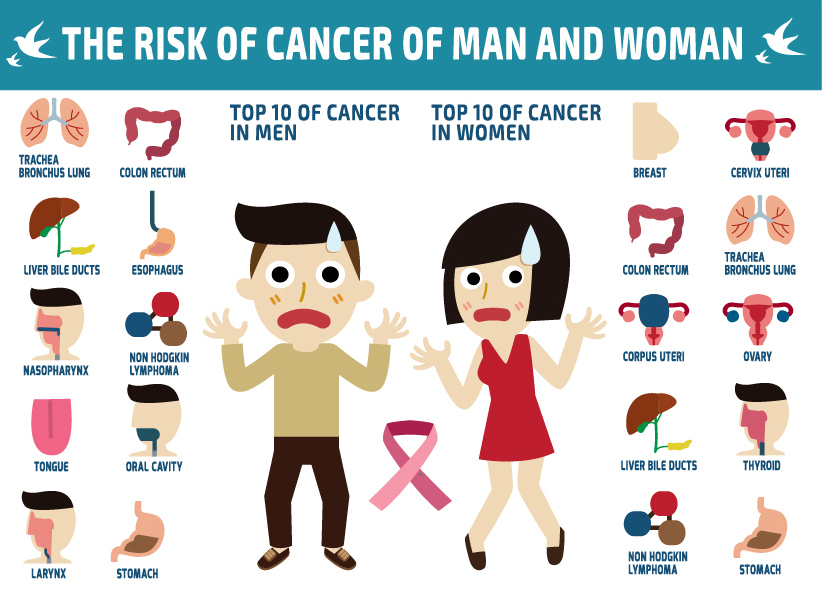
At the heart of understanding individual cancer risk lies our genetic code. Technological advancements in DNA sequencing have made it more affordable and accessible than ever before. This allows for the identification of inherited genetic mutations that significantly increase the risk of developing certain cancers, such as BRCA mutations for breast and ovarian cancer, or Lynch syndrome for colorectal cancer.
- Next-Generation Sequencing (NGS): NGS technologies have dramatically reduced the time and cost of sequencing entire genomes or exomes (the protein-coding regions of our DNA). This enables widespread genetic screening for known cancer predisposition genes. Researchers can now analyze thousands of samples simultaneously, accelerating the discovery of new genetic links to cancer.
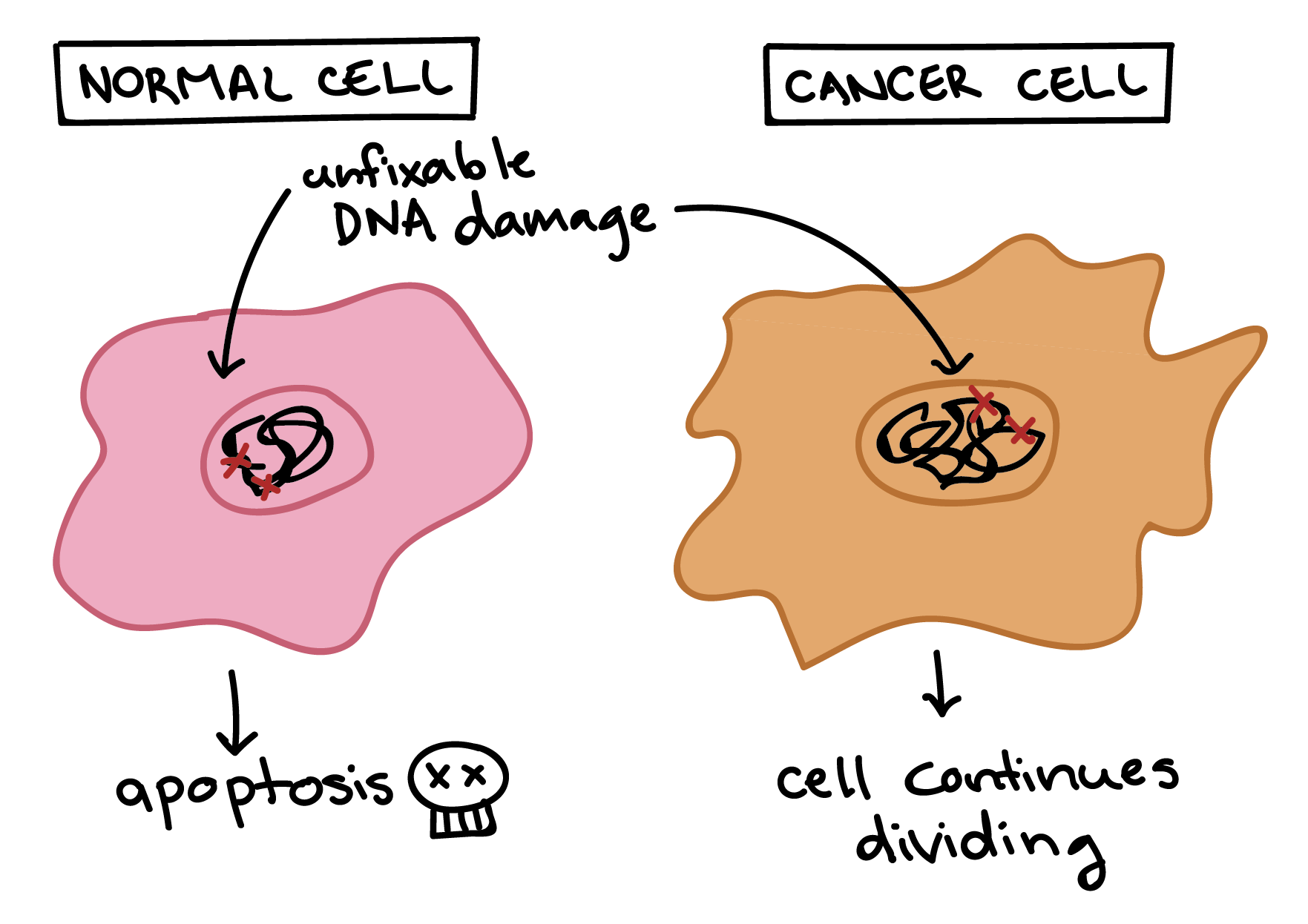
- Liquid Biopsies and ctDNA Analysis: Beyond inherited predispositions, cancers also acquire somatic mutations during a person’s lifetime. Liquid biopsies, which analyze circulating tumor DNA (ctDNA) shed by tumors into the bloodstream, represent a groundbreaking technological leap. This non-invasive method can detect the presence of cancer at very early stages, often before symptoms appear, and can also track treatment response and detect recurrence. The analysis of ctDNA allows us to identify specific mutations that may have been triggered by environmental carcinogens or cellular errors.
- AI-Powered Genomic Interpretation: The volume of genomic data is staggering. AI algorithms are crucial for sifting through this data, identifying statistically significant mutations, and predicting their functional impact. These tools can help oncologists pinpoint the specific genetic alterations driving a patient’s cancer, which can inform targeted therapies and provide insights into potential triggers.
Advanced Imaging Technologies for Early Intervention
Medical imaging has long been a cornerstone of cancer diagnosis. However, recent technological innovations are pushing the boundaries of what’s possible, enabling earlier and more precise detection of cancerous lesions.
- High-Resolution MRI and CT Scans: Continuous improvements in MRI and CT scanner technology have led to higher resolution images, allowing radiologists to detect smaller and more subtle abnormalities. Advanced imaging techniques like diffusion-weighted imaging (DWI) in MRI can provide information about the cellularity of tissue, helping to differentiate between benign and malignant lesions.
- AI-Assisted Radiology: AI is being integrated into radiology workflows to enhance the accuracy and efficiency of image interpretation. ML algorithms can be trained to identify suspicious patterns in mammograms, lung CT scans, or colonoscopies that might be missed by the human eye. This not only speeds up the diagnostic process but also reduces the risk of false negatives, which can delay critical treatment.
- Molecular Imaging: This cutting-edge field combines imaging techniques with molecular probes that target specific cancer cells or biomarkers. Positron Emission Tomography (PET) scans, for example, can use radiotracers that are preferentially taken up by metabolically active cancer cells. This allows for the visualization of cancer spread throughout the body and can identify tumors that are too small to be seen on conventional imaging. Future advancements aim to develop tracers that can detect early molecular changes indicative of cancer initiation, potentially revealing triggers at a cellular level.
Harnessing Digital Health and Wearable Technology for Cancer Prevention and Monitoring
The proliferation of digital health platforms and wearable devices offers unprecedented opportunities for proactive cancer prevention and continuous monitoring of individual health. These technologies empower individuals to take a more active role in their well-being and provide researchers with valuable real-world data.
Wearable Sensors and Lifestyle Tracking
Wearable devices, such as smartwatches and fitness trackers, are no longer just for counting steps. They are increasingly equipped with sensors capable of monitoring a range of physiological parameters that can be indirectly linked to cancer risk factors.
- Activity and Sleep Monitoring: Consistent physical activity is a known protective factor against several cancers. Wearables can track exercise intensity, duration, and consistency, encouraging healthier habits. Similarly, monitoring sleep patterns is crucial, as chronic sleep deprivation has been linked to increased cancer risk due to its impact on circadian rhythms and hormone regulation.
- Biometric Data and Stress Levels: Some advanced wearables can monitor heart rate variability, which can be an indicator of stress. Chronic stress can negatively impact the immune system, potentially creating an environment more conducive to cancer development. By providing insights into stress levels, these devices can encourage individuals to adopt stress-management techniques.
- Environmental Exposure Monitoring (Emerging): While still in early development, the concept of wearables that can passively monitor certain environmental exposures, such as UV radiation levels, is a promising avenue. This could provide individuals with real-time feedback and encourage protective behaviors.
Digital Health Platforms and Health Record Integration
Digital health platforms and the increasing digitization of health records are creating a more connected and data-rich healthcare ecosystem. This connectivity is vital for understanding the complex web of factors that contribute to cancer.
- Personalized Health Dashboards: Individuals can access their health data through personalized dashboards, often integrated with their electronic health records (EHRs). This allows them to track various health metrics, identify trends, and understand their personal risk factors for cancer, which can be influenced by a multitude of triggers.
- AI-Powered Health Coaching and Risk Prediction: AI algorithms can analyze the data from wearables, EHRs, and patient-reported outcomes to provide personalized health coaching and risk predictions. These platforms can offer tailored recommendations for lifestyle modifications, screenings, and early intervention strategies based on an individual’s unique profile and potential triggers.
- Remote Patient Monitoring: For individuals with a higher risk of cancer or those undergoing treatment, remote patient monitoring (RPM) systems utilize connected devices to track vital signs and symptoms from home. This allows healthcare providers to intervene quickly if concerning changes are detected, potentially catching recurrences or complications earlier, which can be influenced by underlying trigger factors.
Innovative Approaches to Understanding Environmental and Lifestyle Triggers
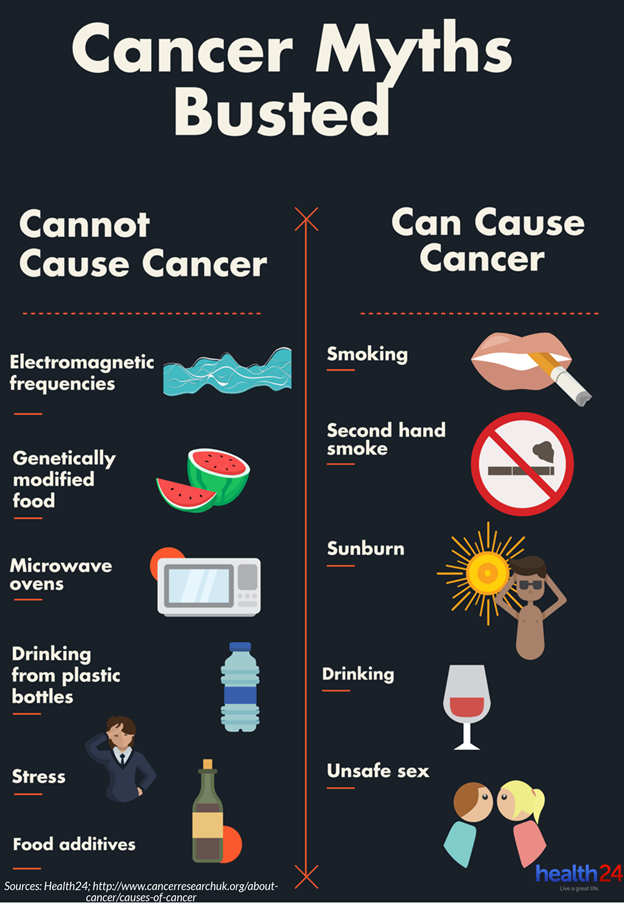
Beyond genetics, environmental exposures and lifestyle choices are significant contributors to cancer development. Technology is providing new ways to measure, monitor, and mitigate the impact of these triggers.
Exposure Science and Environmental Monitoring Technologies
Understanding the impact of environmental carcinogens requires sophisticated tools for measurement and analysis.
- Advanced Air and Water Quality Sensors: Technologies for monitoring air and water pollutants have become more sensitive and widespread. This allows for the identification of specific carcinogens in the environment, such as volatile organic compounds (VOCs) from industrial emissions or pesticides in agricultural runoff.
- Geospatial Analysis and Public Health Mapping: Combining environmental data with geospatial technologies allows researchers to map cancer clusters and identify potential links to specific environmental exposures in certain geographic areas. This can pinpoint regions with higher cancer incidence and investigate the underlying environmental triggers.
- Biomonitoring Technologies: Biomonitoring involves measuring the levels of specific chemicals or their metabolites in biological samples (e.g., blood, urine) to assess a person’s internal exposure to environmental toxins. Technological advancements have made these tests more comprehensive and accessible, helping to quantify individual exposure to potential cancer-triggering agents.
Digital Tools for Behavior Change and Risk Reduction
Motivating individuals to adopt healthier lifestyles and avoid carcinogen exposure is a significant challenge. Technology offers innovative solutions to facilitate behavior change.
- Gamification and Behavioral Economics Apps: Apps that use gamification principles, rewards, and behavioral economics strategies are proving effective in encouraging healthy habits like quitting smoking, adopting a balanced diet, or increasing physical activity – all crucial for mitigating cancer triggers.
- Virtual Reality (VR) and Augmented Reality (AR) for Education: VR and AR technologies offer immersive and engaging ways to educate individuals about the risks of specific carcinogens and the benefits of healthy behaviors. For example, VR simulations could demonstrate the long-term effects of smoking or the importance of sun protection.
- AI-Powered Personalized Health Interventions: AI can tailor health messages and interventions to individual preferences, motivations, and barriers. By understanding what drives a person’s behavior, AI can deliver more effective nudges and support to help them reduce their exposure to cancer triggers.
In conclusion, while the fundamental causes of cancer are biological, the technological advancements discussed above are profoundly reshaping our ability to understand, predict, and ultimately prevent the factors that trigger its development. From the microscopic level of genomic analysis to the macroscopic level of environmental monitoring, technology is empowering us with knowledge and tools to fight cancer on multiple fronts. The continued integration of AI, big data analytics, and innovative digital platforms holds immense promise for a future where cancer is increasingly detected early, prevented effectively, and managed with greater precision, all by better understanding its triggers.
aViewFromTheCave is a participant in the Amazon Services LLC Associates Program, an affiliate advertising program designed to provide a means for sites to earn advertising fees by advertising and linking to Amazon.com. Amazon, the Amazon logo, AmazonSupply, and the AmazonSupply logo are trademarks of Amazon.com, Inc. or its affiliates. As an Amazon Associate we earn affiliate commissions from qualifying purchases.