
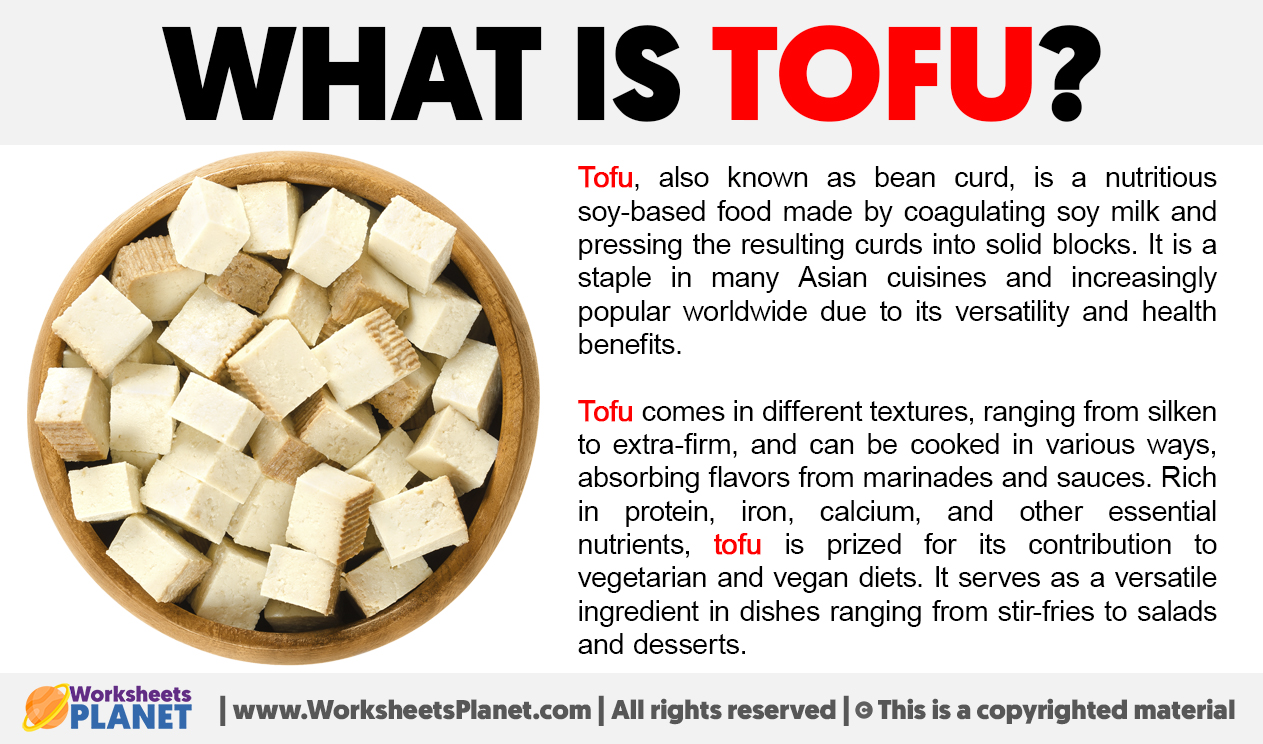
The seemingly simple soybean curd, tofu, has undergone a remarkable technological evolution, transforming from a humble foodstuff into a versatile ingredient with significant implications across various sectors, including food processing, material science, and even biotechnology. While its culinary applications are well-known, the underlying technological advancements that enable its production, refinement, and novel uses are often overlooked. This exploration delves into the technological landscape surrounding tofu, uncovering the innovations that drive its widespread adoption and future potential.
The Technological Genesis of Tofu Production
The journey of tofu from soybean to finished product is a testament to sophisticated food processing technologies. While the basic principles of coagulating soy milk have been practiced for centuries, modern industrial production employs advanced techniques to ensure efficiency, consistency, quality, and scalability.
From Bean to Milk: Advanced Extraction and Filtration
The initial step in tofu production involves extracting protein and other soluble solids from soybeans to create soy milk. This process, though seemingly straightforward, is optimized through several technological interventions.
Precision Grinding and Dehulling Technologies
Historically, soybeans were ground with stones. Today, high-speed industrial grinders, often employing hammer mills or disc refiners, are used to efficiently break down the soybean cotyledons. Advanced dehulling technologies, which remove the soybean’s outer skin before grinding, are crucial. This process not only improves the efficiency of protein extraction but also reduces the undesirable “beany” flavor associated with the hull. Ultrasonic cavitation and mechanical abrasive methods are increasingly being explored for more efficient and less damaging dehulling.
Optimized Hydration and Soaking Parameters
The soaking of soybeans is a critical step that rehydrates the beans and facilitates grinding. Modern factories utilize automated soaking systems that precisely control water temperature, soaking time, and water-to-bean ratios. This precision ensures uniform rehydration, leading to consistent soy milk quality and preventing over-soaking, which can lead to nutrient loss or off-flavors. Advanced sensors monitor water quality and bean integrity throughout this phase.
Advanced Heat Treatment and Separation
Once ground, the soybean slurry is heated to denature anti-nutritional factors (like trypsin inhibitors) and to improve protein solubility. This heating process is carefully controlled using technologies like scraped surface heat exchangers or plate heat exchangers, allowing for rapid and uniform heating without scorching. Following heating, the slurry is filtered to separate the soy milk from the okara (soybean pulp). This separation is achieved using high-efficiency decanter centrifuges or automated filter presses. The efficiency of this separation directly impacts the yield and quality of the soy milk.
The Science of Coagulation: Precision and Control
The transformation of liquid soy milk into solid tofu hinges on the coagulation process, a sophisticated interplay of chemistry and engineering. The choice of coagulant and the precise control of reaction conditions are paramount.
Sophisticated Coagulant Delivery Systems
Traditional coagulants like nigari (magnesium chloride) or gypsum (calcium sulfate) are still widely used. However, modern production employs highly accurate dosing systems that ensure the precise introduction of coagulants into the heated soy milk. This controlled addition is crucial for achieving the desired curd structure and texture. For instance, advanced peristaltic pumps or gravimetric feeders deliver exact amounts of coagulant to specific points in the mixing tank.
Temperature and pH Monitoring and Control
The coagulation reaction is highly sensitive to temperature and pH. Industrial tofu production utilizes real-time sensors to monitor these parameters continuously. Automated heating and cooling systems maintain the optimal temperature range, while controlled additions of acid or alkali can fine-tune the pH. This precise control prevents premature or incomplete coagulation, ensuring consistent texture, whether it’s silken, firm, or extra-firm tofu.
Agitation and Curd Formation Engineering
The way the soy milk is agitated during and after coagulant addition significantly influences the size and uniformity of the curds, and subsequently, the final tofu texture. While gentle stirring is required, overly aggressive agitation can break the curds down too much, leading to a less desirable texture. Advanced mixing technologies, including specific impeller designs and programmed agitation cycles, are employed to achieve the ideal curd structure.
Post-Coagulation Processing: Shaping and Preservation
After coagulation, the curds are pressed and processed to achieve the final product form and enhance shelf life.
Automated Pressing and Draining Technologies
Traditional tofu making involves pressing the curds by hand. Modern production lines utilize automated hydraulic presses or vacuum presses that apply consistent and controlled pressure. This ensures efficient water removal, leading to a denser and firmer tofu. The duration and intensity of pressing are precisely calibrated based on the desired tofu firmness.
Advanced Packaging and Preservation Techniques
The packaging of tofu is critical for maintaining freshness and extending shelf life. Technologies like modified atmosphere packaging (MAP) are commonly used, where the air inside the package is replaced with a specific mixture of gases (e.g., nitrogen and carbon dioxide) to inhibit spoilage. High-pressure processing (HPP) is another innovative preservation technique being explored for tofu, which uses high hydrostatic pressure to inactivate microorganisms without the need for heat, thus preserving the delicate texture and nutritional profile. Vacuum sealing and induction sealing further enhance product integrity and safety.
Beyond the Plate: Technological Innovations in Tofu Applications
The technological advancements in tofu production have not only improved its culinary appeal but have also opened doors to innovative applications beyond traditional food uses, particularly in the realm of biomaterials and sustainable technologies.
Tofu as a Sustainable Biomaterial: Emerging Applications

The inherent properties of soy protein, the primary component of tofu, make it an attractive candidate for developing biodegradable and sustainable materials, driven by advancements in material science and bioengineering.
Biodegradable Plastics and Films
Researchers are leveraging the protein matrix of tofu to create biodegradable plastics and films. Through chemical modifications and the incorporation of other natural polymers, soy protein can be engineered to exhibit desirable mechanical properties, such as flexibility and tensile strength. These soy-based bioplastics offer a sustainable alternative to petroleum-based plastics for packaging, disposable cutlery, and other applications. Nanotechnology plays a role here, with researchers exploring the use of nanocellulose or other nanoparticles to reinforce the protein matrix and enhance material performance.
Edible Coatings and Encapsulation
The ability of soy protein to form films and gels makes it suitable for creating edible coatings for food products. These coatings can act as barriers to moisture, oxygen, and microbial contamination, extending the shelf life of fruits, vegetables, and processed foods. Furthermore, tofu’s protein structure is being explored for the encapsulation of sensitive ingredients, such as probiotics or flavor compounds. Encapsulation protects these ingredients during processing and storage, ensuring their stability and controlled release. Techniques like electrospinning and coacervation are being investigated to create highly effective protein-based encapsulation systems.
Bio-based Adhesives and Composites
The adhesive properties of modified soy proteins are being harnessed to develop eco-friendly adhesives for wood products and composite materials. These bio-adhesives can replace formaldehyde-based glues, reducing indoor air pollution and environmental impact. By blending soy protein with natural fibers or other biodegradable materials, researchers are also creating sustainable composite materials for applications in construction, automotive interiors, and consumer goods.
Biotechnology and Tofu: Enhancing Nutritional Value and Functionality
Biotechnology is playing an increasingly important role in unlocking the full potential of tofu, from enhancing its nutritional profile to developing novel functional ingredients.
Fermentation Technologies for Improved Digestibility and Flavor
Fermentation, a well-established biotechnological process, is being applied to tofu to enhance its digestibility and create unique flavor profiles. Techniques like solid-state fermentation (SSF) and submerged fermentation (SmF) are used to cultivate beneficial microorganisms on tofu. This process can break down complex proteins into more easily digestible peptides and amino acids, and it also generates a range of flavor compounds, leading to products like fermented tofu with enhanced umami notes. Genetic engineering of the fermenting microorganisms can further tailor the flavor and nutritional outcomes.
Enzymatic Modification for Tailored Functionality
Enzymatic hydrolysis is a powerful biotechnological tool used to break down soy proteins into smaller peptides with specific functional properties. For instance, proteases can be used to generate peptides with enhanced emulsifying, foaming, or gelling capabilities, making them suitable for use in a wider range of food applications. This controlled enzymatic modification allows for the customization of tofu-derived ingredients to meet specific product development needs, from improving texture in dairy alternatives to enhancing nutrient delivery in functional foods.
Probiotic-Enriched Tofu and Nutraceutical Applications
The inherent ability of tofu to act as a carrier for other ingredients is being explored in the development of probiotic-enriched tofu. By inoculating tofu during its production or post-production with specific strains of beneficial bacteria, it can be transformed into a functional food product delivering live probiotics. This fusion of traditional food processing with modern biotechnology offers a convenient and accessible way to incorporate probiotics into the diet, contributing to gut health and overall well-being. Research is also ongoing to extract and concentrate specific bioactive compounds from soybeans, which can then be incorporated into tofu or tofu-derived products to impart nutraceutical benefits.
The Future of Tofu: A Technological Frontier
The ongoing evolution of tofu is intrinsically linked to technological innovation. As research and development in food science, material science, and biotechnology continue to advance, the applications and production of tofu are poised for further transformation.
Smart Manufacturing and AI in Tofu Production
The integration of smart manufacturing principles and artificial intelligence (AI) is set to revolutionize tofu production.
Predictive Analytics for Quality Control
AI algorithms can analyze vast datasets from production processes, including sensor readings for temperature, pH, and ingredient composition. This allows for predictive analytics to identify potential quality issues before they arise, enabling proactive adjustments and minimizing waste. Machine learning models can predict the optimal parameters for coagulation and pressing based on historical data, ensuring consistent product quality.
Robotic Automation and Process Optimization
Robotic systems are increasingly being employed in various stages of tofu production, from automated bean washing and grinding to precise packaging. This automation not only enhances efficiency and reduces labor costs but also improves hygiene and consistency. AI-powered optimization software can further refine these automated processes, identifying the most efficient sequences and resource allocation for maximum output and minimal energy consumption.
Novel Ingredient Development and Culinary Innovation
Technological advancements will continue to drive the creation of new tofu-based ingredients and inspire novel culinary applications.
Textural Engineering and Flavor Mimicry
Future technologies will enable even greater control over the textural properties of tofu, allowing for the creation of ingredients that can mimic the mouthfeel of meats, cheeses, and other animal-based products with uncanny accuracy. Advanced flavoring technologies, including the use of natural flavor compounds derived from biotechnology and sophisticated flavor encapsulation, will further enhance the sensory experience of plant-based alternatives.

Personalized Nutrition and Functional Foods
The growing demand for personalized nutrition will see tofu playing a more significant role. Technologies enabling the precise fortification of tofu with specific vitamins, minerals, and functional ingredients tailored to individual dietary needs will become more commonplace. This could lead to a new generation of functional foods, with tofu serving as a versatile and customizable base for targeted health benefits.
In conclusion, tofu, far from being a static food product, is at the forefront of technological innovation. From the precision engineering of its production to its emergence as a sustainable biomaterial and a vehicle for advanced biotechnology, tofu’s journey is a compelling narrative of how science and technology are reshaping our food systems and material landscapes. The future promises even more exciting developments, solidifying tofu’s position not just as a culinary staple, but as a key player in the technological advancements of the 21st century.
aViewFromTheCave is a participant in the Amazon Services LLC Associates Program, an affiliate advertising program designed to provide a means for sites to earn advertising fees by advertising and linking to Amazon.com. Amazon, the Amazon logo, AmazonSupply, and the AmazonSupply logo are trademarks of Amazon.com, Inc. or its affiliates. As an Amazon Associate we earn affiliate commissions from qualifying purchases.