
The Twilight Saga, a cultural phenomenon that captivated millions, isn’t just a series of films; it’s a carefully constructed narrative arc that unfolds across five distinct cinematic installments. Understanding the chronological order of these movies is crucial for appreciating the evolution of its central love triangle, the deepening supernatural conflicts, and the ultimate resolution of Bella Swan’s journey. Beyond mere memorization, examining the sequence allows for a richer engagement with the thematic progression, character development, and the underlying lore of Stephenie Meyer’s bestselling novels. This exploration delves into the precise order of the Twilight films, analyzing how each installment builds upon the last to create a cohesive and compelling saga.

The Foundational Chapters: Introducing Bella and the Cullen Family
The journey begins with the introduction of Isabella “Bella” Swan, a seemingly ordinary teenager whose life takes an extraordinary turn upon moving to the perpetually overcast town of Forks, Washington. The initial films in the saga meticulously lay the groundwork for the complex relationships and supernatural world that will define the series.
Twilight (2008): The Inciting Incident and Forbidden Attraction
-
Arrival in Forks and the Unforeseen Connection: Twilight, the inaugural film, sets the stage by introducing Bella Swan, a character who feels perpetually out of place. Her relocation to Forks, dictated by her parents’ divorce, is the catalyst for her fateful encounter with Edward Cullen. Edward, an enigmatic and impossibly alluring classmate, immediately intrigues and unnerves Bella. This initial spark, fueled by an undeniable chemistry, forms the bedrock of the entire saga. The film masterfully portrays Bella’s initial confusion and growing obsession with Edward, hinting at the secrets he harbors.
-
The Revelation of the Supernatural: The central conflict of Twilight is unveiled as Bella gradually discovers Edward’s true nature: he is a vampire. This revelation is not merely a plot twist but the primary driver of the narrative’s inherent tension. The “forbidden love” trope, amplified by the inherent danger Edward’s existence poses to Bella, is the emotional core of the first film. The film also introduces the concept of the Cullen family’s unique “vegetarian” lifestyle – feeding on animal blood rather than human – which sets them apart from more sinister vampire covens.
-
Emergence of the Antagonist and First Threats: While the romance between Bella and Edward is paramount, Twilight also introduces the first tangible threat to their nascent relationship and Bella’s life. James, a tracker vampire, becomes fixated on Bella, seeing her as the ultimate hunt. This predatory pursuit forces Edward and his family to protect Bella, demonstrating the formidable power of the Cullen coven and the existential dangers inherent in their world. The climax of the film, a harrowing chase and confrontation with James, solidifies Bella’s place within the supernatural conflict and her bond with Edward.
New Moon (2009): Separation, Despair, and a Shifting Alliance
Following the intense events of the first film, New Moon delves into the emotional aftermath and introduces new dynamics that significantly alter the trajectory of the saga. This installment is characterized by Bella’s profound heartbreak and the introduction of a pivotal new character who challenges the established order.
-
The Painful Departure and Bella’s Existential Crisis: The most impactful event in New Moon is Edward’s abrupt departure. Believing he is a danger to Bella, he and his family leave Forks, plunging Bella into a deep, debilitating depression. This period of anguish is crucial for her character development, forcing her to confront her dependence on Edward and her own resilience. The film effectively portrays the void left by his absence, highlighting the extent to which her identity had become intertwined with his.
-
The Rise of Jacob Black and the Quileute Pack: In Edward’s absence, Bella finds solace and companionship in Jacob Black, a childhood friend and a member of the Quileute tribe. New Moon marks the significant emergence of Jacob and the werewolf mythology into the forefront of the saga. The film explores the ancient rivalry between vampires and werewolves, and Jacob’s transformation into a supernatural being himself creates a new, complex dynamic for Bella. Her budding connection with Jacob offers a different kind of emotional support, one rooted in shared humanity and protection from immediate threats.
-
The Volturi’s Introduction and the Threat of Exposure: The Volturi, the ancient and powerful governing body of the vampire world, make their first significant appearance in New Moon. Their intervention is triggered by a misunderstanding – Alice Cullen’s vision of Bella’s death leads Edward to seek out the Volturi for his own end. This storyline introduces the concept of vampire law and order, and the dire consequences of breaking their rules. The Volturi’s immense power and their unwavering commitment to maintaining the secrecy of the vampire world establish them as a formidable, overarching antagonist for the remainder of the saga.
Escalating Conflicts and Deepening Bonds: The Middle Installments
As the narrative progresses, the stakes are raised, and the relationships within the Twilight universe become more intricate. The subsequent films focus on the enduring love between Bella and Edward, the evolving threat of external forces, and the growing power dynamics within the supernatural communities.
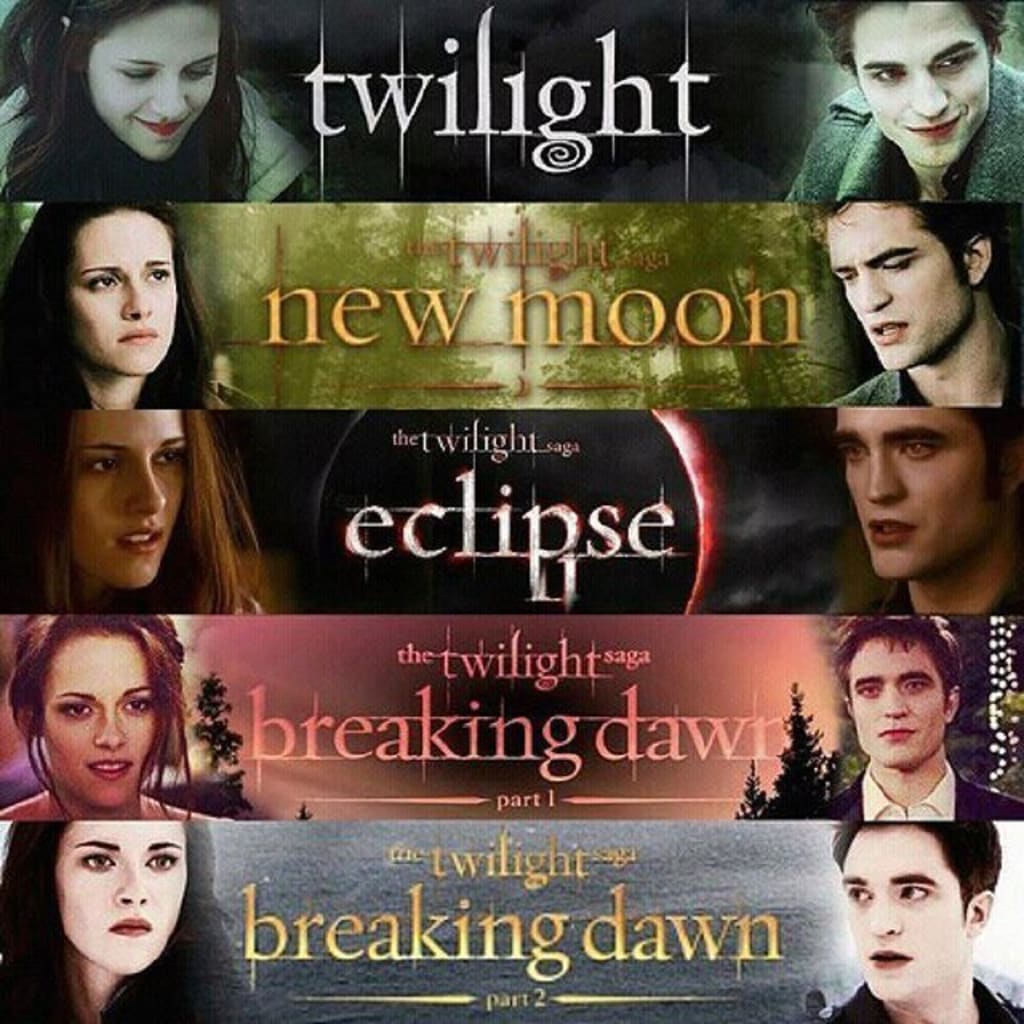
Eclipse (2010): Love Triangles, Ancient Feuds, and a United Front
-
The Intensified Love Triangle: Eclipse is perhaps the most overt exploration of the love triangle between Bella, Edward, and Jacob. The emotional turmoil of Bella’s indecision is amplified as both Edward and Jacob vie for her heart and her future. The film adeptly portrays the complexities of her feelings, showcasing the genuine affection and unique connections she shares with both supernatural beings. This installment forces Bella to confront her true desires and make a choice that will have profound implications.
-
The Birth of the Vampire-Werewolf Alliance: The primary antagonist in Eclipse is Victoria, James’s vengeful mate, who seeks to destroy Bella in retaliation for James’s death. Victoria assembles an army of newborn vampires to attack Forks, creating a threat so significant that it forces an unprecedented alliance between the Cullen family and the Quileute werewolf pack. This alliance, born out of mutual necessity and a shared desire to protect Bella, signifies a significant shift in the established rivalries, highlighting the power of common enemies to forge unexpected bonds.
-
Bella’s Growing Strength and Moral Dilemmas: Throughout Eclipse, Bella begins to demonstrate a nascent strength and agency that transcends her previous dependence. She actively participates in the strategic planning and displays a remarkable courage in the face of imminent danger. The film also subtly explores the moral implications of Bella’s choices and the sacrifices she is willing to make for love, setting the stage for her ultimate transformation.
Breaking Dawn – Part 1 (2011): Marriage, Motherhood, and Mortal Peril
The penultimate film in the saga marks a significant turning point, focusing on Bella and Edward’s transition into a new phase of their existence and the extraordinary circumstances that arise from it. Breaking Dawn – Part 1 is characterized by profound personal milestones and a life-threatening ordeal.
-
The Wedding and the Vow: Breaking Dawn – Part 1 begins with the long-awaited wedding of Bella Swan and Edward Cullen. This event is a culmination of years of yearning and challenges, signifying the sealing of their union and Bella’s commitment to becoming a vampire. The film captures the fairy-tale romance while also foreshadowing the intense transformations that lie ahead.
-
The Unforeseen Pregnancy and the “Impossible” Child: The most shocking and central development of Breaking Dawn – Part 1 is Bella’s rapid and dangerous pregnancy. Carrying a half-human, half-vampire child, Bella’s body begins to deteriorate at an alarming rate, posing a grave threat to both her life and the life of her unborn offspring. This plot point introduces an entirely new dimension of conflict, as the existence of such a hybrid creature is unprecedented and deeply unsettling to many within the supernatural world.
-
The Battle for Survival and the Birth of Renesmee: The latter half of Breaking Dawn – Part 1 chronicles Bella’s agonizing struggle to survive childbirth. The half-vampire child, Renesmee, is born incredibly strong and vital, but Bella is left critically wounded. In a desperate act of love and preservation, Edward uses his venom to transform Bella into a vampire, saving her life but irrevocably changing her existence. The birth of Renesmee and Bella’s transformation mark a profound shift, initiating her journey into the immortal world.
The Ultimate Climax and Legacy: The Final Chapter
The saga culminates in a visually stunning and emotionally charged finale, bringing together all the threads of the narrative and resolving the overarching conflicts that have defined the Twilight universe.

Breaking Dawn – Part 2 (2012): The Legacy of Renesmee and the Confrontation with the Volturi
-
Renesmee’s Accelerated Growth and the Misunderstanding: Breaking Dawn – Part 2 picks up shortly after Bella’s transformation. Renesmee, the hybrid daughter of Bella and Edward, exhibits extraordinary abilities and an accelerated growth rate, developing physically and intellectually at an astonishing pace. Her unique nature, however, becomes the catalyst for the saga’s ultimate confrontation. Irina, a vampire from another coven, witnesses Renesmee and mistakenly believes she is an immortal child, a forbidden creation that is punishable by death by the Volturi.
-
Gathering Witnesses and the Gathering Storm: In response to Irina’s accusation and the looming threat of the Volturi’s arrival, the Cullen family embarks on a crucial mission: to gather witnesses from across the globe. These witnesses, vampires with unique gifts and a deep understanding of vampire law, are essential to testify that Renesmee is not an immortal child but a unique hybrid, thereby dispelling the Volturi’s misunderstanding and preventing a devastating war. This segment of the film showcases the diverse supernatural communities and the complexities of vampire society.
-
The Confrontation and the Resolution: The climax of Breaking Dawn – Part 2 features the dramatic showdown between the Cullen family, their gathered witnesses, and the formidable Volturi. The tension is palpable as the two powerful factions face off, with the fate of Renesmee and the vampire world hanging in the balance. Through a series of strategic maneuvers and ultimately, a revelation of the future that Alice Cullen has foreseen, the Volturi are convinced of the truth. The film concludes with a sense of peace and resolution, celebrating Bella’s full integration into the vampire world as a powerful protector, and the enduring love that has permeated the entire saga. The ending solidifies the idea that their family, and their love, has triumphed over all obstacles.