
The upcoming election in Texas presents a crucial opportunity for citizens to exercise their civic duty and shape the future of their communities and the state. For many, the first step in this process is understanding what will actually appear on their personalized ballot. In today’s increasingly digital world, accessing this vital information has become more streamlined than ever, leveraging a range of technological tools and resources. This article will delve into how Texans can effectively utilize technology to demystify their ballots, ensuring they are informed voters ready to make their voices heard. We’ll explore the official digital resources available, the role of data and analytics in understanding candidates and issues, and how to protect your digital footprint throughout the election process.

Leveraging Official Digital Resources for Ballot Information
The Texas Secretary of State’s office, along with county election officials, serves as the primary custodian of ballot information. Fortunately, they have invested significantly in digital platforms to make this information accessible to all registered voters. These online resources are designed to be user-friendly and comprehensive, empowering Texans to quickly and accurately identify the specific choices they will face at the polls.
The Texas Voter Portal: Your Centralized Hub
The most direct and reliable way to determine what’s on your ballot is through the Texas Secretary of State’s official “My Texas Ballot” portal, accessible via their website. This digital gateway is specifically designed to provide voters with personalized ballot information based on their registered address.
Accessing Your Personalized Ballot Preview
Upon visiting the portal, voters are typically prompted to enter their voter registration information, such as their county and name, or their voter Unique Identifier (VUID). Once authenticated, the system will generate a preview of their specific ballot. This preview will list all the candidates running for local, state, and federal offices that are relevant to their precinct. It will also include any ballot propositions or constitutional amendments that voters will have the opportunity to vote on. This functionality is a testament to how technology has democratized access to crucial election data, moving beyond static lists and providing a tailored experience.
Understanding Sample Ballots and Their Importance
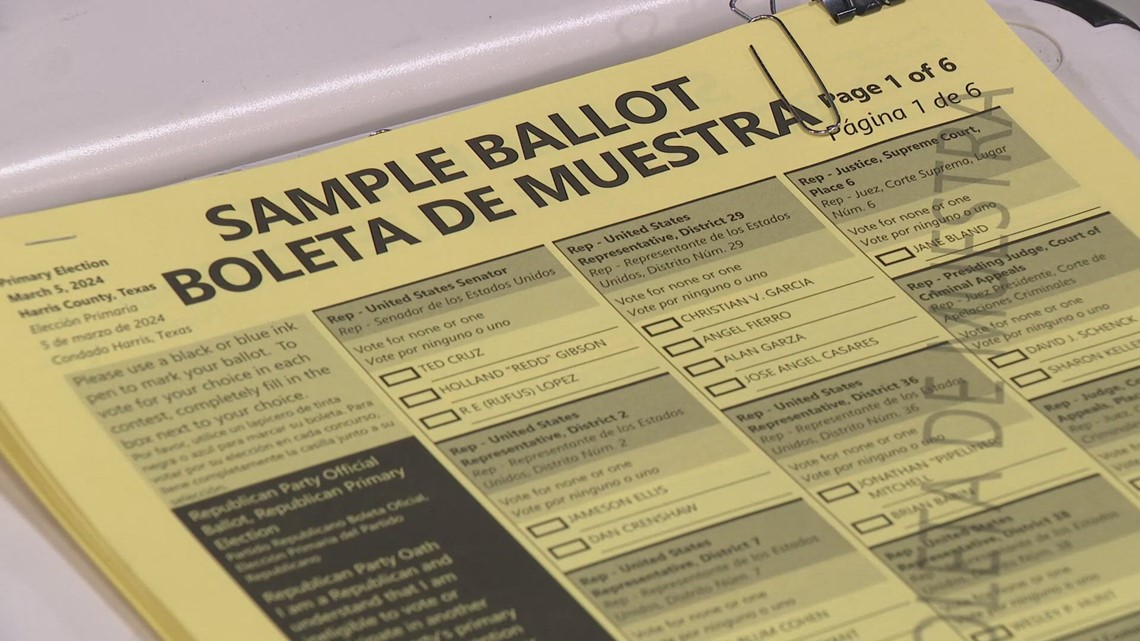
Beyond the personalized preview, the portal often provides access to sample ballots. These are generic versions of what voters in a particular precinct might see, useful for those who want to familiarize themselves with the ballot layout and the types of races that will be contested. Sample ballots are invaluable tools for preparation. They allow voters to conduct research on candidates and issues before they enter the voting booth, fostering a more deliberate and informed decision-making process. In essence, these digital sample ballots act as a pre-election study guide, a significant improvement from the days when voters relied solely on printed materials or word-of-mouth.
County Election Websites: Localized and Detailed Information
While the state portal offers a broad overview, individual county election websites often provide even more granular and localized information. These websites are critical for understanding races that are specific to a particular city, school district, or county commissioner precinct.
Navigating County-Specific Races and Propositions
Each of the 254 counties in Texas has its own election authority, and most maintain a website with election-related information. These sites frequently feature detailed breakdowns of local races, including information on city council positions, school board members, judicial appointments, and local bond initiatives. For voters deeply invested in local governance, these county websites are indispensable resources. They often provide direct links to candidate campaign finance reports, official candidate statements, and information on local ballot measures, offering a depth of understanding that can be difficult to find elsewhere.
Utilizing Interactive Polling Place Finders and Early Voting Information
Beyond ballot content, county election websites are crucial for logistical information. Most will feature interactive polling place finders, allowing voters to confirm their assigned polling location based on their address. They also provide up-to-date details on early voting dates, times, and locations, which are increasingly popular options for voters seeking flexibility. Some counties even offer digital maps and directions to polling sites, further leveraging technology to remove barriers to participation.
The Role of Data and Analytics in Informed Voting
In the digital age, the availability of data extends far beyond simply knowing who is on the ballot. A wealth of information exists about candidates, their platforms, their voting records, and their campaign finances. Advanced data analysis tools and platforms are emerging that help voters sift through this information and make more informed decisions.
Candidate Research Platforms and Fact-Checking Tools
A growing number of non-partisan organizations and news outlets are developing digital platforms dedicated to candidate research. These platforms often aggregate information from various sources, including official campaign websites, voting records, news articles, and public statements.
Aggregating Candidate Profiles and Voting Records
These tools can provide voters with a comprehensive overview of each candidate’s background, policy positions, and past performance. For incumbent officials, detailed voting records are often available, allowing voters to see how a candidate has acted on key issues. This data-driven approach to candidate evaluation empowers voters to move beyond soundbites and assess a candidate’s actual legislative or executive actions. The ability to compare multiple candidates side-by-side on specific issues is a powerful feature made possible by sophisticated data aggregation and presentation techniques.

Utilizing Fact-Checking Resources to Combat Misinformation
In any election cycle, misinformation can spread rapidly, particularly through social media. Digital fact-checking organizations play a vital role in verifying claims made by candidates and campaigns. Many of these fact-checking resources are accessible through dedicated websites and apps, allowing voters to quickly check the accuracy of information they encounter. Integrating these fact-checking tools into one’s research process is an essential step in ensuring that voting decisions are based on verified facts rather than unfounded assertions. This is particularly important in Texas, a large and diverse state where narratives can easily become distorted.
Analyzing Ballot Propositions and Constitutional Amendments
Ballot propositions and constitutional amendments can be complex, often dealing with intricate policy matters. Digital resources can help break down these issues into understandable terms and provide voters with the information needed to make a decision.
Decoding the Language and Impact of Propositions
Many non-profit organizations and news outlets create plain-language guides and analyses of ballot propositions. These resources often explain the potential impact of a proposition on various aspects of state or local life, such as taxes, education, or environmental policy. By presenting this information in an accessible digital format, voters can better grasp the implications of their vote on these often-technical matters. Understanding the nuanced legal and financial ramifications of amendments can be significantly aided by digital summaries and expert analyses.
Accessing Data-Driven Projections and Impact Studies
For major propositions, research groups may conduct data-driven studies to project the potential consequences of their passage or failure. These studies, often published online, can offer valuable insights into the economic, social, or environmental effects of a particular vote. While voters should always critically evaluate any study, access to this type of analytical output, facilitated by digital dissemination, provides a deeper level of understanding beyond simple descriptions.
Ensuring Digital Security and Privacy on Election Day and Beyond
As Texans increasingly rely on digital tools to research their ballots and participate in the electoral process, it’s paramount to consider the security and privacy implications. Protecting personal information and ensuring the integrity of the voting process in the digital realm are critical concerns.
Protecting Your Personal Information Online
When accessing voter portals or researching candidates, you are often sharing personal information. Implementing basic digital security practices is essential to safeguard this data.
Secure Browsing Habits and Strong Passwords
Using secure, encrypted connections (HTTPS) when accessing government websites is a fundamental security measure. Additionally, employing strong, unique passwords for any online accounts related to voter registration or information access can prevent unauthorized access. Two-factor authentication, where available, adds an extra layer of security. Educating oneself on phishing scams and recognizing suspicious links or requests for personal information is also crucial.
Understanding Data Privacy Policies of Election Websites
While official government election websites are generally secure and have robust privacy policies, it’s wise to be aware of how your data is being used. Understanding these policies can provide peace of mind and ensure that your personal information is handled responsibly. For third-party research platforms, it’s even more important to review their privacy statements before sharing any sensitive details.
Maintaining Digital Integrity Throughout the Election Cycle
The digital landscape extends to how votes are cast and counted. While Texas largely utilizes paper ballots and optical scanners, the systems that manage voter registration, ballot creation, and election results all have digital components.
The Security of Online Voter Registration Systems
Texas offers online voter registration, a convenient service that leverages technology to make registration easier. These systems are designed with security protocols to protect the integrity of voter data. However, staying informed about the security measures in place and reporting any suspected vulnerabilities is part of civic responsibility in the digital age.
Verifying Election Results and Understanding Digital Audits
In the aftermath of an election, digital tools can also be used to verify results. Many jurisdictions provide public access to election data and, in some cases, facilitate post-election audits. Understanding the technologies used in vote tabulation and the processes for ensuring accuracy and security, such as logic and accuracy testing of voting machines, helps build confidence in the democratic process. While discussions around election security can be complex, leveraging technological understanding to engage with these topics is more important than ever.
By embracing the digital tools available and remaining vigilant about online security, Texas voters can navigate the complexities of their ballots with confidence. From the official portals that provide personalized ballot previews to the data analytics platforms that illuminate candidate platforms, technology is transforming how we engage with our democracy. As election day approaches, informed voters are empowered voters, and in Texas, the digital realm offers an unprecedented pathway to that empowerment.
aViewFromTheCave is a participant in the Amazon Services LLC Associates Program, an affiliate advertising program designed to provide a means for sites to earn advertising fees by advertising and linking to Amazon.com. Amazon, the Amazon logo, AmazonSupply, and the AmazonSupply logo are trademarks of Amazon.com, Inc. or its affiliates. As an Amazon Associate we earn affiliate commissions from qualifying purchases.