
In the landscape of modern personal finance, the quest for value often leads consumers to the towering shelves of warehouse clubs. Among these, Costco Wholesale stands as the industry titan, commanding a loyal following that treats its membership card with the same reverence as a high-yield investment account. However, for the financially conscious individual, the question “how much is a Costco membership?” is rarely just about the sticker price. It is a question of return on investment (ROI), cash flow management, and the strategic optimization of household or business expenditures.

As of September 2024, Costco implemented its first membership fee increase in seven years. This shift has prompted many to re-evaluate their participation in the club. To determine if the membership fee—ranging from $65 to $130 annually—is a sound financial decision, one must look beyond the initial transaction and analyze the underlying mechanics of warehouse shopping.
Understanding the Membership Tiers: Breaking Down the Initial Investment
Before calculating the potential savings, it is essential to understand the capital requirements of joining the club. Costco offers three distinct membership tiers, each tailored to different financial profiles and spending habits.
Gold Star Membership: The Entry-Level Retail Asset
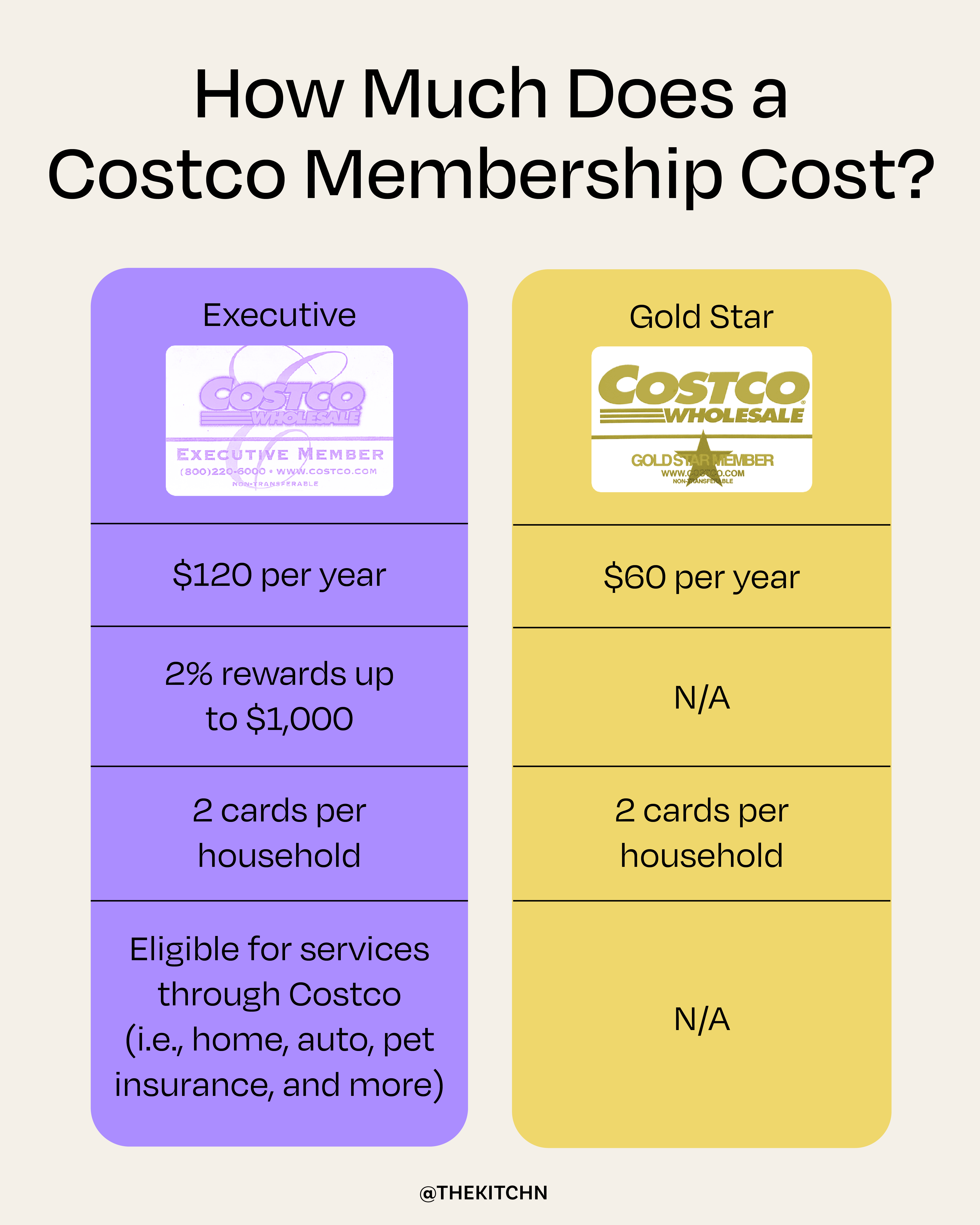
The Gold Star Membership is the standard entry point for individuals and households. Following the 2024 price adjustment, this tier costs $65 per year. For this fee, members receive two cards (for two people living at the same address) and access to all Costco locations worldwide. From a personal finance perspective, this is a “fixed cost” that must be recouped through savings on groceries, household essentials, and services. If a household saves just $5.50 per month compared to traditional grocery store prices, the membership has paid for itself.
Executive Membership: The 2% Reward Strategy
For those looking to turn their spending into a passive income stream, the Executive Membership is the premium option, now priced at $130 per year. The $65 surcharge over the Gold Star level buys the member a 2% annual reward (up to $1,000) on qualified Costco purchases.
The “break-even” math for the Executive upgrade is a classic exercise in financial planning. To recoup the additional $65 cost of the upgrade through the 2% reward, a member must spend at least $3,250 annually at Costco—approximately $271 per month. For families who utilize Costco for high-ticket items like electronics, appliances, or even the Costco Travel platform, the Executive Membership often yields a check at the end of the year that far exceeds the cost of the membership itself.
Business Membership: Scaling Your Savings
The Business Membership mirrors the Gold Star pricing at $65, but it is designed for business owners who wish to purchase products for resale or commercial use. The primary financial advantage here is the ability to add additional “affiliate” members for a discounted rate and the potential for tax-deductible membership fees (consult with a tax professional regarding your specific jurisdiction). For the small business owner, this membership serves as a procurement tool that lowers the Cost of Goods Sold (COGS).
The ROI of a Membership: Calculating the Breakeven Point
In personal finance, an expense is only justified if it provides a tangible benefit that outweighs its cost. The value proposition of Costco is built on several pillars that directly impact a member’s net worth over time.
Fuel Savings and the Kirkland Signature Advantage
For many members, the cost of the membership is recovered at the pump. Costco’s gasoline is consistently priced significantly lower than traditional fuel stations—often by $0.10 to $0.30 per gallon. For a driver who fills up a 15-gallon tank once a week, a $0.20 savings per gallon equates to $156 in annual savings, effectively paying for a Gold Star membership twice over.
Furthermore, the “Kirkland Signature” private label is a masterclass in brand-driven savings. Costco mandates that its private label goods must be of equal or higher quality than national brands while being priced at least 20% lower. For a household that prioritizes high-quality pantry staples, switching from national brands to Kirkland can result in hundreds of dollars in annual savings without a lifestyle downgrade.

Bulk Purchasing as an Inflation Hedge
One of the most sophisticated financial arguments for a Costco membership is its role as a hedge against inflation. By purchasing non-perishable goods (toilet paper, laundry detergent, canned goods) in bulk, consumers lock in current prices for products they know they will need in the future. In an inflationary environment, the “cost per unit” advantage of bulk buying protects the household’s purchasing power. However, this requires a disciplined approach to inventory management to ensure that “pantry loading” does not lead to waste.
Evaluating High-Ticket Ancillary Services
The true financial “alpha” of a Costco membership often lies in its ancillary services. Costco’s Optical, Pharmacy, and Tire centers operate on thin margins to provide value to members. For example, a set of four tires at Costco often includes a lifetime of rotations and road hazard warranties that would cost significantly more at a dealership. Similarly, Costco Travel—offering vacation packages, rental cars, and cruises—frequently provides member-exclusive pricing and “Costco Shop Cards” (rebates) that can save a traveler thousands of dollars on a single trip.
Strategic Shopping: Leveraging Costco for Personal and Business Finance
While the potential for savings is high, a Costco membership requires a strategic mindset to avoid common financial pitfalls. Warehouse shopping is designed to encourage “treasure hunting,” which can lead to impulsive spending if not managed correctly.
Avoiding the “Costco Trap” of Overspending
The primary risk to your personal finance goals at Costco is the “bulk bias.” Just because a 5-pound jar of olives is a “great deal” doesn’t mean it is a sound financial move if half of it ends up in the trash. Successful Costco members treat their shopping trips like a business transaction: they use a strict list, they understand their household’s consumption rates, and they avoid the middle aisles where high-margin “wants” (as opposed to “needs”) are strategically placed.
Maximizing Cash Back with Credit Card Synergies
To truly optimize the Costco ecosystem, one must look at the payment method. The Costco Anywhere Visa® Card by Citi offers 4% back on gas (up to $7,000 per year), 3% on restaurants and travel, and 2% on all Costco purchases. When paired with an Executive Membership, a shopper can effectively receive 4% back on their Costco purchases (2% from the membership and 2% from the credit card). This compounding of rewards is a powerful tool for reducing the “net cost” of living.
Long-term Wealth Impact of Warehouse Shopping
If a household saves an average of $100 per month by shopping at Costco versus a traditional supermarket—accounting for gas, groceries, and household goods—and invests that $1,200 annual saving into a low-cost S&P 500 index fund, the long-term wealth impact is staggering. Over 20 years, assuming a 7% average annual return, that membership-enabled saving could grow to over $50,000. This perspective shifts the Costco membership from a simple “shopping card” to a foundational component of a long-term wealth-building strategy.
Comparative Analysis: Costco vs. Competitors and Traditional Retail
In the final assessment, the value of a Costco membership must be measured against the alternatives. The warehouse club market is competitive, and each player offers a different financial profile.
Sam’s Club and BJ’s: The Fee Structure Landscape
Sam’s Club (owned by Walmart) often offers lower entry-level membership fees and more aggressive promotional “join for $20” deals. BJ’s Wholesale Club offers a more traditional grocery store layout and accepts manufacturer coupons, which Costco does not. However, Costco generally maintains higher average quality standards and higher employee wages, which contributes to a more efficient shopping experience and lower turnover—factors that indirectly impact the “soft costs” of shopping, such as time and frustration.
Digital Alternatives and Subscription Fatigue
In the era of Amazon Prime and Walmart+, consumers are facing “subscription fatigue.” The $65 to $130 Costco fee must compete with the convenience of doorstep delivery. However, for those willing to do the manual labor of shopping in person, Costco’s price-to-quality ratio remains difficult for digital-first retailers to match, particularly in the categories of fresh meat, organic produce, and gasoline.
Conclusion: Is the Membership Worth the Cost?
The answer to “how much is a Costco membership” is ultimately subjective, based on your individual or business financial ecosystem. If you are a single person living in a small apartment with no car, the $65 annual fee may be a liability. However, for households, commuters, and small business owners, the membership is less of an expense and more of a financial tool.
By understanding the tiers, doing the “Executive Math,” and maintaining the discipline to avoid impulsive bulk buys, a Costco membership serves as a powerful engine for cost reduction. In the world of personal finance, it isn’t just about what you earn; it’s about what you keep. For the strategic consumer, the modest annual fee of a Costco membership is a small price to pay for a significant increase in annual savings and long-term purchasing power.
aViewFromTheCave is a participant in the Amazon Services LLC Associates Program, an affiliate advertising program designed to provide a means for sites to earn advertising fees by advertising and linking to Amazon.com. Amazon, the Amazon logo, AmazonSupply, and the AmazonSupply logo are trademarks of Amazon.com, Inc. or its affiliates. As an Amazon Associate we earn affiliate commissions from qualifying purchases.