
Navigating the complexities of financial transactions, especially those involving significant assets like real estate or high-value goods, can often feel like traversing a minefield. The potential for disputes, misunderstandings, or even outright fraud looms large. This is where the concept of “escrow” emerges as a critical safeguard, providing a neutral and secure pathway for all parties involved. At its core, escrow acts as a trusted third-party intermediary that holds funds and documents until specific conditions of an agreement are met. Understanding what escrow means is fundamental to participating confidently in these crucial transactions.
In essence, escrow is a legal arrangement where a neutral third party, known as an escrow agent or escrow company, holds assets (typically money or documents) on behalf of two other parties who are engaged in a transaction. The escrow agent’s primary role is to ensure that the terms of the contract or agreement are fulfilled before releasing the held assets. This system is designed to protect both the buyer and the seller (or other parties) by reducing risk and ensuring fairness. Without escrow, parties would have to trust each other implicitly to uphold their end of the bargain, which, in many high-stakes transactions, is an unacceptable level of risk.
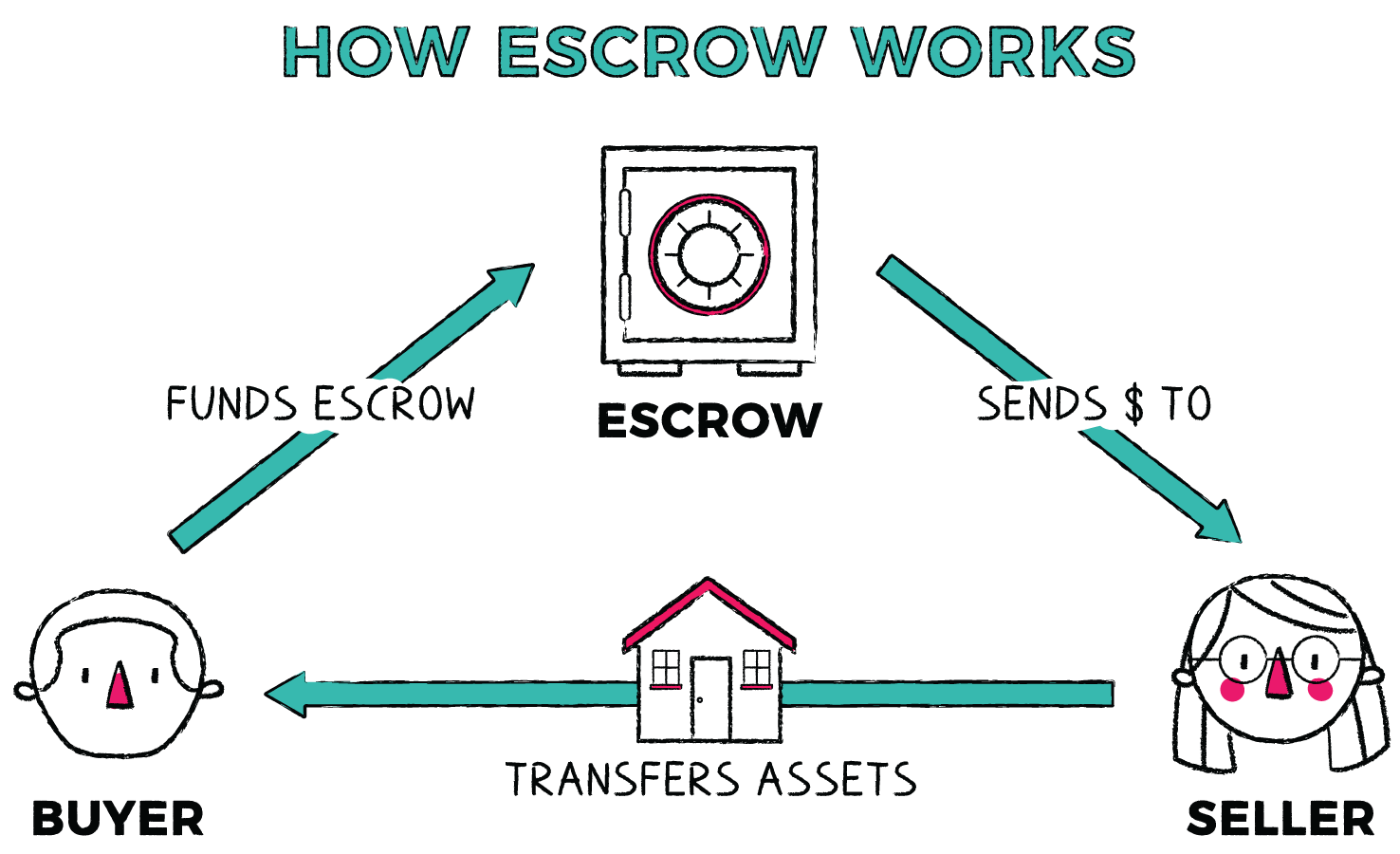
The most common and widely recognized application of escrow is in real estate transactions. When you buy a house, the buyer typically deposits their earnest money and the full purchase price into an escrow account. The seller deposits the deed and other relevant property documents. The escrow agent then meticulously reviews all conditions stipulated in the purchase agreement, such as satisfactory home inspections, mortgage approvals, and title searches. Only when all these conditions are met does the escrow agent facilitate the transfer of funds to the seller and the deed to the buyer, thereby completing the sale safely and securely. This process minimizes the risk of a buyer losing their money or a seller failing to transfer ownership after receiving payment.
Beyond real estate, escrow services are increasingly vital in various other financial contexts. Online marketplaces, for instance, often employ escrow to protect both buyers and sellers of goods and services. In such scenarios, a buyer can pay for an item into an escrow account, and the seller only receives the funds once the buyer confirms receipt of the item in satisfactory condition. This mitigates the risk of non-delivery or receiving a faulty product. Similarly, in mergers and acquisitions, escrow accounts are used to hold a portion of the purchase price to cover potential post-closing liabilities or adjustments. Even in certain legal settlements, funds can be held in escrow pending the resolution of appeals or other contingencies. Therefore, understanding what escrow means is not just about real estate; it’s about understanding a fundamental mechanism for secure financial exchange across a broad spectrum of economic activities.
The Mechanics of an Escrow Agreement
An escrow agreement is the foundational document that governs the entire process. It is a legally binding contract entered into by the buyer, seller, and the escrow agent. This agreement meticulously outlines the terms and conditions that must be satisfied for the escrow agent to release the held assets. The clarity and comprehensiveness of the escrow agreement are paramount, as it serves as the roadmap for the entire transaction, minimizing the potential for disputes and ensuring that all parties understand their obligations and the conditions precedent to closing.
Establishing the Escrow Relationship
The initial step in establishing an escrow relationship is the mutual agreement between the parties involved to utilize an escrow service. This decision is typically made during the negotiation phase of a transaction, often enshrined within the primary purchase agreement or contract. For example, in a real estate deal, the offer to purchase will usually specify that the transaction will proceed through escrow. Once this is agreed upon, the parties select a reputable escrow company or agent. The choice of escrow agent is crucial, as their impartiality, professionalism, and adherence to regulatory standards are vital for the integrity of the process. The escrow agent will then provide the parties with the necessary escrow instructions, which are essentially a detailed set of directives outlining how the escrow will be managed. These instructions are derived directly from the underlying contract and specify what funds are to be deposited, what documents need to be delivered, and what conditions must be met for the transaction to close.
The Role of the Escrow Agent
The escrow agent acts as a neutral custodian and facilitator. Their primary responsibility is to hold the buyer’s funds and the seller’s documents in trust. They are not an advocate for either party but rather an impartial party committed to fulfilling the terms of the escrow agreement. This impartiality is what makes the escrow system so effective. The escrow agent will conduct thorough due diligence to ensure all stipulated conditions are met. This might involve verifying the authenticity of documents, confirming the satisfaction of contingencies such as inspections and appraisals, and ensuring that all necessary approvals have been obtained. They act as the central hub for all communication and document flow, meticulously tracking progress and ensuring that no steps are missed. Once all conditions are satisfied, the escrow agent orchestrates the final transfer of assets, disbursing funds to the seller and title to the buyer, thereby bringing the transaction to a successful conclusion. Their adherence to strict protocols and ethical standards builds trust and confidence for all parties.
Conditions and Contingencies: The Heart of Escrow
The effectiveness of an escrow arrangement hinges on the precise definition and fulfillment of conditions and contingencies. These are the specific requirements that must be met before the escrow agent is authorized to proceed with the release of funds and transfer of ownership. In a real estate transaction, common contingencies include the buyer securing adequate financing, a satisfactory home inspection report, a favorable appraisal, and a clear title search. Each contingency represents a potential hurdle that needs to be overcome. For instance, if a home inspection reveals significant structural issues, the buyer may have the right to withdraw from the deal, and the escrow agent would then return the earnest money deposit to the buyer. Conversely, if all contingencies are met, the buyer and seller can proceed with confidence. The escrow agent diligently monitors the progress of each condition, working with all parties to ensure timely resolution. The clear delineation of these conditions within the escrow agreement is critical, as it provides a framework for managing potential risks and ensuring that the transaction proceeds only when all agreed-upon requirements are satisfied. This structured approach protects both parties from unforeseen issues and ensures that the final outcome aligns with their original intentions.
Escrow in Practice: Beyond Real Estate
While real estate transactions are perhaps the most well-known application of escrow, the principles and benefits of this system extend to a wide array of financial dealings. The underlying need for a secure, neutral intermediary to hold assets until contractual obligations are met is a recurring theme across various industries and transaction types, making escrow a versatile and indispensable financial tool.
Online Transactions and E-commerce
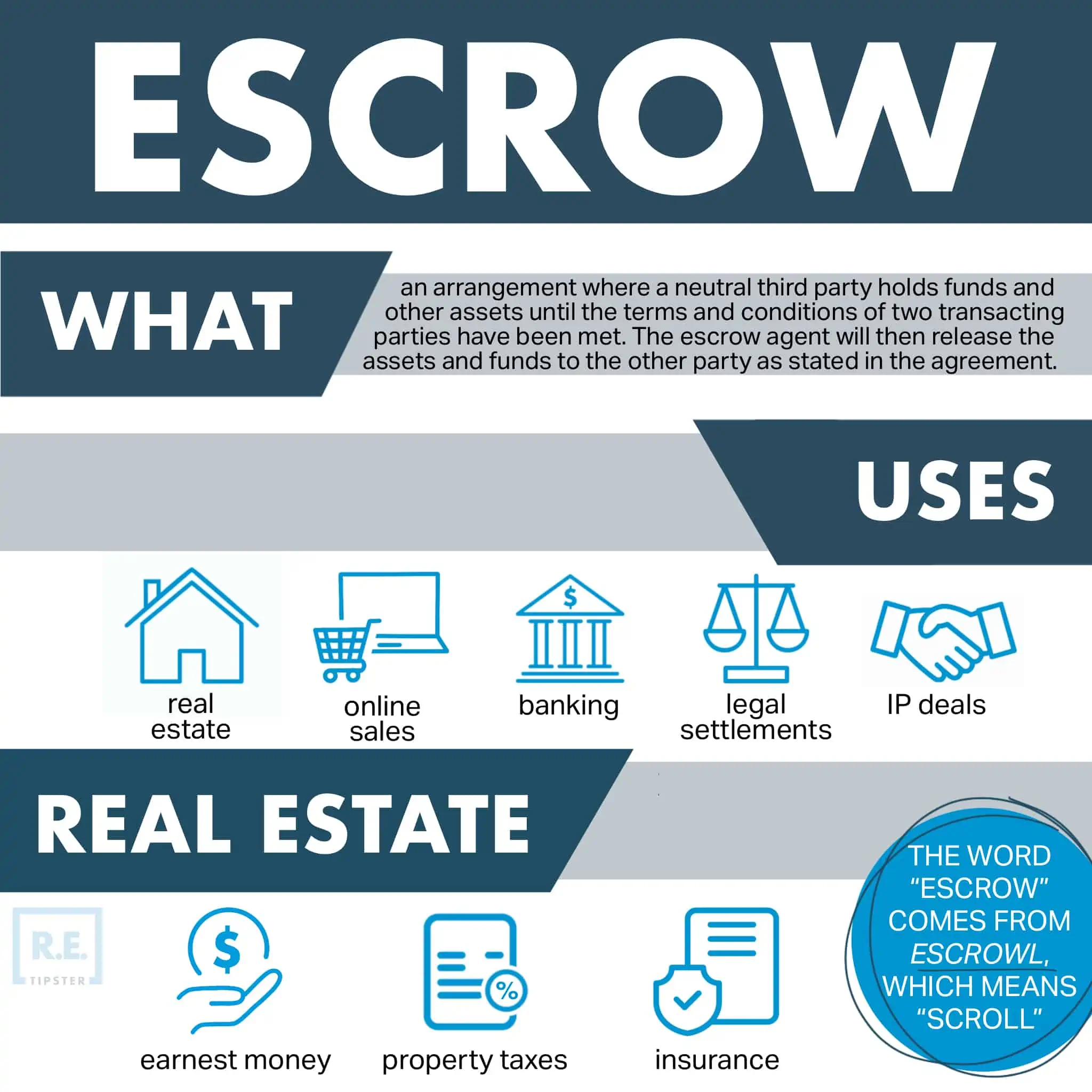
The burgeoning world of e-commerce and online marketplaces has significantly benefited from the adoption of escrow services. For online buyers, the primary concern is often the risk of not receiving the purchased goods, or receiving items that are significantly different from what was advertised. For sellers, the worry might be the risk of fraudulent payments or non-payment after shipping goods. Escrow platforms provide a solution by acting as a trusted intermediary. When a buyer makes a purchase, the funds are transferred to an escrow account. The seller then ships the goods. Upon confirmation from the buyer that the goods have been received and are satisfactory, the escrow agent releases the funds to the seller. This system effectively mitigates the risk of fraud and ensures that both parties can engage in online transactions with greater confidence. Many reputable online marketplaces either offer their own escrow services or integrate with third-party escrow providers to facilitate secure transactions for high-value items or services.
Business Acquisitions and Mergers
In the realm of corporate finance, particularly in mergers and acquisitions (M&A), escrow plays a vital role in managing financial risk. When one company acquires another, the purchase price is often substantial. To protect the buyer against potential undisclosed liabilities or breaches of warranties that might emerge after the acquisition is complete, a portion of the purchase price is typically placed into an escrow account. This “escrow holdback” serves as a buffer. If any of these post-closing issues arise, funds can be drawn from the escrow account to cover the buyer’s losses, up to the amount held in escrow. The terms of this escrow arrangement, including the amount to be held, the duration of the holdback period, and the conditions under which funds can be disbursed, are meticulously negotiated and stipulated in the M&A agreement. This ensures that the buyer is protected against unforeseen financial exposures while the seller can receive the remaining portion of the purchase price in a timely manner once the escrow period concludes without claims.
Other Applications: From Legal Settlements to Intellectual Property
The utility of escrow extends to numerous other specialized financial and legal contexts. For instance, in legal settlements, particularly those involving large sums of money or ongoing obligations, funds may be placed in escrow pending the finalization of court orders, appeals, or the fulfillment of certain post-settlement conditions. This ensures that the settlement funds are disbursed only when all legal requirements are definitively met. Furthermore, escrow can be employed in transactions involving intellectual property, such as licensing agreements or royalty payments. In these scenarios, royalty payments might be held in escrow and released to the licensor upon verification that the licensee has met specific sales targets or other contractual milestones. Even in more niche areas like the purchase of domain names or the transfer of valuable digital assets, escrow services provide a secure mechanism to facilitate the exchange, ensuring that ownership is transferred only after payment is confirmed and all terms are satisfied. The pervasive need for security and certainty in a multitude of transactions underscores the broad applicability and fundamental importance of escrow.
The Advantages of Using Escrow
The implementation of an escrow service offers a multitude of benefits to all parties involved in a transaction, fundamentally by introducing a layer of security and predictability that would otherwise be absent. By acting as a neutral arbiter and custodian, escrow significantly reduces the inherent risks associated with financial exchanges, thereby fostering greater trust and facilitating smoother transactions.
Enhanced Security and Reduced Risk
The primary advantage of using escrow is the unparalleled level of security it provides. For buyers, it ensures that their funds are protected until they receive the agreed-upon goods or services. They are not simply handing over money with the hope that the seller will fulfill their end of the bargain. Instead, their funds are held by an independent third party, significantly reducing the risk of fraud, non-delivery, or receiving an item that does not match the description. For sellers, escrow mitigates the risk of receiving a fraudulent payment or facing a buyer who defaults after receiving the goods. The escrow agent verifies the authenticity of the payment before releasing the goods, and the seller knows that the funds are secured and will be disbursed to them once they have fulfilled their obligations. This mutual assurance dramatically lowers the stakes and makes parties more willing to engage in transactions that might otherwise seem too risky.
Neutrality and Impartiality
In any transaction, differing interests can arise. Escrow services operate on principles of strict neutrality and impartiality. The escrow agent’s sole responsibility is to adhere to the terms outlined in the escrow agreement. They are not biased towards either the buyer or the seller. This impartial stance is crucial for building trust and ensuring fairness. When disputes arise, or when there is ambiguity regarding the fulfillment of certain conditions, the escrow agent acts as a dispassionate facilitator, referencing the signed agreement to resolve the issue. This objective approach prevents either party from gaining an unfair advantage and ensures that the transaction proceeds according to the pre-defined rules, thereby maintaining the integrity of the process and the confidence of all participants.
Streamlined and Efficient Transactions
Escrow services often lead to more streamlined and efficient transactions. By centralizing the handling of funds, documents, and communication, escrow agents act as a single point of contact for all parties involved. This consolidation simplifies the process, reduces the likelihood of miscommunication, and helps to keep the transaction on track. The escrow agent manages the timeline, ensures that all necessary paperwork is collected and processed, and coordinates with relevant parties such as lenders, title companies, and inspectors. This professional management frees up the buyer and seller to focus on their core needs, rather than getting bogged down in administrative complexities. Moreover, the clear procedural steps inherent in an escrow process help to avoid delays that can occur when parties attempt to manage the exchange of funds and documents directly, often leading to a faster and more predictable closing.
Legal Compliance and Professionalism
Reputable escrow companies operate under strict regulatory frameworks and adhere to legal compliance standards. This ensures that the escrow process is conducted in accordance with all applicable laws and industry best practices. For instance, in real estate, escrow agents are often licensed and insured, providing an additional layer of protection. Their professionalism and adherence to legal requirements lend credibility to the transaction. This is particularly important in transactions involving significant assets or complex legal arrangements. By engaging a professional escrow service, parties can be assured that their transaction is being handled with the utmost care, diligence, and legal integrity, further solidifying the trust and confidence that are essential for successful financial exchanges.
aViewFromTheCave is a participant in the Amazon Services LLC Associates Program, an affiliate advertising program designed to provide a means for sites to earn advertising fees by advertising and linking to Amazon.com. Amazon, the Amazon logo, AmazonSupply, and the AmazonSupply logo are trademarks of Amazon.com, Inc. or its affiliates. As an Amazon Associate we earn affiliate commissions from qualifying purchases.