
In the ever-expanding digital universe, your username is more than just a string of characters; it’s your digital calling card, your online persona, and often, your first impression. Whether you’re signing up for a new social media platform, a gaming community, a professional network, or even a simple forum, the choice of a username carries surprising weight. In the tech realm, where digital identity is paramount and often immutable, a well-chosen username can enhance your discoverability, protect your privacy, and even contribute to your personal brand. Conversely, a poor choice can lead to confusion, anonymity when you desire recognition, or even unintentional misinterpretations. This article delves into the art and science of selecting an effective username within the context of the technology landscape, exploring the strategic considerations that go beyond mere whimsy.
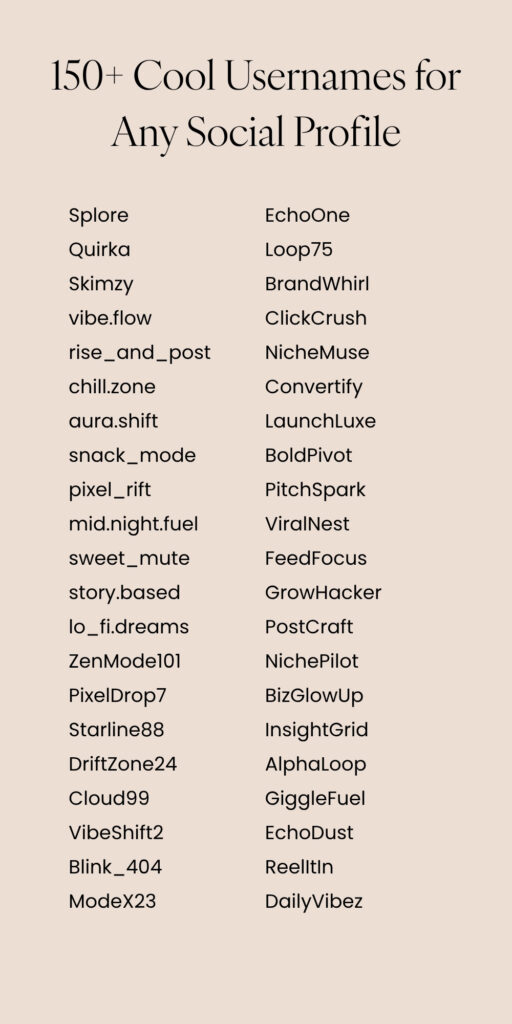
The Foundation: Purpose and Platform Considerations
Before you even begin brainstorming, understanding why you need a username and where you’ll be using it is crucial. Different platforms and purposes demand different approaches. What works for a niche gaming forum might be entirely inappropriate for a professional LinkedIn profile.
Defining Your Digital Persona
Your username should, to some extent, reflect who you are or who you aspire to be online. Consider the image you want to project. Are you a seasoned developer, an aspiring content creator, a cybersecurity enthusiast, or a casual tech observer?
-
Professionalism vs. Personality: For professional platforms like LinkedIn, GitHub, or Stack Overflow, a username that is clear, concise, and professional is generally preferred. This might involve your real name (or a variation thereof), a professional moniker, or something that clearly indicates your area of expertise. For instance, “JaneDoeDev” is more appropriate than “PixelPusher88” for a job application platform. Conversely, for gaming or creative platforms, a more unique and expressive username can be a significant part of your identity. Think about the longevity of your chosen persona. Will “GamerGod99” still resonate with you in five years?
-
Memorability and Pronunciation: A good username is easy to remember and, ideally, easy to pronounce. This is especially important if you plan to share your username publicly, perhaps for streaming, collaborating, or networking. If people struggle to recall or say your username, they’re less likely to find or engage with you.
-
Uniqueness and Availability: The most significant hurdle is often finding a username that isn’t already taken. This is where creativity and persistence come into play. Popular platforms are saturated, so you’ll likely need to employ strategies to make your desired name available.
Navigating Platform-Specific Requirements
Each digital space has its own unspoken rules and technical constraints. Understanding these nuances will save you frustration and ensure your username is functional.
-
Character Limits and Allowed Characters: Most platforms have restrictions on username length and the types of characters you can use (e.g., alphanumeric only, allowing underscores or hyphens, disallowing spaces). Always check the platform’s guidelines before investing too much time in a name that won’t be accepted.
-
Contextual Appropriateness: A username for a cybersecurity forum might be “SecuritasMaster” or “CipherSentry,” while a username for a drone photography group could be “AerialLens” or “SkyViewCaptures.” The username should ideally hint at your interests or expertise within that specific tech niche.
-
Cross-Platform Consistency: While not always mandatory, maintaining a consistent username across multiple platforms can strengthen your online presence and make it easier for people to find you. This is particularly relevant for content creators, freelancers, and those building a personal brand. However, be mindful of the specific context of each platform. A username that works well on Twitch might be too informal for a corporate collaboration tool.
Strategic Username Creation: Beyond the Obvious
Choosing a username is an opportunity for creative problem-solving. When your first few ideas are inevitably taken, it’s time to employ strategic techniques to craft a unique and meaningful identifier.
The Power of Combinations and Variations
When your desired username is unavailable, don’t despair. Several effective strategies can help you find a suitable alternative.
-
Adding Numbers Strategically: While overused numbers like “123” or “007” are often red flags, incorporating meaningful numbers can work. This could be a birth year (if you’re comfortable), a significant number from your field, or even a number that sounds good phonetically. For example, if “TechGuru” is taken, “TechGuru7” or “TechGuru2024” might be available. However, be cautious of relying too heavily on numbers, as it can sometimes detract from professionalism.
-
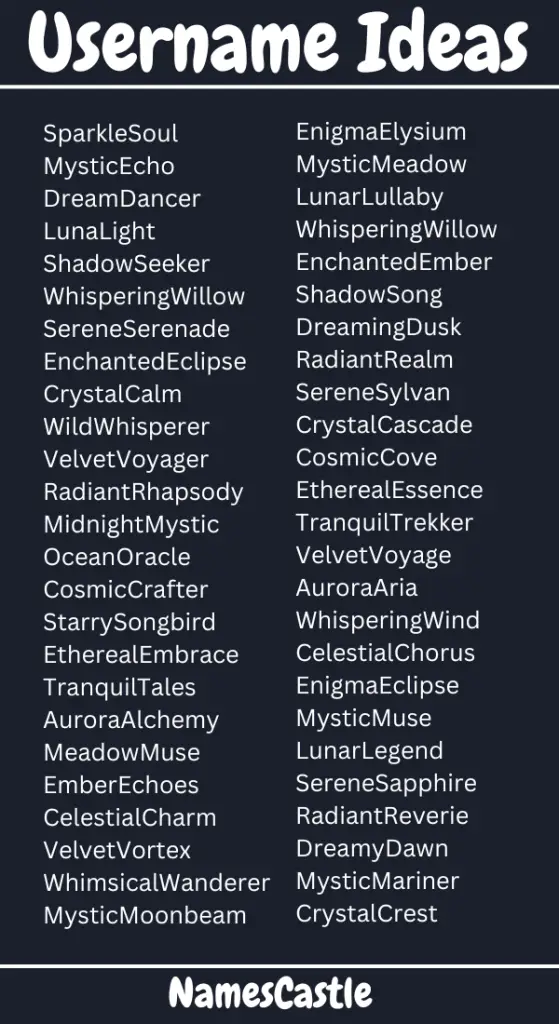
Using Underscores and Hyphens: If allowed by the platform, underscores (
_) and hyphens (-) can be useful separators, making longer usernames more readable and potentially creating unique variations. “CodeMaster_Pro” is more distinct than “CodeMasterPro.”
-
Prefixes and Suffixes: Adding relevant prefixes or suffixes can transform an otherwise taken username. Think about professional titles, areas of expertise, or descriptive words. For example, “AIInnovator” might be taken, but “TheAIInnovator,” “AIInnovatorX,” or “ProAIInnovator” could be available.
-
Synonyms and Related Terms: Explore synonyms for keywords in your desired username. If “DataScientist” is taken, consider “DataAnalyst,” “InfoGeek,” “StatsMaster,” or other terms that convey a similar meaning. This requires a bit more linguistic creativity.
Leveraging Keywords and Personal Identifiers
The most effective usernames often incorporate elements that provide context or reveal a hint of personality without sacrificing professionalism or privacy.
-
Incorporating Your Field of Expertise: If you’re a cybersecurity professional, terms like “Cyber,” “Secure,” “NetSec,” or “Fortress” could be incorporated. For developers, “Code,” “Dev,” “Script,” or “Byte” are relevant. This immediately signals your interests to others in the tech community.
-
Using Your Real Name (with caveats): For professionals, using your first name and a significant part of your last name (e.g., “JohnSmithDev” or “SarahLeeTech”) is often the most straightforward and professional approach. However, ensure your full name isn’t already taken in a way that could cause confusion. Privacy is also a consideration; decide how much of your personal identity you’re comfortable revealing.
-
Creative Wordplay and Alliteration: Clever wordplay, puns, or alliterative combinations can make a username memorable and engaging, especially on less formal platforms. Think about how these elements might be perceived over time.
The Long Game: Security and Evolution of Your Username
Your username is a long-term digital asset. Its selection and management should consider both immediate functionality and future implications.
Prioritizing Security and Privacy
In the tech world, where data breaches and identity theft are constant concerns, your username can play a role in safeguarding your digital life.
-
Avoiding Personally Identifiable Information (PII): Never use your full real name, birthdate, address, or any other easily exploitable PII in your username, especially on public or less secure platforms. This is a foundational principle of online security.
-
The “Too Obvious” Trap: A username that is too easily guessable or directly related to sensitive information (like your social security number or the name of your pet’s favorite toy) is a security risk. Aim for a balance between uniqueness and obscurity.
-
Password Hygiene and Username Association: Remember that your username is often used in conjunction with your password. If your username is too similar to your password, or if you reuse passwords across platforms, you create significant vulnerabilities.
Adapting and Evolving Your Online Identity
While consistency is often beneficial, there are times when your username might need to evolve alongside your digital journey.
-
The “Digital Rebranding”: As your career progresses or your interests shift, your initial username might become outdated. Some platforms allow you to change your username, though this isn’t always the case. Planning for this possibility by choosing a username that has some flexibility or isn’t tied too tightly to a specific, fleeting trend is wise.
-
Platform-Specific Aliases: For some users, maintaining different usernames for different contexts is a practical strategy. A highly professional username for LinkedIn, a creative one for a portfolio site, and a more casual one for a gaming community can allow you to tailor your digital persona to each environment.
-
The Power of a “Handle”: For many in the tech community, a distinct “handle” – a unique username that serves as their primary online identifier – becomes a valuable asset. This handle can build recognition over time, embodying their reputation and expertise. Investing in creating a strong, memorable, and appropriate handle is a strategic decision for anyone serious about their online presence in the tech landscape.
In conclusion, selecting a good username in the tech world is a multifaceted process that blends creativity, strategy, and foresight. It’s an opportunity to craft a digital identity that is not only functional and memorable but also reflective of your online persona, your expertise, and your commitment to security. By carefully considering the purpose, platform, and long-term implications of your choices, you can establish a digital presence that serves you well in the dynamic and ever-evolving landscape of technology.
aViewFromTheCave is a participant in the Amazon Services LLC Associates Program, an affiliate advertising program designed to provide a means for sites to earn advertising fees by advertising and linking to Amazon.com. Amazon, the Amazon logo, AmazonSupply, and the AmazonSupply logo are trademarks of Amazon.com, Inc. or its affiliates. As an Amazon Associate we earn affiliate commissions from qualifying purchases.