
The allure of diamonds has captivated humanity for centuries. Prized for their brilliance, durability, and symbolic value, they adorn engagement rings, heirlooms, and statements of personal success. For generations, the only way to acquire these coveted gemstones was through traditional mining. However, a significant technological advancement has introduced a compelling alternative: lab-grown diamonds. This burgeoning market presents consumers and investors with a nuanced landscape where technological innovation intersects directly with financial considerations. Understanding the fundamental differences between mined and lab-created diamonds is not just a matter of curiosity; it’s crucial for making informed purchasing decisions and potentially navigating a unique investment frontier. This article will delve into the financial implications of these two diamond types, examining their cost, value, market dynamics, and the economic trends shaping their future.

The Economic Landscape: Pricing and Value Preservation
The most immediate and significant difference that impacts consumers and investors is the price. This disparity stems from the inherent costs associated with extraction versus creation, and it has profound implications for both affordability and perceived value.
Cost of Acquisition: A Tale of Two Origins
Mined diamonds, often referred to as natural or earth-mined diamonds, carry a price tag that reflects a complex and resource-intensive journey. The process of discovering, extracting, and bringing a rough diamond to market involves substantial capital investment in exploration, mining operations, and rigorous sorting and grading. Geological rarity plays a significant role; diamonds are found in specific locations, and the more exceptional a stone’s characteristics (carat, color, clarity, cut), the rarer it is, and thus, the higher its market value. Supply chain complexities, including the involvement of numerous intermediaries, also contribute to the final retail price. Ethical sourcing considerations, while increasingly important and sometimes costly, are also factored into the pricing of reputable mined diamonds.
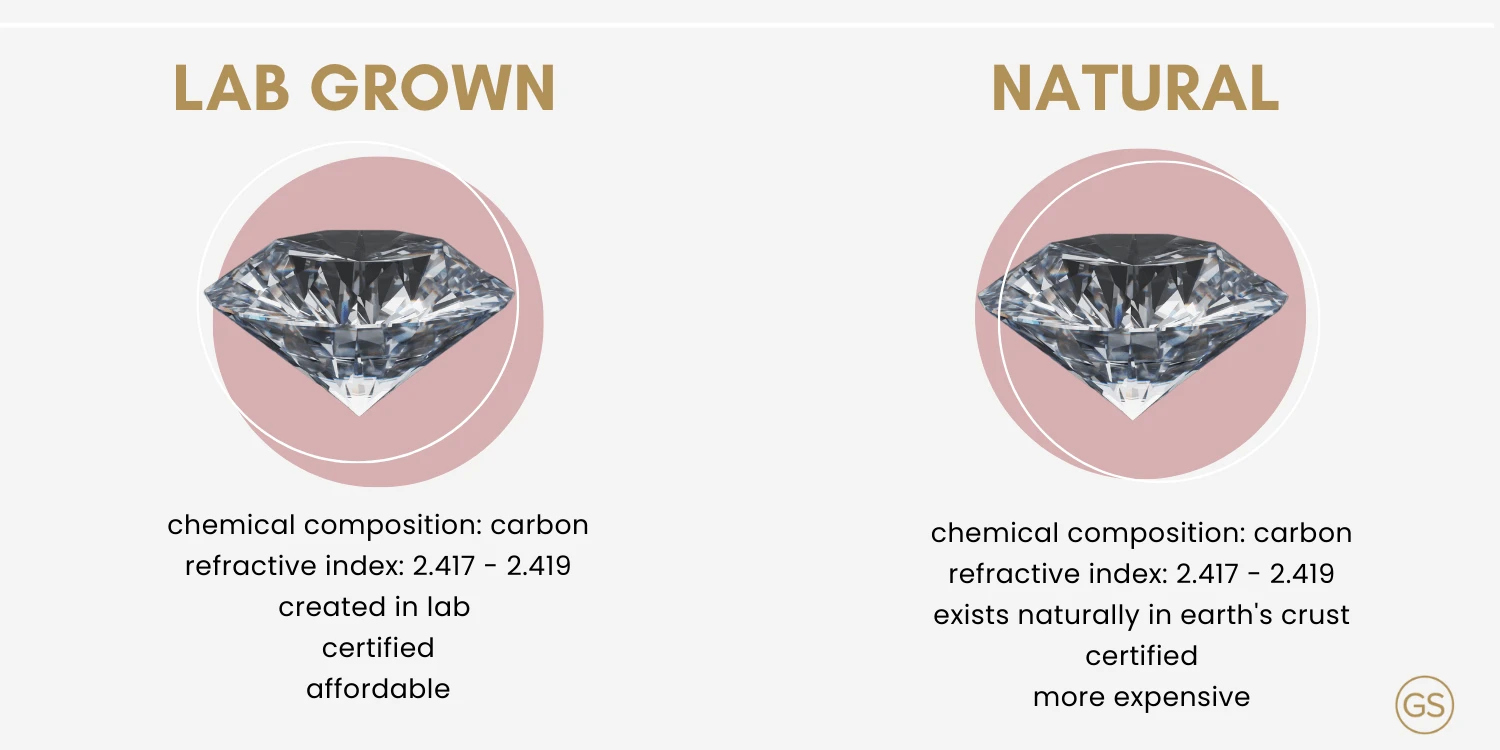
Lab-grown diamonds, on the other hand, benefit from a controlled and predictable manufacturing process. Utilizing advanced technological methods like High-Pressure High-Temperature (HPHT) or Chemical Vapor Deposition (CVD), these diamonds are created in a laboratory environment. The primary costs associated with them are energy consumption, specialized equipment, and the expertise of the scientists and technicians involved. Because the raw materials are readily available and the production is scalable, the cost of producing a lab-grown diamond is significantly lower than the cost of extracting a natural diamond of comparable quality. This leads to a direct and often dramatic price difference at the retail level, making larger or higher-quality lab-grown diamonds significantly more accessible to a broader range of consumers. For instance, a one-carat, D-color, VVS1 clarity lab-grown diamond might retail for a fraction of the price of its mined counterpart. This affordability is a primary driver of their growing popularity.
Value Retention and Investment Potential
The question of value retention is where the financial discussion becomes more intricate. Historically, mined diamonds have been perceived as assets with a degree of inherent value and potential for appreciation, akin to precious metals or art. This perception is tied to their natural scarcity and their long-established role as luxury goods and stores of wealth. While the retail price of a mined diamond is significantly higher than its wholesale price, and secondary market values can fluctuate, they have traditionally held a certain baseline value, especially for exceptional stones. Resale markets for mined diamonds exist, though they are often less liquid and may involve significant depreciation from the original purchase price.
Lab-grown diamonds, due to their engineered nature and the fact that their production is not limited by geological scarcity, present a different value proposition. As technology advances and production becomes more efficient, the cost of creating lab-grown diamonds is likely to continue to decrease. This downward pressure on production costs can translate to a lower resale value compared to their initial purchase price. Currently, the resale market for lab-grown diamonds is still nascent and less established than that for mined diamonds. While their initial cost is lower, the expectation of significant value appreciation or even robust value retention is generally not as strong as that associated with the most desirable natural diamonds. For consumers focused on a beautiful gemstone for personal adornment at a more accessible price point, this might not be a primary concern. However, for those considering diamonds as a form of investment or a store of wealth, the long-term value proposition of lab-grown diamonds requires careful consideration and a realistic understanding of market dynamics.
Market Dynamics and Consumer Behavior
The emergence of lab-grown diamonds has not only altered the pricing structure but has also profoundly influenced market dynamics and consumer behavior, presenting both challenges and opportunities for the diamond industry.
Supply Chain Transformation and Ethical Considerations
The traditional diamond supply chain has been notoriously opaque, with a history marred by issues of conflict diamonds and questionable labor practices. While significant strides have been made in improving ethical sourcing and transparency through initiatives like the Kimberley Process, the inherent challenges of tracking diamonds from mine to market persist. Lab-grown diamonds offer a distinct advantage in this regard. Their origin is unequivocally known, and their production can be managed under strict ethical guidelines and controlled environments. This transparency appeals to a growing segment of consumers who are increasingly conscious of the social and environmental impact of their purchases.
From a financial perspective, this ethical clarity can translate into a more predictable and potentially more stable supply chain for lab-grown diamonds. Manufacturers can scale production to meet demand without being constrained by geological discoveries or geopolitical instability in mining regions. This predictability can be attractive to businesses and investors seeking to mitigate supply chain risks. Furthermore, the lower environmental footprint associated with lab-grown diamond production, requiring less land disruption and water usage compared to traditional mining, aligns with broader sustainability trends that are increasingly influencing corporate and investment strategies.
Consumer Perception and Market Segmentation
Consumer perception is a critical factor shaping the financial viability of both diamond types. For decades, the marketing of mined diamonds has focused on their rarity, natural origin, and emotional significance, often positioning them as symbols of enduring love and exclusivity. This narrative has deeply ingrained the idea of “natural” as superior and inherently more valuable. The introduction of lab-grown diamonds challenges this long-held perception.
Initially, some consumers viewed lab-grown diamonds with skepticism, questioning their authenticity or desirability. However, as the technology has matured and the quality of lab-grown diamonds has improved, this perception is evolving. Many consumers now recognize that lab-grown diamonds are chemically and physically identical to their mined counterparts, offering the same sparkle and durability at a lower cost. This has led to significant market segmentation. Lab-grown diamonds are increasingly favored by budget-conscious consumers, millennials and Gen Z who prioritize ethical and sustainable options, and those seeking larger stones for their money.
Financially, this segmentation creates a dynamic market. While mined diamonds may continue to command a premium among certain demographics or for specific high-value collector stones, lab-grown diamonds are rapidly capturing market share in the broader consumer segment. This shift impacts retail strategies, marketing budgets, and investment considerations for companies operating within the diamond industry. For investors, understanding which segment is growing and why is crucial for identifying opportunities. The increasing acceptance of lab-grown diamonds signifies a potential long-term disruption to the traditional diamond market, impacting profitability across the value chain.
The Future of Diamond Finance: Innovation and Investment
The ongoing advancements in diamond synthesis technology and evolving consumer preferences point towards a future where both mined and lab-grown diamonds will coexist, each serving distinct market niches and presenting unique financial considerations.
Technological Advancements and Cost Reduction
The technology behind lab-grown diamond production is continually evolving. Innovations in HPHT and CVD methods are leading to increased efficiency, faster growth times, and the ability to produce larger and higher-quality stones. This ongoing technological progress is expected to further drive down production costs. As manufacturing becomes more streamlined and energy-efficient, the price gap between lab-grown and mined diamonds is likely to widen, making lab-grown options even more financially attractive for consumers.
For investors, this trend suggests that lab-grown diamonds will likely continue to penetrate the mass market, potentially reducing the profit margins for producers but increasing sales volumes. The financial models for businesses in this sector will likely shift towards scale and efficiency. Furthermore, research into new diamond applications beyond jewelry, such as in electronics, optics, and industrial tools, is also a growing area. While these applications may not directly impact the jewelry market’s financial dynamics, they highlight the growing importance and versatility of lab-created diamonds as a technological material, potentially opening new avenues for investment and value creation in the broader materials science sector.
Investment Strategies and Diversification
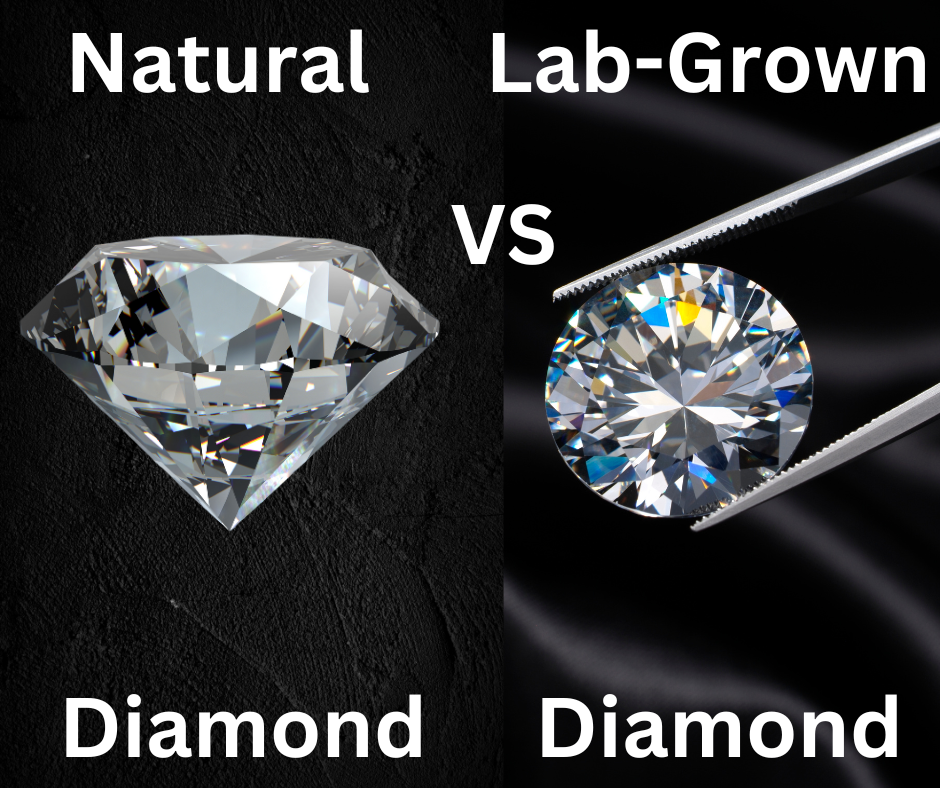
The financial decision between investing in mined or lab-grown diamonds depends heavily on an individual’s investment goals, risk tolerance, and time horizon. For those seeking a tangible asset with a long-standing history of value perception, high-quality mined diamonds, particularly rare and exceptional stones, may still be considered. However, the illiquidity and potential for significant depreciation at the retail level mean that they are generally not considered a primary liquid investment for most individuals.
Lab-grown diamonds, on the other hand, are more accessible for those looking for a beautiful gemstone without the premium price tag of mined diamonds. As an investment, their current landscape is less established. While the potential for profit exists in the growing market, the expectation of capital appreciation or even value preservation is less certain due to technological advancements and production scalability. Investors might consider lab-grown diamonds as a way to diversify a portfolio with a tangible luxury good that is increasingly in demand, but with a clear understanding that it is a consumer-driven market with evolving pricing dynamics rather than a traditional store of wealth.
Ultimately, understanding the fundamental differences in production cost, market perception, and supply chain dynamics between lab-grown and regular diamonds is paramount for making sound financial decisions. Whether purchasing for adornment, as a gift, or with an eye towards long-term value, a well-informed approach, grounded in the financial realities of each diamond type, will lead to greater satisfaction and financial prudence. The diamond landscape has been irrevocably altered by technological innovation, offering consumers and investors a wider, more accessible, and financially diverse array of choices than ever before.
aViewFromTheCave is a participant in the Amazon Services LLC Associates Program, an affiliate advertising program designed to provide a means for sites to earn advertising fees by advertising and linking to Amazon.com. Amazon, the Amazon logo, AmazonSupply, and the AmazonSupply logo are trademarks of Amazon.com, Inc. or its affiliates. As an Amazon Associate we earn affiliate commissions from qualifying purchases.