
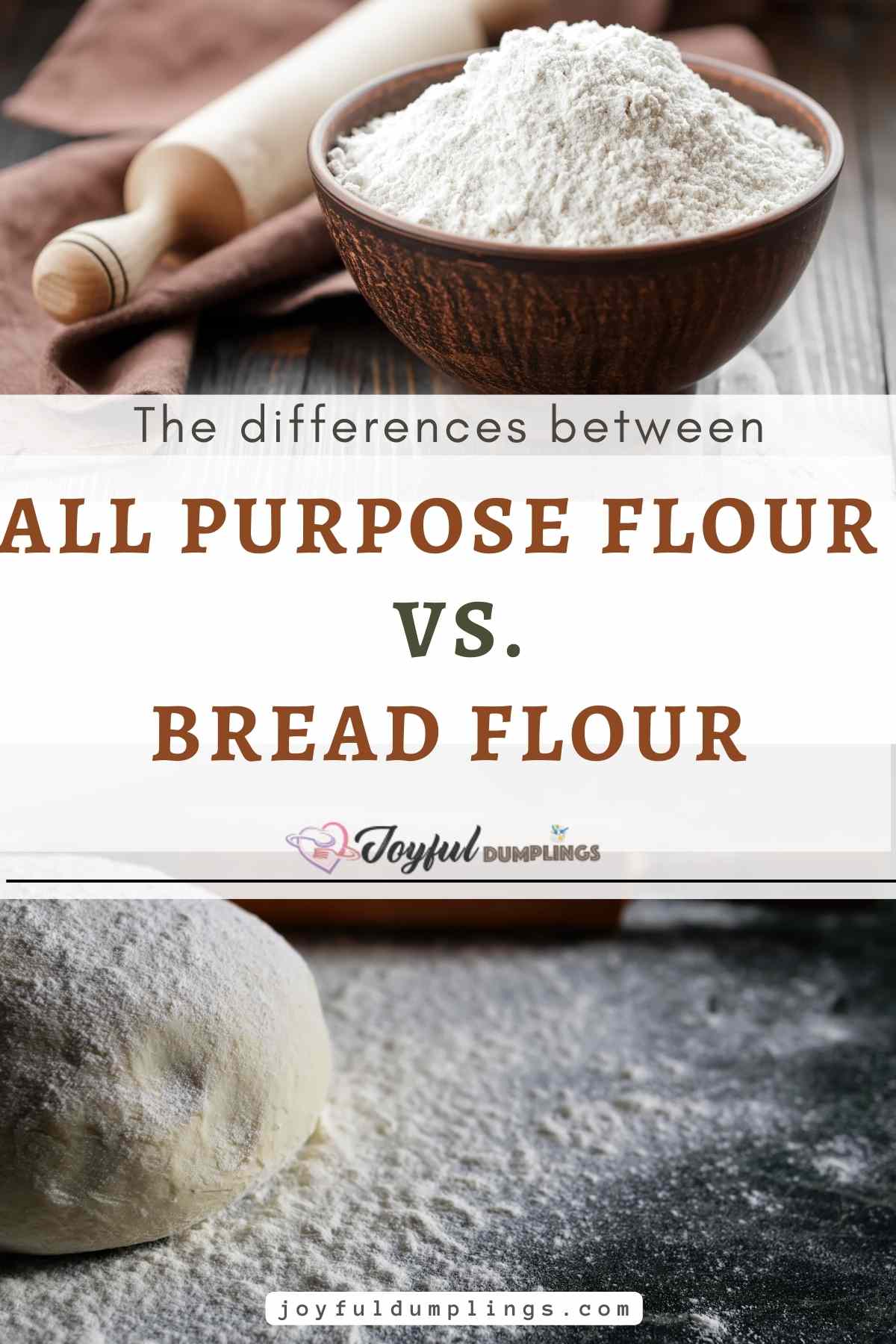
The world of baking, while seemingly straightforward, often presents subtle complexities that can significantly impact the final outcome. Among the most fundamental distinctions lie the types of flour used. For many home bakers and even seasoned professionals, the difference between bread flour and plain flour can be a point of confusion, leading to suboptimal results. Understanding these differences isn’t just about granular detail; it’s about unlocking the potential of your ingredients and mastering the science behind successful baking. This exploration delves into the core distinctions, the impact of these differences on baking, and how to choose the right flour for your culinary ambitions.
The Science of Flour: Protein Content and Gluten Development
At the heart of the difference between bread flour and plain flour lies their protein content. Flour, derived from wheat, contains proteins that, when hydrated and agitated, form gluten. Gluten is the elastic network that gives dough its structure, allowing it to stretch and hold its shape. The strength and extensibility of this gluten network are directly proportional to the protein content of the flour.
Protein Percentages: The Defining Factor
The primary differentiator between bread flour and plain flour is their typical protein percentage.
Bread Flour: The High-Protein Powerhouse
Bread flour, as its name suggests, is specifically designed for bread making. It typically boasts a higher protein content, usually ranging from 12% to 14%, and sometimes even higher. This elevated protein level is crucial for developing a strong and resilient gluten structure. This strong gluten network is essential for trapping the gases produced by yeast during fermentation, allowing bread to rise effectively and achieve that characteristic chewy texture and open crumb. The milling process for bread flour often uses the entire wheat kernel, or a higher proportion of the harder endosperm, contributing to its higher protein density.
Plain Flour: The All-Rounder
Plain flour, also known as all-purpose flour in some regions, has a moderate protein content, typically falling between 9% to 11%. This makes it a versatile option suitable for a wide array of baked goods. Its moderate protein content allows for sufficient gluten development for cakes, cookies, and pastries, where a tender crumb and delicate texture are desired, without becoming overly tough or chewy. The balance of soft and hard wheat varieties is often used in the production of plain flour to achieve this medium protein level.
The Role of Hydration and Kneading
The interaction of flour with water and mechanical action (kneading) is what transforms raw flour into a workable dough.
Hydration: The Gluten Catalyst
Water is the essential catalyst for gluten formation. When flour is mixed with water, the proteins gliadin and glutenin, which are naturally present in wheat flour, begin to hydrate. Gliadin contributes to the extensibility of the dough, allowing it to stretch, while glutenin provides elasticity, enabling it to spring back. The amount of water absorbed by flour is also influenced by its protein content; higher protein flours can absorb more water.
Kneading: Forging the Gluten Network
Kneading is the process of manipulating the dough to align and strengthen the gluten strands. This mechanical action stretches and intertwines the hydrated gliadin and glutenin, creating the interconnected network that defines gluten. Bread flour, with its higher protein content, requires more extensive kneading to fully develop its robust gluten structure. Insufficient kneading of bread flour will result in a dense, heavy loaf, while over-kneading of plain flour can lead to a tough texture in recipes that call for a more delicate crumb.
Impact on Baking: Texture, Structure, and Rise
The differences in protein content and subsequent gluten development have a direct and tangible impact on the outcome of your baking. Understanding these effects allows you to make informed choices based on the desired characteristics of your final product.
Bread Flour: For Optimal Rise and Chewy Texture
When making yeasted breads, such as sourdough, baguettes, or enriched loaves, bread flour is the preferred choice for several reasons.
Enhanced Rise and Volume
The strong gluten network formed by bread flour is exceptionally good at trapping the carbon dioxide gas produced by yeast during fermentation. This results in a significantly better rise and a lighter, airier crumb. The elasticity of the gluten allows the dough to expand significantly without tearing, leading to a greater overall volume in the baked bread. This is particularly crucial for crusty breads where a significant oven spring is desired.
Chewy Texture and Structure
The high protein content contributes directly to the characteristic chewy texture that many people associate with good bread. The developed gluten strands create a resilient structure that can withstand the chewing process, providing a satisfying mouthfeel. Without this strong network, bread can become crumbly or cake-like, lacking the desired chew.
Ideal for Yeasted Doughs
Bread flour excels in recipes that rely heavily on yeast for leavening. Its ability to form a stable, elastic dough makes it ideal for the extended fermentation times and handling required for many bread recipes. It can also be beneficial in recipes that involve significant stretching or shaping, as the strong gluten network provides stability.
Plain Flour: For Tender Crumb and Versatile Applications
Plain flour’s moderate protein content makes it a more adaptable flour for a broader range of baked goods where a less robust gluten structure is desirable.
Tender Crumb in Cakes and Pastries
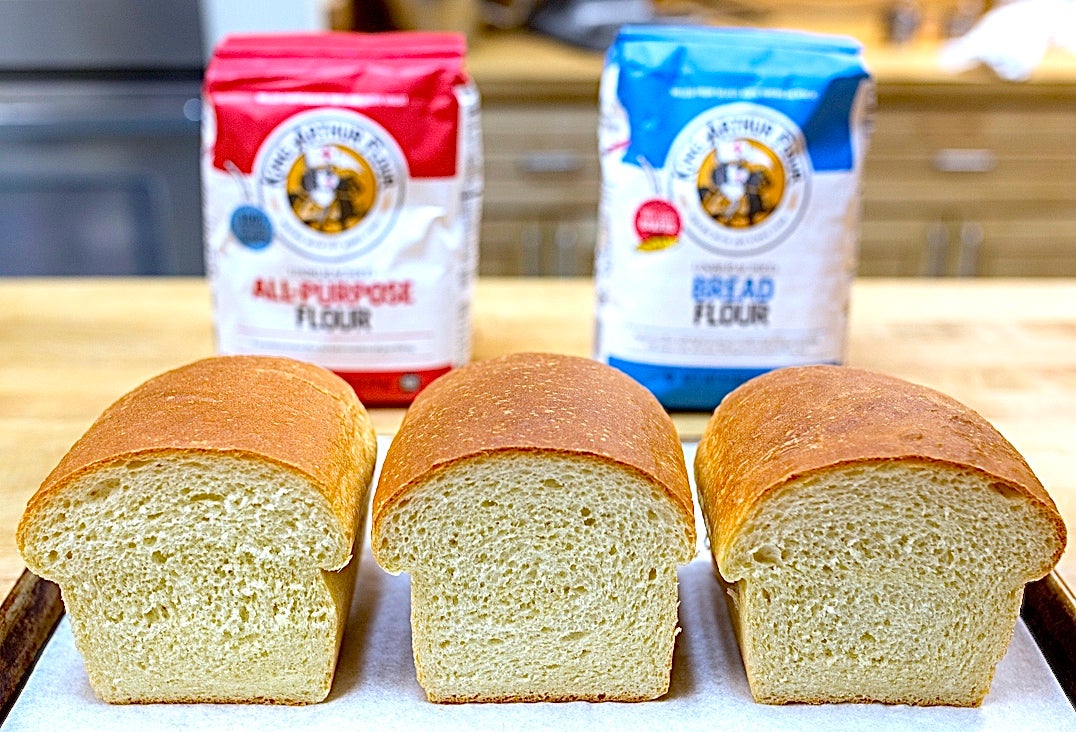
For cakes, cookies, muffins, and pastries, a tender crumb is paramount. The lower protein content of plain flour leads to less gluten development, resulting in a softer, more delicate texture. Overuse of bread flour in these applications would lead to a tough, chewy, and potentially unpleasantly elastic outcome. The goal here is for the ingredients to bind together without forming an overwhelmingly strong structural network.
Versatility in Baking
Plain flour truly lives up to its “all-purpose” moniker. It is the go-to flour for a vast majority of home baking recipes. From biscuits and scones to pancakes and quick breads, its balanced protein content ensures that it performs reliably across a spectrum of sweet and savory creations. It provides enough structure to hold ingredients together but not so much that it compromises the desired texture.
Less Kneading Required
Recipes utilizing plain flour generally require less intensive kneading compared to those using bread flour. Over-kneading plain flour can still lead to toughness, so understanding the optimal kneading time for the specific recipe is important. The dough will be less elastic and may tear more easily than a bread flour dough.
Choosing the Right Flour for Your Recipe
The decision of which flour to use often comes down to understanding the fundamental requirements of your desired baked good. While there can be some overlap and experimentation, adhering to the general guidelines will significantly increase your chances of success.
When to Reach for Bread Flour
When your recipe specifically calls for bread flour, or when you are aiming for the characteristics typically associated with artisan bread, it is the clear choice.
Artisan Breads and Crusty Loaves
If you’re dreaming of a crusty sourdough, a light and airy baguette, or a rich challah, bread flour will be your best friend. Its high protein content is essential for achieving the characteristic chew, open crumb, and impressive rise of these beloved baked goods.
Enriched Doughs and Yeasted Pastries
Doughs that contain higher amounts of fat and sugar, such as brioche, cinnamon rolls, or doughnuts, can benefit from the strength of bread flour. While these can sometimes be made with plain flour, bread flour can provide a more stable structure to withstand the richness of the ingredients and ensure a good rise.
Pizza Dough
The elastic and chewy texture characteristic of good pizza dough is best achieved with bread flour. It allows the dough to be stretched thinly without tearing and provides the satisfying chew in the final crust.
When Plain Flour is the Superior Choice
For most everyday baking and when a delicate texture is desired, plain flour is the ideal ingredient.
Cakes, Cookies, and Muffins
If your goal is a light, tender cake, a crumbly cookie, or a moist muffin, plain flour is indispensable. Its moderate protein content ensures that you won’t overdevelop gluten, resulting in a melt-in-your-mouth texture.
Pastries and Pies
For flaky pie crusts and delicate pastries like croissants or Danish, plain flour is the standard. Excessive gluten development would result in a tough and unappetizing texture.
Quick Breads and Scones
Quick breads and scones rely on chemical leaveners (baking soda/powder) for their rise, and their texture is generally meant to be tender and crumbly rather than chewy. Plain flour perfectly complements these characteristics.
The Art of Substitution (with Caution)
While it’s always best to use the flour specified in a recipe, understanding the differences allows for educated substitutions, albeit with caveats.
Substituting Plain Flour for Bread Flour
If a recipe calls for bread flour and you only have plain flour, you can often substitute it, but expect a difference. The resulting bread will likely have a slightly less chewy texture and a somewhat reduced rise. You might need to knead the dough for longer to try and compensate for the lower protein content. For recipes that are not heavily reliant on a robust gluten structure, the substitution might be more forgiving.

Substituting Bread Flour for Plain Flour
Substituting bread flour for plain flour is generally less advisable, especially in recipes where a tender crumb is the primary goal. The higher protein content will likely lead to a tougher, chewier, and potentially denser outcome in cakes, cookies, and pastries. If you must substitute, use less bread flour than the recipe calls for (e.g., 7/8 cup of bread flour for every 1 cup of plain flour) and knead minimally.
In conclusion, the distinction between bread flour and plain flour is rooted in their protein content, which directly influences gluten development. Bread flour, with its higher protein, is the champion of yeasted breads, providing the structure for optimal rise and a satisfying chew. Plain flour, with its moderate protein, is the versatile workhorse of the baking world, delivering tender results in cakes, cookies, and a multitude of other baked goods. By understanding these fundamental differences, you empower yourself to select the right flour for the job, transforming your culinary creations from ordinary to extraordinary.
aViewFromTheCave is a participant in the Amazon Services LLC Associates Program, an affiliate advertising program designed to provide a means for sites to earn advertising fees by advertising and linking to Amazon.com. Amazon, the Amazon logo, AmazonSupply, and the AmazonSupply logo are trademarks of Amazon.com, Inc. or its affiliates. As an Amazon Associate we earn affiliate commissions from qualifying purchases.