
The modern workplace is in constant evolution, driven by a desire for greater flexibility and employee well-being. Amidst these shifts, the concept of “floating holidays” has emerged as a popular and increasingly significant benefit. But what exactly is a floating holiday, and how does it impact both employees and employers? This article delves into the nuances of floating holidays, exploring their definition, implementation, and their often-underestimated financial and strategic implications within the broader context of business operations and employee compensation. While seemingly a simple time-off perk, understanding floating holidays is crucial for fostering a productive, equitable, and financially sound work environment.
Understanding the Core Concept: Defining the Floating Holiday
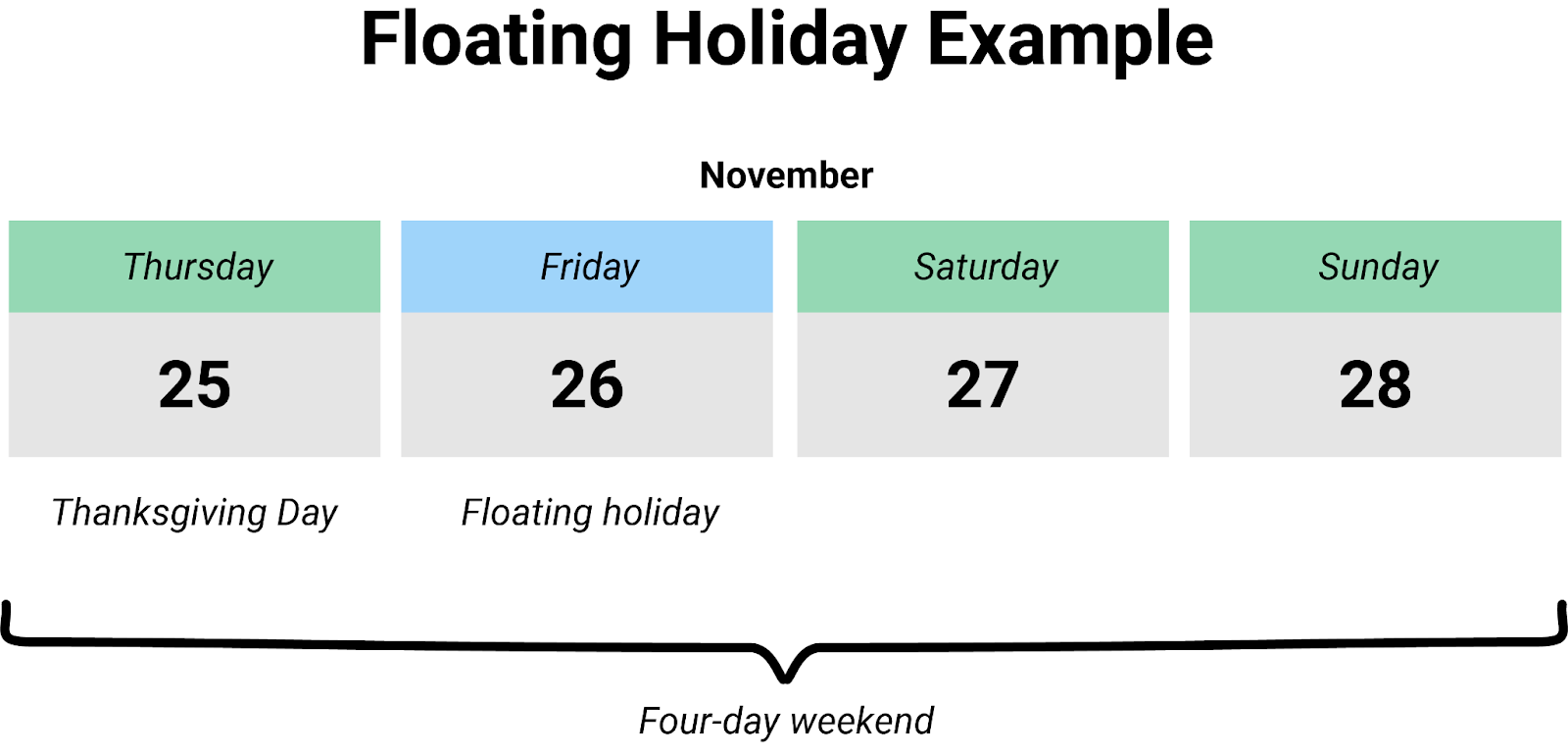
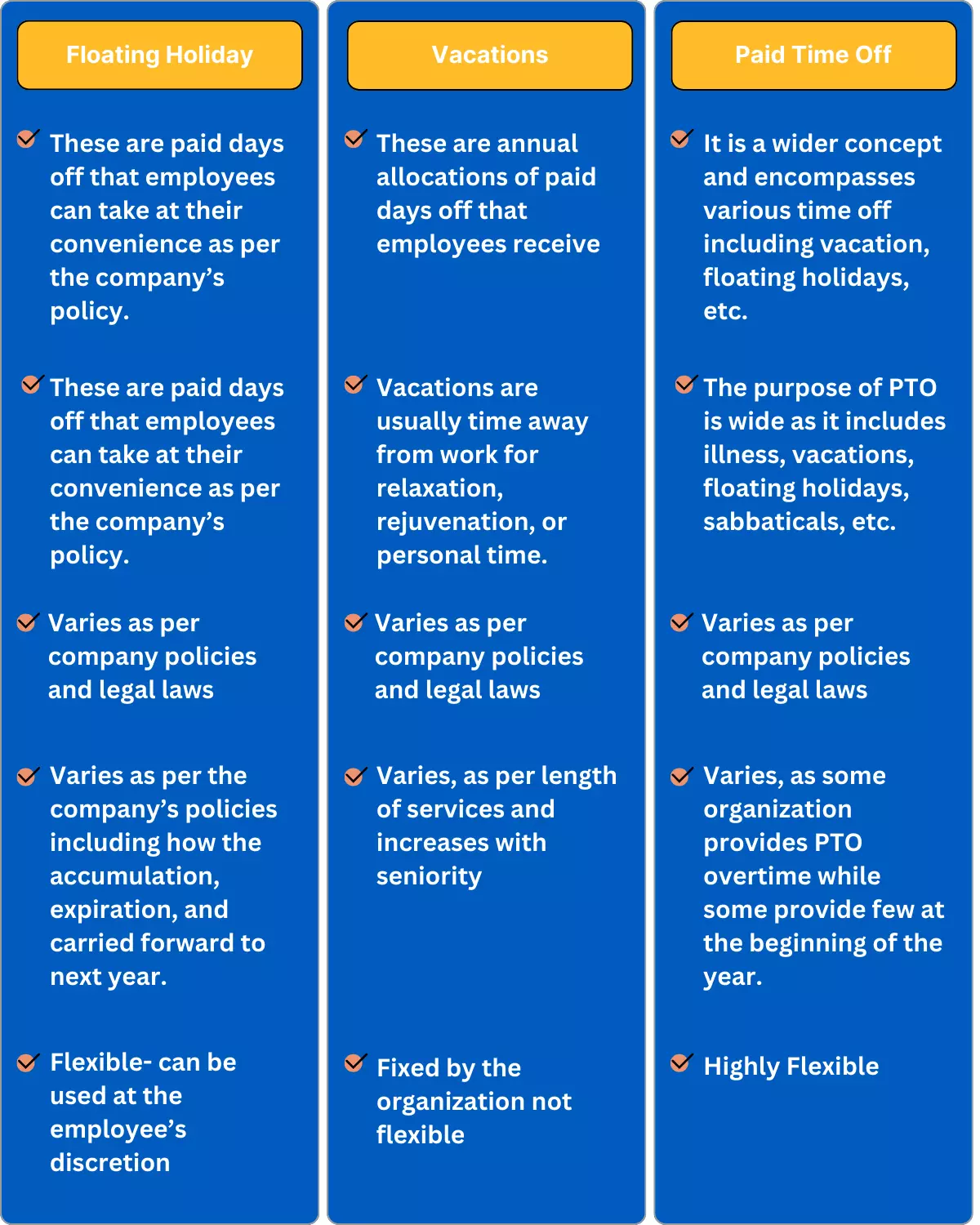
At its heart, a floating holiday is a paid day off that an employee can take at their discretion, subject to certain guidelines and approval processes. Unlike fixed public holidays, which are designated on specific dates each year (e.g., Christmas Day, Independence Day), floating holidays offer a degree of personalization. This distinction is fundamental to grasping their purpose and utility.
The Contrast: Fixed Holidays vs. Floating Holidays
The primary difference lies in their immutability. Fixed holidays are universally recognized dates on the calendar, often with cultural or historical significance. These are typically observed by most businesses, leading to widespread closures and a collective break. Floating holidays, however, are not tied to any particular date. Instead, they are credits of paid time off that employees can “float” or apply to a day of their choosing. This flexibility allows individuals to observe religious holidays not recognized by their employer, celebrate personal milestones, or simply take an extended break during a less busy period.
The Mechanism: How Floating Holidays Work in Practice
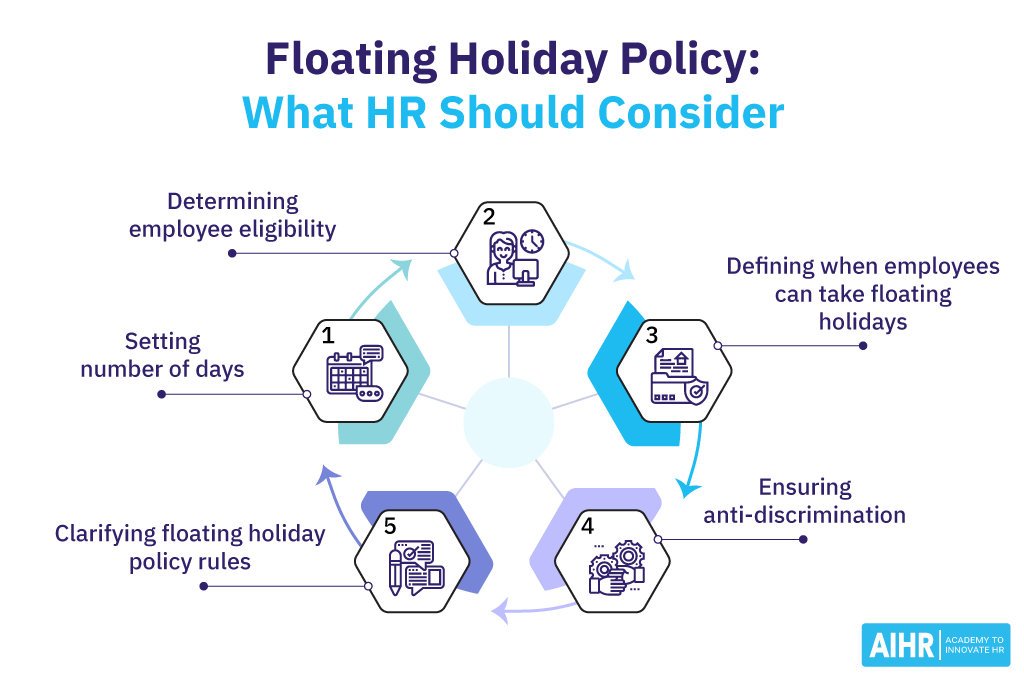
The implementation of floating holidays can vary significantly between organizations. Generally, employees are granted a specific number of floating holiday days per year, often alongside a set of fixed public holidays. The process of utilizing a floating holiday typically involves:
- Request and Approval: Employees usually need to submit a request for their desired floating holiday date in advance, similar to requesting vacation time. This request is subject to manager approval, ensuring that operational needs are met and that multiple employees do not select the same critical dates simultaneously.
- Usage Guidelines: Companies may establish guidelines regarding how and when floating holidays can be used. Some might restrict their use during peak business periods or require a minimum notice period. Others might allow for more liberal usage, treating them as an extension of personal vacation time.
- Accrual and Expiration: Most floating holidays are granted annually and typically do not carry over to the next year, encouraging employees to utilize them within the designated period. Some organizations might, however, offer a limited carry-over provision.
The flexibility inherent in floating holidays makes them a highly valued benefit, as they empower employees to tailor their time off to their individual needs and preferences, thereby contributing to a greater sense of autonomy and work-life balance.
The Financial Landscape: Cost, Compensation, and Impact
While offering a valuable employee benefit, floating holidays also have tangible financial implications for businesses. Understanding these costs, how they are accounted for, and their impact on overall compensation strategies is crucial for sound financial management.
Costing and Accounting for Floating Holidays
The financial cost of a floating holiday is essentially the employee’s regular pay for the day they are off. This cost needs to be factored into payroll budgets. From an accounting perspective, floating holidays are generally treated as accrued liabilities. This means that the cost of the unused floating holidays represents an obligation of the company to its employees.
- Accrued Liabilities: When an employee accrues a floating holiday, the company records it as a liability on its balance sheet. This reflects the future cost of providing that paid time off. As the employee utilizes the holiday, the liability is reduced.
- Payroll Impact: The direct impact on payroll is the wages paid to employees on their floating holiday. This is a predictable expense when planned effectively. However, unexpected surges in usage or poor planning can lead to temporary staffing shortages, potentially impacting productivity and incurring overtime costs for remaining staff.
- Budgeting and Forecasting: Effective financial planning requires accurate budgeting for these employee benefits. Companies need to forecast the potential costs associated with floating holidays, taking into account employee turnover, anticipated usage patterns, and the total number of floating holidays offered.
Floating Holidays as Part of Total Compensation
Floating holidays are a component of an employee’s total compensation package, alongside salary, health insurance, retirement contributions, and other benefits. Their perceived value can significantly influence an organization’s attractiveness to potential hires and its ability to retain existing talent.
- Competitive Advantage: Offering a generous floating holiday policy can provide a competitive edge in the job market, especially for companies looking to attract skilled professionals who prioritize work-life balance.
- Employee Morale and Productivity: When employees feel that their time off is valued and can be used flexibly, their morale and overall job satisfaction tend to increase. This can translate into higher productivity, reduced burnout, and lower employee turnover, all of which have positive financial ramifications for the business.
- Potential for Misuse and Overlap: While designed for flexibility, there’s a potential for misuse if not managed properly. If a large number of employees try to take floating holidays during critical business periods, it can disrupt operations and potentially lead to increased costs through overtime for remaining staff or missed business opportunities. This underscores the importance of robust request and approval systems.
By strategically integrating floating holidays into their compensation structure and managing their associated costs diligently, businesses can leverage this benefit to enhance employee satisfaction and operational efficiency.
Strategic Implications: Enhancing Workplace Culture and Operational Efficiency
Beyond the direct financial considerations, floating holidays play a significant role in shaping workplace culture and can be strategically leveraged to improve operational efficiency. Their impact extends to employee engagement, talent management, and the overall perception of the organization.
Fostering a Culture of Trust and Autonomy
The very nature of floating holidays, which grants employees a degree of control over their time off, fosters a culture of trust and autonomy. This is particularly relevant in today’s work environment, where employees increasingly seek greater control over their schedules and work-life integration.
- Employee Empowerment: By allowing employees to choose their days off, companies demonstrate trust in their ability to manage their workload and personal commitments effectively. This empowerment can lead to increased job satisfaction and a stronger sense of ownership.
- Respect for Personal Values: Floating holidays enable employees to honor personal and cultural observances that may not be recognized by standard public holidays. This inclusivity demonstrates respect for diverse backgrounds and contributes to a more equitable and harmonious workplace.
- Reduced Absenteeism and Presenteeism: When employees have the flexibility to take a day off when they need it for personal reasons, they are less likely to resort to taking sick days for non-illness-related issues. Furthermore, by allowing them to recharge effectively, floating holidays can reduce instances of “presenteeism”—where employees are physically present but not mentally engaged or productive due to exhaustion or personal stress.
Optimizing Workforce Planning and Operational Continuity
While offering flexibility, a well-managed floating holiday policy can also contribute to predictable operational continuity and can even be used as a tool for strategic workforce planning.
- Controlled Departures: By requiring advance requests and manager approval, companies can ensure that a critical mass of employees is always available during peak periods. This controlled approach to time off minimizes disruptions to workflow and client service.
- Balancing Workload and Downtime: Managers can strategically guide the timing of floating holidays. For instance, they might encourage employees to take floating holidays during slower periods or to use them in conjunction with longer vacation breaks. This can help to distribute workload more evenly throughout the year and prevent periods of extreme burnout followed by extended lulls.
- Attracting and Retaining Top Talent: In a competitive labor market, a robust floating holiday policy can be a significant differentiator. It signals that the company values its employees’ well-being and understands the importance of work-life balance. This can be a powerful tool for attracting highly skilled individuals and for retaining existing valuable employees, thereby reducing the costs associated with recruitment and training.
Ultimately, floating holidays, when implemented thoughtfully and strategically, are more than just a perk; they are an investment in employee well-being, a driver of positive workplace culture, and a tool that can contribute to a more resilient and efficient organization.
aViewFromTheCave is a participant in the Amazon Services LLC Associates Program, an affiliate advertising program designed to provide a means for sites to earn advertising fees by advertising and linking to Amazon.com. Amazon, the Amazon logo, AmazonSupply, and the AmazonSupply logo are trademarks of Amazon.com, Inc. or its affiliates. As an Amazon Associate we earn affiliate commissions from qualifying purchases.