
The year Shaquille O’Neal departed from the Los Angeles Lakers is more than just a footnote in NBA history; it represents a significant inflection point in the trajectory of one of the most dominant athletes and recognizable personal brands of his era. While the sports statistics and game-day narratives often dominate discussions, a deeper examination reveals the profound branding implications of this career transition. Understanding when and why Shaq left the Lakers offers valuable insights into strategic brand management, the evolution of personal narratives, and the long-term impact of key career decisions on an individual’s public perception and market value. This analysis transcends simple fan recollection, delving into the strategic decisions and market forces that defined Shaq’s brand post-Lakers.

The Apex of the Lakers Dynasty: Building an Unstoppable Brand
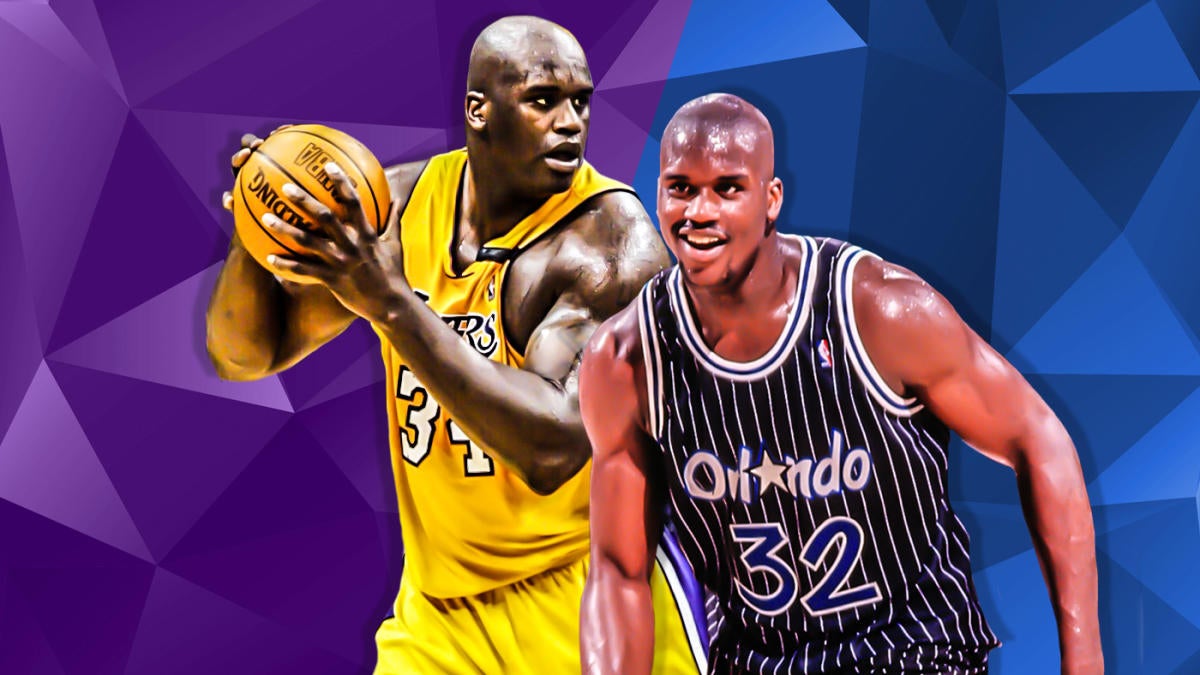
Shaquille O’Neal’s tenure with the Los Angeles Lakers, from 1996 to 2004, was a period of unprecedented success and meteoric brand elevation. This era cemented his status as a global sports icon, leveraging his unparalleled physical dominance, charismatic personality, and penchant for showmanship. The Lakers, with their storied history and massive fanbase, provided the perfect platform to amplify his already burgeoning brand. This wasn’t merely about winning championships; it was about crafting a narrative of invincibility and entertainment that resonated far beyond the hardwood.
The “Superman” Persona: Dominance and Charisma
During his time with the Lakers, Shaq cultivated a persona that was larger than life, much like his physical stature. Dubbed “Superman,” he was an unstoppable force on the court, a dominant center who single-handedly reshaped opposing defenses. This athletic supremacy was the bedrock of his brand, providing the undeniable proof of his exceptional talent. However, Shaq’s brand was never solely about raw power. His infectious personality, his playful taunts, his signature laugh, and his willingness to engage with the media and fans transformed him from a fearsome competitor into a beloved entertainer. This blend of athletic prowess and genuine charisma made him incredibly marketable.
Championship Success and Brand Amplification
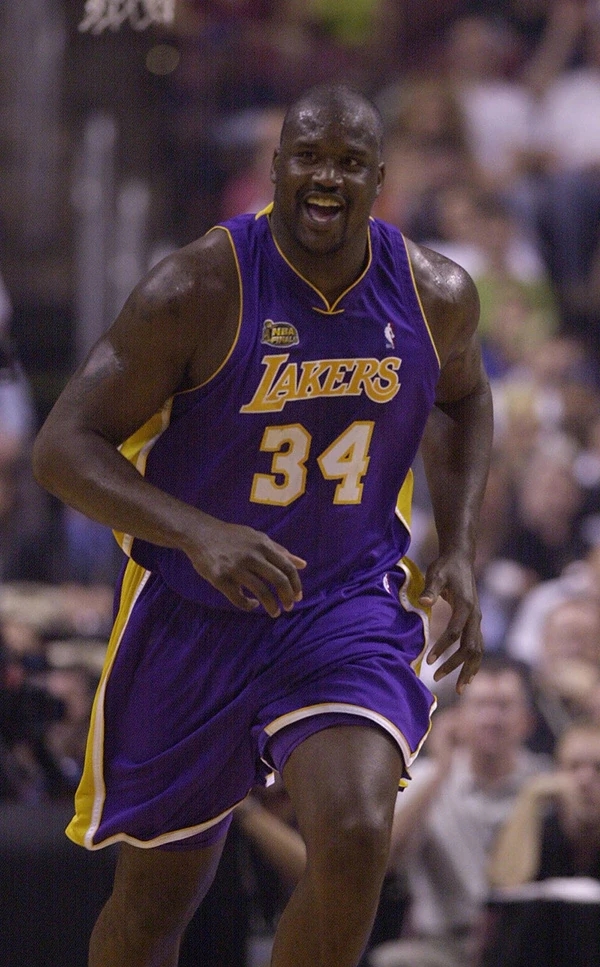
The three NBA championships Shaq won with the Lakers (2000, 2001, 2002) were instrumental in solidifying his brand. Each victory was a testament to his leadership and ability to perform under immense pressure, further enhancing his reputation as a winner. These championship runs provided a consistent stream of media attention, amplifying his brand across national and international platforms. He became a household name, recognized not just by basketball fans but by people from all walks of life. His endorsements, movie roles, and music ventures all benefited from the halo effect of the Lakers’ success and his central role in it. The Lakers brand, already one of the most valuable in sports, became inextricably linked with Shaq’s dominant image, creating a symbiotic relationship that benefited both parties immensely. He was the face of a dynasty, and that made his personal brand arguably the most powerful in the NBA at that time.
The Seeds of Dissolution: Unraveling the Brand Synergy
Despite the immense success and the seemingly unshakeable partnership, cracks began to appear in the Shaq-Lakers union. The friction that ultimately led to his departure was not just a result of on-court dynamics or interpersonal conflicts; it represented a growing disconnect between the evolving needs of his personal brand and the constraints of the team structure. The very elements that had propelled his brand forward began to create tension, highlighting the delicate balance required to sustain such a high-profile association.
Growing Pains and Evolving Aspirations
As Shaq’s career progressed, his aspirations began to broaden beyond the confines of a single team. While he was still an elite player, the relentless demands of leading a championship contender, coupled with his expanding off-court ventures, placed immense pressure on him. The dynamic between Shaq and Kobe Bryant, while producing incredible success, also fostered a competitive tension that ultimately became unsustainable. From a branding perspective, this friction suggested a divergence in the narrative arcs of the two stars. Shaq’s brand was one of a dominant, fun-loving king, while Kobe’s was evolving towards a more focused, singular drive for greatness. This difference in vision and personality began to overshadow the shared success.
The Business of Basketball: Contractual and Managerial Realities
The eventual departure in 2004 was heavily influenced by contractual discussions and the perceived direction of the Lakers franchise. Phil Jackson, the architect of the Lakers’ dynasty, departed the coaching role, and management began to focus more heavily on building around Kobe Bryant. For Shaq, this signaled a shift in the team’s strategic priorities, and by extension, a potential diminishment of his central branding role. The financial realities of an aging superstar nearing the end of his prime, combined with the Lakers’ desire to secure their future with a younger core, created a scenario where his departure became not only plausible but, from a business and branding standpoint, perhaps inevitable. The Lakers, as a corporate entity, had to make a decision that best served their long-term brand and financial interests, and this ultimately meant moving in a different direction.
The Post-Lakers Era: Reinventing and Expanding the Shaq Brand
Shaquille O’Neal’s trade from the Lakers to the Miami Heat in 2004 marked the beginning of a new chapter, one where he would demonstrate the resilience and adaptability of his personal brand. This wasn’t an ending but a strategic pivot, allowing him to rebuild and redefine his narrative in a new environment. The experience underscored the importance of personal brand autonomy and the ability to evolve even after a significant, public separation from a powerful established brand.
Rebuilding with the Heat: A New Championship Narrative
Joining the Miami Heat presented Shaq with an opportunity to prove that his championship pedigree was not solely dependent on the Lakers. Teaming up with a young Dwyane Wade, Shaq embraced a slightly different role, leveraging his veteran leadership and continued dominance to help guide the Heat to a championship in 2006. This victory was crucial for his brand. It showcased his ability to adapt, to mentor, and to still be a primary contributor to championship success. It reinforced his image as a winner, irrespective of the team colors he wore. This move demonstrated a strategic understanding of how to maintain relevance and continue to build on his legacy, proving that his brand power extended beyond a single team.
The Entrepreneurial Giant: Diversification Beyond the Court
The years following his Lakers departure saw Shaq masterfully leverage his brand across a multitude of platforms, solidifying his status as a business mogul and media personality. His transition from a dominant athlete to a ubiquitous brand ambassador, television analyst, and successful entrepreneur is a masterclass in personal branding. He diversified his income streams and expanded his reach, demonstrating that his brand was not just about basketball but about a larger-than-life personality with a keen understanding of the entertainment and business worlds. His ventures in fast food franchises, his role as a pitchman for numerous products, and his successful media career all attest to the enduring power and adaptability of the “Shaq” brand, a testament to the strategic decisions made throughout his career, including the pivotal year he left the Lakers. This strategic diversification ensured that his influence and marketability remained potent long after his playing days concluded.
aViewFromTheCave is a participant in the Amazon Services LLC Associates Program, an affiliate advertising program designed to provide a means for sites to earn advertising fees by advertising and linking to Amazon.com. Amazon, the Amazon logo, AmazonSupply, and the AmazonSupply logo are trademarks of Amazon.com, Inc. or its affiliates. As an Amazon Associate we earn affiliate commissions from qualifying purchases.