
Jury duty is a cornerstone of our justice system, a civic responsibility that empowers citizens to participate directly in the administration of law. While the focus of jury service is rightfully on the legal proceedings and the weight of the decisions made, there’s a practical, often overlooked aspect that can impact one’s experience: attire. For those summoned to jury duty in Texas, understanding what to wear is not merely about personal preference; it’s about projecting respect for the court, ensuring comfort, and fostering an environment conducive to fair deliberation. This guide delves into the nuances of appropriate dress for jury duty in the Lone Star State, offering insights beyond a simple “business casual” dictum.
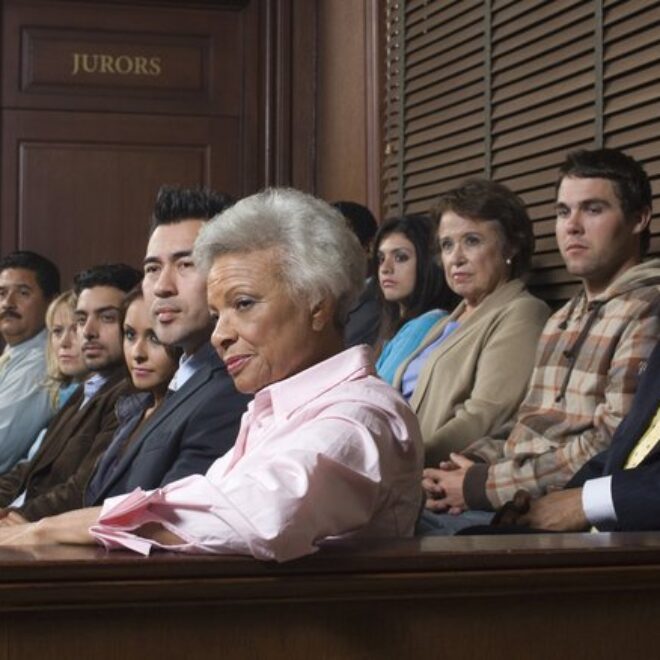
The Foundation of Courtroom Appropriateness: Respect and Professionalism
The courtroom, regardless of its specific location within Texas, is a formal setting. It’s a place where serious matters are adjudicated, and where individuals’ rights and freedoms are often at stake. Consequently, the prevailing expectation is for participants to dress in a manner that reflects this gravity. This doesn’t necessitate expensive suits or formal gowns, but rather a mindful selection of clothing that conveys seriousness and respect for the proceedings and the people involved.
Understanding the “Why” Behind Dress Codes
The rationale behind dressing appropriately for jury duty stems from several key principles. Firstly, it’s about showing deference to the judicial process. By dressing in a way that acknowledges the formality of the court, jurors signal their understanding of the importance of their role. Secondly, it contributes to a more professional atmosphere, which can subtly influence the demeanor of everyone present. When individuals are dressed in a way that suggests they are taking the proceedings seriously, it can foster a more focused and respectful environment for all. Thirdly, and perhaps most importantly for the juror, appropriate attire can significantly impact your personal comfort and overall experience. Being dressed in ill-fitting, overly casual, or distracting clothing can create discomfort that might detract from your ability to concentrate on the evidence presented.
Beyond the Basics: Contextualizing Texas Courtrooms
Texas, with its diverse legal landscapes from bustling metropolitan areas to rural counties, offers a spectrum of court environments. While a general principle of professionalism applies across the board, there can be subtle variations. A county courthouse in a smaller town might have a slightly more relaxed, though still professional, atmosphere compared to a federal courthouse in a major city. However, it’s always safer to err on the side of more formal rather than less. The judge, court staff, and attorneys are typically dressed in professional attire, and jurors are expected to align with this standard. This doesn’t mean replicating their exact sartorial choices, but rather adhering to a similar level of polish.
Navigating the Spectrum: What Constitutes Appropriate Jury Duty Attire
When considering what to wear, think of it as a smart-casual approach with an emphasis on conservative choices. The goal is to be presentable, comfortable, and unobtrusive. The following guidelines provide a framework for making informed decisions about your jury duty wardrobe.
Professionalism for Men: Classic and Comfortable Choices
For men, the foundation of appropriate jury duty attire often lies in classic, well-fitting pieces. A button-down shirt is a staple, preferably in a solid color or a subtle pattern like pinstripes or checks. Ensure the shirt is clean, pressed, and free of wrinkles. Trousers, such as khakis, chinos, or dress slacks, are generally acceptable. Avoid jeans, shorts, or athletic pants. A sport coat or a blazer can elevate the look and provide an added layer of professionalism, especially in cooler environments or if you anticipate a more formal setting. Ties are generally not required, but if worn, they should be conservative in design and color.
Footwear for men should be closed-toe shoes that are clean and polished. Loafers, oxfords, or dress boots are suitable options. Sneakers, sandals, or flip-flops are considered too casual. When it comes to accessories, keep them minimal. A watch is appropriate, but avoid excessive jewelry or anything flashy.
Professionalism for Women: Versatile and Polished Options
Women have a broader range of options within professional attire, but the core principles of conservatism and comfort remain paramount. Skirts or dresses that fall to at least knee-length are appropriate. Tailored trousers or slacks are also an excellent choice. When selecting a skirt or dress, ensure it is not too tight, too short, or too revealing. A well-fitting blouse or a simple knit top can be paired with skirts or trousers. Consider solid colors or subtle prints that are not distracting.
A blazer or a cardigan can add a layer of polish and warmth. For those who prefer dresses, a sheath dress or a A-line dress is a good option. Similar to men, avoid overly casual fabrics or styles, such as t-shirts with large graphics or ripped denim.
Footwear for women should also be closed-toe and comfortable for potentially long periods of sitting. Heels are acceptable, but they should be of a moderate height that allows for comfortable walking and standing. Flats, loafers, or conservative dress boots are also good choices. Avoid athletic shoes, flip-flops, or overly high stilettos. Accessories should be kept understated. Simple jewelry, a professional-looking handbag, and minimal makeup contribute to a polished appearance.
What to Avoid: Common Pitfalls and Distractions
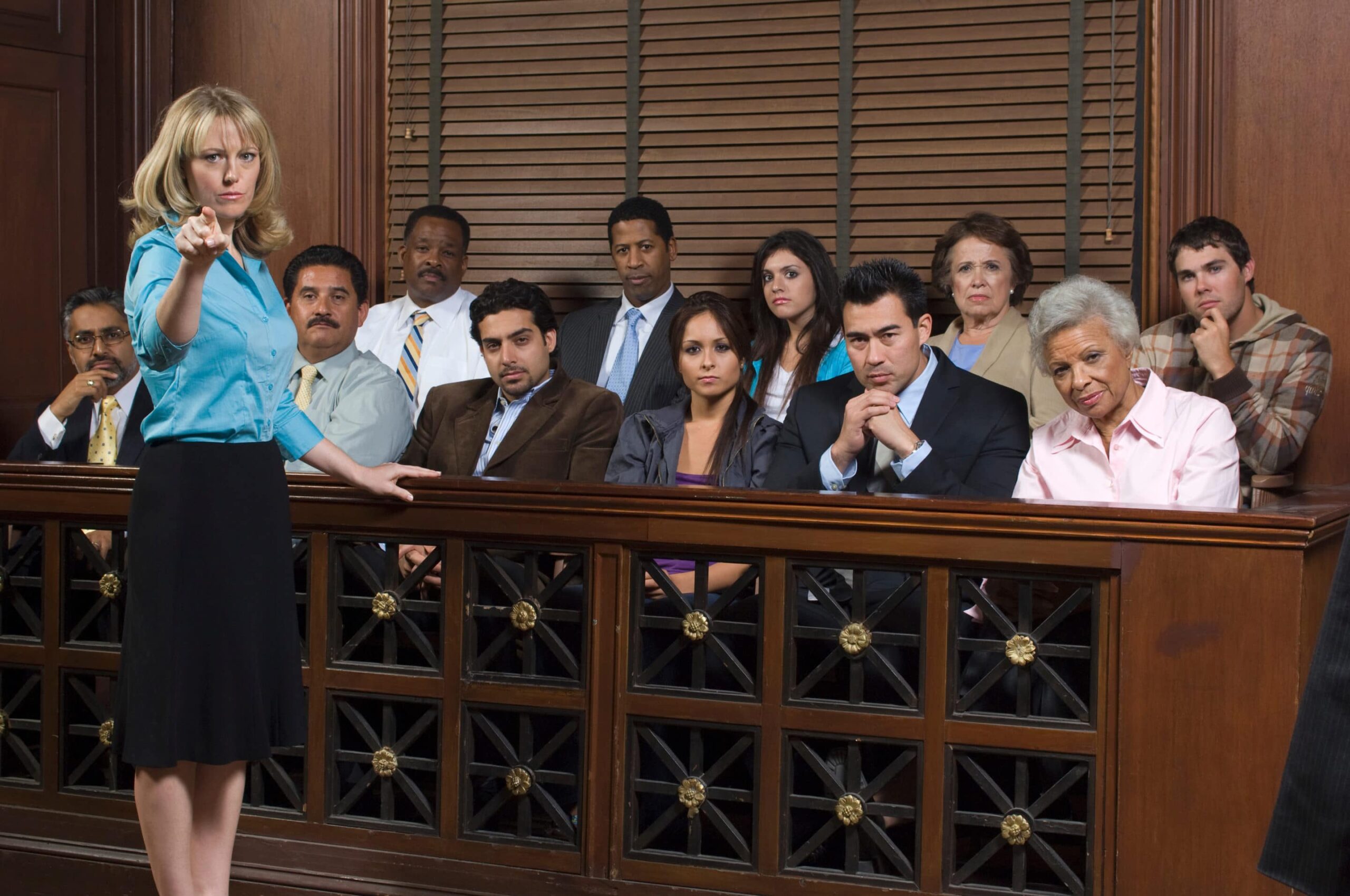
Certain clothing items are almost universally considered inappropriate for a formal setting like a courtroom. Awareness of these can help you steer clear of any unintentional missteps.
- Denim: Unless specifically stated otherwise by the court, jeans of any kind (including distressed or dark wash) should be avoided. They are generally perceived as too casual for a professional environment.
- Athletic Wear: This includes sweatpants, leggings (unless worn as a base layer under a dress or skirt that is already deemed appropriate), athletic shorts, hoodies, and sports jerseys.
- T-shirts with Graphics or Slogans: T-shirts, especially those with large logos, band names, political statements, or potentially offensive graphics, are distracting and unprofessional.
- Revealing Clothing: This category encompasses very short skirts or dresses, low-cut tops, sheer fabrics, and clothing that exposes excessive amounts of skin.
- Flip-flops and Sandals: Open-toed shoes are generally not recommended, and flip-flops are considered far too casual.
- Hats and Sunglasses (Indoors): Unless for religious or medical reasons, hats and sunglasses should be removed upon entering the courthouse.
- Overly Casual Fabrics: Consider the material of your clothing. While comfort is important, very casual fabrics like heavily distressed cotton or overly clingy knits might not be suitable.
It’s also worth noting that while the article title mentions Texas, the principles of appropriate dress for jury duty are largely universal across the United States. The specific nuances might involve understanding local customs or particular court dress codes, but the overarching theme of professionalism and respect remains constant.
Comfort and Practicality: Ensuring a Positive Jury Duty Experience
Beyond the aesthetic considerations of professionalism, comfort plays a crucial role in your ability to serve effectively. Jury duty can involve long hours, periods of waiting, and the mental exertion of listening to testimony and deliberating. Dressing for comfort ensures you can maintain focus and patience throughout the process.
Layering for Unpredictable Courtroom Temperatures
Courtrooms, like many public buildings, can have unpredictable temperature control. It might be overly air-conditioned, leading to a chill, or the heating might be set higher than expected. Wearing layers is a strategic approach to manage these fluctuations. A blazer, cardigan, or a light jacket can be easily removed or added as needed, allowing you to maintain a comfortable body temperature without compromising your professional appearance. This is particularly important for women, as dresses and skirts might offer less warmth than trousers.
Footwear: The Foundation of Enduring Comfort
As mentioned, comfortable footwear is non-negotiable. You might be asked to stand for extended periods, walk to different areas of the courthouse, or even sit for lengthy trials. Shoes that pinch, rub, or lack proper support can quickly turn a manageable day into an uncomfortable ordeal. Prioritize shoes that are broken in, offer good arch support, and are suitable for walking. This is where investing in a good pair of well-made, professional-looking shoes pays dividends.
The Importance of a Well-Organized Bag
While not strictly clothing, the bag you carry can significantly impact your comfort and preparedness. Many courthouses have security screenings, similar to airports. Therefore, it’s wise to pack your bag thoughtfully. Bring essentials like a book, a notebook, and a pen for any downtime. Avoid bringing large backpacks or oversized bags that might be cumbersome or prohibited. A medium-sized, professional-looking tote bag or briefcase is ideal for carrying your belongings without being obtrusive. Ensure all liquids comply with courthouse regulations.
Special Considerations for Specific Situations
While general guidelines cover most scenarios, there might be instances where additional considerations are necessary.
Religious and Medical Exemptions
Texas, like other states, respects individuals’ religious and medical needs. If you have a specific religious belief that dictates certain attire, or a medical condition that requires particular clothing or footwear, it is crucial to communicate this to the court in advance. You can typically do this by contacting the court clerk’s office or by bringing a doctor’s note to your jury summons appointment. The court will strive to accommodate reasonable requests while maintaining the decorum of the proceedings.
What If You’re Unsure? The Safest Approach
When in doubt, always err on the side of being more formal. It is far better to be slightly overdressed than underdressed for jury duty. If you are unsure about a particular item of clothing, consider whether it would be appropriate for a job interview or a formal meeting. If the answer is yes, it’s likely suitable for jury duty. You can also consult the specific jury summons you received. Sometimes, the summons itself will include specific instructions or recommendations regarding attire. If no specific guidance is provided, a conservative business-casual approach is your best bet.
Conclusion: Dressing for Duty and Dignity
Serving on a jury is a vital civic duty that upholds the principles of justice. By approaching your jury duty in Texas with thoughtful attention to your attire, you not only demonstrate respect for the court and its processes but also enhance your own comfort and ability to contribute meaningfully. The goal is to present yourself as a responsible, engaged citizen, ready to fulfill this important role with dignity and purpose. A clean, well-fitting, and conservative outfit – whether it’s a button-down shirt and slacks or a knee-length skirt and blouse – will ensure you are prepared to serve effectively and with confidence. Remember, your attire is a subtle yet significant way to communicate your readiness to participate in the serious and essential work of the jury.
aViewFromTheCave is a participant in the Amazon Services LLC Associates Program, an affiliate advertising program designed to provide a means for sites to earn advertising fees by advertising and linking to Amazon.com. Amazon, the Amazon logo, AmazonSupply, and the AmazonSupply logo are trademarks of Amazon.com, Inc. or its affiliates. As an Amazon Associate we earn affiliate commissions from qualifying purchases.