
Buying a car is one of the most significant financial commitments an individual will make, often second only to purchasing a home. However, unlike real estate, which generally appreciates over time, a vehicle is a depreciating asset. Therefore, the question of “how can I buy a car” should not merely be answered with a logistical checklist, but rather with a robust financial strategy. Approaching this purchase through the lens of personal finance ensures that you not only drive away in a reliable vehicle but do so without compromising your long-term wealth-building goals.
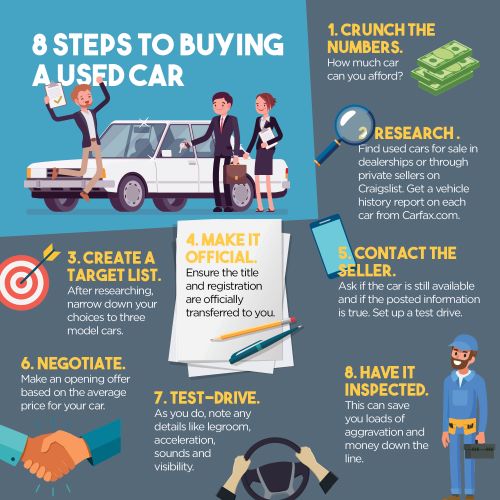
1. Mastering Your Budget: The Foundation of Car Ownership
The most common mistake in car buying is focusing on the monthly payment rather than the total cost of ownership. To navigate this successfully, one must apply rigorous financial principles to determine what is truly affordable.
The 20/4/10 Rule of Thumb
Financial experts often recommend the 20/4/10 rule as a benchmark for vehicle affordability. First, you should aim to make a down payment of at least 20%. This immediate equity protects you from becoming “upside down” on your loan—where you owe more than the car is worth—as soon as you drive off the lot. Second, the financing term should not exceed 4 years (48 months). While 72-month or even 84-month loans are becoming common, they result in excessive interest payments and long-term debt traps. Finally, your total monthly transportation costs—including loan payments, insurance, and fuel—should not exceed 10% of your gross monthly income.
Accounting for Hidden Costs
The “sticker price” is only the beginning. A savvy financial move involves calculating the “Total Cost of Ownership” (TCO). This includes:
- Sales Tax and Registration: Depending on your jurisdiction, these can add thousands to the initial cost.
- Insurance Premiums: Performance vehicles or new models often command higher premiums. It is wise to get insurance quotes for specific models before finalizing a purchase.
- Maintenance and Repairs: Every vehicle has a scheduled maintenance cost. Luxury European brands often have significantly higher parts and labor costs compared to domestic or Japanese economy brands.
- Fuel Efficiency: A lower purchase price might be offset by high monthly fuel expenditures if the vehicle has poor MPG.
2. Navigating Financing and Interest Rate Optimization
Unless you are paying in full with cash—which is often the most sound financial move if it doesn’t deplete your emergency fund—you will need to navigate the complexities of credit and interest rates.
Understanding the Impact of Credit Scores
Your credit score is the primary lever in determining the Annual Percentage Rate (APR) of your car loan. A difference of 2% or 3% in an interest rate might seem negligible, but over a four-year loan on a $30,000 vehicle, it can equate to thousands of dollars in lost capital. Before stepping into a dealership, obtain your credit report. If your score is on the cusp of a higher tier, it may be financially prudent to delay the purchase by six months to improve your score through timely debt payments and credit utilization management.
Pre-approval vs. Dealership Financing
One of the strongest tools in a buyer’s arsenal is a pre-approved loan from a credit union or a traditional bank. Dealerships often treat “Financing and Insurance” (F&I) as a major profit center. They may mark up the interest rate provided by the lender and pocket the difference as a “reserve.” By arriving with a pre-approval letter, you set a ceiling on the interest rate. If the dealer can beat your bank’s rate, you win; if they cannot, you are protected from predatory lending practices.
The Lease vs. Buy Dilemma
From a pure wealth-accumulation perspective, buying a reliable used car and driving it for a decade is almost always superior to leasing. Leasing is essentially paying for the most expensive years of a car’s life (the period of highest depreciation) without gaining any equity. However, for business owners who can utilize specific tax deductions, or individuals who prioritize a new vehicle warranty every three years, leasing may be a calculated choice. Nevertheless, for the average consumer, purchasing remains the more effective path to building net worth.
3. The Art of Value Optimization and Negotiation
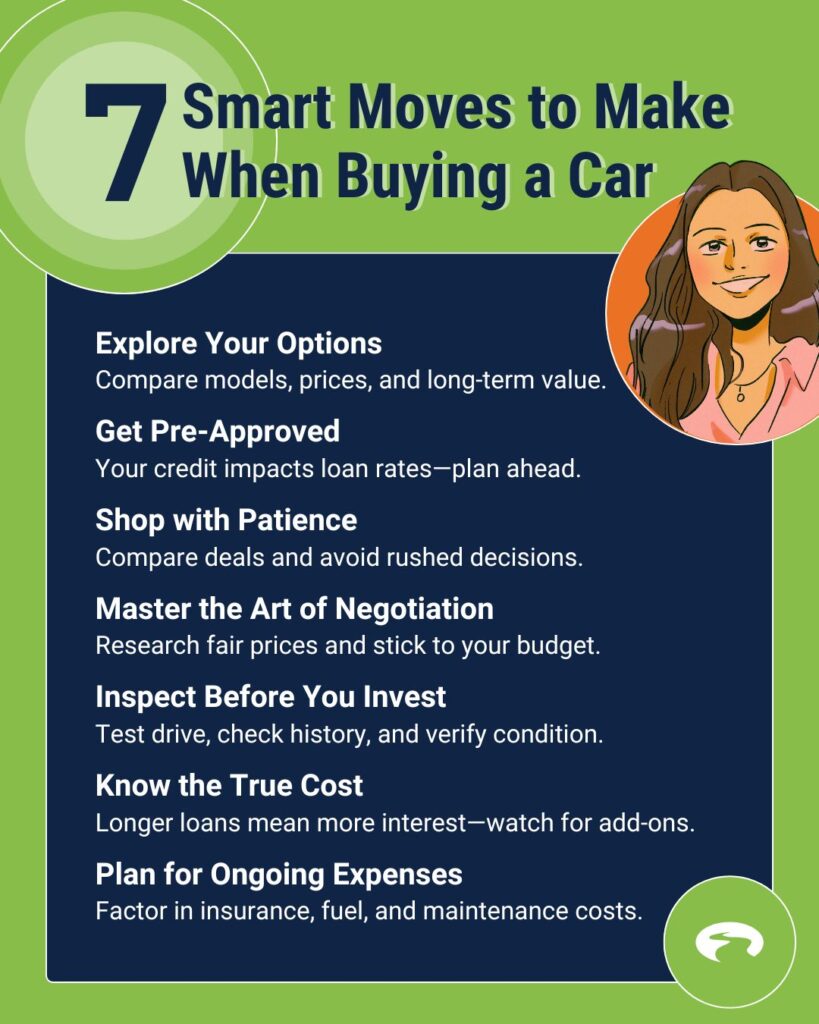
Once the budget is set and financing is secured, the focus shifts to the transaction itself. Negotiation in car buying is not just about haggling; it is about information asymmetry.
Researching Market Value and “Out-the-Door” Pricing
To negotiate effectively, you must know what the dealer paid for the car (the invoice price) and what the current market demand dictates. Tools like Kelley Blue Book, Edmunds, and NADA provide reliable data on what others are paying for similar models in your zip code.
When discussing price, always pivot the conversation to the “Out-the-Door” (OTD) price. Salespeople often try to hide fees in the fine print or focus on the monthly payment to distract from high-interest rates or unnecessary add-ons. The OTD price is the final, total figure including all taxes, titles, and fees. This transparency allows for a true “apples-to-apples” comparison between different dealerships.
The Timing Strategy
The timing of your purchase can yield significant dividends. Dealerships and individual salespeople often have monthly, quarterly, and annual sales quotas. Buying a car at the end of a month, or better yet, in late December, can lead to more aggressive discounting as the staff works to meet their performance bonuses. Additionally, purchasing an outgoing model year when the new models arrive on the lot can provide immediate “instant equity” through manufacturer rebates and dealer incentives.
The Role of Trade-ins and Down Payments
A trade-in is a convenient but often expensive way to dispose of your old vehicle. From a financial standpoint, you will almost always get more money by selling your car privately. However, some states offer a tax credit on the value of the trade-in, which might bridge the gap between the private sale price and the dealer’s offer. Always treat the trade-in as a completely separate transaction from the purchase of the new car to ensure the dealer isn’t simply shifting numbers around to make a deal look better than it is.
4. Long-Term Wealth Preservation and Depreciation Management
A car is not an investment; it is a utility. To minimize its impact on your financial health, you must manage its loss of value over time.
The Sweet Spot: Buying Used
A new car loses approximately 20% of its value the moment it leaves the lot and nearly 60% of its value within the first five years. By purchasing a vehicle that is 3 to 4 years old, you allow the first owner to take the largest financial hit. You receive a vehicle that likely still has modern safety features and technology but at a 40% discount. “Certified Pre-Owned” (CPO) programs can offer an additional layer of financial security by providing manufacturer-backed warranties that mitigate the risk of expensive mechanical failures.
Maintenance as an Investment
Skimping on maintenance is a classic example of being “penny wise and pound foolish.” A well-documented service history not only extends the life of the vehicle—allowing you to go longer without a car payment—but also significantly increases the resale value when it eventually comes time to sell. Following the manufacturer’s service schedule is a form of insurance against the catastrophic failure of major components like the engine or transmission.
Avoiding the “Sunk Cost” Trap
There comes a point in every vehicle’s life where the cost of repairs exceeds its utility or its market value. A strategic car owner knows when to stop pouring money into an aging asset. If your annual repair bills are approaching the cost of a year’s worth of payments on a newer, more reliable vehicle, it may be time to liquidate the asset. Continuing to repair a failing vehicle often prevents you from saving for its replacement, leading to a cycle of emergency spending rather than planned investing.

Conclusion
Buying a car is a complex financial maneuver that requires discipline, research, and a clear understanding of your personal economy. By adhering to strict budgeting rules, securing your own financing, and understanding the mechanics of depreciation, you transform a potentially stressful expenditure into a calculated move that supports your overall financial well-being. Remember: the goal isn’t just to buy a car; the goal is to own a car that doesn’t own you. Through strategic planning, you can enjoy the freedom of the road while keeping your financial future firmly on track.
aViewFromTheCave is a participant in the Amazon Services LLC Associates Program, an affiliate advertising program designed to provide a means for sites to earn advertising fees by advertising and linking to Amazon.com. Amazon, the Amazon logo, AmazonSupply, and the AmazonSupply logo are trademarks of Amazon.com, Inc. or its affiliates. As an Amazon Associate we earn affiliate commissions from qualifying purchases.