
In the bustling world of home economics, where every dollar saved contributes to financial well-being, even the most seemingly trivial kitchen decisions can hold surprising economic implications. Among these is the humble act of greasing a pan. While often overlooked as a mere culinary step, the choice of what to use as a pan lubricant can significantly impact your grocery bill, the longevity of your cookware, and even your long-term health-related expenses. This guide delves into the financial aspects of pan greasing, transforming a simple kitchen task into an opportunity for smart money management. We’ll explore the cost-effectiveness, value, and long-term benefits of various greasing agents, empowering you to make informed choices that benefit your wallet and your well-being.
The Economic Landscape of Cooking Lubricants
When considering “what to grease a pan with,” the immediate thought might be flavor or function. However, from a financial standpoint, the economic landscape of cooking lubricants is far more nuanced. It involves evaluating not just the upfront cost of a product but also its usage efficiency, its impact on cookware durability, and potential health implications that can translate into future financial burdens. Understanding these factors allows for a more strategic approach to stocking your pantry, ensuring you get the most value for your money.
Analyzing Upfront Costs and Bulk Buying Strategies
The most direct economic consideration is the purchase price of cooking lubricants. Oils like vegetable oil, canola oil, and olive oil are often purchased in large quantities. While a small bottle might seem convenient, buying in larger jugs or multi-packs almost invariably offers a lower per-unit cost. For instance, a gallon of vegetable oil will almost always be cheaper per fluid ounce than a 16-ounce bottle. This principle of bulk buying is a cornerstone of frugal living and applies directly to your pantry staples.
Consider the price fluctuations of different oils. While extra virgin olive oil is lauded for its health benefits and flavor, its higher cost makes it less economical for general pan greasing compared to more neutral oils like canola or vegetable oil. For everyday cooking, a less expensive, high-smoke-point oil might be the more financially prudent choice, reserving premium oils for dishes where their specific flavor profile is essential.
Furthermore, smart shopping plays a crucial role. Keeping an eye on sales, using coupons, and shopping at discount grocery stores can further reduce the cost of these essential items. Loyalty programs offered by supermarkets can also accumulate savings over time, making your regular grocery runs more financially rewarding. For those who cook frequently, investing in a larger container during a sale can lock in a lower price for an extended period, providing consistent savings.
Understanding Usage Efficiency and Waste Reduction
Beyond the sticker price, the efficiency with which a lubricant is used directly impacts its true cost. Over-application leads to unnecessary expenditure and can also negatively affect the quality of your cooking, potentially leading to wasted food. A common mistake is to douse the pan with oil, believing more is better. However, a thin, even coating is often all that is required to prevent sticking.
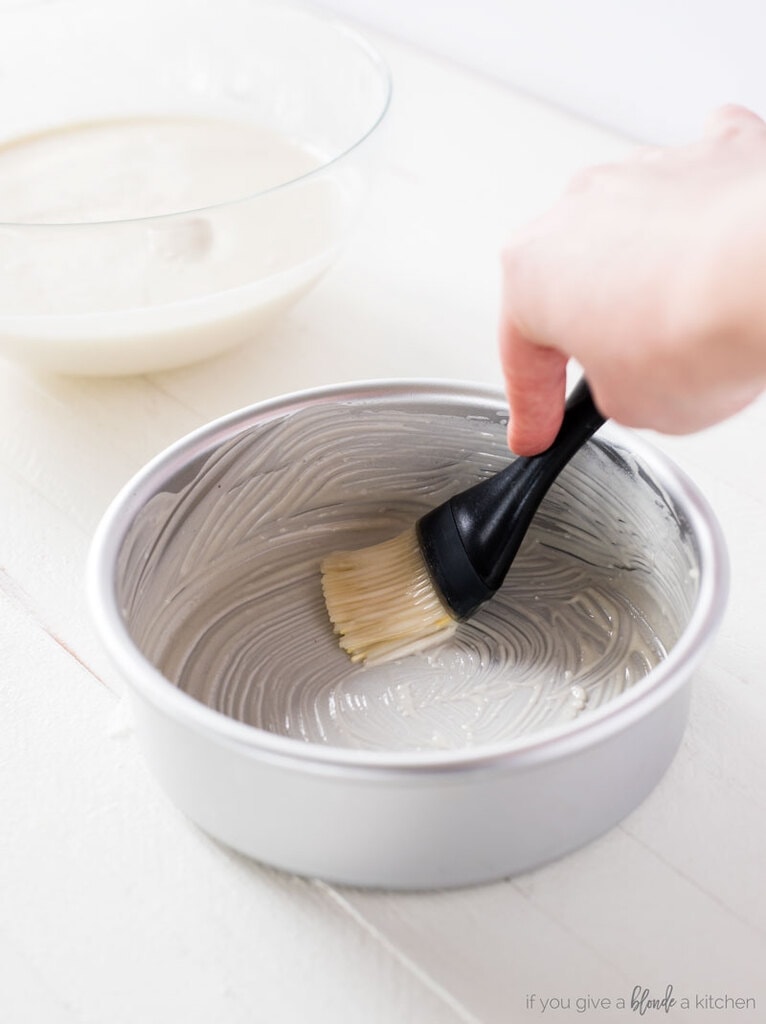
Learning to use just the right amount is a skill that translates into financial savings. For liquid oils, this often means using a spray bottle or a brush to apply a light layer. For solid fats like butter or shortening, using a knife to spread a thin layer or a grater to shave off small amounts can prevent overconsumption. These methods not only reduce waste but also contribute to healthier eating habits, which have long-term financial benefits by potentially reducing healthcare costs.
The concept of “waste reduction” extends beyond simply not pouring too much oil. It also involves using the entire product. For example, if you buy a tub of butter or margarine, ensure you are utilizing the entire quantity before it spoils. Similarly, for oils nearing their expiration date, prioritize their use in everyday cooking rather than letting them go to waste. This mindful consumption minimizes financial losses due to spoilage.
The Long-Term Financial Implications of Pan Lubricant Choices
The economic impact of choosing your pan grease extends far beyond the grocery aisle. The type of lubricant you use can directly influence the lifespan of your cookware, potentially saving you significant replacement costs over time. Furthermore, health considerations linked to certain cooking fats can have substantial long-term financial repercussions.
Preserving Cookware Value: An Investment in Durability
The right lubricant can be a crucial factor in maintaining the integrity and performance of your cookware, thereby extending its usable life. For instance, cast iron pans require specific care, and using certain lubricants can help season and protect the surface, preventing rust and maintaining its non-stick properties. Improper lubrication, or the use of agents that can degrade the pan’s surface, can lead to premature wear and tear, necessitating an earlier replacement.
Non-stick pans, while convenient, also have a finite lifespan, and their coatings can be damaged by excessive heat or abrasive cleaning. Using a lubricant with a lower smoke point than the pan’s heat tolerance can lead to the breakdown of the non-stick coating. This means that while a cheaper oil might seem economical upfront, if it leads to the early demise of an expensive non-stick pan, the overall financial outcome is negative. Investing in a lubricant that is suited to your cookware type and cooking method is an investment in the longevity of your kitchen tools.
Consider the cost of replacing a quality set of pots and pans. These can represent a significant capital investment for a household. By making small, informed choices about your cooking fats, you are effectively protecting that investment. This proactive approach to cookware maintenance can save you hundreds, if not thousands, of dollars over your lifetime by delaying the need for costly replacements.
Health-Conscious Choices for a Fiscally Sound Future
The link between diet and health is undeniable, and health-related expenses can be one of the most significant financial burdens an individual or family can face. The type of fat used for greasing pans can have implications for cholesterol levels, heart health, and overall well-being. While the immediate financial impact might not be apparent, long-term health issues can lead to substantial medical bills, lost income due to illness, and increased insurance premiums.
Choosing healthier fats, even if they have a slightly higher upfront cost, can be a financially prudent decision in the long run. For example, opting for unsaturated fats like olive oil or avocado oil over saturated fats like butter or lard can contribute to better cardiovascular health. This can translate into lower risks of heart disease, stroke, and other conditions that require costly medical interventions.
Furthermore, some cooking sprays contain propellants and additives that may not be ideal for long-term health. While convenient and often perceived as cost-effective due to their perceived low usage, a closer look at their ingredient list and potential health impacts is warranted from a holistic financial perspective. Investing in pure oils and controlling their application can offer a healthier and, over time, more financially secure alternative. This perspective encourages a shift from thinking solely about immediate cost to considering the broader financial implications of health choices.
Strategic Selection: Balancing Cost, Performance, and Health
The ultimate goal when choosing what to grease a pan with is to find a balance between affordability, culinary performance, and long-term health and cookware preservation. This requires a strategic approach, where you consider your cooking habits, the types of pans you own, and your personal health goals.
The Workhorse Oils: Cost-Effective Staples for Everyday Cooking
For the everyday cooking needs of most households, a few “workhorse” oils stand out for their excellent cost-effectiveness and versatility. Vegetable oil and canola oil are typically the most budget-friendly options. They have relatively high smoke points, making them suitable for a wide range of cooking methods, from sautéing to pan-frying. Their neutral flavor profile means they won’t overpower the taste of your food, making them ideal for general-purpose use.
When purchasing these oils, always opt for the largest container your storage space and consumption rate allow. Look for store brands, which are often as good as name brands but at a lower price point. Buying on sale or with coupons can further enhance their affordability. These oils are the financial foundation of your pan greasing strategy, providing reliable performance at a minimal cost.
Specialty Oils: When Flavor and Health Justify the Premium
While workhorse oils are excellent for general use, there are times when a specialty oil is a worthwhile investment. Extra virgin olive oil, for instance, offers a distinct flavor that can elevate certain dishes, and its monounsaturated fat profile is beneficial for heart health. While more expensive per ounce, using it sparingly for finishing dishes or in low-heat applications can be a financially justifiable indulgence.
Avocado oil is another excellent option, boasting a very high smoke point and a mild flavor. Its healthy fat profile makes it a superior choice for high-heat cooking, and while pricier than vegetable oil, its versatility and health benefits can justify the cost for those who prioritize healthy cooking.
The key here is not to forgo specialty oils entirely, but to use them strategically. Understand their unique properties and price points, and allocate them to dishes where their benefits will be most appreciated and financially justified. This approach ensures you enjoy the advantages of premium ingredients without unnecessarily burdening your budget.
The Role of Non-Oil Lubricants: When Alternatives Make Financial Sense
While oils are dominant, other lubricants can also play a role in a financially savvy kitchen. Butter, for example, adds a rich flavor to many dishes and is often relatively inexpensive, especially when purchased in larger blocks or on sale. However, its lower smoke point means it’s best suited for lower-heat cooking or as a flavor enhancer.
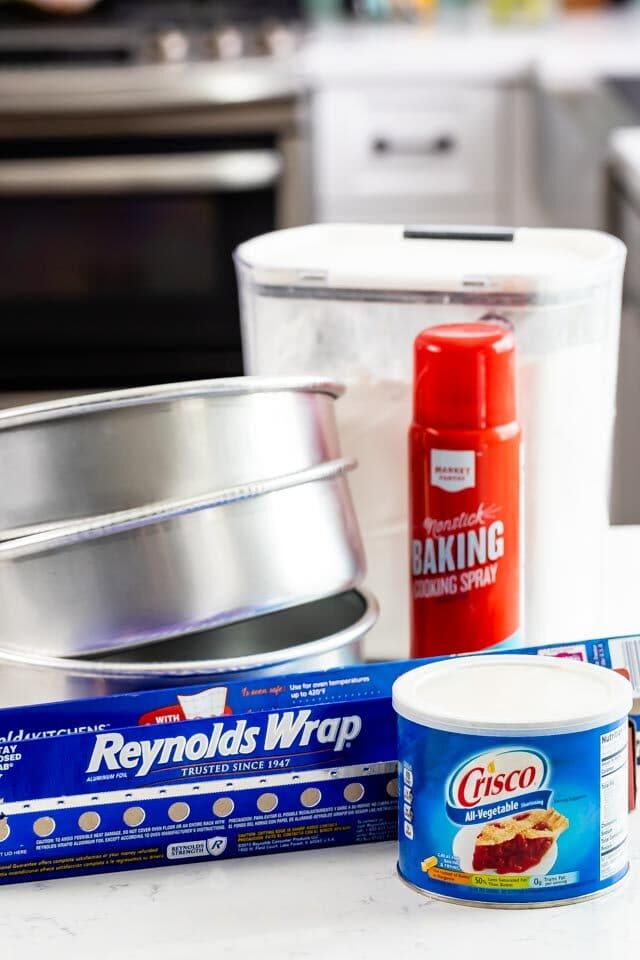
Shortening, both vegetable-based and animal-fat based, has historically been a budget-friendly option for baking and frying. Its high smoke point and ability to create flaky textures make it a cost-effective choice for specific culinary applications. However, its saturated fat content means it should be used in moderation for health-conscious individuals.
Even water or broth can be used to deglaze a pan and prevent sticking in certain situations, completely eliminating the need for added fat and its associated cost. Mastering these alternative methods can further enhance your ability to cook economically and healthily.

Conclusion: Smart Greasing for a Healthier, Wealthier Kitchen
In conclusion, the seemingly simple act of greasing a pan presents a multifaceted financial decision. By understanding the upfront costs, usage efficiencies, and long-term implications for cookware durability and personal health, you can transform this everyday task into a strategic element of your personal finance management. Prioritizing cost-effective workhorse oils for general use, strategically employing specialty oils for flavor and health benefits, and considering the financial advantages of alternative lubricants will not only save you money on your grocery bills but also contribute to a healthier lifestyle and the longevity of your kitchen investments. Make informed choices, minimize waste, and cook your way to a more prosperous and well-nourished future.
aViewFromTheCave is a participant in the Amazon Services LLC Associates Program, an affiliate advertising program designed to provide a means for sites to earn advertising fees by advertising and linking to Amazon.com. Amazon, the Amazon logo, AmazonSupply, and the AmazonSupply logo are trademarks of Amazon.com, Inc. or its affiliates. As an Amazon Associate we earn affiliate commissions from qualifying purchases.