
In the vast and often complex world of finance, where myriad institutions vie for investors’ attention, one name consistently stands out for its unique structure, unwavering philosophy, and profound impact: Vanguard. Often pronounced “Van-guard,” this financial services giant is far more than just another brokerage or fund manager; it represents a revolutionary approach to investing that has empowered millions of individuals to build wealth for their futures. At its core, Vanguard is an investment management company renowned for its low-cost index funds, exchange-traded funds (ETFs), and a client-owned mutual structure that prioritizes investor success above all else. Understanding Vanguard means delving into its distinctive operational model, its pivotal role in democratizing investing, and the enduring principles that have shaped its legacy.

Founded by the legendary John Bogle in 1975, Vanguard embarked on a mission to simplify investing and reduce the burden of fees, which he famously called the “tyranny of compounding costs.” Bogle’s vision was radical for its time: to create a financial institution that operated not for the benefit of external shareholders, but solely for the benefit of its fund investors. This foundational principle has made Vanguard a powerful ally for anyone seeking to grow their money efficiently, transparently, and with a long-term perspective.
The Vanguard Philosophy: A Commitment to Low Costs and Long-Term Investing
Vanguard’s distinctive place in the financial landscape is inextricably linked to its core philosophy, a set of principles that have guided its operations since its inception. This philosophy is centered on the belief that successful investing doesn’t require complex strategies or high-priced advisors, but rather disciplined adherence to a few fundamental tenets: minimize costs, diversify broadly, invest for the long term, and maintain perspective.
The Mutual Structure: Why It Matters for Investors
Perhaps the most defining characteristic of Vanguard is its unique corporate structure. Unlike publicly traded financial companies that have external shareholders to satisfy, Vanguard is structured as a mutual company, meaning the funds it manages collectively own the company itself. In turn, the investors in those funds are the ultimate owners. This “client-owned” model creates a virtuous cycle: because there are no outside shareholders demanding a share of profits, Vanguard can return any operational efficiencies and cost savings directly to its fund investors in the form of lower expense ratios.
This structure eliminates the inherent conflict of interest often found in traditional fund companies, where the profit motive of the company might sometimes diverge from the best interests of its clients. At Vanguard, the interests of the company and its investors are perfectly aligned. This is not just a theoretical difference; it translates into tangible benefits for investors, who consistently pay some of the lowest fees in the industry. Over decades, even seemingly small differences in expense ratios can amount to hundreds of thousands of dollars in additional returns due to the power of compounding. For the diligent saver and investor, this unique alignment is a powerful advantage, reinforcing Vanguard’s commitment to prioritizing the investor’s journey toward financial independence.
Pioneering Index Funds and ETFs
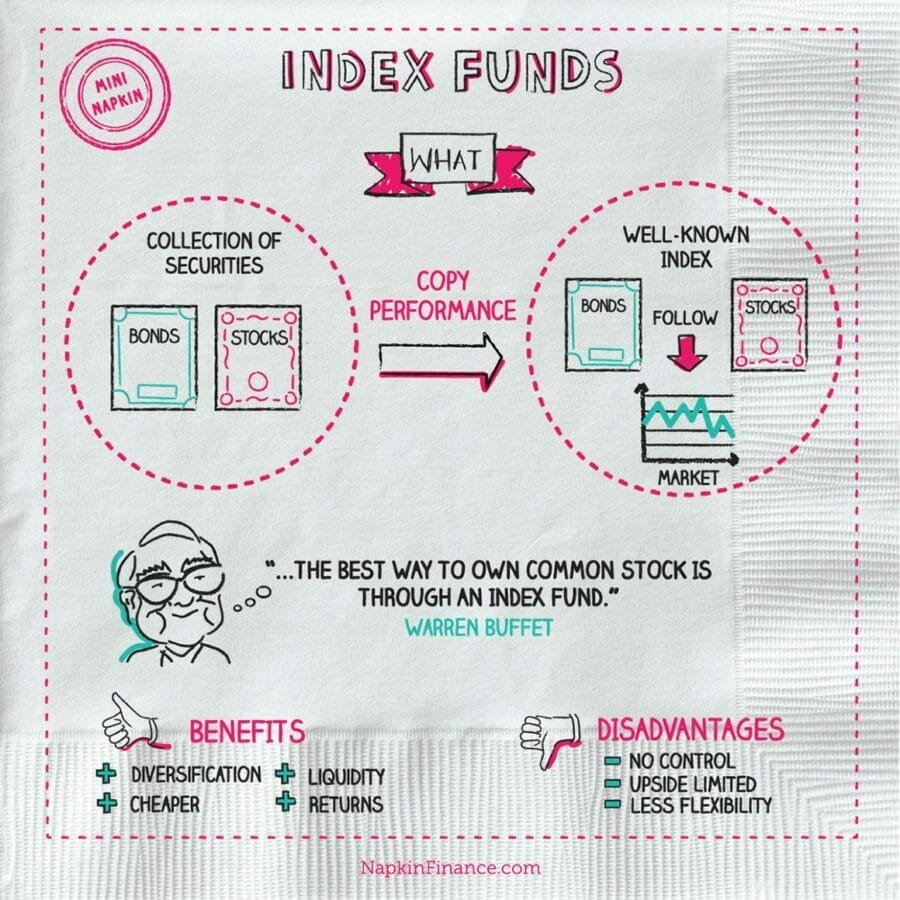
Vanguard is synonymous with index investing, a strategy that has revolutionized how ordinary people participate in capital markets. John Bogle launched the first index mutual fund available to individual investors in 1976 – what is now the Vanguard 500 Index Fund (VFIAX). At the time, active management, where fund managers attempt to beat the market through stock picking, was the prevailing wisdom. Bogle’s contention was that most active managers fail to consistently outperform their benchmarks after fees and taxes, making a low-cost, broadly diversified index fund a superior option for the vast majority of investors.
Index funds simply aim to mirror the performance of a specific market index, such as the S&P 500, the total U.S. stock market, or a global bond market. By holding a basket of securities that replicate the index, these funds require minimal active management, which translates to significantly lower operating costs. Vanguard later extended this concept to Exchange Traded Funds (ETFs), which offer similar diversification and low costs but trade like stocks on an exchange throughout the day. This pioneering spirit in advocating for and developing accessible, low-cost index products has not only made investing simpler and more affordable but has also fundamentally shifted the entire financial industry towards greater fee transparency and efficiency, a phenomenon often referred to as “the Vanguard effect.”
The Power of Compounding and Diversification
Underpinning Vanguard’s investment philosophy is a deep respect for two fundamental forces in wealth creation: compounding and diversification. Vanguard advocates for a long-term approach, encouraging investors to “stay the course” through market ups and downs. This discipline allows the magic of compounding – where earnings from investments generate their own earnings – to work its full potential over many years. The longer one invests, the greater the compounding effect, and Vanguard’s low-cost funds ensure that a larger portion of those compounded returns stays with the investor.
Furthermore, Vanguard places a strong emphasis on broad diversification. Rather than attempting to pick individual winning stocks or sectors, their funds offer exposure to thousands of companies across various industries, geographies, and asset classes. This diversification helps to mitigate risk; if one company or sector performs poorly, its impact on the overall portfolio is diluted by the performance of others. By combining broad diversification with a long-term horizon, Vanguard empowers investors to capture the overall growth of the market, navigate inevitable volatility with greater resilience, and steadily build wealth without the need for constant market timing or speculative gambles.
Key Investment Products and Services Offered by Vanguard
Vanguard’s reputation is built on a robust suite of investment products designed to meet a wide range of financial goals, from retirement planning to saving for a child’s education or a down payment on a home. While their offerings have expanded over the years, the core emphasis remains on simplicity, diversification, and cost-effectiveness.
Index Funds and ETFs: The Core Offerings
At the heart of Vanguard’s product line are its renowned index funds and ETFs. These vehicles are the most direct expression of their low-cost, broadly diversified investment philosophy. For instance, the Vanguard Total Stock Market Index Fund (VTSAX for mutual fund, VTI for ETF) provides exposure to virtually every publicly traded U.S. company, from mega-caps to small-caps. Similarly, the Vanguard S&P 500 Index Fund (VFIAX / VOO) tracks the performance of the 500 largest U.S. companies. For global diversification, funds like the Vanguard Total International Stock Index Fund (VTIAX / VXUS) and the Vanguard Total World Stock ETF (VT) offer access to markets outside the U.S.
These funds are celebrated for their ultra-low expense ratios, often just a few basis points (e.g., 0.03% to 0.15%), which is significantly lower than the industry average. This means that for every $10,000 invested, an investor might pay as little as $3 to $15 per year in fees, allowing more of their money to remain invested and grow. The simplicity and transparency of these products make them ideal for both novice investors and seasoned professionals seeking efficient market exposure. Their broad diversification also means investors don’t need to spend time researching individual stocks, freeing them to focus on their financial goals rather than market minutiae.
Target-Date Funds: Simplifying Retirement Planning
For investors who prefer an even more hands-off approach, particularly for retirement savings, Vanguard offers a highly popular series of Target-Date Funds, known as their “Target Retirement Funds.” These are all-in-one funds that automatically adjust their asset allocation over time. Each fund is named after a specific retirement year (e.g., Vanguard Target Retirement 2045 Fund). When an investor is young and far from retirement, the fund holds a higher allocation to stocks for growth potential. As the target date approaches, the fund gradually and automatically shifts to a more conservative allocation, increasing its holdings in bonds to preserve capital and reduce volatility.
This “set it and forget it” solution simplifies complex asset allocation decisions and rebalancing, making it an excellent choice for 401(k) plans and individual retirement accounts (IRAs). Investors simply choose the fund closest to their anticipated retirement year, and Vanguard’s experts manage the underlying allocation and rebalancing, ensuring the portfolio remains appropriate for their changing risk tolerance as they age. This innovative product has been instrumental in making sophisticated portfolio management accessible to everyday investors, particularly those new to investing or with limited time to manage their portfolios actively.
Actively Managed Funds and Other Specialized Offerings
While Vanguard is primarily known for its passive index strategies, it also offers a selection of actively managed mutual funds. These funds are run by professional managers who aim to outperform a specific benchmark through stock selection, sector rotation, or other strategies. Although they come with slightly higher expense ratios than index funds, Vanguard’s actively managed funds are often still competitively priced compared to their industry peers. They rigorously vet and select external fund advisors for these mandates, maintaining their commitment to value.
Beyond broad market equity and bond funds, Vanguard provides specialized offerings such as sector-specific ETFs, factor-based ETFs (e.g., value or growth), municipal bond funds, and money market funds for short-term cash management. This breadth ensures that while their core emphasis remains on low-cost, diversified indexing, investors with more specific needs or preferences can still find suitable solutions within the Vanguard ecosystem. This comprehensive range allows investors to construct diversified portfolios tailored to their individual risk profiles and financial objectives, all while benefiting from Vanguard’s commitment to efficiency and investor-first principles.
Brokerage Services and Financial Advice
Beyond its proprietary funds, Vanguard also operates a comprehensive brokerage platform, allowing investors to buy and sell stocks, bonds, and funds from other companies. This makes it a one-stop shop for many investors. Furthermore, recognizing that not everyone wants to manage their investments entirely on their own, Vanguard offers Vanguard Personal Advisor Services. This hybrid advisory service combines sophisticated algorithms with access to human financial advisors. It provides personalized financial planning, portfolio management, and guidance at a significantly lower cost than traditional financial advisors. This service reflects Vanguard’s ongoing commitment to making high-quality financial guidance accessible and affordable, bridging the gap between purely DIY investing and full-service wealth management.
Who Benefits Most from Vanguard’s Approach?
Vanguard’s investment philosophy and product suite are particularly well-suited for specific types of investors, aligning perfectly with those who value efficiency, long-term growth, and a disciplined approach to wealth accumulation. Its model is designed to empower individuals by removing common barriers and complexities in investing.
The Long-Term Investor
Vanguard’s emphasis on low-cost index funds and broad market diversification is a perfect fit for individuals with a long investment horizon. This includes those saving for retirement (through IRAs, 401(k)s, or Roth 401(k)s), college expenses (via 529 plans), or other significant life goals that are decades away. For these investors, time is their greatest asset, allowing the consistent, albeit sometimes modest, returns of the market to compound significantly. Vanguard encourages investors to “stay the course,” resisting the urge to react to short-term market fluctuations and instead focusing on the enduring power of compounding returns over many years. By minimizing costs, Vanguard ensures that a larger portion of these long-term gains remains in the investor’s pocket, accelerating their journey towards financial independence.
Cost-Conscious Investors
One of Vanguard’s most significant appeals is its relentless pursuit of lower costs. Its client-owned structure enables it to offer expense ratios that are consistently among the lowest in the industry, often dwarfing those of competitors. This makes Vanguard an ideal choice for investors who are acutely aware of the corrosive effect of fees on long-term returns. Even a seemingly small difference of 0.5% or 1% in annual fees can translate into tens or even hundreds of thousands of dollars lost over a typical investment lifetime. For investors who understand that every dollar saved on fees is a dollar more invested and compounding for their future, Vanguard presents an unparalleled value proposition. This focus on cost efficiency resonates strongly with those who prioritize maximizing net returns over chasing potentially elusive alpha from high-fee active managers.
Those Seeking Simplicity and Diversification
Vanguard’s approach is a boon for investors who prefer a straightforward, hands-off strategy to achieve broad market exposure without the need for complex analysis or constant portfolio adjustments. Its index funds and target-date funds offer elegant solutions for diversification across thousands of companies and various asset classes with a single investment. This simplicity is particularly attractive to new investors who might be overwhelmed by the myriad choices in the market, or experienced investors who simply prefer to automate their investment process. By providing easy access to well-diversified portfolios, Vanguard helps investors avoid the pitfalls of concentrated risk and the stress of active stock picking, allowing them to focus on saving more and contributing consistently.
DIY Investors and Those Seeking Guided Paths
Vanguard caters to a broad spectrum of investors, from the completely do-it-yourself (DIY) enthusiast to those who appreciate a helping hand. DIY investors can leverage Vanguard’s extensive selection of low-cost index funds and ETFs to construct their own portfolios, taking full control of their asset allocation and rebalancing. Its intuitive online platform and abundant educational resources make it easy for self-directed investors to manage their accounts.
For those who desire some level of professional guidance without the exorbitant fees of traditional advisors, Vanguard Personal Advisor Services offers a compelling hybrid solution. This service provides personalized financial planning and automated portfolio management with access to human advisors at a fraction of the cost. This blend of technology and human expertise ensures that investors can receive tailored advice and strategic oversight, making Vanguard a versatile partner for individuals at different stages of their investing journey and with varying preferences for involvement.
Setting Up an Account and Getting Started with Vanguard
Embarking on your investment journey with Vanguard is a straightforward process, designed to be accessible and efficient. Whether you are a seasoned investor looking to consolidate your assets or a complete novice taking your first steps, Vanguard provides the tools and guidance to get started.
Navigating Vanguard’s Platform
Opening an account with Vanguard typically begins online, though phone assistance is also readily available. The first step involves selecting the type of account that best suits your financial goals. Common options include:
- Individual Taxable Brokerage Account: For general investing outside of retirement or specific savings vehicles. This offers flexibility but gains are subject to capital gains tax.
- Individual Retirement Accounts (IRAs):
- Traditional IRA: Contributions may be tax-deductible, and taxes are paid upon withdrawal in retirement.
- Roth IRA: Contributions are made with after-tax money, and qualified withdrawals in retirement are tax-free.
- Rollover IRA: For transferring funds from a previous employer’s 401(k) or other retirement plan.
- 529 Education Savings Plan: Tax-advantaged accounts specifically for saving for qualified education expenses.
- Small Business Accounts: Such as SEP IRAs or SIMPLE IRAs for self-employed individuals and small businesses.
Once the account type is selected, you’ll complete an online application, providing personal information (name, address, Social Security number) and linking a bank account for funding. Vanguard’s platform is user-friendly, offering clear instructions and support throughout the setup process.
Choosing the Right Investment Vehicle
After your account is established and funded, the next crucial step is to select the investments that align with your financial objectives and risk tolerance. This is where Vanguard’s core offerings shine:
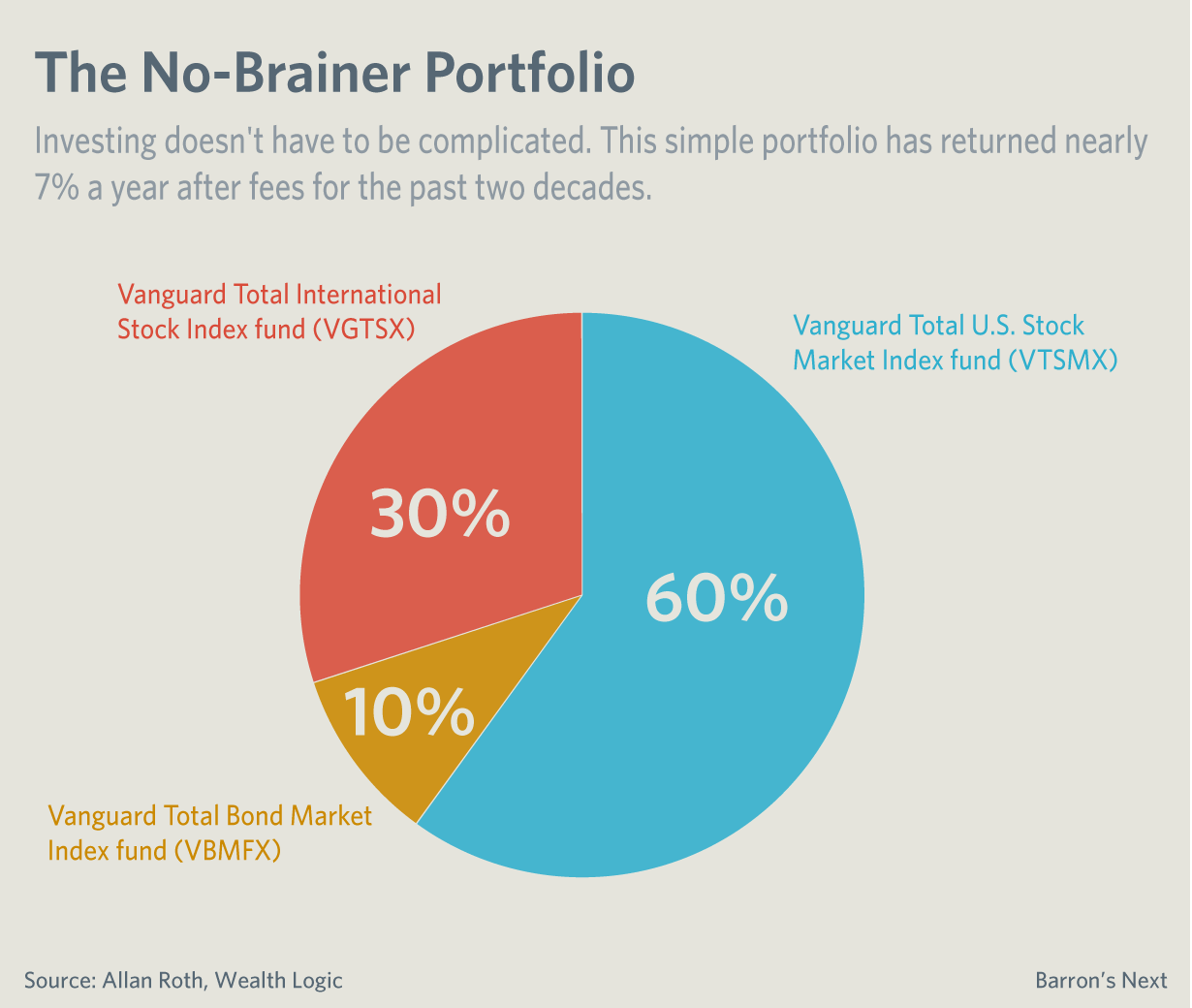
- Vanguard Index Funds/ETFs: For those seeking broad market exposure with minimal costs. Popular choices include funds that track the total U.S. stock market (VTSAX/VTI), the S&P 500 (VFIAX/VOO), or the total international stock market (VTIAX/VXUS). You can combine these to create a diversified global portfolio.
- Vanguard Target-Date Funds: An excellent choice for hands-off retirement saving. Simply select the fund corresponding to your approximate retirement year (e.g., Vanguard Target Retirement 2045 Fund), and the fund automatically manages asset allocation and rebalancing.
- Vanguard Actively Managed Funds: If you prefer professional management attempting to outperform the market, Vanguard offers a selection of competitively priced active funds across various asset classes.
The choice largely depends on your comfort level with managing your portfolio. For most investors, a simple portfolio of one or two broad market index funds or a single target-date fund provides sufficient diversification and excellent long-term growth potential.
Implementing a Sound Investment Strategy
Getting started with Vanguard is more than just opening an account; it’s about adopting a disciplined investment strategy. Vanguard advocates for four core principles:
- Set Clear, Attainable Goals: Define what you’re saving for (retirement, education, home) and when you need the money.
- Maintain a Balanced Portfolio: Determine an appropriate asset allocation (mix of stocks and bonds) based on your risk tolerance and time horizon. Younger investors typically have a higher stock allocation, while those nearing retirement might opt for more bonds.
- Minimize Costs: By choosing Vanguard’s low-cost funds, you’re already adhering to a core tenet. Remember that high fees erode returns over time.
- Stay Disciplined: Invest consistently, regardless of market conditions. Resist the urge to react emotionally to market volatility. Rebalance your portfolio periodically to maintain your desired asset allocation.
Vanguard provides ample educational resources, articles, and tools on its website to help investors understand these principles and make informed decisions. By following these guidelines and leveraging Vanguard’s investor-first approach, individuals can build a robust foundation for achieving their financial aspirations. The process is designed to demystify investing, making it accessible and effective for anyone committed to long-term wealth accumulation.
Beyond Investing: Vanguard’s Impact on the Financial Industry
Vanguard’s influence extends far beyond its direct clientele and its impressive asset base. Its innovative business model and unwavering commitment to the investor have profoundly reshaped the financial industry at large, fostering an environment of greater transparency, efficiency, and competition.
Driving Down Costs Across the Industry
Perhaps Vanguard’s most significant indirect contribution is its role in “driving down costs” for investors across the entire financial services industry. This phenomenon is often referred to as “the Vanguard Effect.” By consistently offering products with ultra-low expense ratios, Vanguard has created immense competitive pressure on other fund providers and brokerage firms. To retain clients and attract new ones, many competitors have been forced to lower their own fees on comparable products, particularly index funds and ETFs.
Before Vanguard’s rise, expense ratios on mutual funds were generally much higher, significantly eroding investor returns. Vanguard demonstrated that it was possible to operate profitably while charging minimal fees, proving that an investor-centric model could succeed on a massive scale. This shift has saved investors billions of dollars annually in fees, allowing a greater portion of their investment gains to compound over time. The ripple effect of Vanguard’s pricing strategy has become a standard bearer for value, compelling even traditional active managers to justify their higher fees with demonstrable outperformance, or risk losing market share to low-cost passive alternatives.
Promoting Investor Education and Financial Literacy
Vanguard has also been a stalwart advocate for investor education and financial literacy. John Bogle famously authored numerous books and articles, relentlessly championing the cause of the individual investor and exposing the pitfalls of high costs and complex financial products. This legacy continues today through Vanguard’s extensive online resources, articles, whitepapers, and financial planning tools.
The company provides clear, jargon-free explanations of investment concepts, helps investors understand the importance of asset allocation, diversification, and long-term thinking, and offers practical guidance on everything from retirement planning to tax-efficient investing. By empowering investors with knowledge, Vanguard helps them make informed decisions, avoid common mistakes, and take control of their financial futures. This commitment to education reinforces its mission to put the investor first, recognizing that a well-informed client is a more successful client. Vanguard’s consistent message of simplicity, discipline, and cost-consciousness has become a guiding light for millions seeking clarity in an often-confusing financial world, solidifying its reputation not just as a financial institution, but as a true champion for the individual investor.
Conclusion
Vanguard is more than just a behemoth in the investment world; it is a testament to the power of a business model built on ethical principles and an unwavering dedication to its clients. Born from John Bogle’s revolutionary vision, Vanguard has fundamentally reshaped the financial landscape by pioneering low-cost index investing and demonstrating that a client-owned structure can serve investors better than traditional, profit-driven models.
Its commitment to minimizing costs, promoting broad diversification, and advocating for a long-term investment horizon has empowered millions to achieve their financial goals. Whether through its renowned index funds, simplifying target-date funds, or accessible financial advisory services, Vanguard consistently provides efficient and transparent pathways to wealth accumulation. For anyone looking to invest wisely, minimize fees, and align their financial partner’s interests with their own, understanding “what is Vanguard” reveals not just a company, but a philosophy that continues to stand as a beacon for the individual investor. It remains a powerful force, not only in managing assets but in continually pushing the entire industry towards greater integrity and investor-centricity.
aViewFromTheCave is a participant in the Amazon Services LLC Associates Program, an affiliate advertising program designed to provide a means for sites to earn advertising fees by advertising and linking to Amazon.com. Amazon, the Amazon logo, AmazonSupply, and the AmazonSupply logo are trademarks of Amazon.com, Inc. or its affiliates. As an Amazon Associate we earn affiliate commissions from qualifying purchases.