
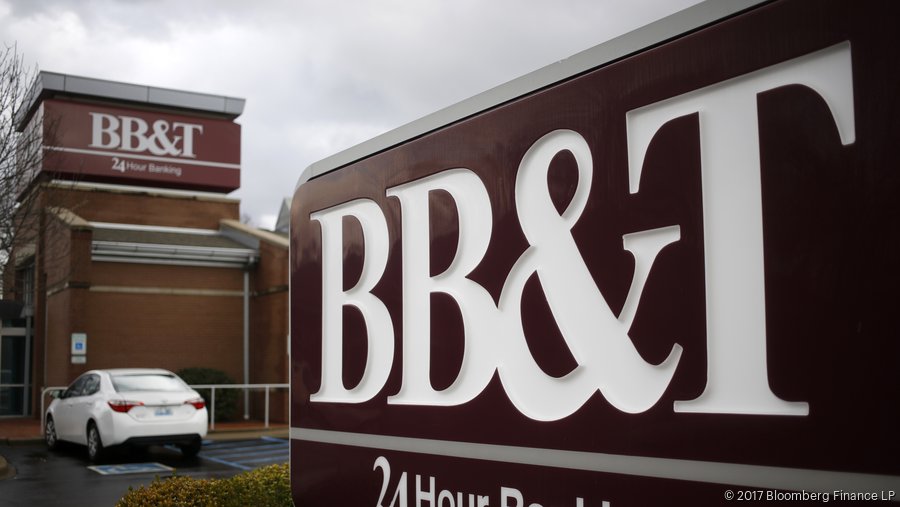
For decades, BB&T Bank stood as a prominent name in the American financial landscape, a testament to enduring financial stewardship and community commitment. Answering “what is BB&T Bank?” is to delve into the history of a major financial institution that grew from humble beginnings to become one of the largest banks in the United States, ultimately merging to form Truist Financial Corporation, the sixth-largest commercial bank in the country. At its core, BB&T was a diversified financial services holding company offering a comprehensive range of retail and commercial banking, securities brokerage, asset management, mortgage, and insurance products and services. Its journey encapsulates the evolution of regional banking, its strategic expansion, and its eventual transformation to meet the demands of a consolidating financial sector.

The Foundations of a Financial Powerhouse: From Small Town to Regional Giant
The story of BB&T begins not in the bustling financial centers of New York or Chicago, but in the quiet agricultural heartland of North Carolina, reflecting a common trajectory for many of America’s enduring financial institutions. Understanding its origins is crucial to appreciating the principles that guided its growth and service philosophy for over a century.
Early Beginnings and Regional Growth
BB&T’s roots stretch back to 1872, when Alpheus Branch and Thomas Jefferson Hadley founded Branch and Hadley, a general merchandise store in Wilson, North Carolina, that also offered banking services. This dual-purpose origin was not uncommon in post-Civil War America, where local merchants often served as de facto financiers for their communities. The bank formally incorporated in 1887 as Branch Banking and Company, later evolving into Branch Banking and Trust Company, or BB&T. For its first century, BB&T remained largely a regional bank, deeply embedded in the economic fabric of Eastern North Carolina. Its growth was organic, driven by an intimate understanding of local economies and a commitment to customer relationships. This period was characterized by steady, conservative expansion, marked by a focus on agricultural and small business lending, and the provision of essential banking services to individuals and families. The bank’s strength lay in its strong capital base and its ability to navigate various economic cycles, consistently proving itself a reliable financial partner to its clientele.
A Century of Evolution and Strategic Expansion
The late 20th century marked a significant turning point for BB&T. Under visionary leadership, particularly that of John Allison, who became CEO in 1989, the bank embarked on an aggressive but calculated acquisition strategy. From the 1980s through the early 2000s, BB&T completed over 100 mergers and acquisitions, transforming itself from a North Carolina-centric institution into a major regional bank spanning across the southeastern and mid-Atlantic United States. These acquisitions were not merely about increasing market share; they were strategic moves to diversify its financial service offerings, expand its geographical footprint, and achieve economies of scale. Each acquisition was carefully integrated, often bringing new expertise in areas like insurance, mortgage lending, and investment services, thereby broadening BB&T’s capacity to serve a more diverse client base with a fuller suite of financial products. This era of rapid growth was underpinned by a strong organizational culture that prioritized decentralization, local decision-making, and a client-first approach, allowing BB&T to maintain a community bank feel even as it expanded into a large regional entity.
Core Financial Offerings and Services: A Comprehensive Financial Ecosystem
BB&T’s identity as a financial powerhouse was built on its extensive portfolio of banking and financial services, designed to cater to a broad spectrum of clients, from individual consumers to large corporations. The bank positioned itself as a comprehensive financial partner, capable of addressing nearly any financial need.
Personal Banking: Empowering Individual Finances
For individual clients, BB&T offered a robust suite of personal banking services aimed at managing daily finances, saving for the future, and securing personal assets. This included a wide array of checking and savings accounts, money market accounts, and certificates of deposit (CDs), providing options for every saving and spending habit. The bank was also a significant player in consumer lending, offering various types of mortgages for home purchases and refinancing, home equity lines of credit (HELOCs), auto loans, and personal loans. Beyond traditional deposits and loans, BB&T provided essential digital banking tools, including online banking, mobile apps, and bill pay services, reflecting the shift towards convenient, anytime-anywhere financial management. These services collectively empowered individuals to manage their cash flow, build wealth, and achieve significant life milestones, making BB&T a central pillar in their personal financial planning.
Business Banking: Supporting Entrepreneurship and Growth
BB&T’s commitment to businesses was equally comprehensive, ranging from small local enterprises to large corporations. Its business banking division offered tailored solutions designed to facilitate growth, manage operations, and optimize financial performance. For small businesses, this included specialized checking and savings accounts, business lines of credit, term loans, and equipment financing, providing the capital necessary for expansion and operational needs. Middle-market and corporate clients benefited from more sophisticated offerings such as commercial real estate financing, treasury management services (cash management, fraud prevention, payment solutions), foreign exchange services, and corporate lending. BB&T understood the diverse financial challenges businesses face, providing not just capital but also expertise in managing cash flow, mitigating risk, and planning for strategic investments. Its relationship managers often acted as trusted advisors, helping businesses navigate complex financial decisions and capitalize on market opportunities.
Wealth Management and Specialized Financial Solutions
Beyond traditional banking, BB&T provided specialized financial services to help clients manage and grow their wealth. Through its wealth management arm, the bank offered investment management, financial planning, trust and estate services, and private banking tailored to high-net-worth individuals and families. These services were crucial for clients seeking expert guidance on portfolio diversification, retirement planning, philanthropic endeavors, and intergenerational wealth transfer. Furthermore, BB&T was a significant provider of insurance services, a somewhat unique offering for a large bank. Through its subsidiary, BB&T Insurance Holdings (later Truist Insurance Holdings), it offered a wide range of property and casualty, life, and health insurance products to both individuals and businesses. This integrated approach allowed clients to consolidate multiple financial relationships under one roof, simplifying their financial lives and providing a holistic view of their financial well-being.
BB&T’s Footprint and Market Presence: A Force in the American Banking Landscape
BB&T’s strategic growth established it as a significant presence in the U.S. financial sector, exerting influence through its extensive branch network, diverse customer base, and active community engagement. Its market position reflected decades of disciplined financial management and a clear vision for expansion.
Geographical Reach and Community Engagement
By the time of its merger, BB&T operated a vast network of branches across 15 states and Washington, D.C., primarily concentrating in the Southeast, Mid-Atlantic, and Texas. This extensive physical footprint, complemented by its digital banking capabilities, allowed it to serve millions of retail and business customers. More than just a collection of branches, BB&T prided itself on its community-oriented approach. It engaged deeply with the local economies where it operated, understanding the unique financial needs and challenges of each region. Through various community development initiatives, philanthropic efforts, and support for local businesses, BB&T aimed to be an integral part of community life, extending beyond transactional banking to foster local economic prosperity and social well-being. This focus on local engagement was a distinguishing characteristic that many customers valued, fostering loyalty and trust.
A Competitor in the American Banking Landscape
In the highly competitive U.S. banking industry, BB&T consistently ranked among the top tier of financial institutions. Its size, capital strength, and diversified revenue streams allowed it to compete effectively with larger national banks and smaller regional players alike. BB&T’s financial performance was often characterized by steady earnings growth, disciplined risk management, and a strong balance sheet. It was a publicly traded company, and its financial health was regularly scrutinized by investors and analysts, reflecting its importance in the broader financial markets. The bank’s ability to navigate financial crises, such as the 2008 global financial crisis, underscored its robust financial management practices and conservative lending standards. It was recognized for its customer service and its comprehensive product offerings, making it a formidable competitor in consumer banking, commercial lending, and wealth management services.
The Strategic Evolution: From BB&T to Truist
The single most defining event in BB&T’s later history was its transformational merger with SunTrust Banks to create Truist Financial Corporation. This monumental financial transaction fundamentally reshaped the landscape of American banking and redefined BB&T’s legacy.
The Rationale Behind the Merger
Announced in February 2019 and completed in December 2019, the merger of equals between BB&T and SunTrust was driven by a powerful strategic rationale: the creation of a truly national financial institution capable of competing more effectively with the nation’s largest banks. Both banks, while strong regional players, recognized the increasing challenges of scale, technology investment, and regulatory burdens. By combining forces, they aimed to achieve significant synergies in costs, optimize their branch networks, and pool resources for substantial investments in digital innovation. The merger was envisioned to create a financial entity with approximately $500 billion in assets, $300 billion in loans, and $324 billion in deposits, making it the sixth-largest bank in the U.S. This increased scale would allow Truist to better serve a wider range of customers, enhance its competitive position, and deliver greater value to shareholders by creating a more efficient and diversified financial operation.
Integrating Financial Capabilities and Customer Experience
The integration process following the merger was complex, involving the harmonization of two vast financial infrastructures, product suites, and customer service platforms. The goal was to consolidate their combined financial capabilities, leveraging the strengths of both institutions to create a superior customer experience. This meant combining extensive branch networks, unifying digital banking platforms, streamlining lending processes, and integrating wealth management and insurance offerings. For customers, the transition aimed to provide access to a broader array of financial products and services, a larger ATM network, and enhanced digital tools, all under the new Truist brand. While such large-scale integrations are inherently challenging, the strategic intent was clear: to build a unified financial institution that could offer the best of both BB&T’s community-focused approach and SunTrust’s strong commercial banking capabilities.

The Legacy and Future of a Financial Giant
Although the BB&T name no longer appears on bank branches, its legacy lives on through Truist Financial Corporation. The values, customer relationships, and financial expertise cultivated over BB&T’s 147-year history form an integral part of Truist’s foundation. The merger was not an end but an evolution, representing a strategic pivot in response to a dynamic financial services industry. Today, Truist continues to build upon the combined strengths of its predecessors, including BB&T’s deep commitment to clients and communities, its robust financial products, and its history of responsible growth. The story of BB&T Bank is a profound example of how financial institutions adapt and transform, demonstrating that while names may change, the fundamental mission of serving individuals, businesses, and communities with essential financial services remains a cornerstone of the American economy.
aViewFromTheCave is a participant in the Amazon Services LLC Associates Program, an affiliate advertising program designed to provide a means for sites to earn advertising fees by advertising and linking to Amazon.com. Amazon, the Amazon logo, AmazonSupply, and the AmazonSupply logo are trademarks of Amazon.com, Inc. or its affiliates. As an Amazon Associate we earn affiliate commissions from qualifying purchases.