
Houston, a sprawling metropolis often characterized by its robust energy industry and space exploration legacy, is far more than its initial impressions suggest. For potential visitors asking “what is there to do in Houston?”, the answer lies not just in a list of attractions, but in understanding how these diverse offerings coalesce to form a compelling and multifaceted city brand. In an increasingly competitive global tourism market, cities must meticulously craft and communicate their unique identity to attract visitors, talent, and investment. Houston’s strategy is a masterclass in leveraging its distinct assets – from its world-class museums and culinary scene to its pioneering spirit and lush green spaces – to build an unforgettable experience and a powerful brand narrative.
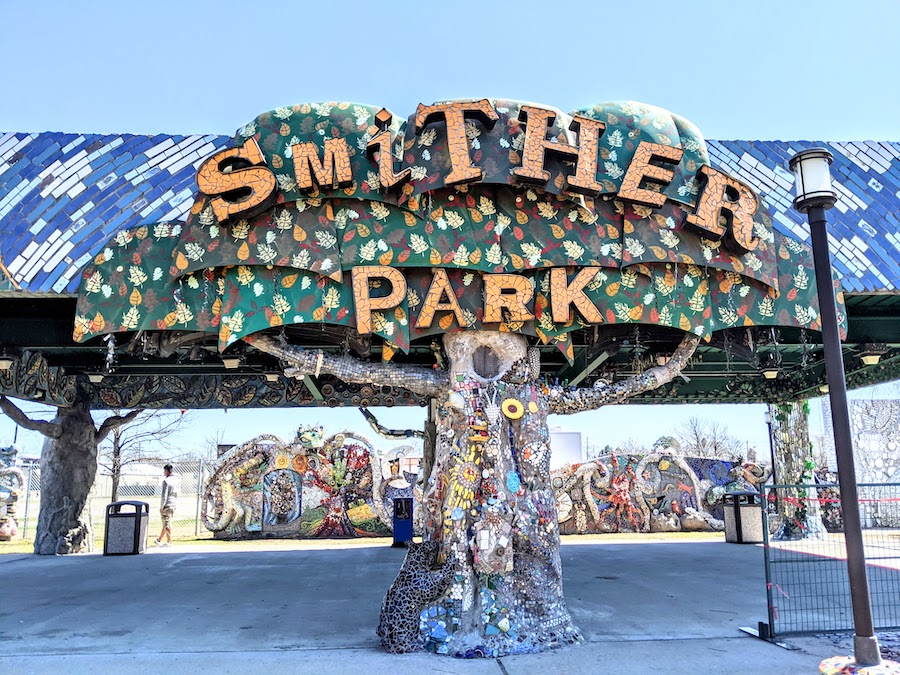
This article delves into how Houston leverages its myriad activities to build, market, and sustain its brand identity, focusing on the strategic design and communication efforts that transform a collection of attractions into a cohesive, engaging, and memorable destination brand.
Houston’s Brand Identity: A Tapestry of Experiences
A city’s brand identity is its promise, its personality, and its distinguishing characteristics. For Houston, this identity is not monolithic; rather, it’s a dynamic tapestry woven from a rich blend of cultural, historical, scientific, and recreational threads. Understanding this complex identity is crucial for anyone looking to truly appreciate “what is there to do” in this vibrant city.
From Space City to Cultural Hub: Diversifying the Narrative
For decades, Houston’s global identity was heavily anchored to its association with NASA and the “Space City” moniker. While an incredibly powerful brand asset, relying solely on this narrative risked overshadowing the city’s burgeoning diversity. Strategically, Houston has diversified its brand narrative to highlight its emergence as a major cultural destination. The Museum District, home to 19 museums including the Museum of Fine Arts, Houston and the Houston Museum of Natural Science, has become a cornerstone of this evolved brand. The performing arts scene, with institutions like the Houston Grand Opera and the Alley Theatre, further solidifies its cultural credentials. This broadening of the narrative ensures that “what is there to do in Houston” appeals to a wider audience, moving beyond space enthusiasts to attract art lovers, history buffs, and families seeking enriching experiences. The strategic promotion of these cultural pillars works to reposition Houston as a destination of intellectual and artistic depth, complementing its technological prowess.
The Role of Iconic Landmarks in City Branding
Iconic landmarks serve as vital physical manifestations of a city’s brand, acting as visual shorthand for its identity. Space Center Houston, with its historic Mission Control and impressive rocket park, remains a potent symbol of Houston’s innovative spirit and a primary draw. However, other landmarks also play a critical role in reinforcing the city’s diverse brand. The towering architecture of downtown’s Discovery Green park provides a contemporary urban oasis, signaling Houston’s commitment to green spaces and modern urban living. The historic architecture of Galveston Island (part of the greater Houston area’s tourism appeal) offers a glimpse into Texas’s past, adding a layer of heritage to the brand. Each landmark, whether futuristic or historic, is not merely a place to visit but a meticulously curated brand touchpoint designed to evoke specific feelings and perceptions about Houston. Their consistent promotion through branding campaigns ensures they are instantly recognizable and associated with the city’s core values.
Culinary Arts and the “Foodie” Brand Identity
Perhaps one of the most exciting recent developments in Houston’s brand strategy is the deliberate cultivation of its “foodie” identity. With an incredibly diverse population, Houston boasts an unparalleled culinary scene, ranging from world-class fine dining to authentic ethnic eateries and innovative food trucks. The brand message here is clear: Houston is a global gastronomic destination. This aspect of “what is there to do in Houston” is promoted heavily through food festivals, restaurant weeks, and endorsements from acclaimed chefs. The narrative emphasizes the city’s ability to offer a truly international culinary journey without leaving its borders. This focus on food leverages a universal appeal, drawing visitors who seek unique and authentic dining experiences, thereby adding a vibrant, sensory dimension to the overall Houston brand.
Marketing Houston’s Attractions: Engaging the Visitor
Once a clear brand identity is established, the next critical step is effective marketing. Houston employs a multi-faceted approach to market its attractions, ensuring that its brand message reaches diverse audiences through engaging and innovative channels. The goal is to not just inform potential visitors about “what is there to do in Houston,” but to inspire them.
Digital Storytelling and Social Media Engagement
In the digital age, compelling storytelling is paramount. Houston’s tourism entities, in conjunction with individual attractions, utilize high-quality visuals, captivating narratives, and user-generated content across social media platforms (Instagram, TikTok, Facebook, X) to bring the city to life. Campaigns often feature vibrant videos showcasing the energy of the Theater District, the tranquility of Hermann Park, or the excitement of a rodeo. Hashtags like #MyHOU, #VisitHouston, and #HoustonStrong encourage visitors to share their own experiences, transforming them into active brand ambassadors. This digital strategy ensures broad reach and authentic engagement, allowing potential visitors to envision themselves enjoying “what is there to do in Houston” before they even arrive.
Collaborative Branding: Promoting Districts and Events
Houston’s brand strategy recognizes the power of collaboration. Instead of individual attractions competing in isolation, the city promotes themed districts and major events through collaborative branding initiatives. The Museum District, for instance, operates as a unified entity, offering combined passes and marketing efforts that highlight the collective value proposition of its institutions. Similarly, major events like the Houston Livestock Show and Rodeo, or various music and arts festivals, are promoted not just as standalone events but as integral components of Houston’s vibrant cultural calendar, reinforcing the city’s dynamic brand. This collaborative approach enhances visibility, creates a more cohesive visitor experience, and strengthens the overall Houston brand by presenting a unified, attractive front.
Experiential Marketing: Beyond the Brochure
Modern travelers seek experiences, not just destinations. Houston’s marketing efforts increasingly focus on experiential marketing, designing campaigns that immerse potential visitors in the city’s offerings. This involves creating interactive online content, virtual tours, and even pop-up events in other cities that offer a taste of Houston. For instance, a campaign might simulate the feeling of being in Mission Control, or offer a virtual reality tour of the city’s stunning street art. These immersive strategies go beyond static brochures or websites, creating an emotional connection with the brand and vividly answering the question “what is there to do in Houston?” by allowing people to virtually “do” it.
Designing the Visitor Journey: Aesthetics and Usability
The physical environment and ease of navigation play a crucial role in shaping a visitor’s perception and satisfaction, directly impacting a city’s brand. Houston understands that a positive experience is built on thoughtful design, from urban planning to digital tools.
Public Art and Urban Design as Brand Touchpoints
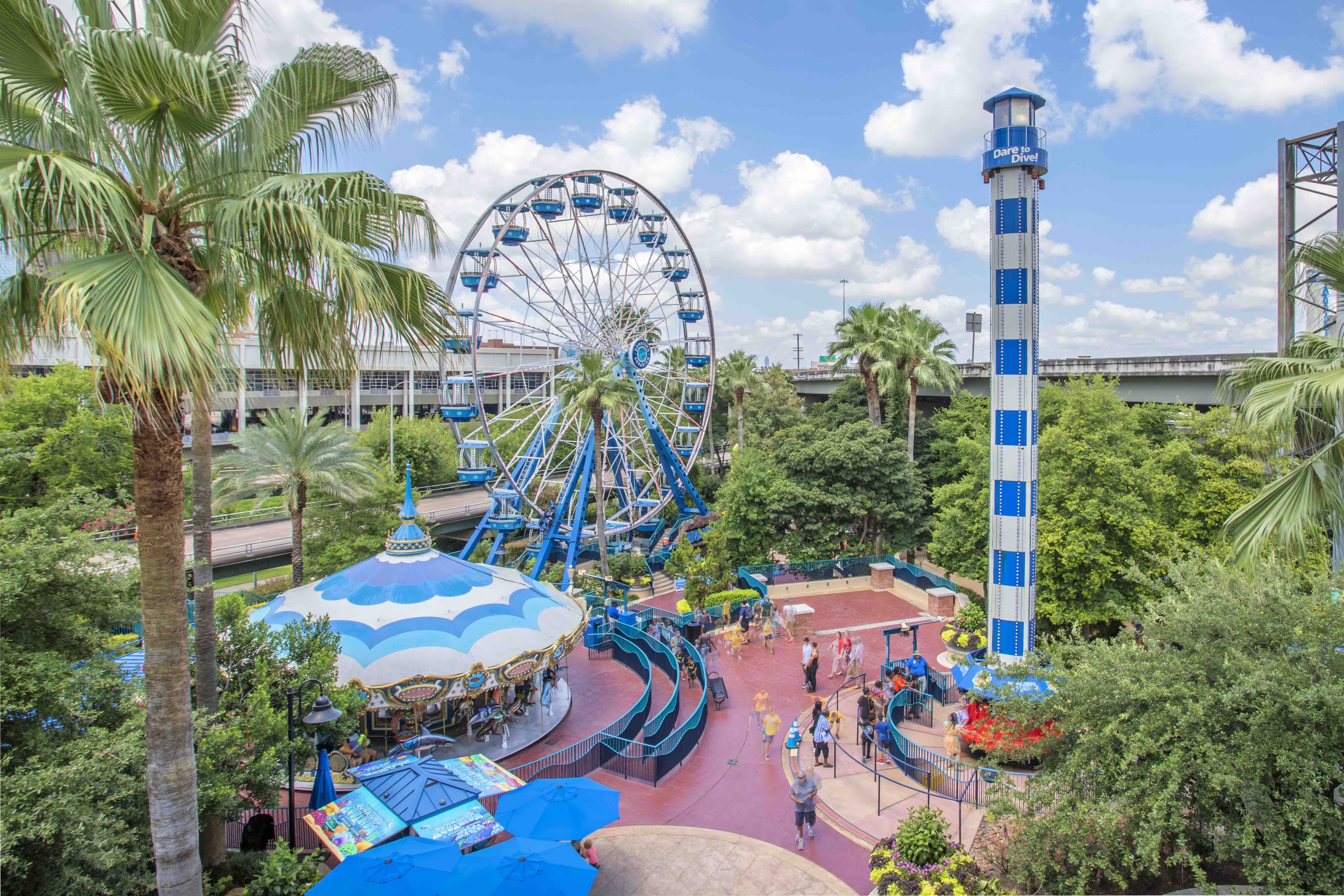
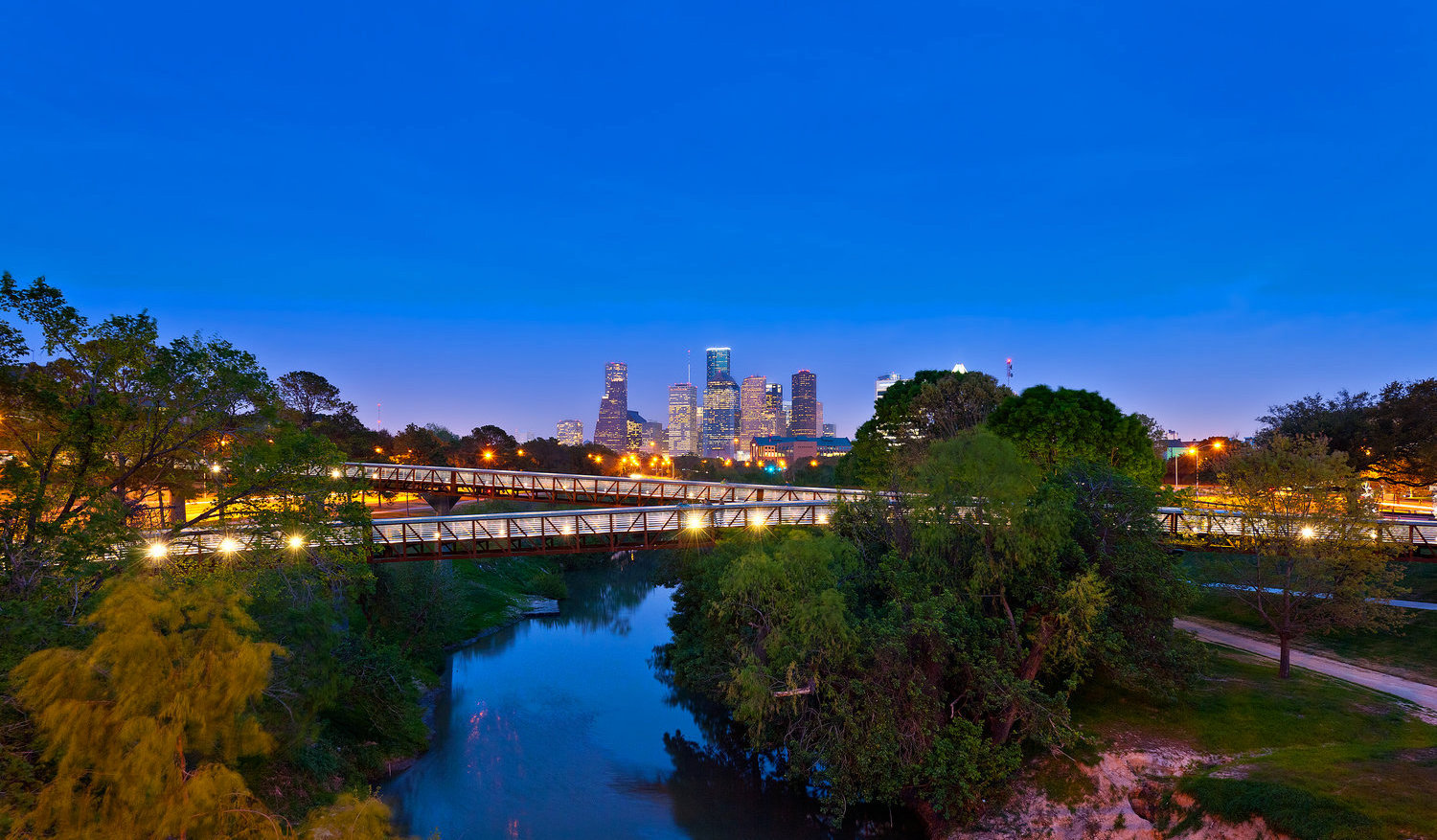
Houston has invested significantly in public art and urban design, transforming its public spaces into vibrant brand touchpoints. Murals, sculptures, and architectural installations not only beautify the city but also contribute to its creative and inclusive brand image. Parks like Discovery Green and Buffalo Bayou Park are meticulously designed green spaces that offer respite and recreation, reinforcing Houston’s commitment to quality of life. These design elements are carefully curated to reflect the city’s aspirations and cultural diversity, making every walk through a neighborhood an encounter with the Houston brand. They enhance the aesthetic appeal of “what is there to do in Houston,” turning mundane journeys into visually engaging experiences.
Wayfinding and Digital Navigation: Enhancing Accessibility
For a city as vast as Houston, effective wayfinding is critical for a positive visitor experience. Clear signage, intuitive public transportation maps, and robust digital navigation tools are essential elements of brand usability. Houston offers various apps and online resources that help visitors navigate its extensive attractions, whether by car, bike, or METRORail. The design of these tools emphasizes clarity, ease of use, and integration of information, ensuring that visitors can easily find “what is there to do in Houston” and how to get there. This focus on accessibility and convenience reinforces a brand image of a visitor-friendly and well-organized city.
Service Design: The Human Element in Brand Perception
Beyond physical and digital design, the human element—service design—is paramount. The friendliness of hotel staff, the knowledge of museum guides, the efficiency of public transport employees—all contribute to the overall brand perception. Houston’s tourism industry invests in training programs to ensure a consistent level of hospitality and helpfulness. A genuinely welcoming and supportive interaction can significantly elevate a visitor’s experience, transforming a good visit into a memorable one. This human touch reinforces Houston’s brand as a warm, hospitable, and welcoming destination, making “what is there to do in Houston” feel even more inviting.
Personal Branding in the Houston Experience Economy
In today’s interconnected world, individuals and small businesses also play a crucial role in shaping a city’s brand. Their experiences and offerings contribute to the broader narrative of “what is there to do in Houston.”
Influencers and Content Creators: Amplifying Houston’s Reach
Travel influencers, food bloggers, and local content creators have become powerful amplifiers of Houston’s brand. By sharing their authentic experiences across various platforms, they provide credible endorsements that resonate deeply with potential visitors. Houston actively engages with these creators, offering unique access and experiences that encourage compelling storytelling. When an influencer raves about a hidden gem in Montrose or documents a thrilling day at Space Center Houston, they are not just promoting an activity; they are reinforcing and enriching the Houston brand through their personal narratives. Their content acts as a dynamic, ever-updating answer to “what is there to do in Houston,” delivered from a trusted perspective.
Local Businesses as Brand Ambassadors
Small businesses—boutique shops, local cafes, unique tour operators—are the lifeblood of a city’s character and informal brand ambassadors. Their distinct offerings and personalized service contribute significantly to the authenticity and charm of the Houston experience. For example, a specialized art gallery in the Heights or a family-run BBQ joint provides a unique flavor that larger chains cannot replicate. Houston’s brand strategy recognizes the importance of these local enterprises, often integrating them into broader marketing campaigns to highlight the city’s diverse and authentic appeal. These businesses contribute to the granular details of “what is there to do in Houston,” often surprising and delighting visitors with local insights and hospitality.
Crafting Your Own Houston Story
Ultimately, for every visitor, the answer to “what is there to do in Houston” culminates in their personal brand narrative of the city. Whether it’s a family creating memories at the Houston Zoo, a couple enjoying a romantic evening in the Theater District, or a solo traveler discovering hidden street art, each experience contributes to their individual perception of Houston. The city’s brand strategy aims to facilitate these personal stories, providing a rich canvas of activities and ensuring that each interaction is designed to be positive and memorable. When visitors share their unique Houston stories, they become powerful advocates, further cementing the city’s brand in the global consciousness.
Measuring Brand Impact and Future Directions
A city’s brand is not static; it requires continuous monitoring, adaptation, and innovation. Houston’s approach to its brand involves systematic measurement and forward-thinking strategies to remain relevant and attractive.
Visitor Analytics and Brand Perception Studies
To understand the effectiveness of its brand strategy, Houston continuously collects and analyzes visitor data. This includes tracking visitor numbers, expenditure patterns, and origin markets. More critically, brand perception studies are conducted to gauge how Houston is perceived by different target audiences. Are visitors finding “what is there to do in Houston” to their satisfaction? Are they leaving with the desired impression of the city as diverse, innovative, and welcoming? This data informs adjustments to marketing messages, highlights areas for improvement in the visitor experience, and ensures the brand remains aligned with its strategic objectives.
Adapting to Trends: Sustainability and Innovation in City Branding
The modern traveler is increasingly conscious of sustainability and seeks innovative experiences. Houston’s brand must adapt to these evolving trends. This involves promoting eco-friendly attractions, highlighting urban green initiatives, and showcasing technological advancements within its tourism sector. The brand narrative can increasingly incorporate Houston’s commitment to renewable energy and smart city initiatives, positioning it as a forward-thinking and responsible destination. By embracing these trends, Houston ensures its brand remains cutting-edge and appealing to future generations of travelers.
The Evolving Narrative: Keeping Houston Fresh
Finally, maintaining a fresh and engaging brand requires an evolving narrative. Houston continuously seeks new stories to tell and new experiences to highlight. This might involve promoting emerging neighborhoods, celebrating new cultural milestones, or developing innovative tourism products. The question “what is there to do in Houston?” is therefore never fully answered, but continually re-imagined and re-presented. This dynamic approach ensures that the city’s brand remains vibrant, exciting, and perpetually inviting, solidifying its position as a premier global destination. By strategically weaving together its past achievements, present vibrancy, and future aspirations, Houston crafts an irresistible brand experience that truly captures the imagination.
aViewFromTheCave is a participant in the Amazon Services LLC Associates Program, an affiliate advertising program designed to provide a means for sites to earn advertising fees by advertising and linking to Amazon.com. Amazon, the Amazon logo, AmazonSupply, and the AmazonSupply logo are trademarks of Amazon.com, Inc. or its affiliates. As an Amazon Associate we earn affiliate commissions from qualifying purchases.