
In an era where countless digital services are offered at no direct cost, the recurring question, “Why isn’t TurboTax free?” resonates with millions of taxpayers annually. While the IRS does offer a limited “Free File” program that TurboTax participates in, the full suite of TurboTax products, particularly for those with more complex financial situations, comes with a price tag. Understanding why this financial software, a staple for many during tax season, isn’t universally free requires a deep dive into the economics of software development, corporate strategy, market dynamics, and the inherent value proposition it offers to consumers.

At its core, TurboTax is a product of Intuit, a publicly traded company. Like any business, Intuit operates with the goal of generating revenue and profit for its shareholders. The idea that a sophisticated financial tool, developed and maintained by a large corporation, would be universally free often overlooks the substantial investments required to create, update, and support such a service. This article will explore the multifaceted reasons behind TurboTax’s pricing model, examining the costs involved, the value provided, and the broader financial landscape of tax preparation.
The Fundamental Economics of Software Development
Developing and maintaining a robust financial software like TurboTax is an incredibly expensive and complex undertaking. It’s far more intricate than simply writing a few lines of code; it involves a continuous cycle of research, development, legal compliance, and customer support, all of which demand significant financial resources.
The Cost of Innovation and Maintenance
Firstly, there are immense initial development costs. Intuit invests heavily in highly skilled engineers, tax experts, user experience designers, and data scientists to build the software from the ground up. This includes designing intuitive interfaces, developing complex algorithms to handle myriad tax scenarios, and ensuring seamless integration with various financial institutions and payroll providers.
Beyond the initial build, the cost of ongoing maintenance and innovation is substantial. Tax laws are notoriously complex and subject to frequent changes at both federal and state levels. Each year, Intuit must dedicate considerable resources to monitor legislative updates, interpret new tax codes, and promptly incorporate these changes into the software. This isn’t a minor tweak; it often involves significant re-engineering and thorough testing to ensure accuracy and compliance. Failure to do so could lead to costly errors for users and severe reputational damage for the company. Furthermore, the software needs continuous updates for security vulnerabilities, performance enhancements, and compatibility with evolving operating systems and web browsers. This evergreen development cycle is a major financial drain that directly contributes to the necessity of charging for the product.
Building a Robust Business Model
Intuit’s business model for TurboTax is structured around providing escalating value for escalating prices. While there is a basic free version for very simple returns, the real revenue comes from users who require more features, more guidance, or have more complex tax situations. This tiered pricing strategy allows Intuit to capture revenue from a broad spectrum of taxpayers, effectively monetizing the convenience, accuracy, and peace of mind it offers.
Consider the infrastructure required: high-performance servers to handle millions of simultaneous users during peak tax season, secure data centers to protect sensitive financial information, and a sophisticated customer support network. All these components require continuous investment and operational expenditure. The cost of running such an operation, year after year, cannot be absorbed without a revenue stream derived from its users. The business model isn’t just about selling software; it’s about selling a service that encompasses reliability, security, and expert-backed guidance.
The Pursuit of Profit and Shareholder Value
As a publicly traded company, Intuit has a fiduciary responsibility to its shareholders to generate profits. These profits are reinvested into the company for future growth, used to acquire other businesses, or returned to shareholders as dividends. The expectation of growth and profitability drives strategic decisions, including pricing. If TurboTax were entirely free, Intuit would need to find alternative revenue streams, which might dilute its focus or force it to compromise on the quality and depth of the tax preparation service it provides.
The profits generated from TurboTax also fund other aspects of Intuit’s broader financial ecosystem, including QuickBooks for small businesses and Credit Karma for consumer finance. The interconnectedness of these products allows for cross-promotion and data synergy, creating a powerful financial services empire where each component contributes to the overall profitability and market dominance. Making TurboTax free would disrupt this intricate financial web and fundamentally alter Intuit’s core business strategy.
Unpacking TurboTax’s Value Proposition
When consumers pay for TurboTax, they are not just buying software; they are investing in a suite of benefits designed to simplify a typically arduous annual task. The value proposition extends beyond mere calculation to encompass convenience, accuracy, support, and peace of mind.
Convenience, Accuracy, and Peace of Mind
For many, the primary draw of TurboTax is the unparalleled convenience it offers. It allows individuals to prepare and file their taxes from the comfort of their home, at any time, without needing to make appointments with a tax preparer or grapple with paper forms. The software guides users step-by-step, translating complex tax jargon into understandable questions and prompts. This ease of use saves significant time and reduces the mental burden often associated with tax preparation.
Beyond convenience, accuracy is a paramount concern for taxpayers. TurboTax is designed with robust error-checking mechanisms and is continuously updated to reflect the latest tax laws, significantly reducing the likelihood of mistakes that could lead to audits or penalties. The peace of mind that comes from knowing your taxes have been prepared accurately by a reliable system is a significant intangible benefit that many users are willing to pay for. This is particularly true for those who lack confidence in their own tax knowledge or who have had negative experiences with manual filing or less reliable tools.
Catering to Diverse Tax Scenarios
One of TurboTax’s strengths is its ability to cater to an incredibly wide array of financial situations. From simple W-2 employees to complex self-employed individuals, investors, and small business owners, there’s a TurboTax product designed to meet specific needs. The software can handle various income sources, deductions, credits, and investments, guiding users through scenarios that might be overwhelming otherwise.
For instance, the Self-Employed version includes features like expense tracking, mileage deductions, and estimated tax payment reminders, all tailored to the unique challenges faced by independent contractors and freelancers. Similarly, versions for investors help manage stock sales, dividends, and capital gains. Developing and maintaining these specialized modules requires a significant investment in expert knowledge and programming, justifying the higher price points for these advanced versions.
Enhanced Features and Support Services
The paid versions of TurboTax offer a range of enhanced features and support services that add considerable value. These can include:
- Audit Support Guarantee: Offering assistance in case of an IRS audit.
- Live Expert Help: The ability to connect with a tax expert (CPA or EA) for personalized advice or even a full review of your return, as seen in their “Live Full Service” options. This integrates human expertise directly into the software experience.
- Maximized Deductions: Advanced algorithms designed to sniff out every possible deduction and credit applicable to a user’s specific situation.
- State Tax Filing: Often bundled or offered at an additional cost, enabling seamless state tax preparation.
- Year-Round Tools: Some premium versions offer tools for financial planning, estimated tax calculations, and year-round expense tracking.
These features transform TurboTax from a simple calculation tool into a comprehensive financial aid, providing a safety net and expert guidance that many find invaluable, especially when dealing with increasingly complex personal financial situations.
Navigating the “Free” Landscape and Tiered Offerings
The concept of “free” tax filing isn’t entirely absent from the market, and TurboTax itself participates in certain free initiatives. However, understanding the nuances of these “free” options and TurboTax’s tiered product strategy is crucial to grasp why most users end up paying.
The IRS Free File Program: A Limited Gateway
The IRS Free File Program is a partnership between the IRS and several tax software companies, including Intuit (TurboTax). It allows eligible taxpayers with an Adjusted Gross Income (AGI) below a certain threshold (which changes annually) to file their federal and sometimes state taxes for free using participating software. This program is a direct response to public demand for accessible tax filing.
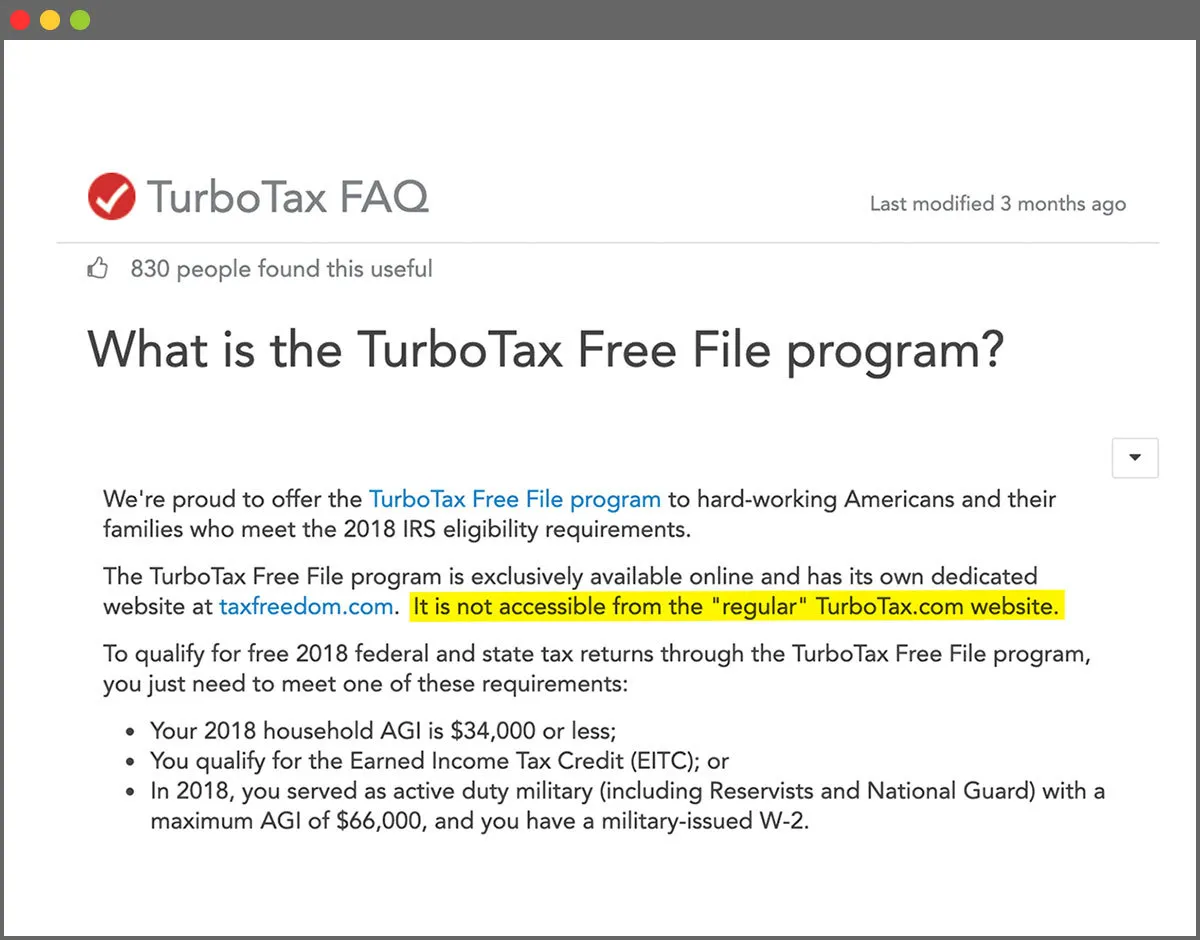
However, the “free” aspect here is often misunderstood. For TurboTax, participation in the IRS Free File program typically means offering its “TurboTax Free Edition” through the IRS’s dedicated Free File website, not directly through its main turbotax.com portal. Furthermore, this free edition is generally limited to very simple tax returns, typically those involving only W-2 income and the standard deduction. If a user has any deductions beyond the standard, owns a home, has investments, or is self-employed, they will quickly be prompted to upgrade to a paid version. This strategy allows TurboTax to fulfill its IRS Free File obligation while simultaneously funneling a vast majority of users toward its revenue-generating products.
Understanding TurboTax’s Product Tiers and Upsells
Intuit’s core strategy for TurboTax involves a sophisticated tiered product structure. They typically offer:
- TurboTax Free Edition: For simple returns (W-2 income, standard deduction). Often used as a loss leader.
- TurboTax Deluxe: The most popular paid tier, catering to homeowners, those with itemized deductions, and dependents.
- TurboTax Premier: For investors, rental property owners, and those with more complex investment income.
- TurboTax Self-Employed: Designed specifically for freelancers, independent contractors, and small business owners.
- TurboTax Live: Integrates professional tax expert advice and review, often at a significantly higher price point.
Each tier adds more features and handles greater complexity, with corresponding increases in price. The user experience is designed to seamlessly guide individuals from the free version to a paid tier as their tax situation requires more advanced features. This “upsell” model is highly effective. A user might start with the Free Edition, only to discover halfway through that their specific deduction or income source requires an upgrade, often after they’ve already invested significant time inputting their data, making them more likely to pay rather than switch platforms.
The Perception Versus Reality of “Free” Tax Filing
The public perception often clashes with the reality of tax filing. Many believe that since taxes are mandatory, the tools to file them should be universally free. This sentiment is amplified by the fact that many other countries offer government-provided free tax filing services. In the U.S., however, the tax preparation industry is largely privatized.
For companies like Intuit, the “free” offerings are primarily marketing tools or compliance measures. The actual core business revolves around charging for the advanced functionality, expert guidance, and convenience that differentiates their product. The illusion of a widely available “free” option often dissipates once a user begins inputting their personal financial data and encounters the limits of the basic free version, leading them into the paid ecosystem.
Market Dynamics, Competition, and Policy Influence
The tax preparation market in the United States is a multi-billion-dollar industry, dominated by a few key players. TurboTax’s pricing isn’t just a function of its own costs and value; it’s also shaped by competitive forces and historical policy decisions.
Dominance in a Complex Market
TurboTax holds a significant market share in the do-it-yourself tax preparation software segment. Its brand recognition, user-friendly interface, and comprehensive features have allowed it to establish a dominant position. This market dominance gives Intuit a certain degree of pricing power. While competition exists from other software providers (e.g., H&R Block Tax Software, TaxAct, FreeTaxUSA) and traditional tax preparers, TurboTax often sets the benchmark for features and pricing.
The industry thrives on the complexity of the U.S. tax code. If tax laws were simpler or if the IRS offered its own comprehensive, free filing system for all, the demand for commercial tax software would diminish significantly. The existing system inadvertently creates a continuous need for tools like TurboTax.
The Role of Lobbying in Tax Policy
Intuit has historically been a powerful lobbyist against efforts to simplify the tax code or for the IRS to develop its own free, comprehensive tax preparation and filing system. Critics argue that Intuit and other tax preparation companies actively work to preserve the status quo of a complex tax system, as their business models depend on it. For instance, proposals for “return-free filing” (where the IRS would pre-fill returns for many taxpayers) have faced stiff opposition from the industry.
While Intuit maintains that it supports efforts to simplify taxes and provide choice, its lobbying activities suggest a vested interest in maintaining a profitable position in the existing system. The money spent on lobbying is another indirect cost that contributes to the pricing of its products, as it’s part of ensuring a favorable operating environment for the business.
The Landscape of Alternatives: From Low-Cost to Professional Assistance
For consumers who find TurboTax’s prices prohibitive, a range of alternatives exists.
- Other Commercial Software: Companies like H&R Block, TaxAct, and FreeTaxUSA offer similar services, sometimes at lower price points or with different feature sets. FreeTaxUSA, for instance, offers free federal filing for all filers, charging only for state returns.
- Volunteer Income Tax Assistance (VITA) & Tax Counseling for the Elderly (TCE): These IRS-sponsored programs offer free tax help to qualified individuals (e.g., low-to-moderate income, elderly, persons with disabilities) by IRS-certified volunteers. This is a genuinely free option for those who meet the criteria.
- Professional Tax Preparers: For those with extremely complex financial situations or who simply prefer expert hands-on service, hiring a CPA or enrolled agent is an option, albeit typically the most expensive.
- Manual Filing: The least costly option is to download IRS forms and instructions and prepare your taxes manually. While free, this requires significant time, effort, and a solid understanding of tax laws.
The existence of these alternatives, particularly the free and low-cost software options, creates a competitive pressure that prevents TurboTax from arbitrary pricing. However, TurboTax’s market leadership and perceived value often allow it to command a premium.
Making an Informed Decision: Is Paid TurboTax Worth It?
Ultimately, the question of “Why isn’t TurboTax free?” leads to a more personal inquiry for each taxpayer: is the cost of TurboTax worth the value it provides for my specific situation? The answer hinges on several factors related to individual finance.
Assessing Your Tax Complexity
For someone with a straightforward tax return—a single W-2, no dependents, and taking the standard deduction—the free versions of TurboTax (via IRS Free File) or other genuinely free services like FreeTaxUSA might be perfectly adequate. Paying for a premium version in such a scenario would likely be an unnecessary expense.
However, for individuals with investments, rental properties, self-employment income, itemized deductions, or complex financial portfolios, the cost of a paid TurboTax product can be easily justified. The time saved, the accuracy assured, and the potential to maximize deductions and credits (which might outweigh the software’s cost) make it a valuable financial tool. The expertise embedded in the software for these complex scenarios would otherwise require expensive professional assistance.
Evaluating Cost-Benefit for Your Situation
Tax preparation is a task that must be done, and its potential financial implications (penalties for errors, missed deductions) can be significant. When evaluating the cost of TurboTax, consider:
- Your Hourly Wage: How much is your time worth? If TurboTax saves you many hours of struggling with forms, that time saved has a monetary value.
- Potential for Errors: What is the cost of an audit or a penalty due to a mistake you might make manually?
- Lost Deductions/Credits: Could the software identify deductions or credits you might miss, saving you more money than the software costs?
- Stress Reduction: The intangible benefit of peace of mind and reduced stress during tax season is a real factor for many.
For many, the cost-benefit analysis leans heavily in favor of a paid, reliable software solution, especially as their financial lives become more intricate.
Exploring All Available Options for Tax Preparation
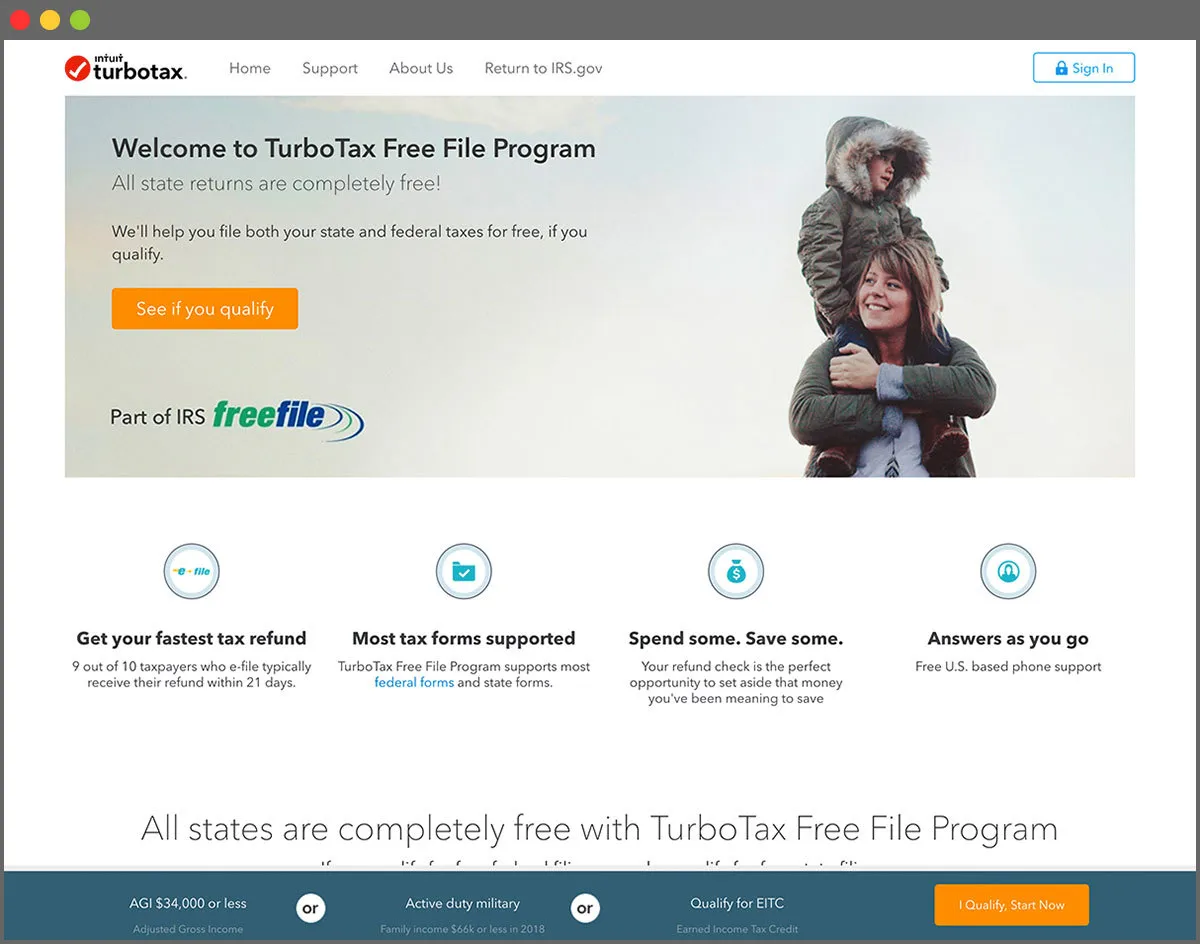
Before committing to a paid TurboTax product, it’s wise to explore all available avenues. Start with the IRS Free File program to see if you qualify for a free federal and state return. Compare different commercial software options, paying attention to their pricing tiers and what features are included at each level. If your income is low or you are elderly, investigate VITA/TCE programs in your community.
The ideal tax preparation method is one that balances cost, convenience, accuracy, and peace of mind for your unique financial circumstances. While TurboTax isn’t free, its pricing reflects the significant investment in development, maintenance, and support required to deliver a powerful, reliable, and user-friendly financial tool that hundreds of millions of taxpayers depend on each year. Understanding these underlying financial realities helps demystify why a universally free solution, at least from major commercial providers, remains elusive in the current U.S. tax landscape.
aViewFromTheCave is a participant in the Amazon Services LLC Associates Program, an affiliate advertising program designed to provide a means for sites to earn advertising fees by advertising and linking to Amazon.com. Amazon, the Amazon logo, AmazonSupply, and the AmazonSupply logo are trademarks of Amazon.com, Inc. or its affiliates. As an Amazon Associate we earn affiliate commissions from qualifying purchases.