
Navigating the annual ritual of tax filing can often feel like a complex maze, with shifting deadlines, a multitude of forms, and a seemingly endless list of rules. However, understanding when you are able to file your taxes, and critically, when you are expected to do so, is fundamental to sound financial management and avoiding unnecessary stress or penalties. This comprehensive guide will demystify the tax filing timeline, offering insights into the standard schedule, key factors influencing your personal filing window, and strategies to ensure a smooth and timely submission each year.

Understanding the Annual Tax Season Calendar
The Internal Revenue Service (IRS) operates on a well-defined annual calendar for tax filing, establishing specific dates for when they begin accepting returns and when these returns are ultimately due. Familiarizing yourself with these pivotal dates is the first step towards successful tax compliance.
The IRS Opening Date (Typically Late January)
Each year, the IRS officially opens its doors for tax season, announcing a specific date from which it will begin accepting and processing individual income tax returns for the previous tax year. This date typically falls in late January. For instance, for the 2023 tax year (filed in 2024), the IRS usually starts accepting e-filed returns around the last week of January.
Why is this date significant? It marks the earliest point at which taxpayers can submit their returns, whether through e-filing directly or via tax software. While you might prepare your return earlier, the IRS systems will not process it until this official start date. Early filers, especially those expecting a refund, often benefit from submitting as soon as the IRS begins accepting returns, as this can expedite the refund process. However, it’s crucial to ensure you have received all necessary tax documents before submitting, as filing with incomplete information can lead to errors and potential delays or amendments.
The Standard Tax Deadline (April 15th)
The most well-known and often anticipated date in the tax calendar is April 15th. This is the standard deadline for individuals to file their federal income tax returns and pay any taxes owed for the previous calendar year. This date applies to most taxpayers in the United States and is a critical benchmark for compliance.
However, the April 15th deadline is not absolute. If April 15th falls on a weekend or a holiday recognized by the District of Columbia, the deadline automatically shifts to the next business day. For example, if April 15th is a Saturday, the deadline moves to Monday, April 17th. Similarly, if April 15th is a Sunday, the deadline becomes April 16th, and if that is also a holiday, it would shift to the next business day. State tax deadlines often mirror the federal deadline but can sometimes differ, so it’s essential to verify both. Missing this deadline without filing an extension can result in penalties for both failure to file and failure to pay, making proactive planning paramount.
Extended Deadlines (October 15th)
For taxpayers who find they cannot meet the April 15th deadline, the IRS offers an automatic extension to file. By submitting Form 4868, Application for Automatic Extension of Time to File U.S. Individual Income Tax Return, taxpayers can extend their filing deadline to October 15th. This provides an additional six months to prepare and submit your tax return.
It is critical to understand a common misconception about extensions: an extension to file is not an extension to pay. If you anticipate owing taxes, you must still estimate and pay those taxes by the original April 15th deadline. Failure to pay by April 15th, even with an extension to file, can still incur penalties and interest on the unpaid amount. An extension is primarily designed to give you more time to gather documents, navigate complex financial situations, or simply alleviate the pressure of the original deadline. It is a valuable tool for ensuring accuracy and reducing stress, provided you meet your payment obligations.
Key Factors Influencing Your Personal Filing Timeline
While the IRS sets the general framework, your personal tax filing timeline is significantly shaped by your individual financial circumstances and the availability of essential information.
Receipt of Essential Tax Documents
One of the most crucial elements dictating when you can realistically file your taxes is the timely receipt of all necessary tax documents. Employers, financial institutions, and other entities are legally required to send out these forms by specific deadlines, typically by January 31st.
- W-2s: Employers must furnish Wage and Tax Statements (Form W-2) to employees by January 31st. This document reports your annual wages and the amount of taxes withheld.
- 1099s: Various Forms 1099 report different types of income not from employment, such as independent contractor income (1099-NEC), interest income (1099-INT), dividend income (1099-DIV), and income from certain government payments (1099-G). These are also typically due by January 31st.
- 1098s: Forms 1098 report mortgage interest (1098) and student loan interest (1098-E), which may be deductible. These are also generally due by January 31st.
- Other Critical Documents: Depending on your situation, you might also receive Schedule K-1s (for partnership, S corporation, or trust income), Form 1095-A (for health insurance marketplace statements), or various other statements related to investments, retirement distributions, or foreign income.
Attempting to file before receiving all relevant documents is a common pitfall. Missing even one form can lead to an inaccurate return, requiring an amendment (Form 1040-X) later, which is often more complicated and time-consuming. It’s best practice to consolidate all expected documents as they arrive and wait until you’ve confirmed receipt of everything before finalizing your return.
Complexity of Your Financial Situation
The intricacy of your financial life directly impacts how early and easily you can file your taxes.
- Simple W-2 Filers: Individuals with a single employer, straightforward deductions (like the standard deduction), and no complex investments can often file very early in the season, sometimes as soon as their W-2 arrives and the IRS begins processing.
- Self-Employed Individuals, Investors, Business Owners: If you’re self-employed, own a business, have numerous investments, deal with rental properties, or have significant itemized deductions, your tax situation is inherently more complex. This usually means more forms, more record-keeping, and often requires more time for calculation and verification. These individuals might need to compile extensive records, including income statements, expense logs, depreciation schedules, and capital gains/losses. This complexity often pushes filing closer to the April 15th deadline or necessitates an extension.
- Life Events: Major life changes such as marriage, divorce, birth of a child, home purchase, or starting a new business can significantly alter your tax obligations and the complexity of your return, potentially requiring more time to understand and properly report.
Availability of Tax Software and Professional Services
The tools and resources you use to prepare your taxes also play a role in your timeline.
- Tax Software: Most major tax software providers (e.g., TurboTax, H&R Block, TaxAct) release their updated versions for the new tax year by early to mid-January. This allows taxpayers to begin inputting data as soon as their documents arrive. Free file options, offered through the IRS Free File program, also become available around this time for eligible taxpayers.
- Tax Professionals: If you use a CPA, Enrolled Agent, or other tax preparer, their availability can impact your filing schedule. Many tax professionals have busy schedules during peak tax season (March-April), so booking an appointment early in the year can be beneficial, especially if your return is complex. They can often provide guidance even before all documents are received, helping you organize and plan.
Special Circumstances and Exceptions to Standard Deadlines
While April 15th serves as the benchmark, various situations allow for automatic or requested deviations from this standard.

Filing for an Extension
As mentioned, filing Form 4868 grants an automatic six-month extension to file, pushing the deadline to October 15th. This is an incredibly useful tool for various reasons:
- Missing Documents: If you’re still waiting on crucial documents (e.g., K-1s from partnerships, which often arrive later than W-2s or 1099s), an extension gives you the necessary time.
- Unexpected Events: Illness, family emergencies, or natural disasters can disrupt tax preparation. An extension provides a much-needed reprieve.
- Complex Situations: If your financial affairs are particularly intricate, an extension allows your tax preparer more time to ensure accuracy, especially if new tax laws or regulations were introduced.
- Time Crunch: Simply needing more time to meticulously review your information or complete your return is a perfectly valid reason.
Remember, though, that an extension only extends the time to file, not the time to pay. If you don’t pay enough by April 15th, penalties and interest may still apply to the underpayment, even with a valid extension.
Military Personnel and Those in Disaster Zones
The IRS provides special filing extensions for specific groups facing extraordinary circumstances:
- Military Personnel in Combat Zones: Members of the U.S. Armed Forces serving in combat zones or qualified hazardous duty areas receive an automatic extension. Their filing deadline is extended for 180 days after they leave the combat zone, plus the number of days they had remaining in the filing period when they entered the combat zone. This provision also extends to paying taxes due.
- Disaster Relief: Taxpayers affected by federally declared disasters often receive automatic extensions for filing and payment deadlines. The IRS typically announces these extensions for specific areas, giving residents more time to recover and address their tax obligations. This is often an automatic extension, meaning no specific form (like Form 4868) needs to be filed.
U.S. Citizens Residing Abroad
U.S. citizens and resident aliens living outside the United States and Puerto Rico receive an automatic two-month extension to file their federal income tax returns. This means their filing deadline is automatically June 15th, rather than April 15th. This extension is automatic; no specific form needs to be filed to claim it.
However, if additional time is needed beyond June 15th, these taxpayers can file Form 4868 by the June 15th deadline to request an additional four-month extension, pushing their deadline to October 15th. This allows ample time to consider factors like the Foreign Earned Income Exclusion or foreign tax credits. Just like with domestic extensions, any taxes owed are still due by the original June 15th extended deadline, and penalties and interest may accrue on unpaid amounts after this date.
Strategies for a Smooth and Timely Tax Filing Experience
Proactive planning and smart practices can significantly streamline your tax filing process, making it less daunting and more efficient.
Proactive Record Keeping Throughout the Year
The foundation of a stress-free tax season is diligent record-keeping throughout the year. Don’t wait until January to start gathering documents.
- Dedicated Tax File/Folder: Maintain a physical or digital folder specifically for tax-related documents. As you receive receipts for deductible expenses, statements of income, or confirmations of charitable contributions, immediately place them in this folder.
- Digital Organization: Utilize cloud storage (e.g., Google Drive, Dropbox) or dedicated financial software to digitize and categorize documents. Scan receipts, download bank statements, and save investment reports in an organized manner.
- Track Income and Expenses: For self-employed individuals or those with side hustles, meticulously tracking all income and expenses as they occur is critical. Accounting software or even a simple spreadsheet can be invaluable.
- Quarterly Reviews: Periodically review your financial records throughout the year. This helps identify missing information, correct errors, and estimate your tax liability, potentially allowing for adjustments to withholdings or estimated tax payments.
Utilizing Tax Software or Professional Guidance
Choosing the right approach to prepare your taxes can significantly impact your experience.
- Tax Software: For most individuals with straightforward tax situations, tax software is a cost-effective and efficient solution.
- Free File Options: The IRS Free File program (available through irs.gov) offers free tax preparation software for eligible taxpayers based on income.
- Commercial Software: Paid software like TurboTax, H&R Block, or TaxAct provides user-friendly interfaces, guided questions, and often guarantees accuracy. They can handle a wide range of complexities, from W-2s to small business income and investments.
- Professional Guidance: For complex tax situations, significant life changes, or if you simply prefer expert assistance, hiring a qualified tax professional is often the best choice.
- CPAs (Certified Public Accountants): Offer comprehensive tax planning, preparation, and financial advice.
- Enrolled Agents (EAs): Federally authorized tax practitioners who specialize in taxation and have unlimited practice rights before the IRS.
- Tax Attorneys: Best suited for highly complex legal tax issues, audits, or disputes with the IRS.
Professional preparers can ensure accuracy, identify potential deductions and credits you might miss, and represent you if the IRS has questions.
The Benefits of Filing Early
While the April 15th deadline can seem distant, filing your taxes earlier in the season offers several distinct advantages:
- Quicker Refunds: If you’re due a refund, filing early typically means you’ll receive your money sooner, often within 21 days for e-filed returns with direct deposit.
- Reduced Stress: Getting your taxes done well in advance eliminates the last-minute scramble and anxiety associated with deadline pressure.
- More Time for Corrections: Filing early provides a buffer to address any errors or missing information without panicking about missing the deadline. If the IRS identifies an issue, you have more time to respond.
- Protection Against Identity Theft: Unfortunately, tax identity theft is a persistent problem. Scammers often try to file fraudulent returns using stolen Social Security numbers. If you file your legitimate return early, it makes it much harder for a fraudster to file a bogus return in your name, as the IRS system will likely reject any subsequent filing for the same SSN.
- Better Financial Planning: Knowing your tax liability or refund amount earlier can help you make informed financial decisions for the remainder of the year, whether it’s adjusting your budget, planning investments, or paying down debt.
What Happens If You Miss the Deadline?
Missing the tax deadline can lead to various penalties and consequences, making it crucial to understand the implications and how to mitigate them.
Penalties for Failure to File
If you don’t file your tax return by the deadline (or extended deadline), the IRS can impose a “failure to file” penalty. This is usually 5% of the unpaid taxes for each month or part of a month that a tax return is late, capped at 25% of your unpaid tax bill. The penalty starts accruing the day after the tax deadline. If you file more than 60 days late, the minimum penalty is either $485 (for returns due in 2024) or 100% of the tax due, whichever is smaller.
Penalties for Failure to Pay
Separate from the failure to file penalty, the IRS also assesses a “failure to pay” penalty if you don’t pay the taxes you owe by the deadline (even if you’ve filed an extension). This penalty is generally 0.5% of the unpaid taxes for each month or part of a month that the taxes remain unpaid, with a maximum penalty of 25%. Interest also accrues on unpaid taxes, further increasing your liability.
It’s important to note that the failure to file penalty is typically much higher than the failure to pay penalty. This is why the IRS strongly encourages you to file for an extension if you need more time, even if you can’t pay the full amount due.
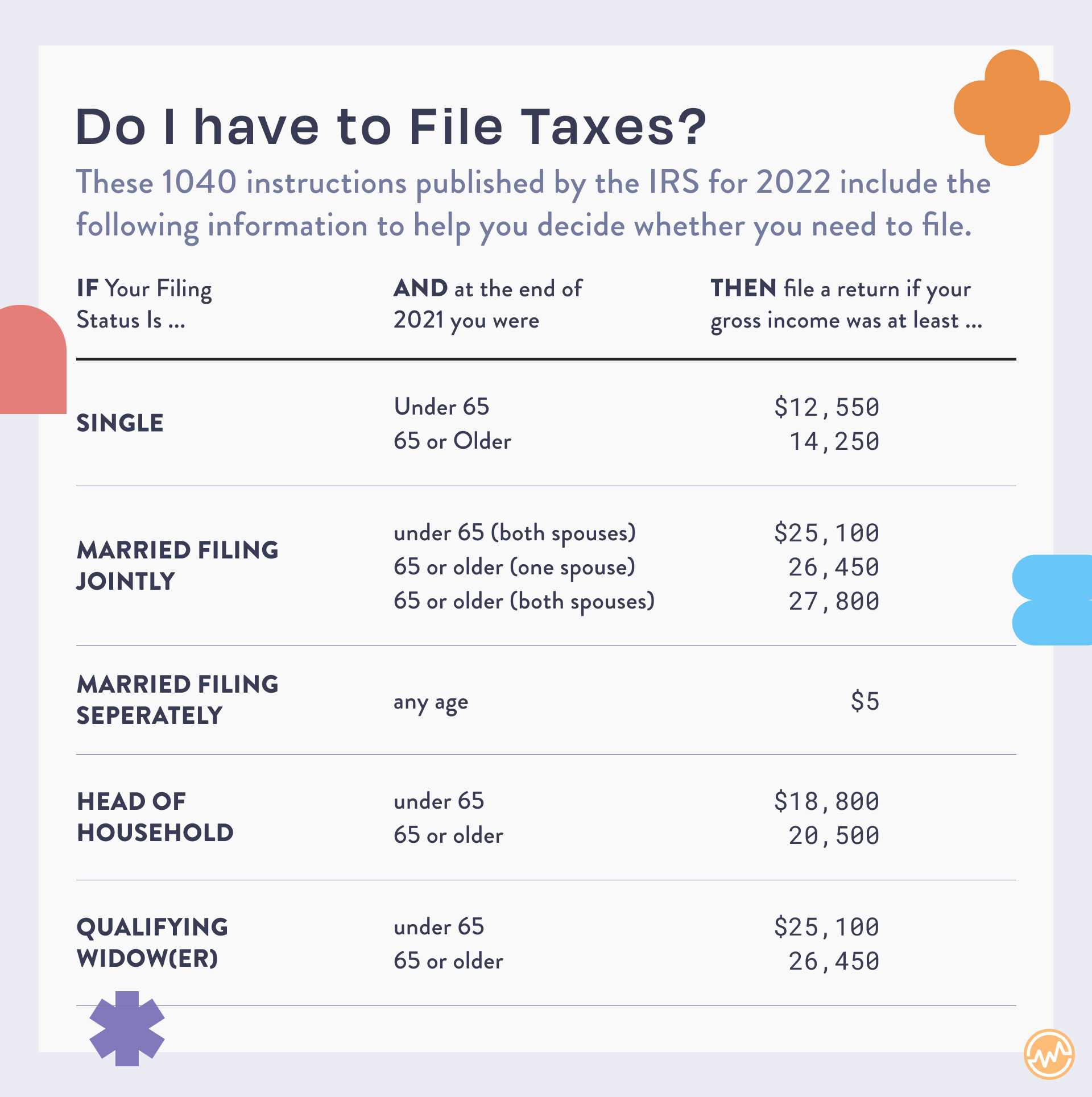
Steps to Take If You’re Late
If you find yourself in a situation where you’ve missed the deadline, don’t panic, but act swiftly:
- File Your Return as Soon as Possible: The sooner you file, the less the failure to file penalty will accrue. Even if you can’t pay, file your return.
- Pay What You Can: If you owe taxes, pay as much as you can afford immediately to minimize the failure to pay penalty and interest.
- Contact the IRS: If you can’t pay your full tax bill, contact the IRS to discuss payment options, such as a short-term payment plan or an Offer in Compromise. Ignoring the problem will only make it worse.
- Penalty Abatement: In certain situations, the IRS may waive penalties if you have a reasonable cause for failing to file or pay on time (e.g., natural disaster, serious illness, or other unavoidable circumstances). You’ll typically need to write a letter explaining your situation and provide supporting documentation.
In conclusion, understanding when you are able to file taxes goes far beyond simply knowing the April 15th deadline. It encompasses a comprehensive awareness of the IRS calendar, the personal factors that shape your individual timeline, and the strategies that can transform tax season from a stressful obligation into a manageable and even advantageous financial exercise. By staying informed, organized, and proactive, you can ensure timely compliance, optimize your financial outcomes, and navigate the tax landscape with confidence.
aViewFromTheCave is a participant in the Amazon Services LLC Associates Program, an affiliate advertising program designed to provide a means for sites to earn advertising fees by advertising and linking to Amazon.com. Amazon, the Amazon logo, AmazonSupply, and the AmazonSupply logo are trademarks of Amazon.com, Inc. or its affiliates. As an Amazon Associate we earn affiliate commissions from qualifying purchases.