
Navigating the annual ritual of tax filing can often feel like a daunting and expensive endeavor. Many individuals assume that professional assistance or specialized software comes with an unavoidable price tag. However, the truth is that a significant portion of the population is eligible to file their federal (and often state) taxes completely free of charge. Embracing these no-cost options isn’t just about saving money on preparation fees; it’s about empowering yourself with financial knowledge and ensuring you retain every dollar you’re entitled to. This comprehensive guide will demystify the process, illuminate the various pathways to free tax filing, and equip you with the insights needed to confidently meet your tax obligations without spending a dime.

Understanding Your Eligibility for Free Tax Filing
The first step in leveraging free tax services is to determine if your financial situation qualifies. The eligibility criteria are primarily based on income levels and the complexity of your tax return. Understanding these thresholds and the programs available is crucial.
Income Thresholds and Specific Programs
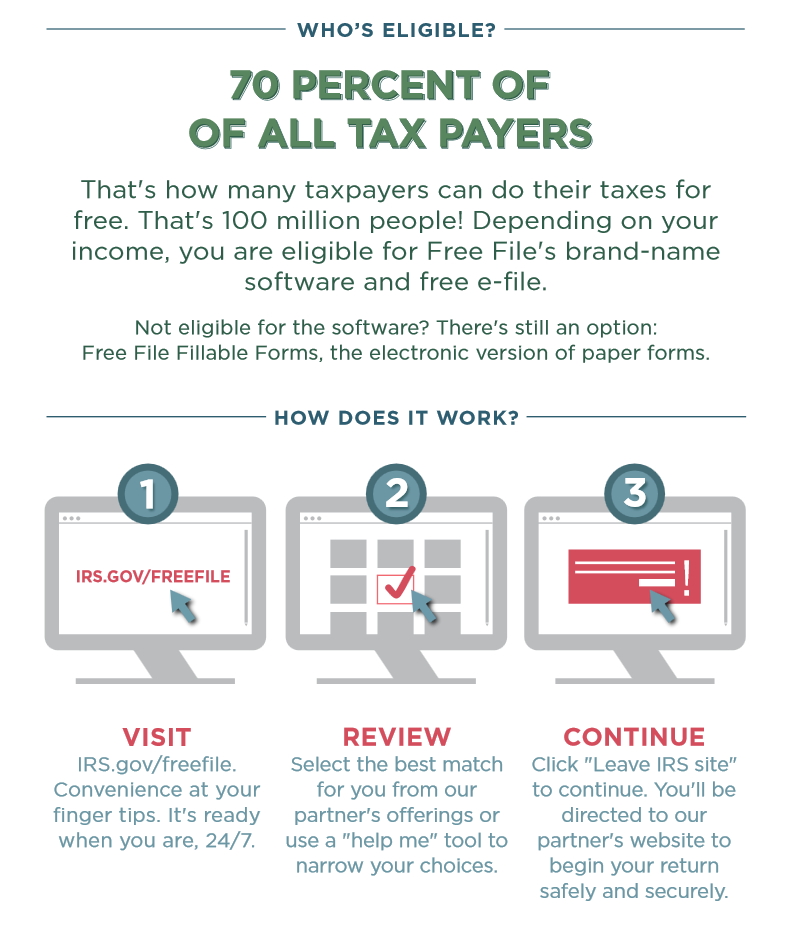
The most prominent avenue for free federal tax filing is the IRS Free File Program. This partnership between the IRS and a consortium of leading tax software companies offers free online tax preparation and e-filing. The primary qualifier for Free File is an Adjusted Gross Income (AGI) below a certain threshold, which the IRS adjusts annually to account for inflation. For instance, for the 2023 tax year (filed in 2024), the AGI limit for IRS Free File was $79,000 for individuals and families. If your AGI falls below this limit, you typically have access to various commercial tax software products at no cost.
Beyond the IRS Free File Program, other community-based initiatives extend free tax help to specific demographics. The Volunteer Income Tax Assistance (VITA) program offers free tax help to people who generally make $64,000 or less, persons with disabilities, and limited English-speaking taxpayers. Similarly, the Tax Counseling for the Elderly (TCE) program provides free tax help, especially to people who are age 60 and older, specializing in questions about pensions and retirement-related issues. These programs utilize IRS-certified volunteers who provide in-person tax preparation services.
Identifying Your Tax Situation: Simple vs. Complex Returns
While many qualify based on income, the simplicity of your tax return also plays a significant role in determining the most suitable free filing method. “Simple” returns typically involve W-2 income, standard deductions, child tax credits, and perhaps student loan interest or basic retirement contributions.
“Complex” returns might involve self-employment income (Form 1099-NEC), rental income, capital gains and losses from investments, foreign income, or itemized deductions. While some free software options or volunteer programs can handle a degree of complexity, highly intricate situations might require more advanced software or professional advice, which could incur costs. It’s essential to honestly assess your financial landscape to choose the right free option. Many free software options will guide you through this assessment, informing you if your return exceeds their free service scope.
State Tax Considerations
It’s vital to remember that filing federal taxes for free doesn’t automatically mean your state taxes will also be free. Some IRS Free File partners will offer free state tax filing if you qualify for their federal offer, while others charge a fee for state returns. Certain states also have their own free filing options or partnerships, especially for lower-income residents. When selecting a free federal option, always check its policy regarding state tax filing to avoid unexpected charges. Websites for your state’s department of revenue or taxation are excellent resources for state-specific free filing programs.
Navigating the IRS Free File Program
The IRS Free File Program is arguably the most widespread and accessible path for eligible taxpayers to file their taxes for free online. Understanding its mechanics is key to utilizing it effectively.
How the Program Works with Partner Software Providers
The IRS does not directly provide its own tax preparation software through the Free File Program. Instead, it partners with a group of commercial tax software companies. These companies agree to provide their services, including guided preparation and e-filing, to eligible taxpayers at no cost, typically those meeting the AGI limit. Each partner company sets its own specific eligibility criteria within the IRS guidelines, which might include age limits, military status, or state residency.
Crucially, you must access the IRS Free File Program through the IRS website (IRS.gov). If you go directly to a partner company’s website, you might be redirected to their paid products or required to pay for services that would have been free through the IRS Free File portal. The IRS website acts as a gateway, ensuring you are directed to the correct, no-cost version of the software.
Step-by-Step Guide to Accessing Free File
- Visit IRS.gov: Start your journey at the official IRS website. Look for the “Free File Your Taxes” section or search for “IRS Free File Program.”
- Review Free File Offerings: The IRS website will list all participating software providers and outline their specific eligibility criteria (e.g., maximum AGI, age, state availability). Carefully review these to find the provider that best fits your situation.
- Select a Provider: Once you’ve chosen a provider, click on the link from the IRS website. This action is critical, as it ensures you are using the designated free portal.
- Create an Account: You’ll be directed to the partner company’s website where you’ll create a free account, often requiring an email address and password.
- Prepare Your Return: The software will guide you through the process, asking questions about your income, deductions, and credits. It’s designed to be user-friendly, helping you input your information accurately.
- E-file Your Return: Once you’ve completed your return and reviewed it for accuracy, you can electronically file it directly through the software. You’ll receive confirmation from both the software provider and the IRS that your return has been accepted.
Common Pitfalls and Tips for Success
A common pitfall is inadvertently choosing a paid product or service when a free one was available. Always double-check that you are using the IRS Free File version of the software, not a similar-looking commercial product. Be wary of upsells for add-on services (e.g., audit protection, faster refunds) that might not be necessary or could negate the “free” aspect.
Tips for success include: gathering all your documents before you start, taking your time to answer questions accurately, and utilizing any built-in help or FAQs the software provides. If you encounter an issue, most Free File providers offer customer support for their free users, though response times may vary.
Exploring Other Free Tax Preparation Resources
Beyond the IRS Free File Program, several other valuable resources exist for free tax preparation, catering to different needs and preferences.
Volunteer Income Tax Assistance (VITA) and Tax Counseling for the Elderly (TCE)
For those who prefer in-person assistance or have limited internet access, VITA and TCE sites are invaluable. These programs are supported by the IRS and staffed by certified volunteers who provide free tax preparation and e-filing services. VITA typically serves individuals with income below a certain threshold, persons with disabilities, and limited English speakers. TCE specializes in tax issues for taxpayers aged 60 and older.
To find a VITA or TCE site near you, you can use the IRS VITA/TCE Locator tool on IRS.gov. It’s advisable to call ahead to confirm operating hours, services offered, and what documents you need to bring. These sites offer a personal touch and expert guidance, ensuring your return is prepared accurately while helping you claim all eligible credits and deductions.
Direct File by IRS (Newer Initiative)
The IRS has been piloting a new “Direct File” program, allowing a limited number of taxpayers in certain states with simpler tax situations to file directly with the IRS for free, entirely through an IRS-managed online platform. This is a significant development as it represents the IRS offering its own direct filing service, distinct from its partnership with commercial software companies. As this program expands, it could become a prominent free filing option for a broader range of taxpayers, streamlining the process and reducing reliance on third-party providers. Keep an eye on IRS announcements for updates on Direct File’s availability and scope.
Free Tax Software Options
While the IRS Free File Program is a primary pathway, some commercial tax software companies offer truly free versions of their products outside of the IRS program, often for very simple returns. These typically cover basic W-2 income and the standard deduction. Examples (though specific offerings can change year to year and may be acquired by larger companies) include Cash App Taxes (formerly Credit Karma Tax) or similar limited-scope free offerings from major providers. When using these, always carefully read the fine print to ensure your tax situation qualifies for the “free” service and that there are no hidden fees for features you might need.
Free Fillable Forms
For taxpayers who are comfortable with self-preparation and have very straightforward tax situations, the IRS also provides Free Fillable Forms. This option allows you to fill out and submit official IRS forms electronically, but it provides no guidance or calculations beyond basic math. It’s essentially the digital equivalent of filling out paper forms manually. This option is best suited for individuals who understand tax law well and are confident in their ability to complete their return without software assistance. While free, it demands a higher level of user knowledge and care.
Essential Documents and Information for Free Filing
Regardless of which free filing method you choose, having all your necessary documents and information organized beforehand is crucial for a smooth and accurate process. This preparedness helps prevent errors, speeds up filing, and ensures you claim everything you’re entitled to.
Personal Identification and Dependent Information
You’ll need your Social Security number (SSN) or Individual Taxpayer Identification Number (ITIN) for yourself, your spouse (if filing jointly), and any dependents you claim. Also, have their full names and dates of birth readily available. For dependents, you may also need proof of relationship and residency.
Income Statements
This is perhaps the most critical category of documents. Gather all forms that report your income:
- Form W-2: From your employer(s), showing wages, tips, and other compensation.
- Form 1099-NEC: For nonemployee compensation (freelance or contract work).
- Form 1099-MISC: For miscellaneous income.
- Form 1099-INT: For interest income from banks.
- Form 1099-DIV: For dividend income from investments.
- Form 1099-R: For distributions from pensions, annuities, IRAs, etc.
- Form 1099-G: For unemployment compensation or state/local tax refunds.
- Form SSA-1099: For Social Security benefits.
- Records of any other income, such as rental income, business income, or cryptocurrency transactions.
Deductions and Credits Documentation
To maximize your refund, you must document any eligible deductions and credits. This might include:
- Form 1098-E: For student loan interest paid.
- Form 1098-T: For tuition and related education expenses.
- Form 1098: For mortgage interest paid.
- Records of Child Care Expenses: Including the provider’s name, address, and Employer Identification Number (EIN) or SSN.
- Health Insurance Information: Form 1095-A, B, or C, if applicable.
- Charitable Contribution Records: Receipts or acknowledgment letters for cash and non-cash donations.
- Medical Expense Records: For those itemizing, tracking out-of-pocket medical costs.
- Retirement Contributions: Records of IRA contributions, especially for Traditional IRAs.
Banking Information for Direct Deposit/Withdrawal
If you’re expecting a refund and want it deposited directly into your bank account (the fastest and safest method), you’ll need your bank’s routing number and your account number. Similarly, if you owe taxes and wish to pay directly from your bank account, you’ll need the same information.
Maximizing Your Refund and Avoiding Common Mistakes
Filing for free is a great financial move, but it’s equally important to ensure you’re getting the largest refund possible and avoiding errors that could lead to delays or future problems.
Double-Checking for Eligible Credits and Deductions
The most common reason taxpayers miss out on potential refunds is failing to claim all applicable credits and deductions. Free tax software and volunteer preparers are excellent at prompting you for these, but you should still be proactive.
- Earned Income Tax Credit (EITC): A refundable credit for low-to-moderate-income working individuals and families.
- Child Tax Credit (CTC): For families with qualifying children.
- Education Credits: Such as the American Opportunity Tax Credit or Lifetime Learning Credit.
- Saver’s Credit: For low- and moderate-income individuals contributing to retirement accounts.
- Student Loan Interest Deduction: Up to a certain limit.
- Health Savings Account (HSA) Deductions: For contributions made.
Take the time to understand these and other less common provisions to see if they apply to your situation.
Reviewing Your Return Before Submission
Before hitting the “submit” button, perform a thorough review of your entire return.
- Check for typos: Small errors in SSNs, account numbers, or income figures can lead to rejection or delays.
- Verify bank information: Ensure your routing and account numbers are correct for direct deposit/withdrawal.
- Confirm all income is reported: Missing a W-2 or 1099 is a common audit trigger.
- Ensure all dependents are correctly listed: And that you have their necessary information.
- Compare to last year’s return: If your situation hasn’t changed drastically, your current year’s return should generally align. Significant discrepancies without clear reasons warrant a closer look.
The Importance of Keeping Records
Even after filing, your financial responsibility isn’t over. The IRS recommends keeping tax records for at least three years from the date you filed your original return or two years from the date you paid the tax, whichever is later. For certain situations, like reporting worthless securities or bad debt deductions, the period can extend to seven years. Store copies of your filed return and all supporting documents (W-2s, 1099s, receipts for deductions, etc.) in a safe, accessible place, whether digitally or physically. Good record-keeping is your best defense in case of an IRS inquiry or audit.

Understanding Deadlines and Extensions
The standard tax filing deadline for federal income tax returns is typically April 15th each year (or the next business day if April 15th falls on a weekend or holiday). While filing for free gives you flexibility, it doesn’t exempt you from these deadlines. If you cannot file on time, you can request an extension using Form 4868, which typically grants an additional six months to file. It’s crucial to remember that an extension to file is not an extension to pay. If you anticipate owing taxes, you should estimate and pay them by the original deadline to avoid penalties and interest.
By leveraging the numerous free resources available, understanding your eligibility, and diligently preparing your documentation, you can confidently file your taxes without incurring unnecessary costs. This not only saves you money in the short term but also contributes to your overall financial literacy and empowers you to manage your personal finances more effectively in the long run.
aViewFromTheCave is a participant in the Amazon Services LLC Associates Program, an affiliate advertising program designed to provide a means for sites to earn advertising fees by advertising and linking to Amazon.com. Amazon, the Amazon logo, AmazonSupply, and the AmazonSupply logo are trademarks of Amazon.com, Inc. or its affiliates. As an Amazon Associate we earn affiliate commissions from qualifying purchases.