
Acquiring a Tesla represents more than just purchasing a new car; it’s an investment in a different kind of driving experience, a leap into advanced technology, and for many, a significant financial decision. The allure of Tesla’s innovation, performance, and environmental benefits often sparks the initial interest, but the practical question “how can I buy a Tesla?” quickly shifts the focus to financial planning, budgeting, and understanding the unique aspects of Tesla’s sales model. This comprehensive guide will navigate the financial landscape of Tesla ownership, helping you demystify the process and make an informed decision that aligns with your personal financial goals. From understanding the true cost of ownership to exploring various financing avenues, we’ll equip you with the knowledge to turn your dream of owning a Tesla into a financially sound reality.
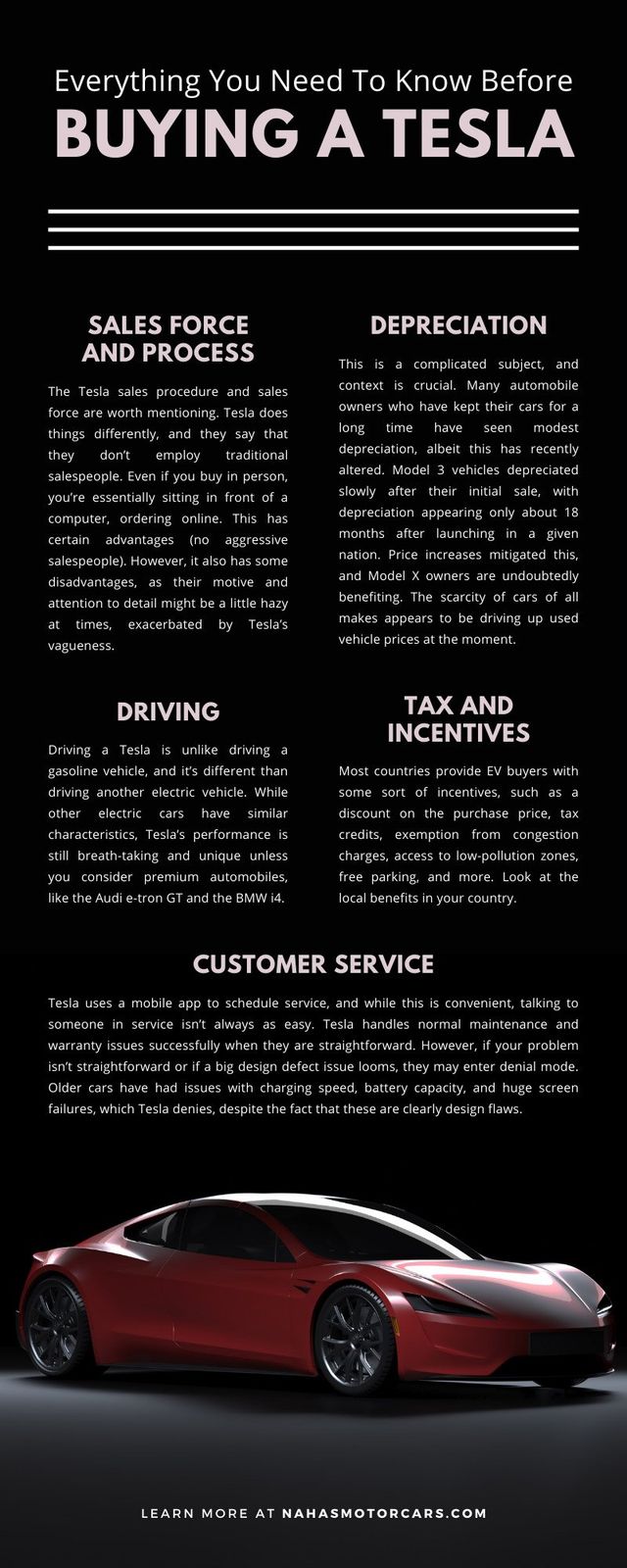
Demystifying the Tesla Purchase: A Financial Overview
Before even considering models or features, the first step in buying a Tesla is to gain a clear financial perspective. Tesla vehicles, while increasingly accessible, still represent a substantial investment for most individuals. A prudent financial approach begins with understanding the complete picture, not just the sticker price. This includes anticipating all associated costs and establishing a strong personal financial foundation.
Understanding the True Cost of Ownership (Beyond Sticker Price)
The initial price tag of a Tesla, whether for a Model 3, Model Y, Model S, or Model X, is just the starting point. Savvy buyers understand that true cost of ownership encompasses a wider array of expenses. Beyond the vehicle’s purchase price, you must factor in sales taxes, registration fees, potential luxury taxes in some jurisdictions, and delivery charges. Furthermore, ongoing costs like insurance premiums (which can be higher for electric vehicles and performance cars), electricity costs for charging (whether at home or at public Superchargers), and potential upgrades or accessories like enhanced autopilot, full self-driving capabilities, or premium connectivity subscriptions, all contribute to the overall financial commitment. While Teslas are known for lower traditional maintenance costs due to fewer moving parts, occasional tire replacements, brake fluid checks, and general wear-and-tear items still apply. A holistic view of these expenses prevents financial surprises down the road.
The Importance of a Solid Financial Foundation
Before seriously committing to a Tesla purchase, it’s imperative to assess your personal financial health. This involves a realistic evaluation of your current income, existing debts, and monthly expenses. Do you have a stable income source that can comfortably accommodate a new car payment, along with increased insurance and charging costs? Is your emergency fund adequately stocked to handle unexpected financial setbacks? Are you meeting other crucial financial goals, such as retirement savings or paying down high-interest debt? Taking on a new, significant car loan without a solid financial foundation can put undue stress on your budget and compromise your long-term financial stability. It’s often wiser to delay a purchase, even a highly desired one, until your financial position is robust enough to absorb it without strain.
Tesla’s Direct Sales Model: What to Expect Financially
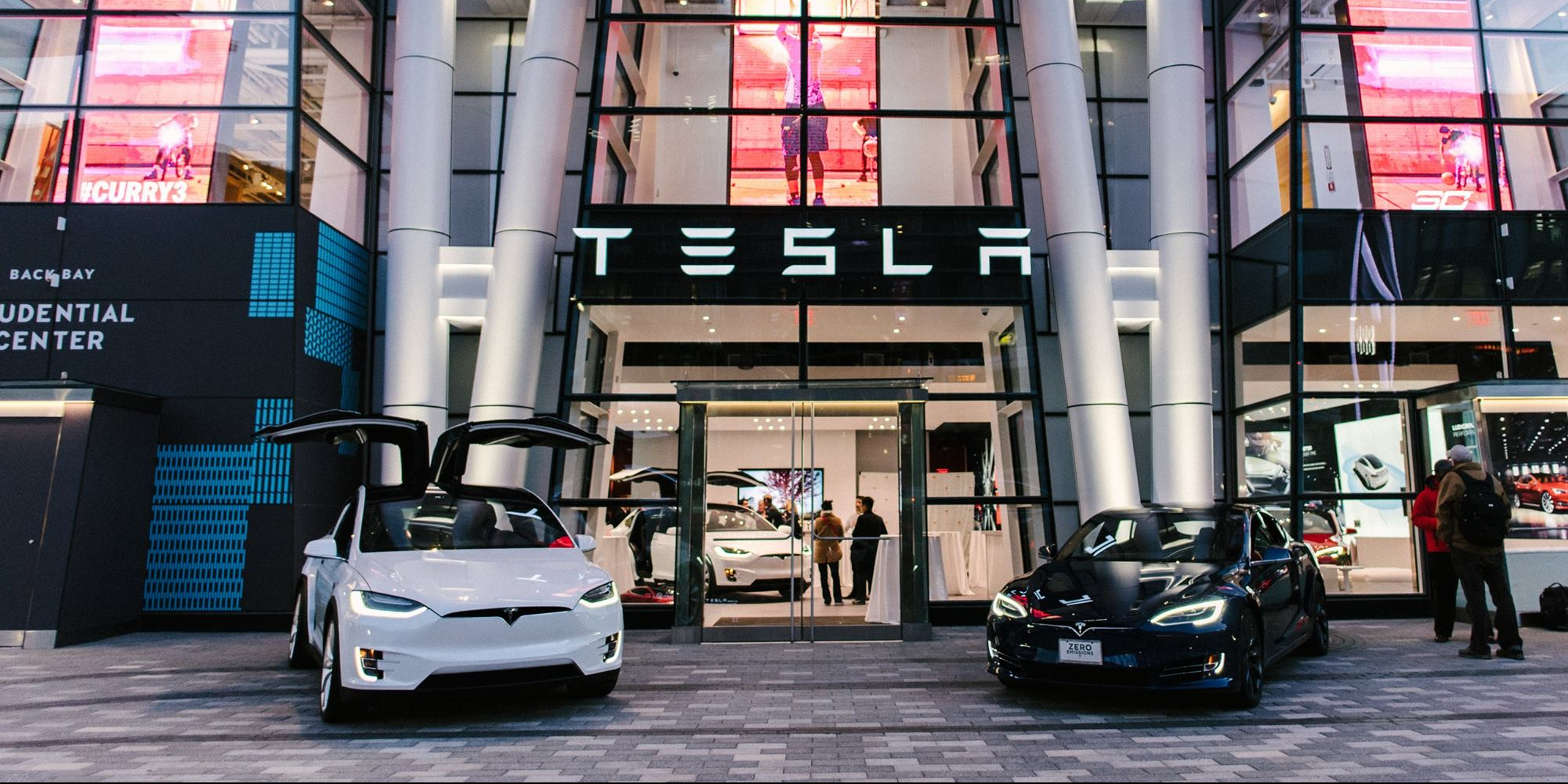
Unlike traditional car dealerships where negotiation is common, Tesla operates on a direct-to-consumer sales model. This means prices are generally non-negotiable and are clearly listed on their website. While this removes the stress of haggling, it also means you won’t be able to “talk down” the price. What you see is essentially what you pay, barring any specific incentives or trade-in valuations. This transparent pricing can simplify the purchase process, but it underscores the importance of having your financing pre-arranged or understanding Tesla’s financing options beforehand. The order process typically involves a non-refundable deposit, so ensure your decision is firm before proceeding. Understanding this unique sales approach from a financial perspective helps in setting realistic expectations and planning your budget accordingly.
Navigating Your Financing Options
Once you have a clear understanding of the full cost of ownership and have shored up your financial foundation, the next critical step is to determine the best way to finance your Tesla. There are several paths you can take, each with its own set of advantages and considerations. Choosing the right financing strategy can significantly impact your monthly payments, the total cost of the vehicle, and your overall financial flexibility.
Cash Purchase: Weighing Liquidity vs. Convenience
For those with sufficient liquid assets, paying for a Tesla entirely in cash is an option. The primary advantage here is avoiding interest payments, which can save you thousands of dollars over the life of a loan. It also simplifies the ownership experience, as you won’t have a recurring car payment. However, paying cash means tying up a significant portion of your capital in a depreciating asset. It’s crucial to consider the opportunity cost: could that money be better invested elsewhere to generate returns, or is it needed for other essential financial goals? Draining your savings for a car might leave you vulnerable to unexpected expenses. Weighing the financial peace of mind of zero debt against the potential for better returns or maintaining liquidity is a personal decision that requires careful thought.
Tesla Financing: Loans and Lease Programs
Tesla itself offers financing solutions directly through its website, partnering with various financial institutions.
- Tesla Loans: These are traditional auto loans arranged directly through Tesla. The process is streamlined, often integrated into your online order. Tesla will present you with competitive interest rates and loan terms based on your creditworthiness. Convenience is a major benefit, but it’s always wise to compare their rates with external lenders.
- Tesla Lease Programs: Leasing allows you to drive a new Tesla for a set period (typically 24 to 36 months) with lower monthly payments compared to buying. At the end of the lease, you return the vehicle. This is an attractive option for those who enjoy driving new cars frequently, prefer predictable monthly expenses, and don’t want the long-term commitment of ownership. However, you don’t build equity, mileage limits apply, and customization options might be restricted. Ensure you understand all lease terms, including potential end-of-lease fees for wear and tear or excess mileage.
External Financing: Banks, Credit Unions, and Alternative Lenders
Before committing to Tesla’s financing, explore options from external lenders. Traditional banks and credit unions often offer competitive auto loan rates.
- Banks: Large national and regional banks are a reliable source for auto loans. They typically offer a range of terms and can sometimes provide better rates, especially if you have an existing relationship with them.
- Credit Unions: Often lauded for their customer-centric approach and potentially lower interest rates, credit unions are an excellent option for auto financing. Membership requirements usually exist but are often easy to meet.
- Online Lenders: A growing number of online lenders specialize in auto financing. They can provide quick approvals and competitive rates, often allowing you to compare offers from multiple lenders without impacting your credit score.
Securing pre-approval from an external lender gives you leverage and a benchmark against which to compare Tesla’s financing offers, ensuring you get the most favorable terms possible.
Understanding Interest Rates and Loan Terms
Regardless of your chosen financing path, a deep understanding of interest rates and loan terms is paramount.
- Interest Rate (APR): This is the cost of borrowing money, expressed as a percentage. Even a small difference in APR can amount to thousands of dollars over the life of a loan. Your credit score is the primary determinant of the interest rate you’ll be offered.
- Loan Term: This refers to the duration over which you will repay the loan (e.g., 36, 48, 60, 72, or even 84 months). Longer terms result in lower monthly payments but typically accrue more interest over time, increasing the total cost of the vehicle. Shorter terms have higher monthly payments but save you money on interest. Balancing affordability with total cost is key. Run different scenarios using an online auto loan calculator to see what fits your budget best.
Budgeting for Your Dream Electric Vehicle
With financing options explored, the next critical step is to build a detailed budget that accommodates Tesla ownership. This isn’t just about covering the car payment; it’s about integrating all aspects of the purchase and ongoing expenses into your broader financial plan, ensuring long-term sustainability and peace of mind.
Assessing Your Monthly Income and Expenses
A realistic budget starts with a thorough review of your current financial inflows and outflows. List all sources of income and meticulously track all monthly expenses – housing, utilities, groceries, existing loan payments, entertainment, and savings contributions. Once you have a clear picture, determine your disposable income – the money left after all essential expenses are covered. This figure will help you ascertain how much you can comfortably allocate to a car payment without sacrificing other financial goals or incurring financial stress. Financial experts often recommend that car payments, along with insurance, should not exceed 10-15% of your net monthly income.
The Down Payment Dilemma: How Much Is Enough?
The size of your down payment plays a significant role in your overall financing terms and monthly burden. A larger down payment reduces the amount you need to borrow, thus lowering your monthly payments and the total interest paid over the loan term. It also provides immediate equity in the vehicle, which can be beneficial in case of an accident or if you need to sell the car sooner than expected. While there’s no fixed rule, aiming for at least 10-20% of the vehicle’s purchase price is a common recommendation for new cars. If your budget allows for more, it can further improve your financial position. Consider saving aggressively for a down payment as a critical first step in your Tesla acquisition journey.
Accounting for Insurance, Charging, and Maintenance
Beyond the car payment itself, three major categories of ongoing expenses demand attention:
- Insurance: Tesla vehicles, particularly higher-performance models, can have higher insurance premiums. Factors like the vehicle’s value, repair costs, and safety features all influence rates. Obtain insurance quotes for your chosen Tesla model before committing to the purchase to ensure these costs are manageable within your budget.
- Charging: While often cheaper than gasoline, electricity costs for charging your Tesla vary. Home charging is generally the most cost-effective. Factor in the cost of installing a Level 2 home charger if you don’t already have one. Public Supercharger rates are higher but still competitive. Estimate your monthly charging costs based on your typical driving habits and local electricity prices.
- Maintenance: Although Teslas require less traditional maintenance, they are not maintenance-free. Tire rotations and replacements, wiper fluid, cabin air filter replacements, and occasional service checks are still necessary. Budget a small amount monthly for these eventualities and potential unforeseen repairs.
Leveraging Trade-Ins and Incentives
To offset the cost of your Tesla, explore trade-in options and available incentives.
- Trade-Ins: Tesla offers trade-in valuations for your current vehicle. While convenient, it’s often advisable to get multiple offers (from Tesla, independent dealerships, and online buyers) to ensure you’re getting the best possible value for your trade. Selling your car privately might yield more, but it requires more effort.
- Incentives: Keep an eye out for federal, state, and local incentives for purchasing electric vehicles. These can include tax credits, rebates, or even HOV lane access perks. These incentives can significantly reduce the effective purchase price of your Tesla, so research current programs thoroughly before making your decision.
Strategic Financial Planning for Tesla Ownership
Buying a Tesla is not just a transaction; it’s a long-term financial commitment that integrates into your broader financial plan. Strategic thinking beyond the immediate purchase can ensure that your Tesla ownership experience remains positive and financially sustainable for years to come.
Improving Your Credit Score for Favorable Rates
Your credit score is arguably the single most important factor determining the interest rate you’ll receive on an auto loan. A higher credit score signals lower risk to lenders, leading to more favorable terms and lower monthly payments. Before applying for financing, take steps to improve your credit score:
- Check Your Credit Report: Obtain free copies of your credit report from all three major bureaus (Equifax, Experian, TransUnion) and dispute any errors.
- Pay Bills on Time: Payment history is the biggest factor in your score. Set up autopay to avoid missed payments.
- Reduce Debt: Lowering your credit utilization (the amount of credit you’re using versus the amount available) can quickly boost your score.
- Avoid New Credit Applications: Don’t open new credit accounts in the months leading up to your car loan application, as this can temporarily ding your score.
Investing time in improving your credit score can save you thousands of dollars in interest over the life of your Tesla loan.
Long-Term Financial Impact and Resale Value
Consider the long-term financial implications of your Tesla purchase. While Teslas generally hold their value better than many internal combustion engine vehicles, depreciation is an inevitable factor for any car. Understand how your chosen model and its features (e.g., Full Self-Driving capability) might affect its resale value in the future. Electric vehicle technology is evolving rapidly, and new models or battery advancements could impact older models’ desirability. Factor in potential future upgrades or maintenance needs as the vehicle ages. Owning a Tesla should align with your overall financial roadmap, not derail it.

Considering the “Why”: Is a Tesla a Want or a Need?
Finally, step back and reflect on the core motivation behind your desire to buy a Tesla. Is it a genuine need for reliable transportation, coupled with a strong preference for EV technology and performance? Or is it primarily a want, driven by aspirational desires, brand appeal, or social status? There’s nothing inherently wrong with wanting a premium vehicle, but distinguishing between a want and a need is crucial for making sound financial decisions. If it’s more of a “want,” ensure that fulfilling this desire doesn’t compromise more essential financial needs or long-term goals. A Tesla can be an exciting and rewarding purchase, but only if it fits comfortably within your financial reality, supporting rather than hindering your broader wealth-building journey.
In conclusion, buying a Tesla is a significant financial undertaking that requires careful planning, thorough research, and a clear understanding of your personal financial situation. By systematically assessing costs, exploring financing options, building a comprehensive budget, and engaging in strategic financial planning, you can navigate the purchase process with confidence. With a solid financial foundation and a clear understanding of all the variables, the dream of owning a Tesla can become a well-managed and financially sensible reality.
aViewFromTheCave is a participant in the Amazon Services LLC Associates Program, an affiliate advertising program designed to provide a means for sites to earn advertising fees by advertising and linking to Amazon.com. Amazon, the Amazon logo, AmazonSupply, and the AmazonSupply logo are trademarks of Amazon.com, Inc. or its affiliates. As an Amazon Associate we earn affiliate commissions from qualifying purchases.