
Major League Soccer (MLS) has rapidly evolved from a fledgling sports entity into a vibrant and significant player in the North American sports landscape. The question “how many teams are in Major League Soccer?” is far more than a simple numerical query; it’s a gateway into understanding the league’s ambitious brand strategy, its corporate identity, and its deliberate approach to market expansion. The consistent growth in team numbers reflects a meticulously planned branding exercise, aimed at establishing a strong, diversified, and widely recognized identity across the continent. Each new team is not merely an addition to a roster but a strategic brand asset, meticulously designed to capture new demographics, deepen fan engagement, and bolster the league’s overall commercial appeal.

The Evolving Landscape of MLS: A Brand Defined by Growth
The trajectory of Major League Soccer is a compelling case study in brand development through controlled expansion. From its inception with 10 teams, the league has systematically broadened its reach, transforming its corporate identity from a niche curiosity into a mainstream sports entertainment powerhouse. This growth isn’t arbitrary; it’s a fundamental pillar of the MLS brand strategy, designed to foster deeper market penetration and cultural relevance.
From Humble Beginnings to a North American Powerhouse
MLS launched in 1996 with ten teams, a modest start reflective of soccer’s then-nascent status in North America. The initial brand identity was one of potential, yet also of cautious optimism. The challenge was to build a legitimate, high-quality professional league that could compete for attention in a crowded sports market dominated by established giants like the NFL, NBA, MLB, and NHL. The early years focused on establishing credibility and a core fan base, nurturing the nascent brand through innovative rules and targeted marketing efforts. The league’s survival and subsequent growth underscore the resilience and foresight of its foundational brand strategy. The brand narrative shifted from mere existence to one of gradual, strategic ascendancy, laying the groundwork for future expansion.
The Current Roster: A Snapshot of Market Reach
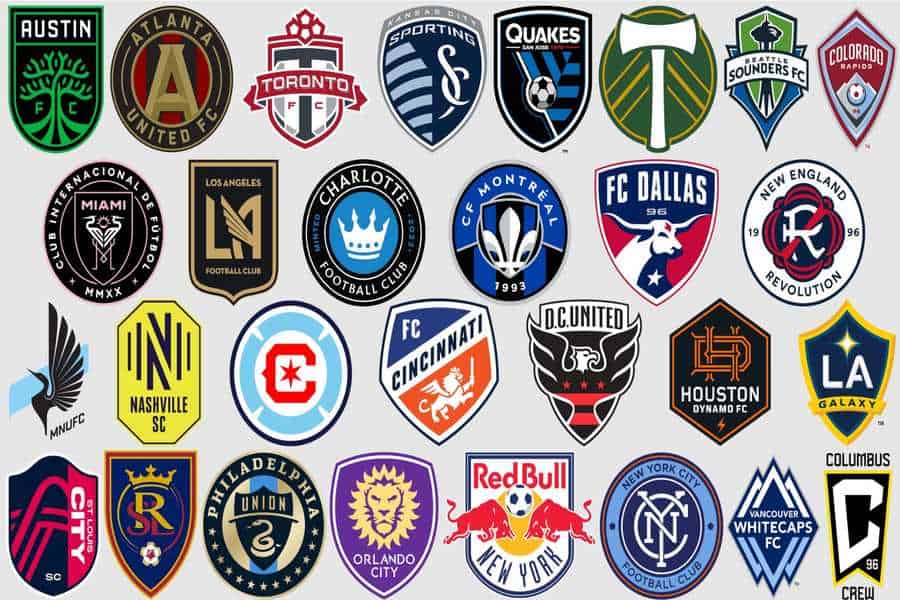
As of the 2024 season, Major League Soccer features 29 teams, with plans for further expansion in the pipeline. This figure is a powerful testament to the league’s successful brand journey. Each of these 29 teams represents a distinct local brand, carefully cultivated to resonate with its specific geographic and cultural context, while simultaneously contributing to the unified MLS corporate identity. The distribution of these teams across the United States and Canada signifies MLS’s broad market reach, touching major metropolitan areas and emerging soccer hotbeds alike. This expansive footprint allows the league to tap into diverse fan bases, broaden its media exposure, and attract a wider array of sponsors, all critical components of a robust brand ecosystem. The number isn’t static; it reflects a living, evolving brand that actively seeks new avenues for growth and engagement.
The Strategic Imperative of Expansion
For MLS, expansion is more than just adding clubs; it’s a core brand imperative. Each new market presents an opportunity to introduce the MLS brand to new audiences, cultivate fresh fan loyalties, and generate additional revenue streams. This strategy is multi-faceted: it enhances the league’s media rights value, increases merchandise sales, and strengthens its appeal to global football fans. Furthermore, expansion fosters increased competition, raising the overall quality of play and thus elevating the on-field product—a crucial aspect of any sports brand. The consistent announcement and integration of new teams generate continuous buzz, keeping the MLS brand in the public conversation and projecting an image of dynamism and forward-thinking leadership. This proactive approach to growth is central to maintaining and enhancing its competitive position in the crowded North American sports market.
Branding New Territories: The Art of Market Penetration
The process of adding a new team to MLS is a sophisticated exercise in brand management and market penetration. It involves extensive research, creative identity development, and sustained community engagement to ensure that each new franchise not only survives but thrives as a valuable extension of the MLS brand.
Identifying Key Markets: Demographics, Passion, and Potential
Selecting a new market for an MLS team is a critical branding decision. The league rigorously assesses potential cities based on a blend of demographic factors, existing soccer fan bases, corporate support, and stadium plans. A city’s demographic profile—its population size, youth demographics, and diversity—provides insights into its potential to embrace a new sports brand. Crucially, the presence of a passionate, albeit perhaps unorganized, soccer culture is a strong indicator of an eager fan base waiting to be engaged. Furthermore, the commitment of local ownership groups, particularly regarding financing a soccer-specific stadium, signals a robust foundation for building a sustainable brand. These elements combine to form a strategic rationale for market entry, ensuring that each expansion is a calculated risk with significant brand upside.
Crafting Local Identities: Team Names, Logos, and Colors
Once a market is identified, the focus shifts to developing the local team’s brand identity. This involves crafting unique team names, designing distinctive logos, and selecting evocative color palettes that resonate with the local culture and history. Unlike some leagues where team identities are more homogenous, MLS encourages each franchise to forge a strong, independent brand identity that celebrates its city’s unique character. For example, Atlanta United FC leverages its city’s dynamism, while Portland Timbers embraces its Pacific Northwest heritage. These localized brands, while distinct, are strategically designed to exist harmoniously within the broader MLS corporate identity. They create an emotional connection with local fans, transforming a global sport into a hyper-local passion point. This balance of individuality and league-wide cohesion is a hallmark of MLS’s branding success.
Engaging Fan Bases: Building Community and Loyalty
The launch of a new MLS team is accompanied by extensive marketing and fan engagement strategies. This isn’t just about selling tickets; it’s about building a community and fostering deep brand loyalty. Efforts include grassroots marketing, community outreach programs, digital campaigns tailored to local interests, and active social media engagement. Building a strong brand identity from day one involves creating narratives that local fans can embrace, fostering traditions, and establishing a sense of belonging. The Supporters’ Groups, often formed organically by passionate fans, become vital ambassadors for the team’s brand, amplifying its message and creating an electrifying atmosphere that becomes synonymous with the match-day experience. This deep community integration ensures that the team becomes an integral part of the city’s identity, strengthening both the local brand and the overall MLS brand.
The Symbiotic Relationship: Individual Team Brands and the League’s Corporate Identity
The success of MLS’s expansion strategy hinges on a delicate balance: allowing individual team brands to flourish while ensuring they collectively strengthen the league’s overarching corporate identity. This symbiotic relationship is crucial for maintaining a cohesive and powerful brand presence across North America.
Unifying the Brand: How MLS Manages a Diverse Portfolio
MLS expertly manages a diverse portfolio of 29 distinct team brands, each with its unique identity, history, and fan base. The league’s corporate identity serves as the unifying umbrella, providing a consistent brand framework that ensures all teams operate under a shared vision of professionalism, quality, and fan experience. This includes league-wide marketing campaigns, consistent media branding, and a unified digital presence. While teams have autonomy in their local branding and marketing efforts, they adhere to certain league standards and participate in collaborative initiatives that elevate the entire MLS brand. This strategic approach prevents brand fragmentation and reinforces the perception of MLS as a unified, growing entity rather than a disparate collection of clubs.
Leveraging Local Appeal: The Power of Regional Storytelling
One of the strengths of the MLS brand strategy is its ability to leverage the immense power of regional storytelling. Each team’s brand identity is steeped in the narrative of its city, celebrating local heroes, landmarks, and cultural nuances. This localized branding creates stronger emotional ties with fans, as they see their city’s identity reflected and celebrated on the pitch. For example, the history of soccer in Seattle is different from that in Orlando, and their team brands reflect these unique trajectories. By empowering teams to tell their regional stories, MLS effectively decentralizes its brand strength, allowing local passion to fuel league-wide growth. These diverse narratives collectively weave a richer, more compelling tapestry for the overall MLS brand, appealing to a broader spectrum of consumers.
The Future of the Brand: Strategic Vision for Continued Expansion
The question of “how many teams” continues to evolve, with MLS having a stated ambition to grow further. This ongoing expansion is a testament to the league’s long-term brand vision. The strategic addition of new teams is not just about increasing numbers but about expanding the MLS brand into new influential markets, particularly those with a strong youth soccer presence or significant untapped demographic potential. Future expansion will likely focus on solidifying its presence in key regions, potentially bringing the total number of teams to 30 or beyond. This sustained growth reinforces the MLS brand as forward-thinking, dynamic, and committed to becoming one of the premier sports leagues globally, continually adapting its corporate identity to meet evolving market demands and opportunities.
Marketing the MLS Brand: Reaching Beyond the Pitch
The expansion of MLS is intrinsically linked to its comprehensive marketing strategy, which aims to extend the league’s brand reach beyond the immediate confines of the soccer pitch and into broader cultural and commercial spheres.
Digital Branding and Fan Engagement
In the modern sports landscape, digital presence is paramount for brand success. MLS has invested heavily in its digital branding, creating engaging content for its website, social media platforms, and mobile apps. This strategy allows the league and its teams to connect directly with fans, sharing behind-the-scenes content, player stories, and interactive experiences. Digital platforms are crucial for reinforcing the MLS brand identity, fostering community, and driving fan engagement across different demographics, particularly younger, digitally native audiences. The use of innovative digital tools helps to tell the evolving story of MLS, showcasing its growth and vitality to a global audience.
Sponsorships and Partnerships: Aligning with Complementary Brands
Strategic sponsorships and partnerships are vital for bolstering the MLS brand. By aligning with reputable national and international brands, MLS enhances its credibility, broadens its market exposure, and generates significant revenue. These collaborations are carefully chosen to ensure brand alignment, where the values and target audiences of the partner complement those of MLS. For instance, partnerships with technology companies, consumer brands, or even other sports entities can introduce MLS to new demographics and reinforce its image as a modern, dynamic, and globally relevant sports brand. These co-branding efforts expand the league’s commercial footprint and strengthen its overall corporate identity.
Global Ambitions: Extending the MLS Brand Footprint
While primarily focused on North America, MLS also harbors global ambitions, especially with the upcoming 2026 FIFA World Cup to be co-hosted across the continent. The league is increasingly looking to extend its brand footprint internationally, attracting global talent, engaging international media, and participating in high-profile international competitions. This global outreach strengthens the MLS brand’s perception as a competitive and exciting league on the world stage, elevating its standing among top football leagues globally. The World Cup will serve as an unparalleled platform to showcase the maturity and vibrancy of the MLS brand to billions worldwide, highlighting its growth and potential.

Conclusion: More Than Just Numbers – A Brand Story of Vision and Growth
The question “how many teams in Major League Soccer?” is far more profound than a simple statistical inquiry. It encapsulates the league’s dynamic brand journey, its strategic expansion model, and its relentless pursuit of market dominance in North American sports. Each team added to the league roster represents a calculated brand investment, an expansion of its corporate identity, and a testament to its successful marketing strategies. From its humble beginnings to its current status as a significant player with 29 teams, and with further expansion on the horizon, MLS has masterfully crafted a brand narrative built on innovation, community, and growth. The league’s ability to foster strong individual team brands while maintaining a cohesive overall corporate identity stands as a powerful example of modern sports branding done right, promising an even more compelling future for soccer across the continent.
aViewFromTheCave is a participant in the Amazon Services LLC Associates Program, an affiliate advertising program designed to provide a means for sites to earn advertising fees by advertising and linking to Amazon.com. Amazon, the Amazon logo, AmazonSupply, and the AmazonSupply logo are trademarks of Amazon.com, Inc. or its affiliates. As an Amazon Associate we earn affiliate commissions from qualifying purchases.