
The year 1998 might not immediately register as a landmark in global history, but for the world of retail, fashion, and lifestyle branding, it marks the genesis of a phenomenon: Lululemon Athletica. Founded in Vancouver, British Columbia, by Chip Wilson, Lululemon began not merely as a clothing company but as an audacious experiment in community building and aspirational living. Its establishment laid the groundwork for a brand that would not only define the athleisure movement but also meticulously craft a unique corporate identity, marketing approach, and customer experience that continues to resonate globally.
To understand the profound impact of Lululemon, one must delve deeper than just its founding date. It requires an exploration into the strategic decisions, innovative approaches, and sometimes controversial missteps that have shaped its journey from a small design studio to a multi-billion-dollar empire. This article will trace Lululemon’s origins, dissect the distinctive brand identity it forged, examine its evolution amidst challenges, and reflect on its enduring legacy as a masterclass in modern brand building.

The Genesis of a Lifestyle Brand
Lululemon’s inception was less about launching a retail chain and more about addressing a perceived void in the market for high-quality athletic wear specifically designed for women’s yoga practice. This initial focus, combined with a revolutionary approach to customer engagement, set the stage for its meteoric rise.
From Concept to Community Hub (1998-2000)
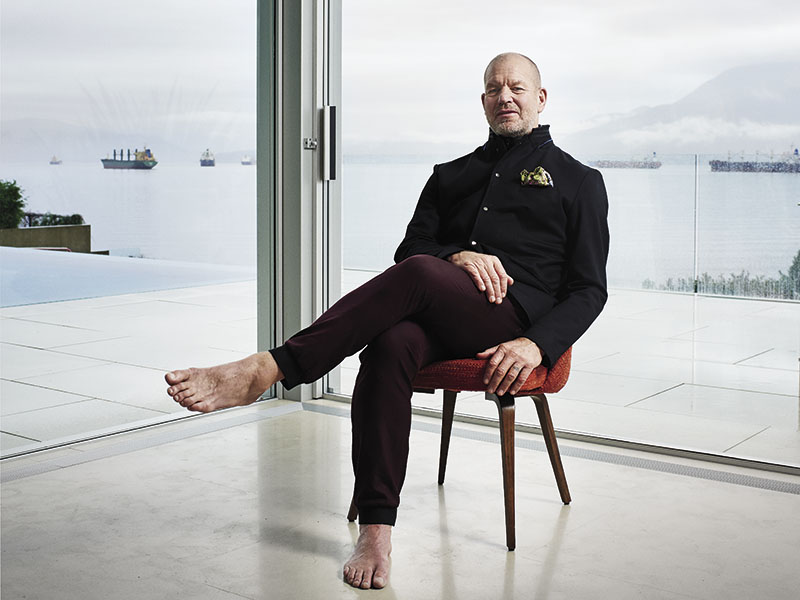
Chip Wilson, a former snowboard and surf wear entrepreneur, identified a niche in the burgeoning yoga and wellness scene. Women were increasingly engaging in these activities, yet the apparel available was often uncomfortable, ill-fitting, or lacked technical sophistication. Witnessing the sweat and stretch limitations of existing clothing, Wilson envisioned garments that would move with the body, wick moisture, and flatter the physique. In 1998, he opened a design studio in Kitsilano, Vancouver, which doubled as a yoga studio at night. This unique hybrid model was critical. It allowed Wilson and his team to directly observe, interact with, and receive immediate feedback from their target demographic. This iterative process of design, wear-testing, and direct consumer engagement became an intrinsic part of Lululemon’s brand development from day one.
The actual first standalone Lululemon retail store didn’t open its doors until November 2000 in the same Kitsilano neighborhood. By this point, the brand had already cultivated a loyal following through its studio-cum-design lab. It wasn’t just selling pants; it was selling a solution, an experience, and a connection to a specific, active lifestyle. This two-year incubation period, focused on genuine community building and product refinement, proved to be an invaluable foundation for the brand’s future success.
Early Brand Pillars: Quality and Aspiration
From its earliest days, Lululemon established two fundamental brand pillars: unparalleled product quality and an aspirational lifestyle. Wilson’s insistence on superior technical fabrics was paramount. The creation of “Luon,” Lululemon’s proprietary blend of nylon and Lycra spandex, became synonymous with comfort, stretch, and durability – qualities that customers were willing to pay a premium for. This commitment to fabric innovation and rigorous product development ensured that Lululemon’s garments weren’t just fashionable but genuinely high-performing. This emphasis on technical excellence differentiated it from mainstream sportswear brands and positioned it closer to luxury activewear.
Beyond the product, Lululemon strategically built its brand around an aspirational vision. It wasn’t just about selling yoga pants; it was about selling the ideal of a healthy, active, mindful, and empowered lifestyle. The brand imagery, store aesthetics, and messaging consistently promoted a sense of well-being, personal growth, and self-care. This approach transformed Lululemon from a mere apparel provider into a lifestyle enabler, attracting a demographic eager to align themselves with these values. By focusing on how customers felt when wearing their clothes and participating in their community, Lululemon began to build an emotional connection far stronger than traditional retail relationships.
Cultivating a Distinctive Brand Identity
Lululemon didn’t just sell clothes; it sold an identity, a community, and a philosophy. This was achieved through a masterful blend of experiential marketing, strategic scarcity, and meticulous brand positioning, creating an almost cult-like following that few brands can boast.
The Power of Experiential Marketing and Community Building
At the heart of Lululemon’s brand strategy was an innovative approach to marketing that transcended traditional advertising. Instead of billboards or magazine ads, Lululemon focused on hyper-local, experiential engagement. Its stores were designed not just as retail spaces but as community hubs. In-store yoga classes, fitness events, and complimentary workshops became standard offerings, inviting customers to experience the brand’s lifestyle firsthand. This fostered a tangible sense of belonging and allowed potential customers to interact with the products in their intended environment, building trust and familiarity.
Integral to this community-building strategy was the use of brand ambassadors – local yoga instructors, fitness trainers, and athletes who genuinely embodied the Lululemon lifestyle. These ambassadors were given free clothing, invited to provide feedback, and became authentic advocates, sharing their passion and the brand’s values within their respective communities. This grassroots approach provided credibility and authenticity, allowing Lululemon to grow organically through word-of-mouth recommendations from trusted sources. Customers felt they were part of an exclusive club, a community united by shared values and aspirations, rather than just consumers of a product.
Strategic Scarcity and Premium Positioning
Lululemon masterfully employed a strategy of controlled inventory and perceived scarcity to enhance its premium brand positioning. Unlike many retailers that rely on frequent sales and promotions, Lululemon historically avoided discounting its core products. This approach not only maintained the brand’s perceived value but also created a sense of urgency and exclusivity. Customers learned that if they saw an item they liked, they should buy it, as it might not be available for long or ever go on sale. This psychological tactic drove demand and reinforced the idea that Lululemon products were special and worth the investment.
The brand’s visual identity and retail experience also played a crucial role. Lululemon stores are characterized by a clean, minimalist aesthetic, often featuring natural materials and thoughtful layouts that emphasize the product and the brand’s wellness ethos. The iconic “A” logo, subtly integrated, became a recognizable symbol of quality and a lifestyle choice. From the carefully curated playlists to the knowledgeable and enthusiastic staff, every element of the Lululemon retail experience was designed to be immersive and aspirational. This consistent branding across all touchpoints solidified its image as a high-end, aspirational lifestyle brand that commanded respect and loyalty.
Brand Evolution Amidst Growth and Challenges
No brand grows without encountering turbulence, and Lululemon is no exception. Its journey from a niche yoga wear company to a global athleisure giant has been marked by rapid expansion, strategic diversification, and periods of significant controversy, all of which have shaped its brand identity and resilience.
Navigating Expansion and Diversification
Following its initial success, Lululemon embarked on an aggressive expansion strategy, both geographically and in terms of product offerings. The brand expanded rapidly across North America, then into international markets, bringing its unique retail experience and community model to a global audience. Crucially, Lululemon recognized the need to move beyond its original focus on women’s yoga wear to sustain growth. The introduction of men’s athletic apparel, initially met with skepticism, proved to be a significant growth driver, tapping into an underserved market with the same commitment to quality and technical innovation.
Further diversification included accessories, outerwear, and even an acquisition in fitness technology with MIRROR, signaling a broader ambition to be a holistic wellness brand. This strategic evolution allowed Lululemon to capture a larger share of the booming health and fitness market, cementing its position as a leader in active lifestyle. The brand demonstrated an ability to adapt without losing its core identity, translating its initial pillars of quality, community, and aspiration across new product categories and consumer segments.
Brand Resilience in the Face of Controversy
Lululemon’s journey has not been without its public relations crises and brand challenges. The most notable incident occurred in 2013, when certain batches of its popular Luon pants were found to be unexpectedly sheer, leading to a widespread product recall and significant brand damage. This was compounded by controversial remarks made by founder Chip Wilson, who suggested the sheerness might be due to customers’ body types, igniting a firestorm of criticism. These events tested the brand’s resilience and its ability to manage public perception.
However, Lululemon demonstrated a capacity for learning and adaptation. Wilson eventually stepped down from his executive roles, and the company made significant efforts to rebuild trust through improved quality control, clearer communication, and a renewed focus on inclusivity. Subsequent leadership teams have worked to steer the brand towards a more progressive and diverse image, investing in initiatives that promote mental well-being, equity, and environmental sustainability. These challenges, while difficult, ultimately forced Lululemon to scrutinize its internal culture and external messaging, leading to a more robust and responsive brand identity that could withstand future scrutiny.
Lululemon’s Enduring Brand Legacy
From its modest beginnings in a Vancouver yoga studio, Lululemon has forged a legacy that extends far beyond athletic apparel. It has not only redefined an entire category but also provided a compelling blueprint for how to build and sustain a powerful, purpose-driven lifestyle brand in the modern era.
Redefining the Athleisure Market
Lululemon didn’t just participate in the athleisure trend; it largely created and defined it. Before Lululemon, activewear was primarily functional, often relegated to the gym. Lululemon elevated it into a fashion statement, making yoga pants acceptable, even desirable, in everyday settings from coffee shops to casual workplaces. This cultural shift, largely spearheaded by Lululemon’s aesthetic and marketing, led to an explosion in the athleisure market, inspiring countless competitors and influencing the collections of traditional fashion houses. The brand demonstrated that comfort, style, and performance could coexist seamlessly, permanently altering consumer expectations for versatile clothing that supported an active lifestyle without compromising on elegance.
Its focus on technical fabrics, flattering fits, and a sophisticated color palette set a new standard, forcing other brands to innovate and catch up. Lululemon proved that consumers were willing to invest in premium activewear that looked good, felt good, and performed exceptionally, blurring the lines between sportswear and ready-to-wear fashion. This enduring influence on market trends is a testament to its visionary brand strategy.

The Blueprint for Modern Lifestyle Brands
Lululemon’s journey from its founding in 1998 offers invaluable insights for any brand aspiring to create deep consumer connections and lasting market presence. Its success is a powerful case study in building a brand that transcends mere product features to sell an entire lifestyle, a community, and an aspiration. The key takeaways include the importance of authentic community engagement, the power of experiential marketing, the strategic use of premium positioning and perceived scarcity, and the critical role of continuous product innovation tied to core brand values.
The brand’s ability to recover from controversies by reaffirming its commitment to quality and customer trust further highlights the importance of resilience and adaptability in brand management. Lululemon’s ongoing expansion into new categories, like meditation and self-care, demonstrates its understanding that to remain relevant, a brand must evolve with its audience’s changing needs, always staying true to its foundational promise of empowering well-being.
In conclusion, Lululemon was founded in 1998, but its true beginning was the moment Chip Wilson envisioned more than just clothing; he envisioned a brand that would empower individuals to live their best lives. Through relentless focus on quality, community, and aspirational marketing, Lululemon transformed from a niche concept into a global powerhouse, leaving an indelible mark on the brand landscape and setting a high bar for what it means to be a truly iconic lifestyle brand.
aViewFromTheCave is a participant in the Amazon Services LLC Associates Program, an affiliate advertising program designed to provide a means for sites to earn advertising fees by advertising and linking to Amazon.com. Amazon, the Amazon logo, AmazonSupply, and the AmazonSupply logo are trademarks of Amazon.com, Inc. or its affiliates. As an Amazon Associate we earn affiliate commissions from qualifying purchases.