
In an increasingly complex financial landscape, mastering your personal finances is not merely an aspiration but a fundamental necessity. At the heart of this mastery lies the personal budget – a strategic roadmap that empowers individuals to understand, control, and optimize their income and expenditure. Far from being a restrictive exercise, budgeting is a liberating practice that illuminates spending patterns, identifies opportunities for savings, and ultimately paves the way towards achieving significant financial goals, from purchasing a home to securing a comfortable retirement. This comprehensive guide will demystify the process, offering actionable steps and insightful strategies to build, maintain, and truly benefit from a well-structured personal budget.

Understanding the ‘Why’ Behind Budgeting
Before diving into the mechanics, it’s crucial to grasp the profound impact a budget can have on your financial well-being. It’s not just about tracking numbers; it’s about gaining clarity, reducing stress, and building a secure future.
The Foundation of Financial Health
A personal budget serves as the bedrock of sound financial health. Without one, individuals often find themselves adrift, making impulsive financial decisions and perpetually wondering where their money goes. A budget provides a clear picture of your cash flow, revealing how much money comes in and where every dollar is allocated. This transparency is the first step towards informed decision-making. It enables you to prioritize spending, differentiate between needs and wants, and allocate resources effectively towards wealth creation rather than mere consumption. Over time, consistent budgeting fosters discipline, reduces debt accumulation, and builds an emergency fund, all critical components of a resilient financial life. It transforms abstract financial goals into tangible, achievable targets by providing a clear pathway to get there.
Dispelling Common Budgeting Myths
Many people shy away from budgeting due to misconceptions. Some believe it’s only for those struggling financially, while others fear it will strip away all their enjoyment. Let’s address these common myths head-on:
- Myth 1: Budgeting is restrictive and takes away all the fun. Reality: A well-crafted budget allows you to allocate funds for discretionary spending, hobbies, and entertainment. It ensures that your “fun money” is guilt-free because you know all your other obligations are covered. It’s about intentional spending, not deprivation.
- Myth 2: Budgeting is too complicated and time-consuming. Reality: While initial setup requires some effort, modern tools and simplified methods make ongoing management much easier. The time invested upfront pales in comparison to the long-term benefits of financial peace of mind.
- Myth 3: I don’t earn enough to budget. Reality: Budgeting is even more critical for those with limited income. It helps maximize every dollar, identify areas for cost reduction, and prevent living paycheck to paycheck. It’s about making the most of what you have, regardless of the amount.
- Myth 4: Once I create a budget, I can forget about it. Reality: A budget is a living document that needs regular review and adjustment. Life changes, and so should your financial plan.
Essential Steps to Building Your Budget
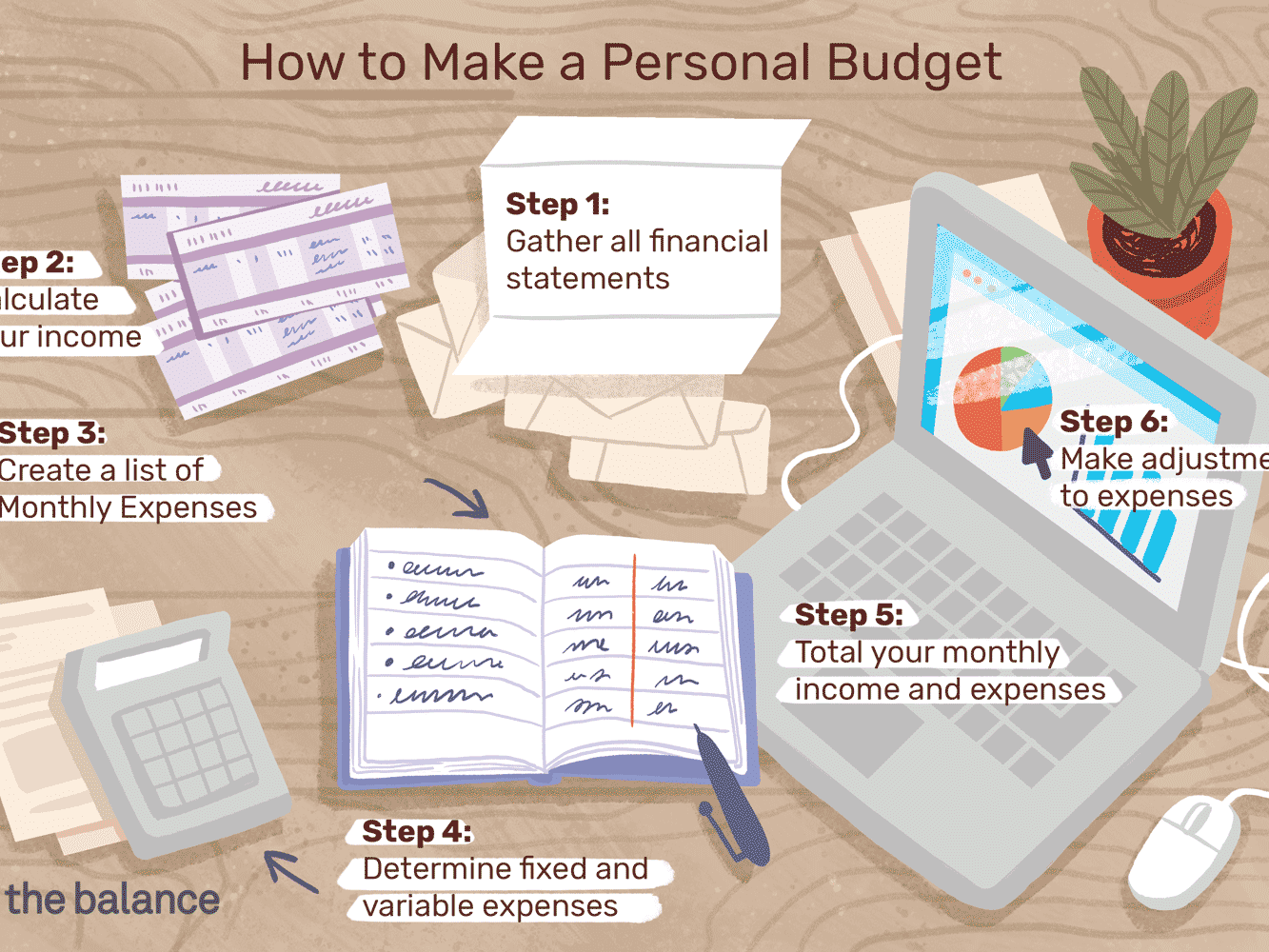
Creating a personal budget is a systematic process that begins with gathering information and setting clear intentions. Follow these steps to lay a solid foundation.
Calculate Your Net Income
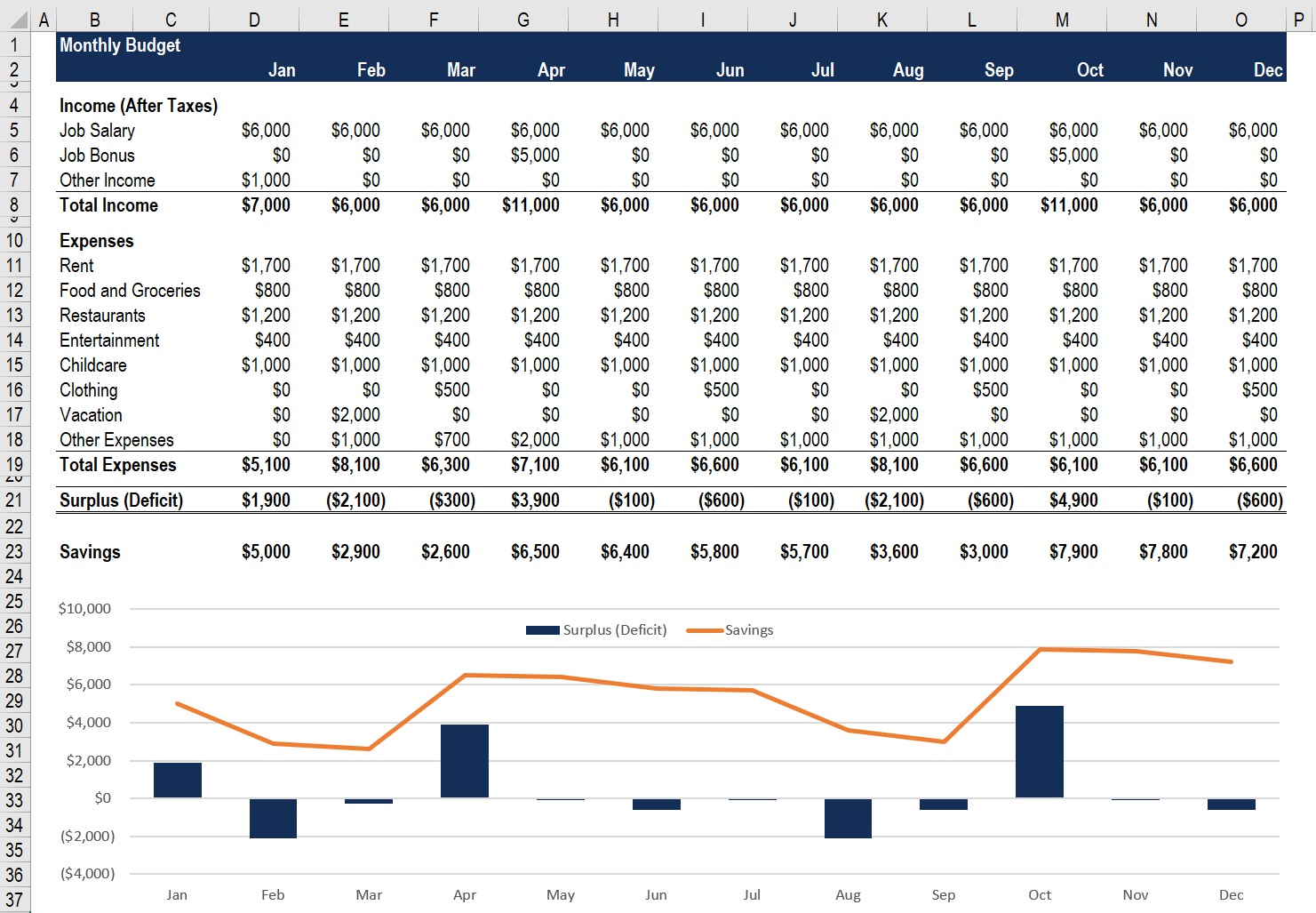
Your net income, also known as your take-home pay, is the total amount of money you receive after taxes, insurance premiums, and other deductions. This is the figure you’ll use for budgeting, not your gross income. Include all regular income sources: salary, freelance earnings, rental income, or any other consistent payments. Accuracy here is paramount, as it forms the ceiling for your total spending and savings. If your income varies, use a conservative average or budget based on your lowest expected monthly income, saving any excess for future months.
Track Your Spending Habits
This is often the most illuminating and sometimes surprising step. For a full month (or even two), diligently track every single dollar you spend. Use a spreadsheet, a notebook, or a budgeting app to record all transactions, no matter how small. This period of observation is not about judgment, but about understanding your actual spending patterns. You might discover hidden leaks in your finances – those frequent coffee runs, forgotten subscriptions, or impulse purchases that add up significantly over time. This data will be invaluable for categorizing your expenses accurately and making informed decisions about where to cut back.
Categorize Your Expenses (Fixed vs. Variable)
Once you have a month’s worth of spending data, categorize your expenses. This typically involves two main types:
- Fixed Expenses: These are costs that generally stay the same each month and are difficult to change in the short term. Examples include rent/mortgage payments, loan repayments (car, student), insurance premiums, and subscription services.
- Variable Expenses: These fluctuate month-to-month and offer more flexibility for adjustment. Examples include groceries, utilities (which can vary), transportation, dining out, entertainment, clothing, and personal care.
Create distinct categories for each, ensuring you don’t miss anything. This clear delineation helps you identify areas where you can easily make adjustments versus those requiring more significant planning to alter.
Setting Realistic Financial Goals
A budget without goals is like a ship without a destination. What are you hoping to achieve with your money? Goals provide motivation and direction. They can be short-term (e.g., build an emergency fund of three months’ living expenses, pay off a credit card, save for a vacation), medium-term (e.g., down payment on a house, invest in a new skill, significant debt reduction), or long-term (e.g., retirement planning, child’s education fund). Make your goals SMART: Specific, Measurable, Achievable, Relevant, and Time-bound. Once your goals are defined, integrate them directly into your budget, allocating specific amounts to savings or debt repayment categories each month.
Choosing the Right Budgeting Method
There isn’t a one-size-fits-all approach to budgeting. The best method is the one you can consistently stick to.
The 50/30/20 Rule
Popularized by Senator Elizabeth Warren, this method is a simple yet effective way to allocate your net income:
- 50% for Needs: This covers essential expenses like housing, utilities, groceries, transportation, insurance, and minimum loan payments.
- 30% for Wants: This includes discretionary spending like dining out, entertainment, hobbies, vacations, and shopping.
- 20% for Savings & Debt Repayment: This portion goes towards building an emergency fund, retirement contributions, investments, and accelerating debt payments beyond the minimums.
This rule provides a great starting point for many, offering flexibility while ensuring important financial areas are addressed.
Zero-Based Budgeting
With zero-based budgeting, every dollar of your income is assigned a “job” – whether it’s an expense, savings, or debt repayment. The goal is for your income minus your expenses to equal zero. This doesn’t mean your bank account goes to zero, but that you’ve consciously decided where every dollar is going. This method requires meticulous planning but offers unparalleled control and eliminates “mystery” spending. It’s particularly effective for those who want to be very intentional with their money and ensure no funds are left unaccounted for.
The Envelope System
A classic, tactile approach, the envelope system involves allocating cash into physical envelopes for various variable spending categories (e.g., “Groceries,” “Entertainment,” “Dining Out”) at the beginning of each month or pay period. Once an envelope is empty, spending in that category stops until the next allocation. This method is excellent for visual learners and those who struggle with overspending on credit cards, as it forces a hard limit on discretionary spending. Digital versions of this system are also available through various budgeting apps.
Digital Tools and Apps for Budgeting
For those who prefer a more modern, automated approach, numerous apps and software solutions can simplify budgeting. Tools like Mint, YNAB (You Need A Budget), Personal Capital, and PocketGuard allow you to link bank accounts and credit cards, automatically categorize transactions, track spending, set goals, and monitor your net worth. Many offer visual dashboards, alerts, and detailed reports, making it easier to stay on top of your finances with minimal manual effort. The key is to find one that resonates with your personal preferences and offers the features you need.
Maintaining and Adapting Your Budget
Creating a budget is the first step; making it a sustainable part of your financial life is the ongoing challenge.
Regular Review and Adjustment
A budget is not static. Life happens, and your financial situation will evolve. Make it a habit to review your budget at least once a month. Compare your actual spending to your budgeted amounts. Identify categories where you consistently overspend or underspend. Are there unexpected expenses that need to be incorporated? Have your income or fixed expenses changed? These regular check-ins allow you to fine-tune your budget, making it more accurate and effective over time. Treat your budget as a living document that continually adapts to your reality.
Handling Unexpected Expenses
Even the best-laid budgets can be derailed by unforeseen costs, such as medical emergencies, car repairs, or home appliance breakdowns. This is where an emergency fund becomes indispensable. Aim to build a fund that covers at least three to six months of essential living expenses. When an unexpected expense arises, draw from this fund, then adjust your budget to replenish it. Without an emergency fund, unexpected costs can lead to debt, setting back your financial progress. Budgeting helps you allocate funds towards building this crucial safety net.
Celebrating Milestones and Staying Motivated
Budgeting can feel like a grind, so it’s vital to acknowledge your progress and celebrate milestones. Whether it’s paying off a credit card, reaching a savings goal, or simply sticking to your budget for several months, give yourself a pat on the back. These small victories reinforce positive financial habits and provide the motivation to continue. Reward yourself (within your budget, of course!) with something meaningful that doesn’t undermine your hard work. This positive reinforcement helps cultivate a healthier, more sustainable relationship with your money.
Beyond the Basics: Advanced Budgeting Strategies
Once you’ve mastered the fundamentals, you can integrate more sophisticated strategies to accelerate your financial growth.
Incorporating Savings and Investments
Think of savings and investments not as leftover money but as non-negotiable line items in your budget, just like your rent or utilities. The “pay yourself first” principle dictates that you allocate money to savings and investments before discretionary spending. Automate transfers to your savings accounts, retirement funds (401k, IRA), or investment portfolios to ensure consistency. Consider increasing these contributions as your income grows. A robust budget helps you identify the capacity for these crucial wealth-building activities.
Debt Management within Your Budget
For many, managing debt is a significant financial burden. Your budget should clearly outline a strategy for debt repayment. Prioritize high-interest debts (like credit cards) using methods such as the debt snowball (paying off smallest balances first for psychological wins) or the debt avalanche (paying off highest interest rates first to save money). Allocate extra funds from your budget specifically towards these accelerated payments. Seeing the debt shrink month by month, facilitated by your budget, is incredibly motivating.
Future-Proofing Your Finances
A truly effective budget looks beyond the present month or year. It considers long-term financial resilience. This involves planning for major life events, such as buying a home, starting a family, career changes, or retirement. Your budget should include components for long-term savings goals and even risk management, such as reviewing your insurance coverage (life, health, disability) to protect your assets and income. Regularly assess your budget’s alignment with your evolving life goals and adjust it to reflect your aspirations for a secure and prosperous future.
Creating and maintaining a personal budget is a continuous journey, not a destination. It requires commitment, honesty, and adaptability. However, the rewards—financial freedom, reduced stress, and the ability to achieve your most ambitious goals—are immeasurable. By embracing this powerful financial tool, you empower yourself to take control of your money, transforming your financial present and shaping a more secure future.
aViewFromTheCave is a participant in the Amazon Services LLC Associates Program, an affiliate advertising program designed to provide a means for sites to earn advertising fees by advertising and linking to Amazon.com. Amazon, the Amazon logo, AmazonSupply, and the AmazonSupply logo are trademarks of Amazon.com, Inc. or its affiliates. As an Amazon Associate we earn affiliate commissions from qualifying purchases.