
In an era of economic uncertainty and relentless consumerism, the concept of a budget often conjures images of restriction, deprivation, and tedious calculations. However, this perception couldn’t be further from the truth. A budget, at its core, is not a financial straitjacket, but rather a powerful roadmap – a strategic tool designed to empower you with control over your money, clarify your financial goals, and ultimately pave the way to financial freedom. It transforms abstract numbers into tangible progress, allowing you to make conscious choices about where your money goes, rather than wondering where it went.

Building a budget is a foundational pillar of personal finance, a critical skill that transcends income levels and life stages. Whether you’re just starting your career, managing a family, or planning for retirement, a well-crafted budget provides clarity, reduces stress, and accelerates your journey towards prosperity. This comprehensive guide will demystify the budgeting process, offering practical steps and insightful strategies to help you construct a budget that truly works for you, transforming your financial outlook and future.
The Foundation: Understanding Your Financial Landscape
Before you can effectively allocate your funds, you first need a clear picture of your current financial situation. This involves meticulously tracking both your income and your expenses to establish your baseline. Without this fundamental understanding, any budgeting attempt will be built on guesswork, making it difficult to set realistic goals or identify areas for improvement.
Track Your Income
The first step in any budgeting journey is to clearly identify all sources of money flowing into your accounts. This isn’t just about knowing your salary; it’s about understanding the exact, predictable amount you have available to spend and save each month.
- Net Pay: For most, this will be the primary source. Focus on your net pay – the amount that actually hits your bank account after taxes, benefits, and retirement contributions have been deducted.
- Other Regular Income: Do you have a side hustle, freelance work, rental income, alimony, child support, or any other consistent payments? Include these. If an income source is variable (e.g., commissions or fluctuating freelance work), consider using a conservative average or budgeting based on your lowest expected income, saving any surplus during higher-earning months. This approach helps prevent overspending and builds a buffer.
- Frequency: Note whether income is paid weekly, bi-weekly, or monthly, as this will influence how you structure your budget throughout the month.
Identify All Your Expenses
Once you know what’s coming in, the next crucial step is to pinpoint exactly where your money is going. This often proves to be the most eye-opening part of the budgeting process, revealing spending habits you might not have been aware of.
- Fixed Expenses: These are costs that typically remain the same month after month and are non-negotiable. Examples include:
- Rent/Mortgage payments
- Loan payments (car, student, personal)
- Insurance premiums (health, auto, renter’s/homeowner’s)
- Subscription services (Netflix, Spotify, gym memberships)
- Variable Expenses: These costs fluctuate from month to month and offer the most flexibility for adjustment. Examples include:
- Groceries and dining out
- Utilities (electricity, water, gas – these can often vary seasonally)
- Transportation (gas, public transit fares, ride-sharing)
- Personal care (haircuts, toiletries)
- Entertainment and hobbies
- Clothing
- Needs vs. Wants: As you list your expenses, critically categorize them. Needs are essential for survival and maintaining your current lifestyle (e.g., housing, food, utilities, transportation to work). Wants are discretionary items that improve your quality of life but aren’t strictly necessary (e.g., daily lattes, dining out, streaming services, new gadgets). Understanding this distinction is vital for making informed cuts if necessary.
- Methods for Tracking: Commit to tracking your spending for at least 30 days before you even attempt to build your budget.
- Budgeting Apps: Tools like Mint, YNAB (You Need A Budget), Personal Capital, or Simplifi can link to your bank accounts and credit cards, automatically categorizing transactions.
- Spreadsheets: A simple Excel or Google Sheets document can be incredibly effective. Manually input your transactions daily or weekly.
- Pen and Paper: A small notebook can work wonders for those who prefer a tangible record. Just make sure to transcribe it into a more organized format later.
Choosing Your Budgeting Method
There isn’t a one-size-fits-all approach to budgeting. The best method is the one you can stick with consistently. Exploring different strategies will help you find the system that aligns best with your financial habits and personality.
The 50/30/20 Rule
This is an excellent starting point for beginners due to its simplicity and flexibility. It divides your after-tax income into three broad categories:
- 50% for Needs: This covers essential living expenses like housing, utilities, groceries, transportation, and minimum loan payments.
- 30% for Wants: This includes discretionary spending that improves your quality of life but isn’t strictly necessary, such as dining out, entertainment, hobbies, vacations, and shopping.
- 20% for Savings & Debt Repayment: This portion is dedicated to building an emergency fund, saving for future goals (down payment, retirement), and aggressively paying down high-interest debt beyond minimums.
The 50/30/20 rule offers a clear framework, allowing you to quickly assess if your current spending aligns with these proportions. It’s less about micro-managing every dollar and more about ensuring a healthy overall financial balance.
Zero-Based Budgeting
Popularized by financial guru Dave Ramsey, zero-based budgeting ensures that every single dollar of your income is assigned a “job” before the month begins. The goal is that your income minus your expenses equals zero.
- Every Dollar Has a Job: You literally assign every dollar from your paycheck to a specific category: rent, groceries, savings, debt repayment, entertainment, etc.
- Increased Awareness & Control: This method forces you to be incredibly intentional with your money, making you acutely aware of where every dollar is going. It’s particularly effective for those who feel their money disappears without a trace.
- Preparation is Key: It requires upfront planning at the start of each budgeting period (usually monthly). You must estimate your expenses and allocate accordingly.
- Benefits: Excellent for gaining control, eliminating wasteful spending, and accelerating debt repayment or savings goals. It can feel restrictive initially but provides immense clarity.
Envelope System (Cash Budgeting)
This traditional method is particularly effective for controlling variable spending categories where you tend to overspend. It’s a tactile approach that brings a tangible sense of your money.
- Physical Cash for Categories: At the beginning of your budgeting period, you withdraw cash and place it into physical envelopes labeled for specific variable spending categories (e.g., “Groceries,” “Entertainment,” “Dining Out”).
- When It’s Gone, It’s Gone: Once the cash in an envelope is depleted, you stop spending in that category until the next budgeting period. You cannot borrow from another envelope.
- Visual and Behavioral Impact: Seeing the physical cash diminish can be a powerful deterrent to impulsive spending. It forces you to live within your means for those categories.
- Best For: Individuals who struggle with credit card debt, impulse purchases, or those who learn best with a hands-on approach. It’s generally not practical for fixed bills paid online.
Paycheck-to-Paycheck Budgeting (for Variable Income)
For individuals with irregular or unpredictable income (freelancers, commission-based earners, gig workers), traditional monthly budgeting can be challenging. Paycheck-to-paycheck budgeting (also known as “income-first” or “buffer” budgeting) focuses on managing each income inflow as it arrives.
- Prioritize Immediate Needs: When a paycheck comes in, first allocate funds to cover essential expenses due before the next income arrives (rent, utilities, immediate groceries).
- Build a Buffer: The ultimate goal is to build a buffer of savings (ideally one month’s worth of expenses) so you are no longer relying on the next paycheck for this month’s bills. This allows you to then transition to a more traditional monthly budget.
- Conservative Estimates: Always budget based on your lowest expected income. When you have higher-income months, direct the surplus directly into your emergency fund or buffer.
- Flexibility and Foresight: This method requires careful foresight and flexibility, prioritizing stability over strict monthly allocations until a sufficient buffer is established.
Crafting Your Budget: Step-by-Step Implementation
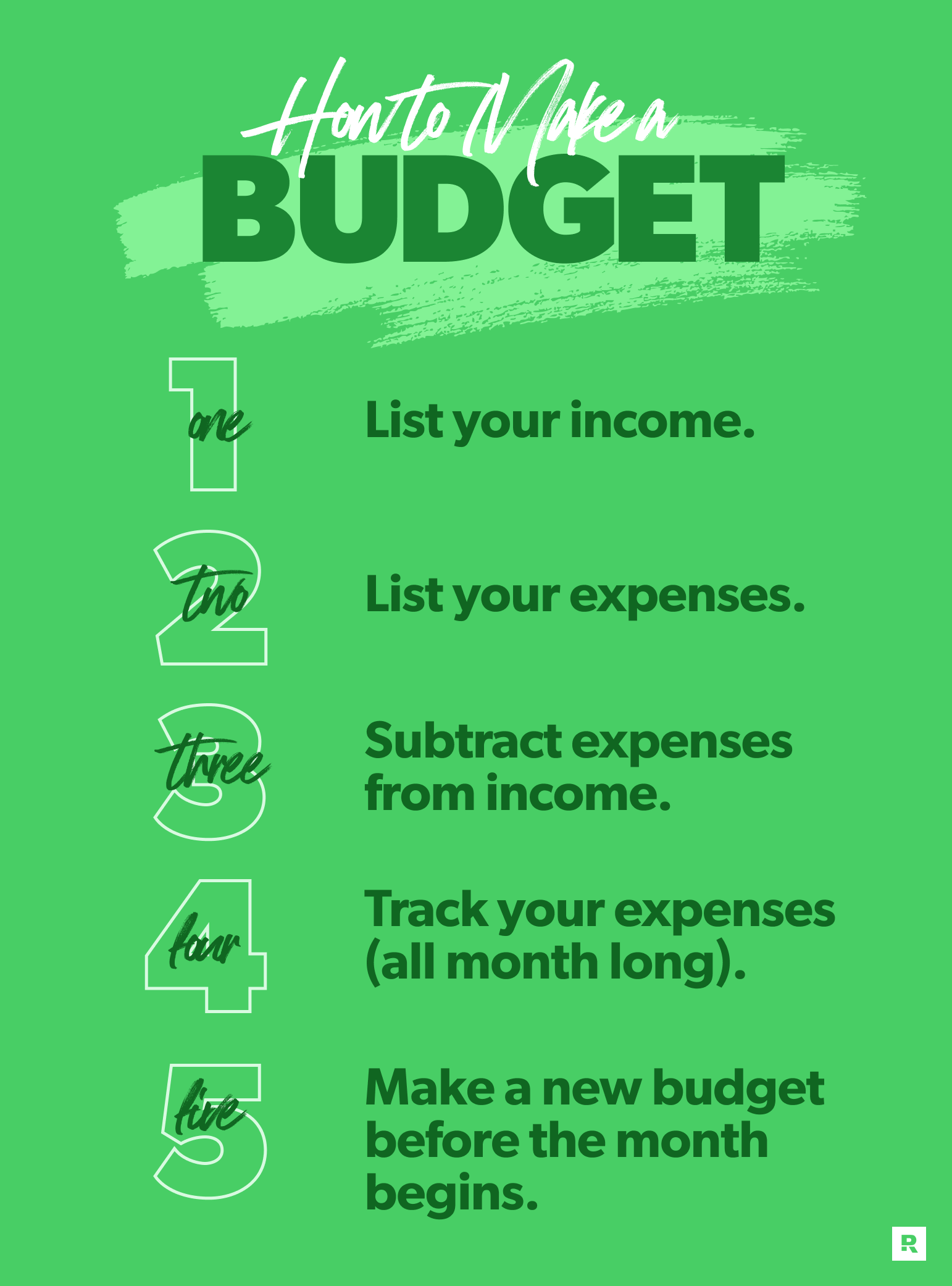
With your financial baseline established and a budgeting method chosen, it’s time to put it all into practice. This stage involves making deliberate decisions about your money.
Categorize Your Spending
Based on your spending tracker, group your expenses into meaningful categories. While generic categories like “housing,” “food,” and “transportation” are standard, don’t hesitate to personalize them. If you spend a lot on a specific hobby, create a category for it. The more relevant your categories are to your life, the easier it will be to stick to them. Common categories include:
- Housing (rent/mortgage, utilities)
- Transportation (car payment, gas, public transport, insurance)
- Food (groceries, dining out)
- Debt Repayment (student loans, credit cards, personal loans)
- Personal Care (haircuts, toiletries, clothing)
- Healthcare (co-pays, prescriptions)
- Entertainment & Hobbies
- Savings & Investments
- Miscellaneous (for unexpected small costs)
Set Realistic Limits
Now, assign a specific dollar amount to each category. This is where your chosen budgeting method comes into play (e.g., 50/30/20 percentages, zero-based allocations).
- Review Your Tracking Data: Use your month-long spending data as a guide. If you’ve consistently spent $500 on dining out, don’t suddenly budget $100 unless you’re committed to a drastic change. Start with limits that are challenging but achievable.
- Be Honest: Don’t sugarcoat your spending habits. If you consistently go out for coffee, include a “coffee” or “treats” category rather than trying to pretend you won’t.
- Prioritize Needs First: Ensure all your essential needs are covered before allocating funds to wants or long-term savings.
- Start Conservative, Adjust as Needed: It’s often better to slightly overestimate in some variable categories at first, then reduce them once you get a better feel for your actual spending. Your first budget is rarely perfect.
Allocate Funds and Automate
Once you’ve set your limits, actively allocate the money. This can be done conceptually, or by physically moving money.
- Automate Savings and Debt Payments: This is arguably the most powerful budgeting tip. Set up automatic transfers from your checking account to your savings account, investment account, or towards specific debt payments (beyond the minimum). Schedule these transfers to occur shortly after your paychecks hit. “Pay yourself first” ensures your financial goals are met before discretionary spending tempts you.
- Separate Accounts: Consider having separate bank accounts for different purposes (e.g., a checking account for bills, another for spending, a savings account for your emergency fund, and another for specific goals like a down payment).
- Utilize Budgeting Tools: Many banking apps and third-party budgeting apps offer features to help you categorize and visualize your spending against your allocated limits.
Build an Emergency Fund
Before aggressively pursuing other financial goals, establishing a robust emergency fund is paramount. This fund acts as a financial safety net, protecting you from unexpected expenses like job loss, medical emergencies, or significant car/home repairs, preventing you from going into debt.
- Target Goal: Aim to save 3-6 months’ worth of essential living expenses. If your monthly essential costs are $2,500, you’ll want to save between $7,500 and $15,000.
- Accessibility: Keep your emergency fund in an easily accessible, high-yield savings account separate from your checking account. This keeps it out of sight, out of mind, but readily available when needed.
- Start Small: If the total goal feels daunting, start with a mini-emergency fund of $1,000. This provides a crucial first line of defense and builds momentum.
Maintaining and Optimizing Your Budget
Building a budget is an ongoing process, not a one-time event. Life changes, and so should your financial plan. Regular review and adjustment are key to its long-term success.
Regular Review and Adjustment
Your budget is a living document. It needs to be reviewed and updated regularly to remain effective and relevant.
- Monthly Check-ins: At the end of each month, compare your actual spending against your budgeted amounts.
- Where did you overspend? Why?
- Where did you underspend? Can you reallocate that surplus to savings or debt?
- Are there any categories that consistently miss the mark? Adjust the limits for the next month.
- Life Changes: Significant life events – a new job, a raise, marriage, having a child, buying a home, or a medical crisis – will necessitate a complete re-evaluation and overhaul of your budget. Don’t be afraid to adapt.
- Flexibility is Key: A budget that is too rigid will inevitably fail. Build in some flexibility, perhaps a “miscellaneous” or “fun money” category, to prevent feeling overly restricted.
Identify and Address Budget Busters
Through regular review, you’ll start to identify patterns of overspending. These “budget busters” are areas where your money consistently leaks away.
- Subscription Audit: Are you paying for streaming services, apps, or gym memberships you rarely use? Cancel them.
- Dining Out/Coffee Habits: These small, frequent purchases add up quickly. Look for ways to reduce them, like meal prepping, bringing coffee from home, or packing lunches.
- Impulse Buys: Implement a “24-hour rule” for non-essential purchases. If you still want it after 24 hours, then consider it.
- Negotiate Bills: Regularly call your service providers (internet, cable, insurance) to see if you can get a better rate or bundle services.
Celebrate Small Wins and Stay Motivated
Budgeting can feel like a grind, especially at the beginning. It’s crucial to acknowledge your progress and keep your motivation high.
- Track Your Progress: Visualizing your debt decrease or savings increase can be incredibly motivating. Use charts, graphs, or simply a running total.
- Reward Yourself (Within Budget): When you hit a small milestone (e.g., paid off a credit card, saved $1,000 in your emergency fund), allow yourself a small, pre-planned treat that aligns with your budget.
- Focus on Long-Term Goals: Constantly remind yourself why you’re budgeting. Is it for a down payment on a house, a dream vacation, early retirement, or peace of mind? Keeping your ultimate goals front and center will fuel your discipline.
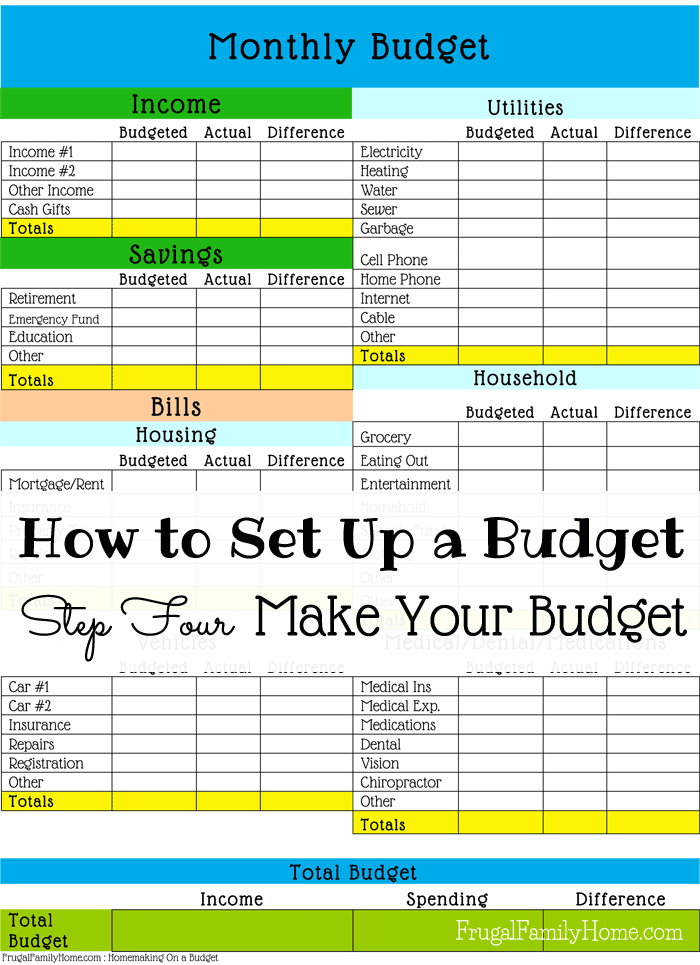
Leverage Financial Tools
While pen and paper work for some, many modern tools can simplify and enhance your budgeting experience.
- Budgeting Apps: As mentioned earlier, apps like Mint, YNAB, and Personal Capital can automate transaction tracking, categorize spending, and provide insightful reports, saving you time and effort.
- Spreadsheets: For those who prefer a hands-on approach with customization, a well-designed spreadsheet (Excel or Google Sheets) can offer powerful tracking and analysis capabilities.
- Banking Tools: Many banks now offer built-in budgeting features, spending categorization, and automatic savings rules directly within their online platforms. Explore what your current bank offers.
Building a budget is a powerful act of self-care and financial empowerment. It’s not about restriction, but about intention. It’s about consciously directing your hard-earned money towards what truly matters to you, whether that’s debt freedom, a comfortable retirement, or simply the peace of mind that comes from knowing you’re in control. While the initial steps might feel challenging, the long-term rewards – reduced stress, clear financial direction, and the ability to achieve your biggest dreams – are immeasurable. Start today, and embark on your journey to a more secure and prosperous financial future.
aViewFromTheCave is a participant in the Amazon Services LLC Associates Program, an affiliate advertising program designed to provide a means for sites to earn advertising fees by advertising and linking to Amazon.com. Amazon, the Amazon logo, AmazonSupply, and the AmazonSupply logo are trademarks of Amazon.com, Inc. or its affiliates. As an Amazon Associate we earn affiliate commissions from qualifying purchases.