
For anyone who has ever booked a flight, the experience is often a delicate dance between anticipation and trepidation. The moment you spot a seemingly good deal, a small voice whispers, “Should I book now, or wait for it to drop further?” This hesitation is born from a fundamental truth about the airline industry: flight prices are in a constant state of flux. They are not static figures but dynamic entities, shifting with a frequency that can perplex even the most seasoned traveler. Understanding the “how often” and “why” behind these changes isn’t just an academic exercise; it’s a critical financial skill that can translate into significant savings for individuals and businesses alike.
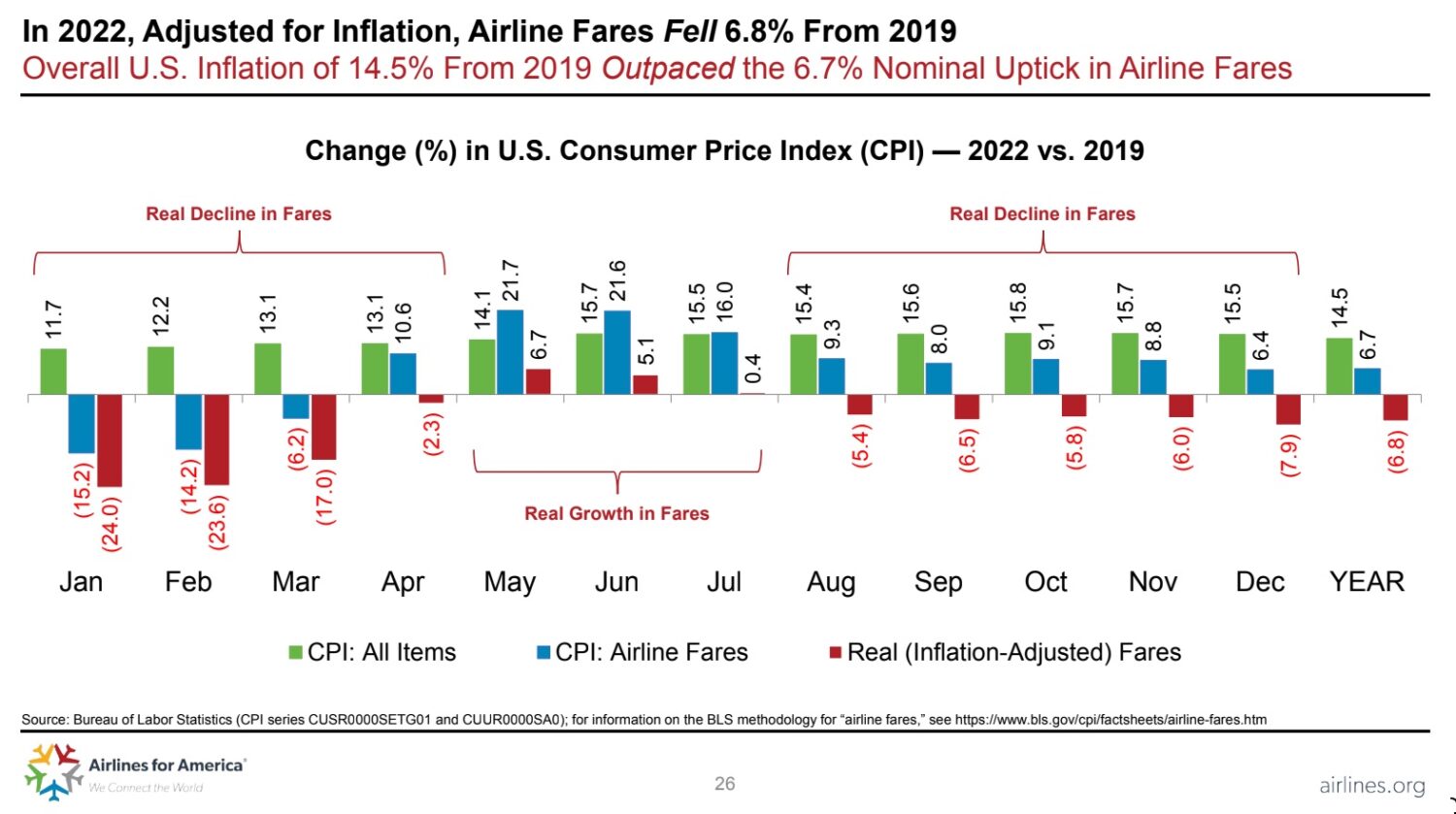
In the realm of personal and business finance, air travel represents a substantial expenditure, whether for a dream vacation or a crucial client meeting. The price variations can range from minor tweaks to dramatic surges or drops within a matter of hours, days, or weeks. This article delves deep into the financial intricacies of airline pricing, demystifying the mechanisms that drive these fluctuations and arming you with the knowledge to make smarter, more cost-effective travel decisions. We’ll explore the myriad forces at play, from real-time market dynamics to algorithmic sophistication, offering insights and actionable strategies to help you navigate this financially complex landscape.
The Dynamic Nature of Airline Pricing: A Financial Rollercoaster
At its core, airline pricing is a sophisticated exercise in yield management and revenue optimization, meticulously designed to maximize profitability on every single seat. It’s a financial rollercoaster driven by myriad factors, creating an environment where prices can change multiple times a day, even for the same flight. This extreme volatility is a calculated strategy, not a random occurrence, and understanding its underpinnings is the first step towards financial empowerment in travel planning.
Real-Time Market Forces and Supply-Demand Economics
The most fundamental driver of flight price changes is the immutable law of supply and demand, played out in real-time on a global scale. Airlines operate within a highly competitive market where every seat on every flight is a perishable commodity. Once a plane takes off, any unsold seat represents lost revenue – a direct financial hit. Consequently, pricing algorithms are constantly monitoring, analyzing, and reacting to current and anticipated demand relative to available supply.
Consider a popular route: as seats fill up, the remaining ones become scarcer, and their price typically increases. Conversely, if a flight is undersold closer to departure, prices might drop to stimulate last-minute bookings and mitigate potential financial losses from empty seats. This isn’t just about the number of seats; it’s also about the perceived value and urgency. During peak travel seasons, major holidays, or significant events, demand surges, allowing airlines to command premium prices. The algorithms are programmed to identify these windows of opportunity, adjusting fares to capitalize on heightened willingness to pay. This real-time response to market conditions means that an airline’s financial strategists are always looking to extract maximum value, resulting in frequent price adjustments as demand ebbs and flows throughout the booking cycle.
The Algorithm’s Role in Financial Optimization
While human oversight exists, the sheer volume of data and the speed required for dynamic pricing necessitate the use of advanced algorithms. These aren’t just simple programs; they are sophisticated AI-driven systems designed for profound financial optimization. These algorithms ingest vast quantities of data points, including historical booking patterns, competitor pricing, fuel costs, weather forecasts, local events, search demand, seat availability across various fare classes, and even web traffic to their own sites.
The purpose of these algorithms, from a financial perspective, is twofold: to accurately predict future demand and to set prices that maximize revenue for each departure. They can identify trends, anticipate booking behavior, and respond instantly to changes. For example, if a major competitor drops its price on a shared route, the algorithm might automatically adjust its own fares within minutes to remain competitive and avoid losing potential customers. If a sudden surge in searches for a particular destination is detected, prices for those routes might tick upwards in anticipation of increased demand. This continuous, automated analysis and adjustment mean that flight prices are, in effect, changing constantly—not necessarily every second, but certainly multiple times within an hour or day, as the financial models are perpetually re-evaluated and optimized. For travelers, this means the price you see at 9 AM might not be the same at 9 PM, underscoring the dynamic financial landscape of air travel.
Key Factors Driving Financial Volatility in Airfares
Beyond the overarching principles of supply and demand and algorithmic optimization, several specific elements contribute directly to the financial volatility of flight prices. Understanding these factors provides a clearer picture of why prices fluctuate so frequently and how these changes impact your travel budget.
Demand Fluctuations and Peak Travel Periods
The most obvious driver of price changes is fluctuating demand. Air travel is highly seasonal and event-driven. Prices will almost invariably be higher during:
- Holidays: Christmas, New Year’s, Thanksgiving, Easter, and national holidays.
- School Breaks: Spring break, summer vacation, and long weekends.
- Major Events: Conferences, sporting events (e.g., Olympics, Super Bowl), festivals, or large cultural gatherings in specific destinations.
During these peak periods, the inelasticity of demand allows airlines to significantly raise fares, as many travelers have fixed dates or destinations. Conversely, off-peak seasons, mid-week travel, or red-eye flights often see lower prices due to reduced demand. Airlines actively use data to forecast these demand peaks and troughs, adjusting their pricing models weeks or months in advance, and making micro-adjustments daily as booking trends materialize.
Supply Constraints and Capacity Management
The supply side of the equation refers to the number of seats available on a particular route. Airlines constantly manage their capacity, which involves:
- Route Adjustments: Adding or canceling routes based on profitability.
- Aircraft Assignments: Deploying larger or smaller planes depending on anticipated demand.
- Fare Buckets: Dividing seats into different price categories (fare classes). As cheaper fare buckets sell out, only more expensive ones remain, making prices appear to jump even though the base fare for a particular class hasn’t changed.
A sudden reduction in capacity (e.g., an airline retires a fleet type, cancels a route, or experiences an operational disruption) can drastically increase prices on affected routes due to reduced supply. Conversely, if a new airline enters a market or adds capacity, prices may drop due to increased competition.
Competitive Landscape and Price Matching
Airlines operate in a fiercely competitive environment. The pricing strategies of one airline often directly influence the others, especially on popular routes. Sophisticated monitoring systems track competitor prices in real-time. If a major airline drops its fare on a specific route, rival airlines may quickly follow suit to avoid losing market share. This rapid price matching or undercutting can lead to swift, short-lived price drops. These “flash sales” are often designed to fill seats quickly or disrupt competitors, creating fleeting windows of opportunity for financially savvy travelers. This constant interplay of competitive pricing is a significant source of daily price adjustments.
Fuel Costs and Operational Expenses
While less frequent in their direct impact on daily price changes, underlying operational costs significantly influence the overall price floor and long-term pricing trends. Fuel is one of an airline’s largest expenses. Fluctuations in global oil prices can necessitate adjustments to ticket prices to maintain profitability. Similarly, labor costs, maintenance, airport fees, and taxes all factor into the base cost of a flight. Airlines often build a buffer into their pricing to account for these variable expenses, and significant shifts in these costs can trigger broader price changes across their network. These are often reflected in a base fare adjustment rather than minute-by-minute price movements, but they set the financial parameters within which dynamic pricing operates.
The Untapped Power of Timing: Financial Strategies for Booking Flights
Given the intense volatility, is there a financially optimal time to book a flight? While a definitive “magic moment” is largely a myth, extensive data analysis and expert advice coalesce around certain timing strategies that can significantly increase your chances of securing a better deal, transforming uncertainty into a tangible financial advantage.
The “Sweet Spot” for Financial Savings
Research consistently points to a “sweet spot” for booking flights, which offers the best balance between price and availability. This window varies based on whether your travel is domestic or international:
- Domestic Flights: Generally, booking between 1 to 3 months (4-12 weeks) before your departure date offers the best prices. Before this, prices might be higher as airlines are testing the market; after this, prices tend to steadily climb as seats fill and demand for remaining seats increases.
- International Flights: The window expands to 2 to 8 months (8-32 weeks) out. Longer lead times are often necessary due to the higher demand for international routes and more complex capacity management.
Booking too early (e.g., 9+ months out) can sometimes lead to higher prices, as airlines are less certain about demand and initially price flights conservatively. Booking too late (within two weeks of departure) is almost always a financially poor decision, as airlines target last-minute business travelers or those with urgent needs, who are less price-sensitive.
The Myth of the Cheapest Day to Book (and the Reality)
You’ve probably heard advice about booking on a Tuesday or flying on a Wednesday. While historically there might have been a slight tendency for airlines to release sales mid-week, the reality in today’s algorithmic pricing environment is far more nuanced. Price changes are continuous, not confined to specific days. The “cheapest day” is more about when you fly rather than when you book.
- Cheapest Days to Fly: Typically Tuesdays, Wednesdays, and Saturdays (for domestic flights) tend to be cheaper than Fridays and Sundays, which are peak leisure and business travel days.
- Cheapest Times to Fly: Early morning flights (before 8 AM) and late-night flights (after 9 PM) often offer better value due to lower demand.
- Reality of Booking: Instead of focusing on a specific day to book, focus on monitoring prices continuously within your sweet spot booking window.
Leveraging Price Alerts and Tracking Tools (as Financial Tools)
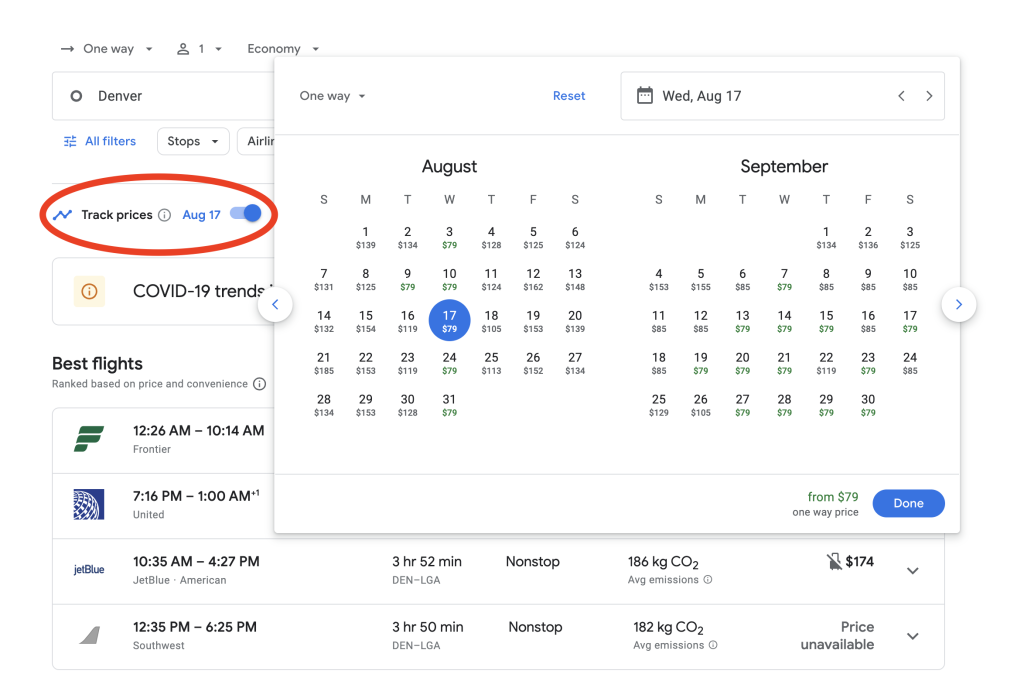
Given the constant price fluctuations, manually checking flight prices multiple times a day is impractical. This is where price alert and tracking tools become invaluable financial allies. Websites and apps like Google Flights, Skyscanner, Hopper, and Kayak allow you to set up alerts for specific routes and dates. These tools:
- Monitor Prices: They continuously track fare changes for you.
- Notify You: They send email or app notifications when prices drop significantly or are expected to rise.
- Provide Insights: Some tools offer predictive analytics, advising you whether to “buy now” or “wait,” based on their algorithms’ assessment of future price movements.
By leveraging these tools, you outsource the strenuous task of continuous monitoring, ensuring you don’t miss out on a sudden price drop without dedicating excessive time to it. This passive financial vigilance is crucial for securing the best deals in a volatile market.
Beyond Basic Booking: Advanced Financial Tactics for Airfare Savings
While understanding pricing dynamics and optimal timing is crucial, savvy travelers can employ additional financial strategies to further reduce their airfare expenditures. These tactics move beyond merely tracking prices to actively shaping your travel plan for maximum financial efficiency.
The Strategic Use of Layovers and Alternative Airports
Direct flights are convenient, but that convenience often comes with a premium price tag. For those looking to save, strategically considering flights with layovers can unlock significant savings. A longer layover, or even an overnight stop, can sometimes dramatically reduce the overall cost of a ticket. Similarly, exploring alternative or smaller airports near your desired destination can also be a financially astute move.
- Layovers: Be willing to add an extra stop, especially on international routes. The financial trade-off for convenience is often substantial.
- Alternative Airports: Many major cities are served by multiple airports (e.g., London’s Heathrow, Gatwick, Stansted, Luton). Flying into a less central or smaller airport might be cheaper, even accounting for ground transportation costs. Always do a full cost-benefit analysis.
Harnessing Loyalty Programs and Travel Rewards
For frequent flyers, or even those who travel a few times a year, loyalty programs and travel rewards credit cards offer a powerful financial leverage point.
- Airline Loyalty Programs: Accumulating miles or points can lead to free flights, upgrades, or discounted fares. Understanding status tiers can also unlock benefits like free baggage or priority boarding, which translate to hidden savings.
- Travel Rewards Credit Cards: Many credit cards offer substantial sign-up bonuses in points/miles, accelerated earning on travel-related spending, and perks like travel credits, lounge access, or no foreign transaction fees. Strategically using these cards for everyday spending can build up a significant reserve of points, effectively reducing your out-of-pocket costs for flights. This requires careful management to avoid interest charges, but when used wisely, it’s a robust financial tool.
Flexibility as a Financial Asset
Perhaps the most potent financial weapon in a traveler’s arsenal is flexibility. The more flexible you can be with your travel dates, times, and even destinations, the greater your chances of finding cheaper flights.
- Flexible Dates: Being able to shift your departure or return by a day or two, or choosing to fly mid-week instead of over a weekend, can yield substantial savings. Use tools that show prices across a calendar month.
- Flexible Times: As mentioned, red-eye flights or very early morning departures are often less expensive.
- Flexible Destinations: If your primary goal is simply to “travel somewhere new,” tools that let you input your origin and see the cheapest destinations can inspire cost-effective trips.
Understanding Fare Classes and Hidden Costs
Not all tickets are created equal, even on the same flight. Airlines categorize seats into various “fare classes,” each with different rules, benefits, and, crucially, prices. A basic economy fare might seem cheap initially, but often comes with restrictions like no checked bag, no seat selection, or no changes.
- Read the Fine Print: Always understand what’s included and what’s not. Checked baggage fees, seat selection charges, and in-flight meal costs can quickly add up, turning a seemingly cheap fare into a more expensive overall trip.
- Consolidator Fares: Sometimes, travel agencies or consolidators have access to special bulk fares. While these can be cheaper, they often come with more restrictive change/cancellation policies. Always weigh the financial risk versus the savings.
By consciously employing these advanced financial tactics, travelers can move beyond passive price acceptance to proactive cost optimization, making their travel budget stretch further.
The Future of Flight Pricing: Financial Forecasts and Evolving Strategies
The landscape of flight pricing is continuously evolving, driven by technological advancements, shifting consumer behaviors, and an ever-present drive for financial optimization by airlines. Looking ahead, several trends are poised to further reshape how often and in what manner flight prices change, offering both new challenges and opportunities for financially astute travelers.
AI and Predictive Analytics
While AI and algorithms are already central to dynamic pricing, their capabilities are only becoming more sophisticated. Future AI systems will likely integrate even more complex data points, including real-time social media sentiment, hyper-local event data, individual browsing history, and even macroeconomic indicators with greater precision. This will lead to:
- Hyper-granular Price Adjustments: Prices could change with even greater frequency and in smaller increments, reacting to micro-shifts in demand or competitive actions almost instantaneously.
- Enhanced Demand Forecasting: AI will become even better at predicting future demand, allowing airlines to adjust capacity and pricing strategies far in advance, potentially mitigating some of the extreme last-minute price volatility but also entrenching strategic price increases during anticipated peaks.
- Dynamic Bundling: AI will not just price seats but dynamically bundle ancillary services (bags, seats, meals) based on individual traveler profiles and perceived willingness to pay, maximizing financial yield from each customer.
Personalization of Pricing
One of the most significant shifts on the horizon is the increasing personalization of pricing. Airlines, armed with vast amounts of data about individual travelers (loyalty status, past booking history, browsing behavior, location), are moving towards offering prices that are tailored to the individual, rather than a single price for everyone seeing the same search.
- Behavioral Pricing: Your flight search history or your location might influence the price you see, as airlines test different price points on different user segments.
- Loyalty-Based Offers: Elite members of loyalty programs might see exclusive, lower fares, or be offered personalized upgrade opportunities at different prices than non-members.
- Targeted Discounts: Expect to see more highly personalized offers pushed directly to you based on your travel patterns, potentially making the “best price” less universally discoverable and more about your individual relationship with an airline. This trend necessitates even greater financial awareness, as comparison shopping might become more complex.
Subscription Models and Bundling
New financial models are also emerging in air travel. We’re already seeing airlines experimenting with subscription services for certain perks (e.g., baggage allowance, Wi-Fi). This could expand to:
- Flight Pass Subscriptions: Where travelers pay a monthly or annual fee for a certain number of flights within a region, similar to a gym membership or streaming service. This would fundamentally alter how individual flight prices are perceived and purchased, shifting a portion of travel spending to a fixed financial commitment.
- More Sophisticated Bundling: Beyond basic economy vs. standard, airlines might offer more diverse bundles that combine flights with ground transport, hotels, or experiences at varied price points. These “dynamic packages” would present a single, all-inclusive price, obscuring the individual flight cost but potentially offering overall financial value.
These future trends underscore the ongoing financial innovation within the airline industry. For travelers, staying informed and adaptable will remain paramount. The “how often” flight prices change might become even more frequent and individualized, demanding a sophisticated understanding of financial tools and strategies to continue securing the best value for your travel investments.

Conclusion
The question “how often do flight prices change?” doesn’t have a simple, static answer. It’s a continuous, dynamic process, often occurring multiple times within a single day, driven by an intricate web of real-time market forces, sophisticated algorithms, supply and demand economics, and intense competitive pressures. For the financially astute traveler, this constant flux isn’t a source of frustration but an opportunity.
Navigating this volatile financial landscape requires more than just luck; it demands strategy, awareness, and the judicious use of available tools. By understanding the underlying drivers of price fluctuations, recognizing the financial “sweet spots” for booking, and employing advanced tactics like leveraging alternative airports, loyalty programs, and, most importantly, embracing flexibility, you can significantly mitigate costs. As the industry evolves with AI and personalized pricing, the need for financial literacy in travel planning will only intensify. Ultimately, mastering the art of purchasing airfare isn’t just about getting from point A to point B; it’s about making intelligent financial decisions that empower your travel aspirations and optimize your budget.
aViewFromTheCave is a participant in the Amazon Services LLC Associates Program, an affiliate advertising program designed to provide a means for sites to earn advertising fees by advertising and linking to Amazon.com. Amazon, the Amazon logo, AmazonSupply, and the AmazonSupply logo are trademarks of Amazon.com, Inc. or its affiliates. As an Amazon Associate we earn affiliate commissions from qualifying purchases.