
In the intricate world of personal finance, understanding the tools and identifiers that facilitate money movement is paramount. Among these, the routing number stands out as a critical, albeit sometimes overlooked, piece of information. Far more than just a random series of digits, your bank’s routing number is the digital address that enables the seamless flow of funds between financial institutions. Whether you’re setting up direct deposit for your paycheck, initiating a wire transfer, paying bills online, or even processing tax refunds, knowing where to quickly and accurately locate this nine-digit code is essential. This guide will demystify the routing number, explain its significance, and provide you with clear, reliable methods to find it, ensuring your financial transactions proceed without a hitch.

Understanding the Anatomy of a Routing Number
To truly appreciate its utility, it’s important to grasp what a routing number is, how it differs from other banking identifiers, and why financial institutions might use more than one. This foundational knowledge empowers you to navigate various financial scenarios with confidence.
What is a Routing Number? (ABA RTT)
At its core, a routing number is a nine-digit code, also known as an ABA Routing Transit Number (ABA RTT), assigned by the American Bankers Association (ABA) to uniquely identify financial institutions in the United States. Think of it as a specific street address for your bank, enabling other banks to know exactly where to send or receive funds. When you initiate an electronic transaction, this number guides the money to the correct bank, acting as the first point of identification. Every U.S. bank and credit union that processes interbank transactions will have at least one routing number. Its primary purpose is to facilitate secure and accurate movement of funds through the Automated Clearing House (ACH) network and for wire transfers. Without this specific identifier, electronic funds transfers would be an impossibility, creating chaos in our modern financial system. It’s the cornerstone upon which direct deposits, automatic bill payments, and other crucial financial operations are built.
The Difference Between Routing and Account Numbers
It’s common for individuals to confuse routing numbers with account numbers, but they serve distinct purposes. While both are critical for financial transactions, they identify different entities. The routing number identifies the specific financial institution (your bank) involved in a transaction. It tells the system which bank the money should go to or come from. In contrast, your account number is a unique identifier assigned to your specific account within that bank. Once the funds reach the correct bank via the routing number, the account number directs those funds to your particular checking, savings, or loan account. To use an analogy: if the bank is a large apartment building, the routing number is the building’s street address, while your account number is your individual apartment number. Both are necessary to deliver mail (or money) to you specifically. Providing only one without the other would result in failed transactions or, worse, misdirected funds.
Why Multiple Routing Numbers Exist
You might wonder why a single bank could have multiple routing numbers. This isn’t uncommon and is usually due to several factors. Large banks, especially those operating across multiple states or with a vast branch network, often have different routing numbers for different regions. This helps streamline internal processing and comply with various state regulations or operational structures. Furthermore, a bank might use different routing numbers depending on the type of transaction. For instance, the routing number used for an ACH transfer (like a direct deposit) might be different from the one required for a domestic wire transfer, or even an international wire transfer. Some banks also have distinct routing numbers for their checking accounts versus savings accounts, although it’s more common for them to share one for electronic transfers. The key takeaway is to always verify the correct routing number for your specific account and the specific type of transaction you are initiating, as using the wrong one can lead to delays, fees, or even the reversal of funds.
The Most Reliable Places to Locate Your Routing Number
Finding your routing number is generally straightforward, provided you know where to look. Here are the most common and reliable methods to quickly pinpoint this crucial piece of information.
On Your Checkbook
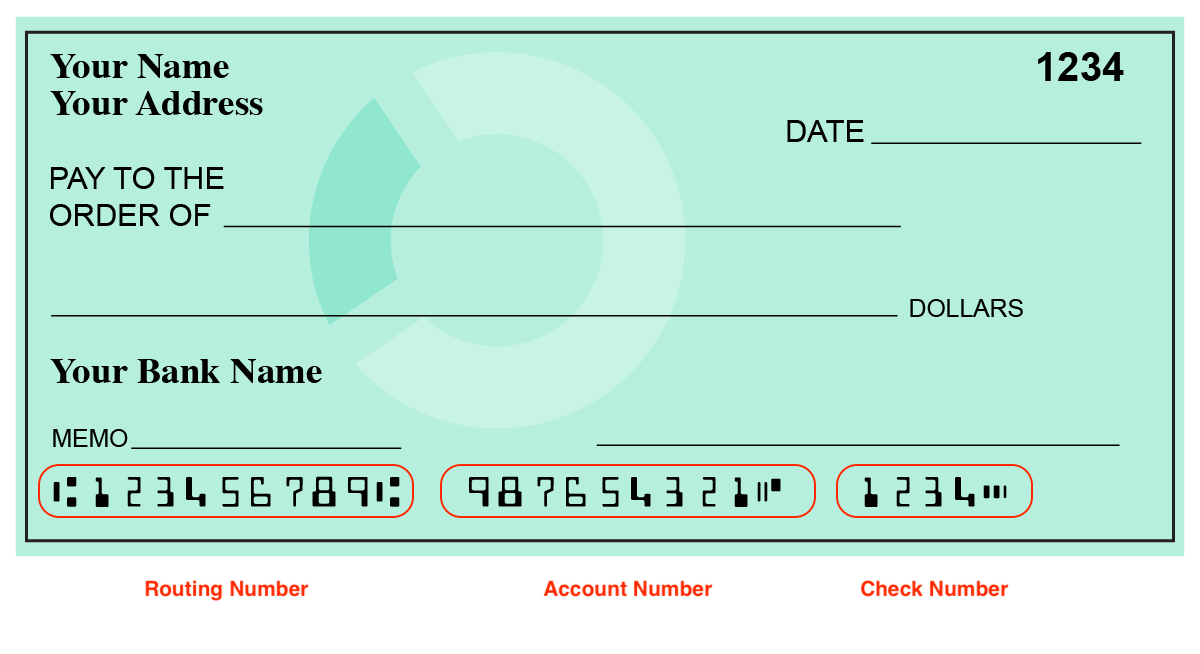
For most people with a checking account, the quickest and most traditional way to find their routing number is directly on a physical check. Look at the bottom edge of one of your personal checks. You’ll typically see three sets of numbers printed in magnetic ink. From left to right, these numbers usually represent:
- Your routing number: This is almost always the first nine-digit number.
- Your account number: This is the second set of digits, which identifies your specific checking account.
- Your check number: This is the last set of digits, unique to each individual check.
It’s important to use a check from the specific checking account you intend to use for the transaction, as banks may issue different routing numbers for different account types or branches. While this method is highly reliable for checking accounts, remember that savings accounts typically do not come with checks, so you’ll need to use an alternative method for those.
Through Your Online Banking Portal
In our increasingly digital world, online banking portals have become an indispensable tool for managing finances, and they are also one of the most convenient places to find your routing number. Once you log in to your bank’s secure online platform or mobile app, navigate to your account details. Look for sections labeled “Account Summary,” “Account Information,” “Direct Deposit Info,” or “Statements.” Most banks prominently display your routing number alongside your account number. Some platforms even have a dedicated section for “Routing & Account Numbers” or “Wire Transfer Instructions.” This method is not only fast but also highly accurate, as it pulls the information directly from your bank’s official records. It’s particularly useful for savings accounts or if you don’t have physical checks readily available. Always ensure you are on your bank’s official website or app to protect your financial security.
Contacting Your Bank Directly
When in doubt, or if you require specific routing information for a complex transaction like an international wire transfer, contacting your bank directly is always a reliable option. You can reach out to their customer service department via phone. Be prepared to verify your identity by providing your account number, address, and possibly answering security questions. The customer service representative can then provide you with the exact routing number needed for your specific account and transaction type. Alternatively, you can visit a local branch in person. A bank teller will be able to assist you with finding the correct routing number and can also provide guidance on any specific requirements for your transaction. This method is particularly recommended for wire transfers, where even a slight error can lead to significant delays and fees, as the bank can confirm the precise routing number required for that specific, often time-sensitive, type of transfer.
Bank Statements
Another accessible source for your routing number is your bank statement, whether it’s a physical document mailed to you or a digital e-statement accessed through your online banking portal. Bank statements typically include a wealth of information about your account, including your name, account number, and the bank’s address and contact information. Your routing number is usually listed prominently near the top of the statement, often alongside your account number and other key bank details. Reviewing a recent statement can provide a quick confirmation if you’re unable to access your online portal or don’t have a check handy. This method is reliable for both checking and savings accounts, as long as you have access to a current or recent statement.
Specific Scenarios and Considerations for Routing Numbers
While the basic concept of a routing number remains consistent, its application can vary based on the type of transaction or the specific financial institution. Understanding these nuances is key to avoiding errors and ensuring smooth financial operations.
ACH vs. Wire Transfer Routing Numbers
A crucial distinction to be aware of is that many banks use different routing numbers for Automated Clearing House (ACH) transactions versus wire transfers.
ACH Transfers: These are electronic payments processed through the ACH network, which is used for recurring payments like direct deposits, automatic bill payments, peer-to-peer transfers (e.g., Venmo, PayPal linked to bank), and electronic checks. ACH transfers are typically processed in batches and can take 1-3 business days to clear. The routing number for ACH transactions is the most commonly requested and is usually found on your checks or online banking portal.
Wire Transfers: These are immediate, direct, and irrevocable funds transfers between banks, often used for large sums or urgent transactions. They are processed individually and typically clear within hours. Due to their immediacy and finality, wire transfers often require a specific routing number (sometimes called a “wire routing number” or “Fedwire number”) that might be different from the ACH routing number. This is particularly true for international wire transfers, which may also require a SWIFT/BIC code in addition to the domestic wire routing number. Always confirm the correct wire transfer routing number directly with your bank, especially if initiating an outbound wire. Using an ACH routing number for a wire transfer will almost certainly result in delays, rejections, or additional fees.
State-Specific Routing Numbers
For larger, national banks with operations across multiple states, it’s not uncommon to have state-specific routing numbers. This means that if you opened your account in California, your routing number might be different from someone who opened an account with the same bank in New York or Florida. These regional distinctions help banks manage their operations more efficiently within different state banking regulations and processing centers. Therefore, when looking up your routing number, especially if you’re using a generic online search or asking a friend who banks at the same institution but in a different state, always verify that the routing number corresponds to the state where your specific account was opened. Your online banking portal or a recent bank statement will typically show the routing number tied to your specific geographic location and account origin, making them reliable sources.
What If You Have a Savings Account or Loan?
The concept of a routing number primarily applies to deposit accounts that facilitate funds transfers.
Savings Accounts: Most savings accounts will share the same routing number as the bank’s checking accounts for electronic transfers (ACH). This means you can typically use the routing number found on a checking account or through online banking for direct deposits into your savings account, or for transferring funds to or from it electronically. However, savings accounts generally do not have checks associated with them, so you won’t find the number there. Always confirm through your online portal or with the bank directly.
Loan Accounts: Loan accounts (e.g., mortgages, auto loans, personal loans) do not have their own routing numbers. Payments to a loan account are typically made using the bank’s routing number (if you are initiating a payment from another institution) combined with your specific loan account number. The loan account itself is not an account from which you can originate outbound electronic transfers using its own routing number. Its purpose is to receive payments and track your debt. If you need to make a payment to a loan, you’ll need your loan account number and potentially the bank’s general routing number for ACH payments.
Protecting Your Financial Information While Using Routing Numbers
While routing numbers are widely used, it’s still important to understand their security implications and adopt best practices for sharing them responsibly.
Is Your Routing Number Sensitive Information?
Compared to your account number, Social Security number, or full credit card details, a routing number alone is considered less sensitive information. Its primary function is to identify a financial institution, not an individual account. Someone with only your routing number cannot directly access your funds or drain your account. It’s a publicly available identifier, often found on the bank’s public website.
However, when combined with your account number, the security risk significantly increases. Together, these two pieces of information can be used to initiate unauthorized electronic transfers or create fraudulent checks. Therefore, while not as critical as your PIN or Social Security number, it’s still part of your overall financial profile and should be protected with a reasonable degree of caution. Do not openly broadcast it or provide it to unverified sources.

Best Practices for Sharing and Verification
Exercising diligence when handling your financial information is crucial for security.
- Only Share When Necessary: Provide your routing and account numbers only when required for legitimate financial transactions, such as setting up direct deposit with your employer, paying a trusted vendor, or initiating a transfer with another financial institution.
- Double-Check Accuracy: Always verify the routing number before providing it, especially for large transfers. A single incorrect digit can cause significant delays, fees, or even misdirection of funds. Use the official sources mentioned earlier (online banking, checks, bank statements) to confirm.
- Beware of Phishing Scams: Be highly suspicious of unsolicited emails, texts, or phone calls asking for your routing number, account number, or other financial details. Legitimate institutions will rarely ask for this information through unsecure channels. Always initiate contact with your bank directly if you have concerns.
- Use Secure Platforms: When entering your routing number online, ensure you are on a secure website (look for “https://” in the URL and a padlock icon). Avoid sharing this information over unsecured public Wi-Fi networks.
- Shred Old Documents: When disposing of old checks, bank statements, or other financial documents, shred them thoroughly to prevent identity thieves from piecing together your financial information.
In conclusion, understanding where and how to find your routing number is a fundamental aspect of modern personal finance. It’s an identifier that empowers you to efficiently manage your money, from receiving your salary to securely paying your bills. By knowing its purpose, recognizing its various forms, and adhering to simple security practices, you can navigate the financial landscape with greater confidence and ensure your transactions are always on target. Always verify, stay informed, and treat your financial details with the care they deserve.
aViewFromTheCave is a participant in the Amazon Services LLC Associates Program, an affiliate advertising program designed to provide a means for sites to earn advertising fees by advertising and linking to Amazon.com. Amazon, the Amazon logo, AmazonSupply, and the AmazonSupply logo are trademarks of Amazon.com, Inc. or its affiliates. As an Amazon Associate we earn affiliate commissions from qualifying purchases.