
In an increasingly digital world, the foundational elements of personal finance often remain rooted in traditional banking structures. Among these, your checking account number stands out as a critical piece of information, essential for a myriad of financial transactions. While often overlooked until urgently needed, understanding where and how to locate this unique identifier is a fundamental skill for managing your money effectively. Far more than just a sequence of digits, your checking account number is your personal financial fingerprint, linking you to your bank account for everything from direct deposits to automatic bill payments. This comprehensive guide will demystify the process of finding your checking account number, explore its various uses, and emphasize the crucial security considerations necessary to protect your financial well-being.

The Indispensable Role of Your Checking Account Number
Your checking account number is more than just an administrative detail; it’s a vital component of your financial identity within the banking system. It allows various entities to accurately identify and interact with your specific account, enabling a smooth flow of funds and transactions. Understanding its significance is the first step in appreciating why knowing how to locate it is so important.
Understanding Your Financial Fingerprint
Think of your checking account number as a unique identifier, distinct from your debit card number or even your bank’s routing number. While the routing number identifies your specific financial institution, your checking account number pinpoints your individual account within that institution. This combination – routing number plus account number – forms the complete address necessary for electronic funds transfers. It’s akin to having a street address (routing number) and an apartment number (account number) to ensure mail reaches the correct recipient within a large building. This dual identification system is a cornerstone of banking security and accuracy, preventing misdirected funds and unauthorized access. It’s what differentiates your account from the millions of others managed by your bank, making every transaction specific and traceable back to you.
When and Why You Need It
The scenarios requiring your checking account number are numerous and span across virtually every aspect of personal finance. Perhaps the most common need arises when setting up direct deposit with an employer or government agency, ensuring your paycheck or benefits land directly in your account. Similarly, establishing automatic bill payments for utilities, loans, or subscriptions often requires this number, streamlining your financial obligations and preventing late fees. Beyond these routine operations, you might need it for initiating wire transfers, setting up ACH (Automated Clearing House) payments, or even when applying for loans where lenders need to verify your banking details. Additionally, if you need to order new checks, set up specific investments, or troubleshoot an electronic transaction, your account number will almost certainly be requested. Its broad utility underscores why it’s a piece of information every account holder should be able to access confidently.
Traditional Methods for Locating Your Account Number
Before the advent of digital banking, locating your checking account number typically involved physical documents. These traditional methods remain reliable and accessible, serving as primary sources for many individuals. Even in an increasingly digital world, these physical touchpoints often provide the quickest and most straightforward path to your account information.
Your Physical Checkbook: The Most Obvious Place
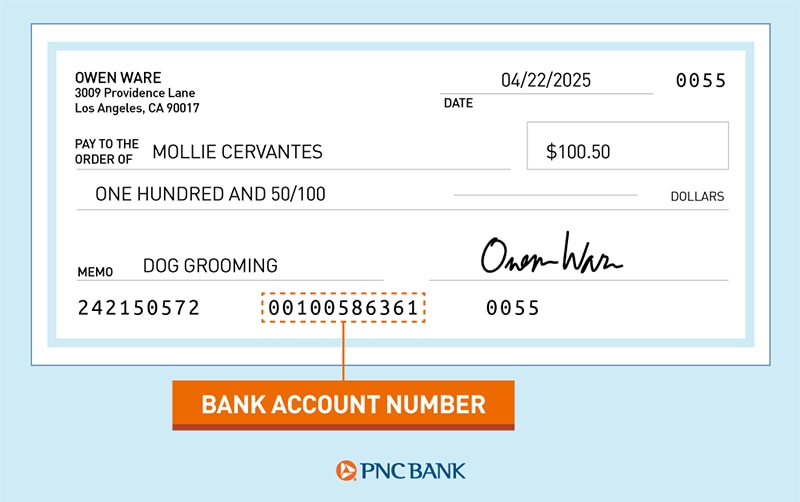
For many, the most intuitive place to find their checking account number is directly on a physical check. When you look at the bottom of a standard check, you’ll typically see three sets of numbers, printed in magnetic ink characters (MICR). From left to right, these are usually: the routing number (a nine-digit code identifying your bank), followed by your checking account number, and then the check number. Your checking account number can range in length, often between 10 to 12 digits, but sometimes shorter or longer depending on the bank. It’s crucial to correctly identify the account number from the routing and check numbers. The routing number is always first, and the check number is always last. The sequence in the middle is your checking account number. If you have a starter check or a deposit slip, the account number will also be clearly printed there, usually in the same central position. This method is quick, convenient, and requires no internet access or phone calls, making it an excellent first resort.
Bank Statements: Digital and Paper Trails
Bank statements, whether received in the mail or accessed digitally, are another highly reliable source for your checking account number. On a paper statement, your account number is almost always prominently displayed near the top, often alongside your name, address, and the statement period. It’s usually labeled clearly as “Account Number” or “Checking Account Number.” For digital statements accessed through your online banking portal, the same principle applies. You’ll navigate to the “Statements” section, select the relevant checking account and statement period, and view the PDF document. The account number will be in the same easily identifiable location. While accessing a statement might take a few clicks or a trip to your filing cabinet, it provides a comprehensive record of your account information, including transaction history, which can be useful for other financial tasks. Always ensure you are viewing a statement for the checking account you need, especially if you have multiple accounts with the same institution.
Calling Your Bank Directly: The Personal Touch
If physical checks or statements aren’t readily available, or if you prefer direct assistance, calling your bank’s customer service line is a guaranteed method. When you call, be prepared to verify your identity thoroughly. This typically involves providing your full name, address, date of birth, and possibly answering security questions or confirming recent transactions. Banks have stringent protocols in place to prevent unauthorized disclosure of sensitive information, so patience and accurate responses are key. Once your identity is confirmed, a customer service representative will be able to provide your checking account number over the phone. Make sure to have a pen and paper handy to accurately transcribe the number. This method is particularly useful if you’ve recently opened an account and haven’t yet received checks or statements, or if you’re concerned about the security of other methods.
Digital Pathways to Your Account Information
In today’s interconnected financial landscape, digital platforms offer convenient and secure avenues to access your checking account number. For those comfortable with technology, these methods often prove to be the quickest way to retrieve the information without needing to rummage through physical documents or make a phone call.
Online Banking Portals: A Secure Digital Hub
Your bank’s online banking portal is perhaps the most frequently used digital resource for managing your finances, and it’s also an excellent place to find your account number. After securely logging in with your username and password, you’ll typically be directed to a dashboard or summary page showing all your accounts. From there, navigate to the specific checking account you need. The account number is often displayed directly on the account summary page, or you might need to click on the account to view “Account Details” or “Account Information.” Some banks might partially mask the account number for security reasons (e.g., showing only the last four digits), requiring an additional click or verification step to reveal the full number. Always ensure you are on your bank’s official website and using a secure, private network to prevent phishing or data interception. This method is quick, accessible 24/7, and provides a wealth of other account management tools at your fingertips.
Mobile Banking Apps: Convenience in Your Pocket

Most major banks offer robust mobile banking applications for smartphones and tablets, bringing the full power of online banking to your fingertips. Similar to the online portal, once you log into your mobile banking app, you can usually navigate to your checking account. The account number might be visible on the main account summary screen or require a tap on the account itself to access “Account Details,” “Information,” or “Settings.” Due to the smaller screen size and emphasis on quick transactions, some apps might initially display only the last few digits of your account number, requiring a specific action (like tapping an eye icon or navigating to a detailed information page) to reveal the full sequence. Mobile apps are designed for convenience and on-the-go access, making them an ideal solution when you need your account number quickly, perhaps while setting up a payment from your phone. Always ensure your app is up-to-date and your device is protected with a strong password or biometric authentication.
ATM Receipts: A Less Common But Possible Source
While not the primary or most secure method, some ATM receipts might include your checking account number. When you perform a transaction at an ATM (like a balance inquiry or withdrawal), the printed receipt often contains abbreviated account information. This typically includes the last few digits of your account number and sometimes the full number, along with the date, time, and transaction details. However, this is not universally guaranteed, as banks have varying policies on what information they print on receipts for security reasons. If you happen to have a recent ATM receipt for the correct checking account, it’s worth checking, but don’t rely on it as your first line of defense. Always be cautious with ATM receipts, especially if they contain full account details, and dispose of them securely to prevent unauthorized access to your information.
Important Security Considerations When Handling Your Account Number
While finding your checking account number is essential for financial transactions, the utmost care must be taken to protect this sensitive information. An account number, combined with other personal details, can be exploited by fraudsters, leading to significant financial losses.
Safeguarding Against Fraud and Identity Theft
Your checking account number is a prime target for fraudsters engaged in identity theft and unauthorized transactions. It can be used to set up fraudulent direct debits, initiate unauthorized transfers, or even create fake checks. Therefore, treating it with the same level of confidentiality as your social security number or credit card details is paramount. Never share your full account number via unsecured email, text messages, or over unverified phone calls. Be wary of phishing attempts – unsolicited emails or calls pretending to be from your bank, asking for your account details. Always verify the authenticity of the request through official channels if you have any doubt. Regularly review your bank statements and transaction history for any unfamiliar activity. Promptly report any suspicious transactions or unauthorized use of your account number to your bank. Implementing strong, unique passwords for your online banking and mobile app, and enabling two-factor authentication, adds an extra layer of protection.
Differentiating Account Numbers from Debit Card Numbers
A common point of confusion for many individuals is distinguishing between their checking account number and their debit card number. While both are associated with your account, they serve different purposes and carry different security implications. Your debit card number (the long 16-digit number on the front of your card) is primarily used for point-of-sale transactions, online purchases, and ATM withdrawals. It is directly linked to your checking account, but it’s designed for transactional use, often with merchant processing systems. Your checking account number, conversely, is the core identifier for your bank account itself, used for direct deposits, ACH transfers, and wire transfers. A debit card number alone is often not enough to set up an ACH direct debit, but an account number combined with a routing number is. Losing your debit card is different from your account number being compromised; while both require immediate action, the former focuses on preventing card usage, while the latter focuses on preventing direct account access. Understanding this distinction is vital for knowing what information to provide in different financial scenarios and for properly reporting potential fraud.
Best Practices for Sharing and Storing Information
When it comes to your checking account number, the mantra should always be “share on a need-to-know basis.” Only provide your full account number to trusted entities that genuinely require it for legitimate financial purposes, such as your employer for direct deposit, utility companies for automatic payments, or government agencies for benefits. Whenever possible, use secure online portals provided by these entities rather than emailing or texting the information. If you must provide it verbally, ensure you are speaking with an authorized representative over a secure line.
For storage, avoid writing your account number on easily accessible notes or leaving it exposed in public view. If you keep a record of it, store it in a secure location, such as a locked safe at home or a password-protected digital document. Memorizing it is ideal for frequent use, but not always practical. When disposing of bank statements or old checks, always shred them thoroughly to prevent dumpster diving fraud. By adopting these best practices, you significantly reduce the risk of your checking account number falling into the wrong hands and safeguard your financial security.
What to Do If You Can’t Find It and Urgent Scenarios
Despite knowing all the places to look, sometimes circumstances dictate that your account number remains elusive. Whether it’s a forgotten password for online banking or a lost checkbook, knowing the immediate steps to take and understanding specific urgent scenarios is crucial for maintaining financial control.
Lost or Stolen Checks: Immediate Steps
If your checkbook is lost or stolen, or if you suspect someone has gained unauthorized access to your account number through a physical check, immediate action is paramount. The first step is to contact your bank immediately to report the loss or theft. Your bank will likely place a stop payment order on any outstanding checks and may recommend closing your current checking account and opening a new one with a new account number. This prevents anyone from fraudulently writing checks against your account. Additionally, monitor your account activity diligently for any unauthorized transactions. Inform your bank of any suspicious activity without delay. You may also want to consider placing a fraud alert with credit bureaus as a precautionary measure, as compromised checking accounts can sometimes be a gateway to broader identity theft. Swift action in these scenarios can mitigate significant financial damage.
Account Freezes or Suspensions: Resolving Access Issues
In rare but critical situations, your bank might freeze or suspend your account, which could stem from suspicious activity, legal orders, or even identity verification issues. In such cases, accessing your account number through traditional or digital means might become difficult or impossible. The immediate and only course of action is to contact your bank directly. They will be able to explain the reason for the freeze or suspension and guide you through the necessary steps to resolve the issue. You will almost certainly need to provide extensive identity verification documents and potentially explain recent transactions. While frustrating, account freezes are often implemented as a protective measure, either for you or for the bank itself, against potential fraud or illegal activity. Resolving these issues promptly is essential to regain access to your funds and financial services.
Establishing New Accounts: Proactive Information Gathering
When you open a new checking account, be proactive about gathering your account number and routing number. While banks typically provide starter checks or welcome kits, make it a point to locate these numbers and store them securely. As soon as your online banking or mobile app access is set up, verify that you can find your account number through those digital channels. This initial effort can save you considerable time and stress later when you need the information for direct deposits or bill payments. Consider noting down your account number in a secure, encrypted digital file or a physical safe deposit box. By being proactive and organized from the outset, you establish good financial habits that will serve you well in managing your funds and ensuring easy access to crucial information whenever it’s required.
Conclusion
Your checking account number is a cornerstone of your financial life, underpinning countless transactions and financial operations. From setting up essential direct deposits to managing automatic bill payments, knowing where to find this critical identifier is a fundamental aspect of responsible personal finance. Whether you prefer the traditional routes of physical checks and bank statements, or the convenience of online banking portals and mobile apps, multiple secure options are available. However, alongside the convenience of access comes the imperative of security. Safeguarding your account number from fraud and understanding its distinction from other financial identifiers like your debit card number are not merely recommendations, but essential practices in protecting your financial well-being. By embracing these insights and maintaining diligence, you empower yourself to navigate your financial landscape with confidence, ensuring that your money is managed securely and efficiently.
aViewFromTheCave is a participant in the Amazon Services LLC Associates Program, an affiliate advertising program designed to provide a means for sites to earn advertising fees by advertising and linking to Amazon.com. Amazon, the Amazon logo, AmazonSupply, and the AmazonSupply logo are trademarks of Amazon.com, Inc. or its affiliates. As an Amazon Associate we earn affiliate commissions from qualifying purchases.