
In the intricate landscape of personal and business finance, navigating various payment methods can often feel overwhelming. While digital transactions and personal checks serve most daily needs, certain situations demand a higher level of security and assurance of funds. This is where a cashier’s check becomes indispensable. For customers of one of America’s largest financial institutions, Chase Bank, understanding the process of obtaining a cashier’s check is a fundamental aspect of managing significant financial transactions. This comprehensive guide delves into everything you need to know about securing a cashier’s check from Chase, ensuring your large payments are handled with the utmost reliability and peace of mind.
Understanding Cashier’s Checks: A Secure Payment Method
A cashier’s check stands out as one of the most secure forms of payment, widely recognized and accepted for transactions where guaranteed funds are paramount. Unlike a personal check, which draws directly from your bank account and can bounce if funds are insufficient, a cashier’s check is drawn against the bank’s own funds. This crucial distinction makes it a preferred choice for high-value purchases and legal agreements.
What is a Cashier’s Check?
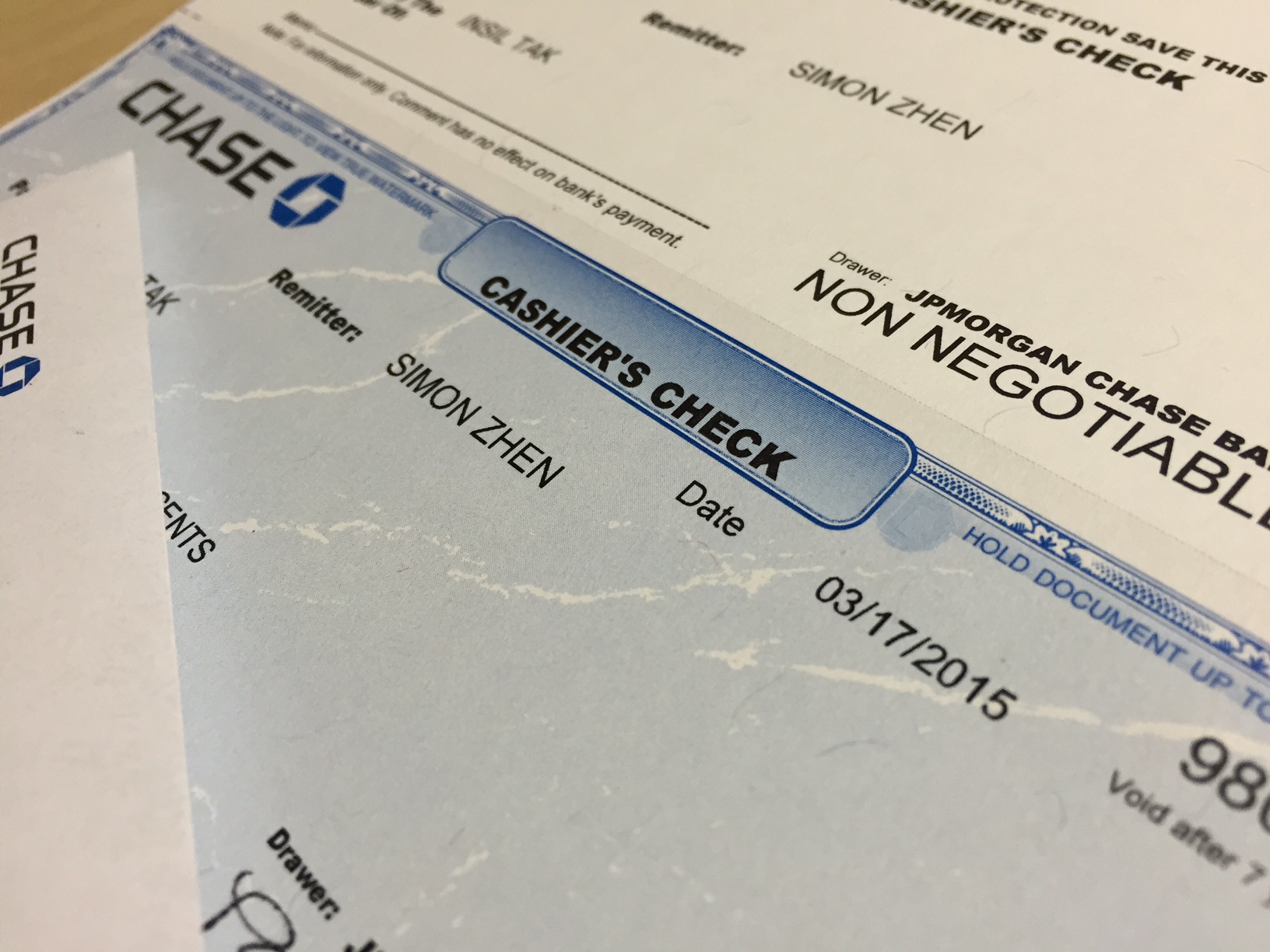
At its core, a cashier’s check is a check guaranteed by the bank itself. When you request a cashier’s check from Chase, the bank debits the requested amount directly from your account (or takes cash from you) and issues a check drawn on its own funds. This means the bank assumes responsibility for the payment, guaranteeing that the funds are available and will be honored when the check is presented for deposit.
Key features of a cashier’s check include:
- Guaranteed Funds: The issuing bank verifies that the funds are available and dedicates them to the check, making it a “guaranteed” payment.
- Bank’s Name: The check is issued in the bank’s name (e.g., “Chase Bank, N.A.”) and signed by a bank official, not the account holder.
- Official Document: It’s printed on special bank-issued paper with security features, making it difficult to forge.
- Payee Specific: It’s made out to a specific payee, ensuring funds reach the intended recipient.
Why Choose a Cashier’s Check?
The inherent security and guarantee of a cashier’s check make it suitable for a range of critical financial scenarios. Its primary benefit is eliminating the risk of a bounced check for the recipient, providing both parties with confidence in the transaction.
Common scenarios where a cashier’s check is the preferred payment method include:
- Real Estate Transactions: Down payments for homes, closing costs, or earnest money deposits.
- Vehicle Purchases: Buying a car, boat, or RV from a private seller or dealership often requires guaranteed funds.
- Large Purchases: Any significant acquisition where the seller requires immediate assurance of payment.
- Legal Settlements: Court-ordered payments or settlements often necessitate certified funds.
- Security Deposits: For landlords who want assurance of payment for large rental deposits.
- International Transactions: While wire transfers are common, cashier’s checks can sometimes be used, though careful consideration of international banking rules is essential.
Cashier’s Checks vs. Other Payment Methods
Understanding where a cashier’s check fits among other payment options is crucial for making informed financial decisions.
- Personal Checks: Less secure, as they can bounce if funds are insufficient. Suitable for everyday, lower-risk transactions.
- Certified Checks: Similar to cashier’s checks in that the bank verifies sufficient funds and earmarks them. However, a certified check is still drawn from your account, whereas a cashier’s check is drawn from the bank’s funds. Both offer a guarantee, but the cashier’s check is often perceived as having a slightly higher level of bank commitment.
- Money Orders: Generally for smaller amounts (often capped at $1,000) and can be purchased at various locations. Less suitable for large transactions.
- Wire Transfers: Provide immediate, direct transfer of funds between bank accounts, often globally. While faster, they are irreversible once sent, making them risky if details are incorrect or if dealing with an unknown party. Fees can also be higher than for cashier’s checks.
- Electronic Funds Transfer (EFT) / ACH Payments: Digital transfers for both recurring and one-time payments. While convenient for many uses, they don’t always provide the same immediate “guarantee” certificate as a physical cashier’s check for specific high-value, face-to-face transactions.
For transactions demanding irrefutable proof of payment and guaranteed funds, the cashier’s check from Chase remains a steadfast and reliable choice, balancing security with a tangible payment instrument.
Preparing for Your Chase Cashier’s Check Request
Obtaining a cashier’s check from Chase is a straightforward process, but proper preparation can ensure a smooth and efficient experience. Knowing what information to bring and what to expect regarding fees will save you time and potential hassle at the branch.
Essential Information You’ll Need
Before heading to a Chase branch, gather all the necessary details to complete your request accurately. Precision is key, as any error could lead to delays or the need for a new check.
You will typically need:
- Payee’s Full Name: The exact legal name of the person or entity to whom the check is being made out. Double-check for correct spelling.
- Check Amount: The precise dollar amount of the check.
- Purpose of the Check (Optional but helpful): While not always explicitly required on the check itself, knowing the reason for the payment can help the teller understand your request and offer relevant advice.
- Your Chase Account Number: The account from which the funds will be drawn. Ensure you have sufficient funds in this account.
Required Documentation
To verify your identity and authorize the transaction, Chase will require specific documentation. Always bring originals, as copies may not be accepted.
Typically, you’ll need:
- Valid Photo Identification: A government-issued ID such as a driver’s license, state ID card, or passport. This is crucial for identity verification and fraud prevention.
- Chase Debit Card or Account Information: Your debit card linked to the account from which funds will be drawn, or your account number. This helps the teller quickly access your banking profile.
- Chase Checkbook (Optional but convenient): While not strictly required for a cashier’s check, having your checkbook handy can sometimes aid in quick account verification.
- Cash (If you don’t have a Chase account or prefer to pay with cash): If you are not a Chase account holder or wish to use cash, you can generally still obtain a cashier’s check, though additional verification steps may apply, and there might be a limit on the cash amount.
Understanding Fees and Limits
Cashier’s checks, like many specialized banking services, usually come with a fee. It’s wise to be aware of these costs beforehand.
- Standard Fee: For Chase account holders, there is typically a nominal fee (e.g., $10-$15) for issuing a cashier’s check. This fee is usually debited directly from your account along with the check amount.
- Fee Waivers: Some premium Chase checking accounts (e.g., Chase Sapphire Checking, Chase Private Client) may offer fee waivers for cashier’s checks as part of their benefits package. Check your account’s specific terms and conditions.
- Non-Customer Fees: If you do not have an account with Chase, they may still issue a cashier’s check for a higher fee, provided you can present the cash amount and valid identification. However, some banks have policies against issuing cashier’s checks to non-customers. It’s always best to call ahead if you’re not a Chase customer.
- Transaction Limits: While cashier’s checks are designed for large transactions, banks may have internal daily limits on the total amount of funds that can be issued in cashier’s checks, especially for cash payments. For very large sums, it’s advisable to inform the branch in advance.
Being well-prepared with the correct information, documentation, and an understanding of the associated costs will ensure your visit to Chase is productive and your cashier’s check is issued without delay.
The Step-by-Step Process at Chase Bank

Obtaining a cashier’s check from Chase is exclusively an in-person transaction. While digital banking offers immense convenience for everyday tasks, the heightened security requirements for a cashier’s check necessitate a visit to a physical branch.
Visiting a Chase Branch
Your journey begins with a trip to your nearest Chase Bank branch.
- Locate a Branch: Use the Chase mobile app or website’s branch locator to find a convenient location and check its operating hours.
- Upon Arrival: Head to the teller counter. If there’s a queue, take a number if required, or simply wait for the next available teller.
- State Your Intent: Clearly inform the teller that you wish to obtain a cashier’s check.
Initiating the Request
Once you’re at the teller window, the process will unfold as follows:
- Provide Account Information: The teller will ask for your Chase debit card or account number to access your account.
- Verify Identity: You will be asked to present your valid photo identification. This is a critical step for security and fraud prevention.
- Supply Check Details: Provide the teller with the exact payee name and the precise amount of the check. It’s helpful to have this written down to avoid errors.
- Confirm Details: The teller will likely repeat the information back to you for confirmation. Pay close attention to ensure all spellings and amounts are correct before the check is printed.
Payment and Issuance
Once all details are confirmed and identity verified, the final steps involve payment and receiving your check:
- Funds Withdrawal: The specified amount, plus the applicable fee, will be debited directly from your Chase checking or savings account. If paying with cash, you will hand over the cash to the teller.
- Check Printing: The teller will print the cashier’s check using the bank’s specialized equipment.
- Receipt and Check Handover: You will receive the official cashier’s check, along with a receipt detailing the transaction. The receipt is important for your records and serves as proof of purchase.
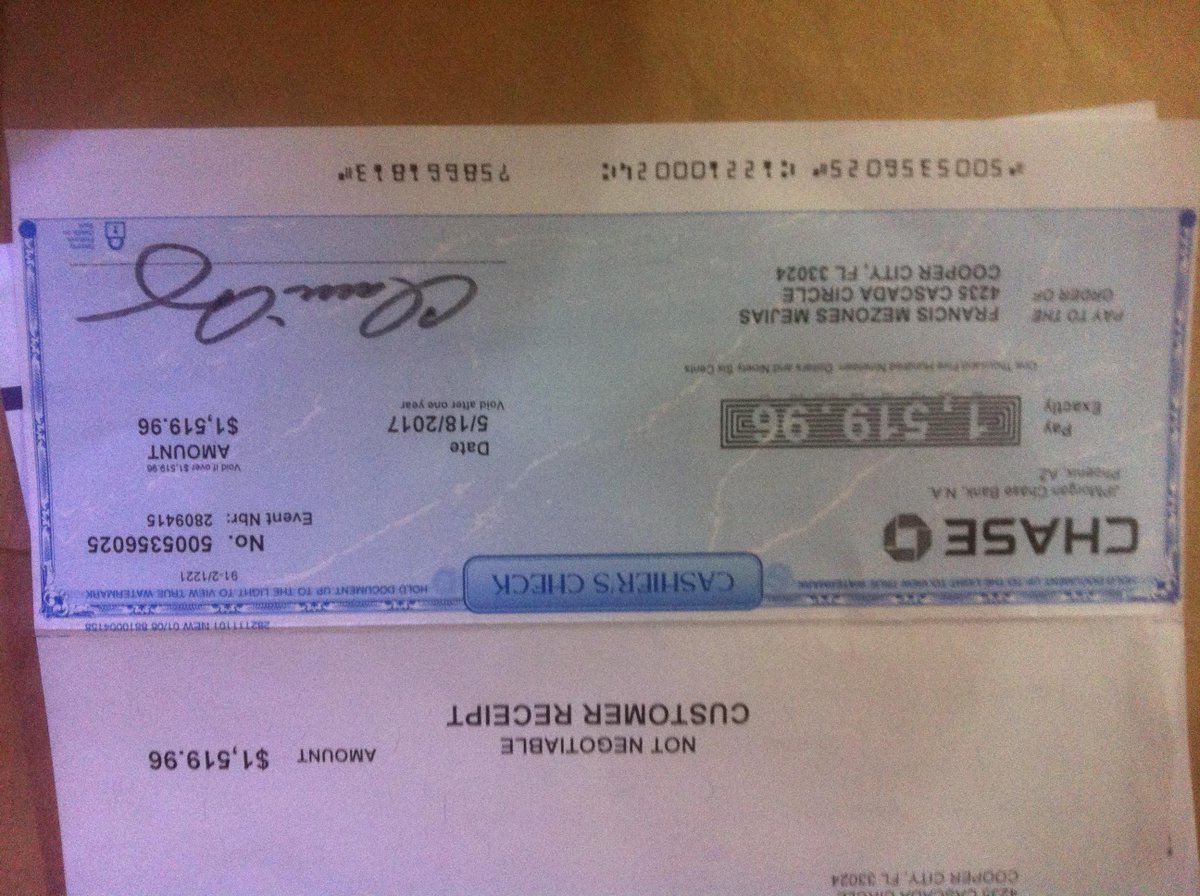
- Review Immediately: Before leaving the counter, thoroughly review the cashier’s check for accuracy. Check the payee’s name, the amount, the date, and ensure the bank’s signature is present. Any discrepancies should be addressed immediately with the teller.
Special Considerations for Chase Online/App
It’s important to clarify that Chase does not typically offer the ability to order a cashier’s check online or through their mobile app. The robust security features and physical nature of a cashier’s check, including the need for identity verification and the physical issuance of the bank’s guaranteed funds, necessitate an in-person transaction at a branch.
While Chase’s digital platforms excel at managing accounts, initiating transfers, paying bills, and even ordering personal checks, cashier’s checks remain an exception due to their unique properties as a secure, bank-guaranteed instrument. If you require a cashier’s check, a visit to a physical Chase branch is the required procedure. For digital alternatives for large payments, consider discussing wire transfers with a Chase representative, but be mindful of the differences in security and irrevocability.
After You Receive Your Cashier’s Check
Once you have your Chase cashier’s check in hand, the process isn’t entirely complete. Taking a few precautionary steps ensures that your payment reaches its intended recipient securely and that you have a robust record of the transaction.
Verifying and Recording the Check
Before you even leave the bank, and certainly before sending it off, it’s crucial to perform a final verification and record-keeping procedure.
- Double-Check All Details: Re-examine the check one last time. Confirm the payee’s name is spelled correctly, the amount is accurate, the date is current, and the check features the bank’s official markings and signature.
- Record Information: Immediately record the cashier’s check number, the date issued, the payee’s name, and the amount in your personal financial records or ledger. This is your critical paper trail.
- Retain the Receipt: Keep the receipt provided by Chase in a safe place. This receipt is your proof that you purchased the cashier’s check and that the funds were debited from your account. It will be invaluable if there are any issues later on.
- Consider a Photocopy: For high-value checks, making a photocopy of the front and back of the cashier’s check for your records before it is sent can be a wise extra step. This provides a visual record of the specific check.
Safekeeping and Delivery
How you store and deliver the cashier’s check is vital to prevent loss, theft, or tampering.
- Secure Storage: While in your possession, treat the cashier’s check like cash. Store it in a secure location where it cannot be easily lost or stolen.
- Hand Delivery (Preferred): Whenever possible, hand-deliver the cashier’s check directly to the payee. This is the most secure method, eliminating postal risks.
- Mail Delivery (If necessary): If mailing is unavoidable, use a secure and trackable mailing service. Options like certified mail with return receipt requested (via USPS) or courier services like FedEx or UPS with tracking and signature confirmation are recommended. This provides proof of mailing and delivery.
- Avoid Sending to Unknown Parties: Be extremely cautious if you are asked to mail a cashier’s check to an unfamiliar address or an individual you haven’t thoroughly vetted.
What If It’s Lost, Stolen, or Incorrect?
Despite best efforts, issues can arise. Knowing the procedure for dealing with problems is essential.
- Lost or Stolen Check: If a cashier’s check is lost or stolen, contact Chase Bank immediately. You will likely need to fill out an Affidavit of Lost, Stolen, or Destroyed Cashier’s Check and potentially purchase an indemnity bond. An indemnity bond is a legal agreement that protects Chase (and you) should the original check surface and be cashed by someone else. Obtaining a new check can take time, sometimes up to 90 days, as the bank must ensure the original check hasn’t been cashed. There may also be fees associated with this process.
- Incorrect Information: If you discover an error on the check after leaving the branch but before it’s delivered, return to Chase immediately with the incorrect check and your receipt. Depending on the error and timing, they may be able to void it and issue a new one, though fees might apply. If the check has already been deposited or cashed, correcting the error becomes significantly more complicated.
- Fraud: If you suspect the check has been intercepted or used fraudulently, report it to Chase and law enforcement immediately.
The process of handling a cashier’s check extends beyond its issuance. Diligent verification, secure delivery, and awareness of contingency plans are crucial steps in ensuring the integrity and security of your significant financial transactions.
Strategic Financial Planning with Cashier’s Checks
Beyond the transactional aspects, understanding the strategic role of cashier’s checks within your broader financial planning framework is essential. Recognizing their strengths and weaknesses, especially in contrast to modern payment solutions, allows for smarter, more secure financial management.
When a Cashier’s Check is the Best Choice
While digital payments dominate, specific situations inherently favor the security and certitude of a cashier’s check.
- High-Value, Trust-Sensitive Transactions: Real estate, vehicle purchases, and large down payments are classic examples where the recipient demands guaranteed funds. A cashier’s check provides this without the irrevocability of a wire transfer, offering a physical instrument that can be verified upon receipt.
- Avoiding Check Fraud for the Recipient: As the funds are guaranteed by Chase, the payee doesn’t have to worry about the check bouncing. This builds trust and speeds up transactions, especially with private sellers who might be wary of personal checks.
- Situations Requiring Physical Proof of Payment: For legal purposes, specific contracts, or simply personal peace of mind, having a tangible, bank-issued document proving a large payment was made can be invaluable.
- When Digital Means are Risky or Unavailable: In scenarios where one or both parties are uncomfortable with online transfers, or internet access is unreliable, a cashier’s check offers a robust, traditional alternative.
Avoiding Scams and Fraud
Unfortunately, the reliability of cashier’s checks has made them a target for fraudsters. Being vigilant is key to protecting yourself.
- The Overpayment Scam: A common scam involves a buyer sending a cashier’s check for an amount greater than the agreed-upon price and asking you to deposit it and wire back the difference. The check is usually counterfeit, but it takes time for banks to detect this. By the time the check is flagged as fake, you’ve already wired “your” money to the scammer, and you’re responsible for the full amount of the fake check.
- Verify the Check: If you are the recipient of a cashier’s check, especially from an unfamiliar sender, it is wise to verify its authenticity with the issuing bank. Do this by calling the bank directly using a phone number obtained from their official website, not a number provided by the sender.
- Beware of Pressure: Scammers often create a sense of urgency, pressuring you to act quickly before you can verify the check. Legitimate transactions rarely involve such pressure.
- Never Wire Funds to Unknown Parties: As a general rule, never wire money to someone you don’t know and trust, especially if they sent you a cashier’s check.
- Understand Bank Processing Times: Even a legitimate cashier’s check can take a few business days to fully clear, especially if it’s from an out-of-state bank. Your bank may make the funds available sooner, but that doesn’t mean the check has fully cleared. Wait for full clearance before spending funds or sending money back.
Integrating Cashier’s Checks into Your Financial Toolkit
A cashier’s check from Chase is more than just a piece of paper; it’s a financial tool that, when used wisely, enhances the security and integrity of your most significant transactions.
- Part of a Diversified Payment Strategy: Understand that no single payment method is perfect for all situations. Cashier’s checks complement other tools like wire transfers, personal checks, and digital payments, each serving specific needs.
- Empowerment Through Knowledge: Being informed about the process, costs, security features, and potential risks associated with cashier’s checks empowers you to make confident financial decisions.
- Fraud Prevention as a Core Competency: Integrating fraud prevention best practices, particularly concerning cashier’s checks, should be a core component of your personal financial literacy.
In conclusion, obtaining a cashier’s check from Chase is a straightforward process designed to provide maximum security for high-value payments. By understanding its purpose, preparing diligently for your visit to the branch, following the step-by-step issuance process, and exercising caution in its handling and delivery, you can leverage this powerful financial instrument with confidence and peace of mind. As part of your comprehensive financial strategy, the Chase cashier’s check offers a reliable pathway for securing your most important transactions.
aViewFromTheCave is a participant in the Amazon Services LLC Associates Program, an affiliate advertising program designed to provide a means for sites to earn advertising fees by advertising and linking to Amazon.com. Amazon, the Amazon logo, AmazonSupply, and the AmazonSupply logo are trademarks of Amazon.com, Inc. or its affiliates. As an Amazon Associate we earn affiliate commissions from qualifying purchases.