
In the intricate world of personal finance, managing your banking details efficiently is paramount. Whether you’re setting up direct deposit, arranging a wire transfer, or simply reconciling your statements, knowing how to quickly locate your account number for institutions like Chase Bank is a fundamental skill. This guide will demystify the process, offering clear, step-by-step instructions through various channels, all while emphasizing the importance of security in handling such sensitive information. For anyone navigating their financial life with Chase, understanding these methods is not just convenient—it’s essential for maintaining control and peace of mind over your money.

Understanding Your Chase Account Numbers: Why They Matter
Your account number is a unique identifier, a digital fingerprint for your specific checking, savings, or investment account. While often conflated with other banking details, its distinct role in financial transactions makes it one of the most critical pieces of information you possess regarding your funds. Grasping its significance and common applications is the first step toward effective financial management.
The Distinction Between Account Number and Routing Number
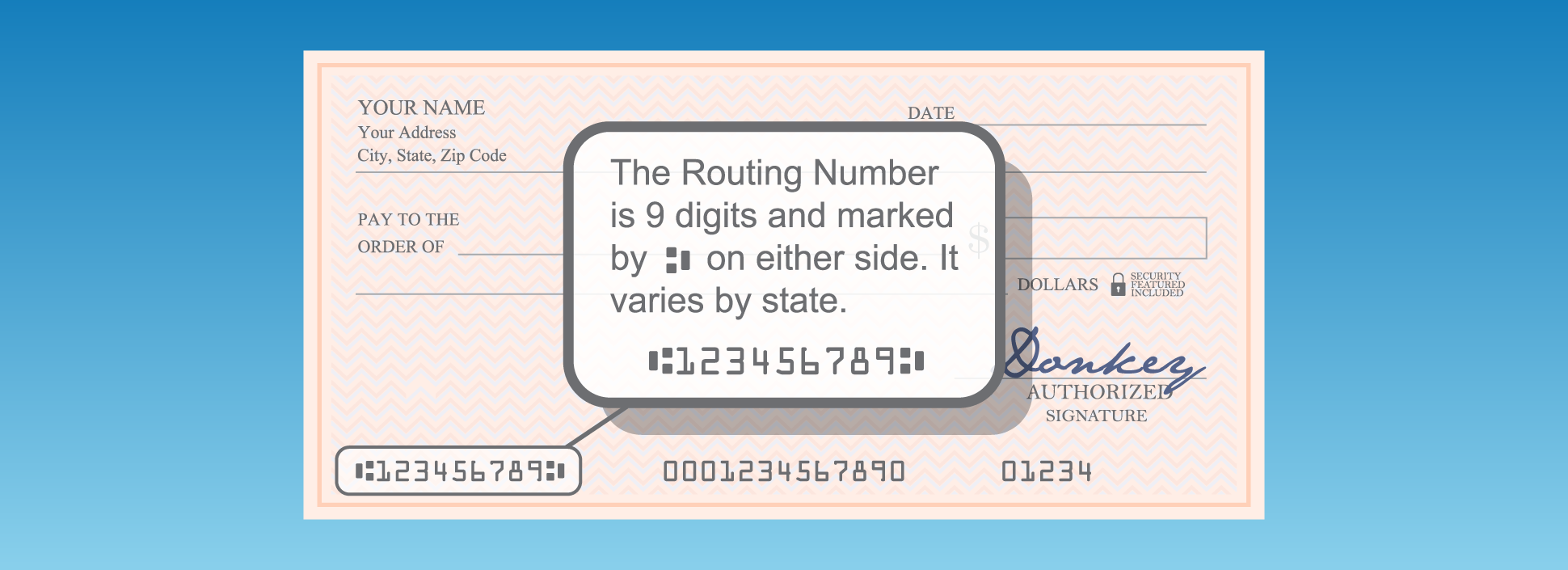
Before diving into how to find it, it’s crucial to differentiate your account number from another vital banking identifier: the routing number. Think of the routing number as the bank’s address—it identifies the financial institution itself and the specific branch where the account was opened. For Chase, these are typically 9-digit numbers that vary by region and account type. On the other hand, your account number is specific to your individual account within that institution. It’s usually a 10-12 digit number that precisely directs funds to or from your personal pool of money. Both are indispensable for most electronic transactions, but they serve distinct purposes. You need both to accurately send or receive money, and confusing them can lead to significant delays or misdirected funds.
Key Situations Requiring Your Account Number
The scenarios in which you’ll need your Chase account number are numerous and varied, highlighting its pervasive importance in your financial life.
- Direct Deposit Setup: For employment income, government benefits, or other regular payments, employers and agencies require your account number to ensure funds land directly in your designated account.
- Automated Bill Payments: Setting up recurring payments for utilities, loans, or subscriptions often necessitates providing your account number to link your bank account for automatic deductions.
- Wire Transfers: When sending or receiving money internationally or domestically via wire, the account number is crucial for the funds to reach the correct recipient’s account.
- ACH Transfers: Similar to wire transfers but typically for smaller, domestic transactions, ACH (Automated Clearing House) payments also rely on your account number for electronic fund transfers between banks.
- Linking External Accounts: If you use budgeting apps or want to link your Chase account to an account at another financial institution, your account number will often be required for verification.
- Dispute Resolution or Inquiries: When contacting Chase customer service for specific account-related issues, providing your account number helps representatives quickly access your records and provide accurate assistance.
Security Considerations When Handling Your Account Number
Given its critical role, your Chase account number is a sensitive piece of information that requires diligent protection. Sharing it indiscriminately can expose you to risks like unauthorized withdrawals or identity theft. Always exercise caution, verifying the legitimacy of any request for your account number. Never share it over insecure channels like unencrypted email or unverified phone calls. Chase, like all reputable banks, employs robust security measures, but the first line of defense is always the account holder’s vigilance. Understanding when and to whom you should share this number is just as important as knowing how to find it.
Digital Pathways: Finding Your Account Number Online and Via Mobile
In today’s digital age, the most convenient and often fastest way to locate your Chase account number is through their online banking platform or mobile application. These digital tools are designed for user-friendly access to your financial information, offering a secure environment to manage your accounts from virtually anywhere.
Navigating the Chase Online Banking Portal
Chase’s online banking portal provides a comprehensive dashboard for all your accounts. Finding your account number here is a straightforward process:
- Log In: Visit the official Chase website (chase.com) and enter your User ID and Password. Ensure you’re on a secure, legitimate site by checking the padlock icon in your browser’s address bar.
- Select Your Account: Once logged in, you’ll see a summary of all your Chase accounts (checking, savings, credit cards, etc.). Click on the specific checking or savings account for which you need the number. This will take you to that account’s activity page.
- View Account Details: On the account activity page, look for a section or link titled “Account details,” “See account details,” “Statements,” or similar. The exact wording might vary slightly depending on recent website updates. Clicking this link will typically reveal a comprehensive overview of your account, including the full account number, routing number, and other pertinent information. Sometimes, the account number might be partially masked (e.g., ****1234), requiring an additional click or verification step (like a security code sent to your phone) to reveal the full number.
Using the Chase Mobile App for Quick Access
The Chase Mobile App offers a streamlined experience, bringing the power of online banking to your fingertips. It’s an excellent option for on-the-go access to your account number.
- Log In: Open the Chase Mobile App on your smartphone or tablet and log in using your User ID and Password, or via biometric authentication (fingerprint/face ID) if enabled.
- Select Your Account: From the app’s home screen, tap on the specific checking or savings account you wish to view. This will open the account’s transaction history.
- Access Account Information: Within the account view, look for an icon or menu option that says “Account details,” “Manage account,” or a gear/settings icon. Tapping this will display your account details, including the full account number. Similar to the online portal, you might need to tap to “Show full account number” if it’s initially masked, potentially requiring a security verification.
Important Notes on Digital Security and Privacy
While digital channels offer unparalleled convenience, they also demand heightened awareness regarding security. Always ensure your devices are protected with strong passwords or biometrics. Avoid accessing your banking information over public Wi-Fi networks, which can be vulnerable to eavesdropping. Regularly update your operating system and the Chase app to benefit from the latest security patches. Chase employs multi-factor authentication and encryption to protect your data, but your personal vigilance forms the final, critical layer of defense against cyber threats. Never share your login credentials with anyone, and be wary of unsolicited emails or messages asking for your banking details.
Traditional Methods: Accessing Your Account Number Offline
While digital banking has become the norm, traditional, physical methods for finding your Chase account number remain reliable and are often essential backups, especially if you experience technical difficulties or prefer tangible records. These methods leverage documents and in-person assistance that have been part of banking for decades.
Locating Your Account Number on Checks and Deposit Slips
For those who still use physical checks, your account number is readily available printed on them. This is one of the most common and historically reliable places to find it.
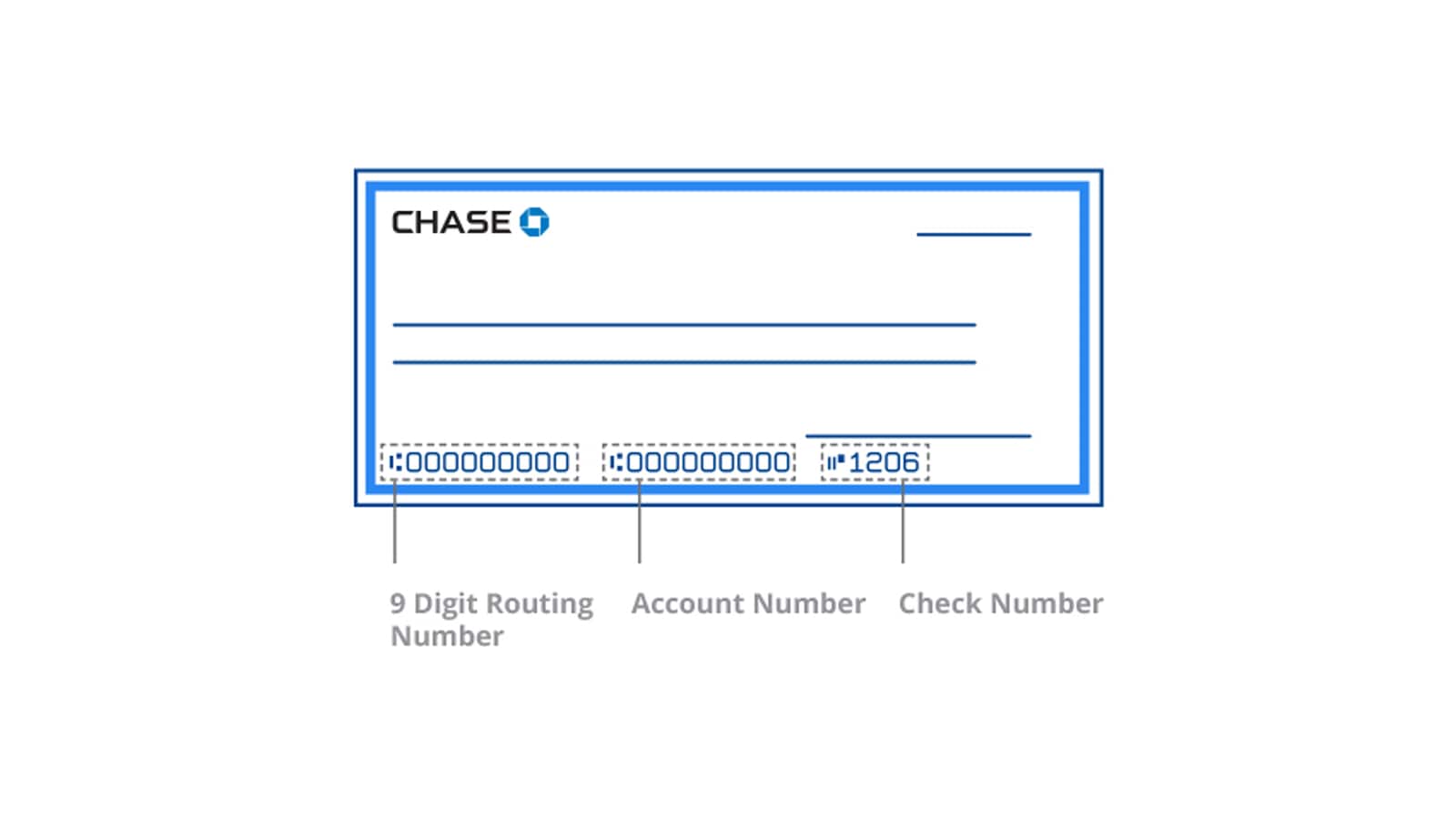
- On a Check: Look at the bottom of a personal check. You’ll typically find three sets of numbers, printed using magnetic ink. From left to right, these are usually:
- Routing Number: The first 9-digit number.
- Account Number: The middle set of numbers, which can vary in length.
- Check Number: The third, shorter number, which corresponds to the check number printed at the top right corner.
It’s crucial to correctly identify the middle segment as your account number.
- On a Deposit Slip: Similar to checks, deposit slips also have your routing number and account number pre-printed at the bottom. The order might vary slightly from checks, but the account number will be clearly distinguishable as the unique identifier following the routing number.
This method is quick and accessible for checking accounts but obviously doesn’t apply to savings accounts unless you have specific savings withdrawal slips. Always ensure you’re looking at a check or slip for the correct account if you have multiple with Chase.
Consulting Your Monthly Bank Statements
Bank statements, whether paper or digital, serve as comprehensive records of your account activity and details. Your account number will always be prominently displayed on them.
- Paper Statements: If you receive paper statements in the mail, your full account number is typically found near the top of the statement, often close to your name and address, or within the “Account Summary” section.
- Digital Statements (eStatements): If you’ve opted for paperless statements, you can access them through your Chase Online Banking portal or the mobile app. Navigate to the “Statements” or “Documents” section, select the desired statement period, and open the PDF. Your account number will be visible in the same location as it would on a physical statement. This method offers the advantage of securely archived historical records.
Statements are a fantastic resource not only for your account number but also for reconciling your finances and tracking spending, reinforcing their importance as a financial tool.
Visiting a Chase Branch for In-Person Assistance
When all else fails, or if you simply prefer face-to-face interaction, visiting a local Chase branch is a dependable option.
- What to Bring: Make sure to bring a valid form of photo identification (e.g., driver’s license, passport). This is essential for the bank to verify your identity and protect your account.
- Procedure: Inform the teller or a customer service representative that you need to find your account number. After verifying your identity, they will be able to look up your account details and provide you with the number. They can also print a temporary statement or a slip with your account information if needed.
This method is particularly useful if you’re unable to access your digital banking platforms or have misplaced all your physical documents.
Contacting Chase Customer Service Directly
If you’re unable to visit a branch or access online services, calling Chase customer service is another effective way to obtain your account number.
- Chase Customer Service Number: The general customer service number for Chase is typically found on their official website (chase.com/contact-us) or on the back of your debit card.
- Verification Process: Be prepared to go through a rigorous identity verification process over the phone. This will involve answering security questions, providing personal details, and possibly confirming recent transactions. This is a crucial step to ensure that your sensitive account information is not disclosed to unauthorized individuals.
- Assistance: Once your identity is verified, the representative will be able to provide your account number verbally or guide you on how to find it through other means.
While sometimes involving a wait time, phone support provides direct access to assistance and is a reliable option for specific inquiries.
When to Be Cautious: Avoiding Scams and Protecting Your Information
In the digital age, financial vigilance is non-negotiable. Knowing how to find your Chase account number is important, but understanding how to protect it from malicious actors is even more critical. Scammers are constantly evolving their tactics, making it imperative for account holders to stay informed and cautious.
Recognizing Phishing Attempts and Fraudulent Requests
Phishing is a common scam tactic where fraudsters attempt to trick you into revealing sensitive information, including your account number, login credentials, or personal identification.
- Email Scams: Be wary of emails that claim to be from Chase but contain suspicious links, grammatical errors, or an urgent tone demanding immediate action. Chase will never ask for your full account number, password, or PIN via email.
- Text Message (Smishing) Scams: Similar to emails, fraudulent text messages might prompt you to click a link or reply with personal details. Again, Chase will not request sensitive information this way.
- Phone Call (Vishing) Scams: Scammers might spoof Chase’s phone number and call you, pretending to be a bank representative. They might try to create a sense of urgency or claim there’s an issue with your account. If you receive such a call and are unsure, hang up and call Chase directly using the official number from their website or the back of your card. Never give out your account number or other sensitive details to an unsolicited caller.
- Pop-up Warnings: Be cautious of pop-up windows that appear while browsing, claiming to be from your bank and asking for login information. These are often malicious.
Always verify the source of any communication before sharing any financial information. When in doubt, contact Chase directly through their official channels.
Best Practices for Sharing Your Account Number Safely
While you need to protect your account number, there are legitimate reasons to share it. Here’s how to do so safely:
- Verify the Recipient: Only share your account number with trusted entities and individuals. For example, your employer for direct deposit, a reputable biller for automated payments, or a verified family member for a transfer.
- Secure Channels: When possible, use secure, encrypted channels for sharing. Online banking portals for setting up payments or direct deposit are designed with security in mind. If providing it over the phone, ensure you are the one who initiated the call to a verified Chase customer service number.
- Avoid Public Transmission: Do not send your full account number via unencrypted email, public social media messages, or insecure chat applications.
- Shred Documents: When disposing of old checks, statements, or deposit slips, always shred them to prevent information theft.
- Monitor Your Accounts: Regularly check your Chase account statements and transaction history for any unauthorized activity. Early detection is key to mitigating potential fraud.
What to Do If Your Account Information Is Compromised
Despite your best efforts, sometimes account information can fall into the wrong hands. Acting quickly is crucial:
- Contact Chase Immediately: As soon as you suspect your account number or other details have been compromised, call Chase’s fraud department. Their contact information is available on their website and the back of your card.
- Report Unauthorized Activity: Clearly explain what happened and any suspicious transactions you’ve noticed. Chase will guide you through the process of securing your account, which may include closing the compromised account and opening a new one.
- Change Passwords: If your login credentials might also be compromised, immediately change your Chase online banking password and any other linked financial passwords.
- Monitor Credit Reports: Place a fraud alert on your credit reports with the three major credit bureaus (Equifax, Experian, TransUnion) to prevent identity theft.
- File a Police Report: In cases of significant fraud or identity theft, consider filing a report with your local police department.
Proactive measures and swift action are your best defenses against financial fraud.
Streamlining Your Financial Management with Chase
Beyond merely locating your account number, effectively using Chase’s tools can significantly enhance your overall financial management. Understanding where your crucial numbers are stored is just one facet of leveraging your banking relationship for greater financial control and security.
Setting Up Account Alerts for Enhanced Security
Chase offers a robust system of customizable alerts that can notify you of various account activities. These alerts are an invaluable tool for security and staying informed.
- Transaction Alerts: Receive notifications for large withdrawals, purchases above a certain amount, or international transactions. This can help you quickly spot unauthorized activity.
- Balance Alerts: Get notified if your account balance drops below a specified threshold, helping you avoid overdrafts.
- Login Alerts: Receive an alert if your online banking account is accessed from an unfamiliar device or location, indicating a potential security breach.
- Payment Due Alerts: For linked credit cards or loans, these alerts remind you of upcoming payment due dates, helping you avoid late fees.
Setting up these alerts through the Chase online portal or mobile app provides an extra layer of protection and keeps you intimately connected to the pulse of your finances.
Leveraging Chase’s Digital Tools Beyond Finding Numbers
Chase’s digital ecosystem extends far beyond simply showing you your account number. Explore features like:
- Zelle®: A fast, free, and easy way to send and receive money with people you trust, directly from your Chase app.
- Budgeting Tools: Many banks, including Chase, offer in-app budgeting features that categorize your spending, helping you visualize where your money goes.
- Chase Pay® and Digital Wallets: For secure and convenient payments online and in-store.
- Statement Analysis: Tools that help you analyze your spending habits over time, identifying areas for potential savings.
- Online Bill Pay: A feature that allows you to set up and manage all your bill payments from one central location, reducing the risk of missed payments.
Becoming proficient with these digital tools not only makes finding your account number easier but also empowers you to manage your entire financial life with greater efficiency and insight.
The Broader Context: Why Organized Financial Information is Crucial
Knowing how to find your Chase account number is a small but significant piece of a larger financial puzzle. Maintaining organized financial information — from account numbers and routing numbers to passwords and investment details — underpins sound personal finance. It enables quick action when needed, facilitates tax preparation, and provides clarity in unexpected situations. In a world where financial transactions are increasingly digital and rapid, having immediate access to accurate information is not just a convenience; it’s a pillar of financial resilience. By mastering the ways to access your vital banking information, you take a proactive step towards greater financial literacy and control over your monetary future.
aViewFromTheCave is a participant in the Amazon Services LLC Associates Program, an affiliate advertising program designed to provide a means for sites to earn advertising fees by advertising and linking to Amazon.com. Amazon, the Amazon logo, AmazonSupply, and the AmazonSupply logo are trademarks of Amazon.com, Inc. or its affiliates. As an Amazon Associate we earn affiliate commissions from qualifying purchases.