
In an increasingly digitized world, peer-to-peer payment applications like Cash App have become indispensable financial tools for millions. From splitting dinner bills to sending money to family, these platforms offer unparalleled convenience. However, like all financial services, they come with specific eligibility requirements, particularly concerning age. Understanding these age restrictions is crucial not just for compliance, but for fostering responsible personal finance habits, especially when considering younger users. This article delves into Cash App’s age requirements, exploring the underlying financial and legal justifications, and providing insights for parents and young individuals navigating digital money management.

The Official Age Requirement and Its Financial Basis
Cash App, like most regulated financial technology services, operates under strict terms of service designed to protect both the user and the platform. The primary barrier to entry for many is the age requirement, which is firmly rooted in legal precedents and financial liability.
Understanding Cash App’s Terms of Service
Officially, Cash App requires users to be at least 18 years old to open and operate an account independently. This isn’t an arbitrary number; it aligns with the legal age of majority in most jurisdictions, which designates an individual as an adult capable of entering into binding contracts. When you sign up for Cash App, you are entering into a service agreement that outlines terms, conditions, and responsibilities regarding your money and transactions. Minors, generally, lack the legal capacity to form such contracts.
The implications of this age limit are significant. An individual under 18 cannot legally agree to the terms of service, nor can they be held fully accountable for financial disputes, fraud, or misuse of funds in the same way an adult can. This foundational legal principle dictates how financial services, including digital payment apps, must structure their user agreements. Attempts by minors to circumvent this by providing false information can lead to account closure and potential forfeiture of funds, highlighting the importance of adherence to these rules.
Why Age Restrictions Exist for Financial Services (Legal & Financial Liability)
The 18-year-old threshold for financial tools like Cash App is not unique; it’s a standard practice across banks, credit card companies, and investment platforms. The reasons are multifaceted, primarily revolving around legal and financial liability:
- Contractual Capacity: As mentioned, individuals under 18 typically do not have the legal capacity to enter into contracts. A Cash App account involves agreeing to terms of service, authorizing transactions, and managing funds, all of which are contractual obligations. Without this capacity, the service provider assumes significant legal risk.
- Financial Responsibility: Minors are generally not considered financially responsible in the eyes of the law. This means they might not be held accountable for debts incurred, unauthorized transactions, or other financial missteps. Allowing unrestricted access to a financial tool could expose the platform to losses and make collection of funds or resolution of disputes incredibly complex.
- Protection of Minors: These regulations also serve to protect minors from potential exploitation, financial fraud, and the pitfalls of irresponsible spending before they have developed sufficient financial literacy and judgment. It provides a layer of legal protection for vulnerable populations.
- Regulatory Compliance: Financial institutions and fintech companies are heavily regulated. Laws like the Children’s Online Privacy Protection Act (COPPA) in the U.S. and various anti-money laundering (AML) and Know Your Customer (KYC) regulations impose strict requirements regarding age verification and identity confirmation. Non-compliance can result in severe penalties and damage to a company’s reputation.
The Role of Parental Consent and Authorized Accounts
Recognizing the practical need for younger individuals to engage with digital money, Cash App introduced a feature that allows users aged 13-17 to create an account, provided it is sponsored by a parent or legal guardian. This innovation is a crucial development in the personal finance landscape, bridging the gap between legal age restrictions and the everyday reality of teens needing access to digital funds.
The sponsored account functions under the strict oversight of an adult. The parent or guardian essentially assumes the contractual and financial responsibility for the minor’s account. This allows teens to send and receive money, access a Cash Card (a debit card linked to the account), and learn vital money management skills within a controlled environment. This model acknowledges the evolving needs of modern families while upholding the fundamental legal principles governing financial services. It transforms Cash App from a purely individual financial tool into a shared family finance management solution, with the parent acting as the primary financial steward.
Navigating Cash App for Younger Users: A Personal Finance Perspective
The availability of sponsored accounts for teens marks a significant shift, transforming a potential compliance hurdle into an opportunity for financial education. For parents and guardians, it’s about more than just setting up an app; it’s about introducing crucial personal finance concepts.
The Lure of Digital Payments for Teens
Today’s teenagers are digital natives. They observe their parents and peers using apps like Cash App for everything from buying snacks to receiving allowances. The convenience of digital payments, the ease of splitting costs with friends, and the tactile experience of a personalized Cash Card are all highly appealing. In a world where cash transactions are diminishing, understanding and utilizing digital payment platforms becomes almost a necessity for social and practical engagement.
For many teens, a Cash App account offers a sense of independence and maturity. It allows them to manage their own spending, receive money from part-time jobs or odd jobs, and participate in the digital economy that defines their generation. This early exposure, when properly supervised, can be a powerful tool for developing financial confidence.
Empowering Financial Literacy: Supervised Use of Cash App
A sponsored Cash App account isn’t merely a convenience; it’s a potent educational platform. Parents can leverage it to instill vital financial literacy skills. Instead of just handing over cash, discussions can revolve around:
- Budgeting: How much money is available, what are the needs versus wants, and how to allocate funds for different purposes.
- Tracking Expenses: Reviewing transaction history together to see where money is going and identify spending patterns.
- Saving Goals: Setting aside money for larger purchases or future aspirations, and seeing the balance grow.
- Earning Money: Connecting income from chores or a first job directly to their Cash App account can make the concept of earning and managing money more tangible.
This hands-on experience, guided by a parent, transforms abstract financial concepts into practical lessons. It moves financial education beyond theoretical discussions to real-world application, making it more engaging and memorable for teens.
Risks and Rewards: Teaching Responsible Spending and Saving
While the educational benefits are clear, parents must also address the inherent risks associated with digital financial tools:
- Overspending: The ease of digital payments can make it easier to spend impulsively. Parents can set spending limits, review transaction history, and discuss the consequences of insufficient funds.
- Scams and Fraud: Teens, like adults, can be targets of online scams. Educating them about phishing, unauthorized requests, and the importance of verifying recipients is paramount.
- Data Security: Emphasizing strong passwords, two-factor authentication, and the dangers of sharing personal information are critical digital safety lessons.
- Privacy Concerns: Discussing what personal information is shared and why privacy settings are important helps build an understanding of digital footprints.
Conversely, the rewards of responsible use are significant. Teens can learn to manage their own funds, save for specific goals, and understand the value of money in a practical context. This early financial empowerment can lay a strong foundation for future financial independence and sound decision-making as adults.
Parental Control and Financial Oversight: Managing Your Teen’s Digital Wallet
The sponsored Cash App account is designed with parental oversight at its core, offering tools and features that empower guardians to guide their teens’ financial journey effectively. This isn’t just about restriction; it’s about active participation in a child’s financial development.
Setting Up a Sponsored Account: A Step-by-Step Financial Guide
The process of setting up a sponsored account emphasizes the parent’s role. It typically involves:
- Teen Initiates: The teen (aged 13-17) attempts to sign up for Cash App. When their age is identified, they are prompted to request parental sponsorship.
- Parent Invitation: An invitation is sent to the parent or legal guardian, who must already have an active Cash App account.
- Parental Verification: The parent verifies their own identity, linking their account to the teen’s. This often requires providing personal details to comply with KYC regulations.
- Consent and Monitoring Agreement: The parent explicitly agrees to supervise the teen’s account, taking on the legal and financial responsibility for all transactions. This agreement is crucial from a financial liability standpoint.
- Activation: Once the parent approves, the teen’s account is activated, allowing them to use the core features under supervision.
This structured approach ensures that the financial responsibility remains with the adult, while providing the teen with a legitimate avenue to participate in digital finance.
Monitoring Transactions and Spending Habits
A key feature of sponsored accounts is the ability for parents to monitor their teen’s financial activity. This typically includes:
- Real-time Transaction History: Parents can view every transaction, including sent and received amounts, dates, and recipients/senders. This transparency is vital for oversight.
- Spending Limits: While Cash App’s specific parental controls for spending limits can vary or be influenced by the parent’s linked bank account, the ability to monitor gives parents the insight to set informal limits and discuss excessive spending.
- Notifications: Parents can receive alerts for certain types of transactions, providing immediate awareness of account activity.
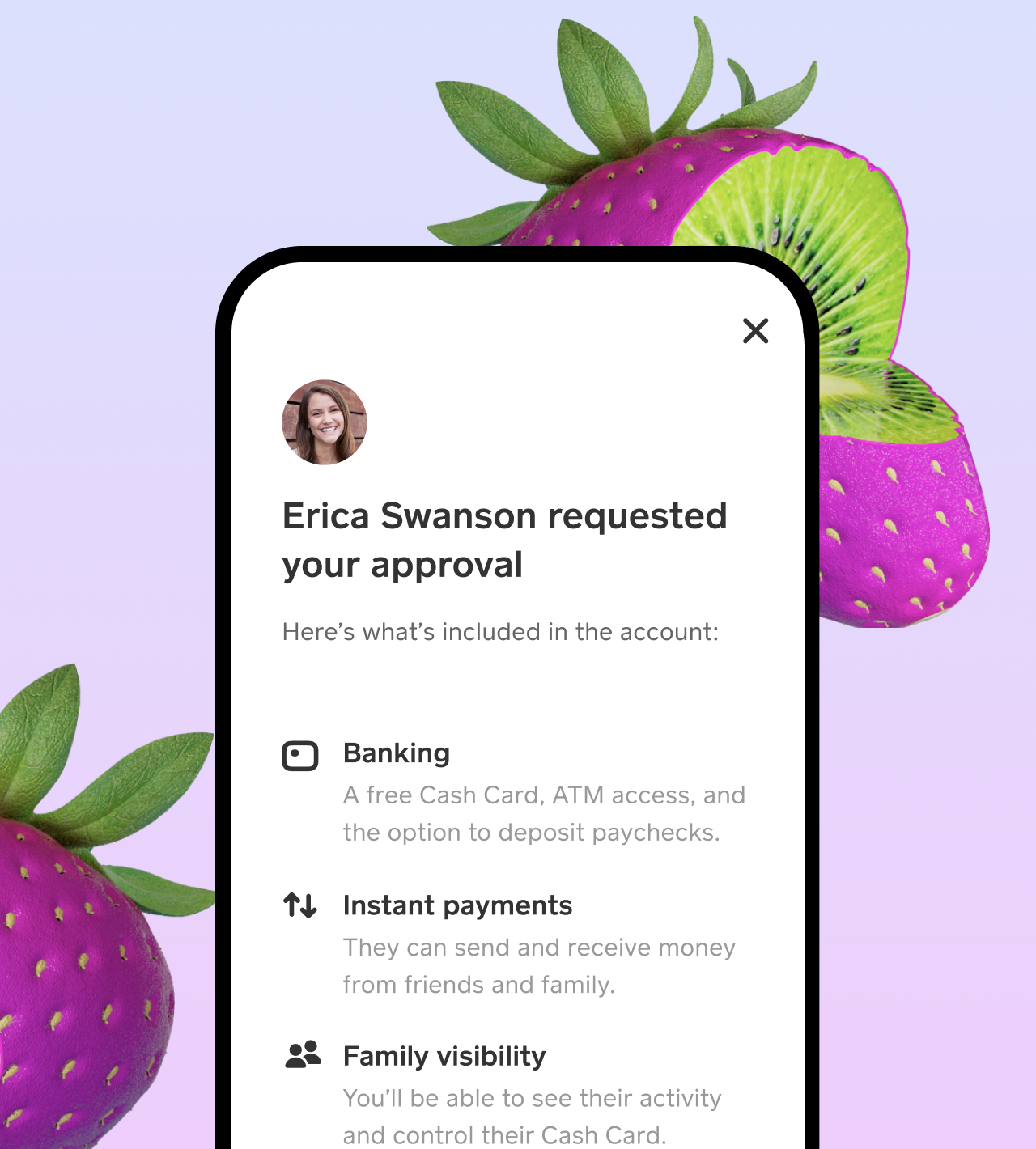
This level of insight allows parents to have ongoing conversations about spending choices, differentiate between necessary and discretionary expenses, and guide their teen towards more responsible financial habits. It’s an opportunity to teach cause and effect in real-time, directly linking actions (spending) to outcomes (account balance).
Linking to Bank Accounts and Funding Strategies for Minors
Funding a teen’s Cash App account involves the parent’s linked bank account or debit card. This ensures that money entering the teen’s account originates from a verified and authorized source, adding another layer of security and financial oversight.
Parents can establish various funding strategies:
- Allowance: Regularly sending a fixed allowance to the teen’s Cash App can teach consistent budgeting and financial planning.
- Chore Payments: Linking payment for chores directly to the app reinforces the concept of earning money.
- One-time Transfers: For specific needs or gifts, parents can make instant transfers.
- Direct Deposit for Jobs: For teens with part-time jobs, they can often set up direct deposit to their Cash App account, offering practical experience with income management.
The ability to link external financial institutions to Cash App, even for minors, demonstrates the platform’s integration into the broader financial ecosystem. For parents, it streamlines the process of providing funds while maintaining control, and for teens, it offers a realistic glimpse into how digital banking and payments function.
Beyond Age: Other Eligibility and Compliance Factors for Financial Tools
While age is a primary consideration, a robust financial tool like Cash App must adhere to a broader set of regulatory and security protocols to ensure the integrity of the system and protect all users, especially young ones. These factors contribute to the overall financial health and security of the platform.
Verifying Identity (KYC) and Regulatory Compliance
Beyond age, identity verification (Know Your Customer or KYC) is a cornerstone of financial compliance. For both independent adult accounts and sponsored teen accounts, Cash App requires users to provide certain personal information to verify their identity. This often includes:
- Full Legal Name
- Date of Birth
- Last four digits of Social Security Number (SSN) for adults, and potentially the full SSN for parents sponsoring accounts.
- Physical Address
This information is crucial for:
- Preventing Fraud and Money Laundering: KYC helps identify and prevent individuals from using the platform for illicit activities.
- Regulatory Reporting: Financial institutions are required to report suspicious activities and maintain records of customer identities to government agencies.
- Dispute Resolution: In case of disputes or unauthorized transactions, verified identity helps in resolving issues and recovering funds.
For sponsored teen accounts, the parent’s verified identity is paramount, as they bear the ultimate financial responsibility. This rigorous verification process underscores that Cash App is a serious financial instrument, not merely a casual app.
Protecting Funds and Data: Security Measures for Young Users
The financial well-being of users, especially minors, is heavily dependent on robust security measures. Cash App employs several layers of security:
- Encryption: All data transmitted through the app is encrypted, protecting sensitive financial information from interception.
- Two-Factor Authentication (2FA): This adds an extra layer of security, requiring a code sent to a verified phone or email in addition to a password for login or large transactions.
- Fraud Detection Systems: Sophisticated algorithms monitor transactions for unusual patterns that might indicate fraudulent activity.
- Dispute Resolution and Refunds: While not immediate, Cash App has processes in place for users to report unauthorized transactions and potentially recover funds.
Educating young users about these security features and best practices—such as using strong, unique passwords, enabling 2FA, and being wary of suspicious requests—is an integral part of their financial education within the digital realm. Parents should actively discuss these with their teens.
What Happens If You Violate Age Requirements? Financial Consequences
Attempting to circumvent Cash App’s age restrictions by providing false information carries significant financial and account-related risks:
- Account Closure: If Cash App discovers a user is underage, the account will be immediately closed.
- Fund Forfeiture: Funds held in the account may be frozen or even forfeited, as the terms of service were violated. This can result in a direct financial loss.
- Inability to Create Future Accounts: Users who violate terms of service may be permanently barred from creating new accounts.
- Legal Ramifications: While less common for simple age violations, providing false information to a financial service can have more severe legal implications, especially if associated with fraudulent activity.
These consequences serve as a stark reminder of the importance of honesty and adherence to rules when dealing with financial platforms. It reinforces the lesson that financial integrity begins with transparency and compliance, preparing young individuals for a lifetime of responsible engagement with financial institutions.
Responsible Financial Habits in the Digital Age: Leveraging Cash App Safely
Ultimately, Cash App, when used correctly and within its established guidelines, transcends its function as a simple payment app to become a powerful educational tool for cultivating sound personal finance habits in the digital age. For younger users, it represents an early, tangible entry point into managing money.
Budgeting and Tracking Expenses with Digital Tools
The visual and accessible nature of Cash App’s transaction history makes it an excellent platform for teaching budgeting. Parents can sit with their teens and:
- Review Monthly Statements: Analyze where money was spent, categorizing expenses (e.g., entertainment, food, savings).
- Set Future Budgets: Based on past spending, create a plan for future income and expenditures.
- Identify Unnecessary Spending: Use the data to pinpoint areas where money might be saved or reallocated.
- Understand Account Balances: Reinforce the concept of living within one’s means and avoiding overspending.
These are fundamental personal finance skills that translate directly to managing bank accounts, credit cards, and investments in adulthood. Learning to track and budget digitally is an essential skill in an increasingly cashless society.
The Importance of Privacy and Security for Young Account Holders
As teens become more independent with their Cash App accounts, ongoing discussions about privacy and security are paramount. This includes:
- Recognizing Scams: Teaching them to identify phishing emails, suspicious links, and requests for personal information.
- Strong Passwords and PINs: Emphasizing the need for unique, complex passwords and keeping PINs confidential.
- Public Wi-Fi Risks: Warning against conducting financial transactions on unsecured public networks.
- Sharing Information Safely: Understanding what information is safe to share (e.g., Cash App Cashtag for payments) versus what is private (e.g., SSN, full bank details).
These lessons extend beyond Cash App, instilling a broader sense of digital citizenship and cybersecurity awareness that will protect their financial well-being across all online platforms.

Preparing for Future Financial Independence
By allowing teens to manage their own funds, under parental guidance, Cash App contributes significantly to their journey toward financial independence. It provides practical experience in:
- Making Financial Decisions: From small purchases to saving for larger goals.
- Understanding Consequences: Experiencing the impact of spending choices on their account balance.
- Navigating a Digital Economy: Becoming comfortable with online transactions, digital wallets, and financial technology.
- Building a Financial Track Record: Even if informal, understanding how to maintain a positive balance and manage income and expenses.
The supervised use of Cash App can be a pivotal stepping stone, preparing young people for the complexities of adult financial life, from managing bank accounts and credit to understanding investments and long-term financial planning. It underscores that age restrictions, while necessary, can also evolve to facilitate responsible financial education, ultimately benefiting individuals and the broader economy.
aViewFromTheCave is a participant in the Amazon Services LLC Associates Program, an affiliate advertising program designed to provide a means for sites to earn advertising fees by advertising and linking to Amazon.com. Amazon, the Amazon logo, AmazonSupply, and the AmazonSupply logo are trademarks of Amazon.com, Inc. or its affiliates. As an Amazon Associate we earn affiliate commissions from qualifying purchases.