
In an increasingly digital world, managing personal finances has evolved beyond traditional banking. Mobile payment applications like Cash App have become indispensable tools for many, offering convenience, speed, and accessibility for a myriad of financial transactions. One of the most fundamental aspects of leveraging Cash App to its full potential is understanding how to efficiently fund your account, specifically how to add cash that can be used via your associated Cash App Card. This guide delves into the various methods for funding your Cash App card, contextualizing them within the broader landscape of personal finance and offering insights for optimized financial management.
The Cash App Card, a free, customizable debit card linked directly to your Cash App balance, functions like any other debit card, allowing users to spend their Cash App funds online, in stores, and withdraw cash from ATMs. Its utility makes the process of adding cash a critical skill for anyone looking to embrace modern digital finance. From direct deposits to physical cash loads, mastering these methods empowers users to seamlessly integrate Cash App into their daily financial routines, from budgeting and bill payments to managing side hustle income and peer-to-peer transfers.
Understanding Your Cash App Card and Its Purpose in Personal Finance
Before diving into the mechanics of adding cash, it’s crucial to grasp the role the Cash App Card plays within your financial ecosystem. It’s more than just a piece of plastic; it’s a gateway to your digital wallet, designed to bridge the gap between your virtual funds and real-world spending.
The Digital Wallet Ecosystem
Cash App operates as a comprehensive digital wallet, allowing users to send and receive money, invest in stocks and Bitcoin, and directly deposit paychecks. The Cash App Card extends this functionality into the physical realm. It enables cardholders to access their Cash App balance for everyday purchases wherever Visa is accepted, much like a traditional debit card. This integration simplifies financial management by consolidating funds into a single, accessible platform, reducing the reliance on multiple bank accounts or physical cash. For many, it represents a step towards a cashless lifestyle, offering convenience and security. It democratizes access to financial services, particularly for the unbanked or underbanked, providing a low-barrier entry into digital banking.
Benefits of the Cash App Card for Everyday Spending
The allure of the Cash App Card lies in its practical benefits for daily financial transactions. Firstly, it offers a degree of financial independence, especially for those managing specific budgets or side income. Users can compartmentalize funds in their Cash App account, making it easier to track spending on certain categories. Secondly, the card often comes with “Boosts,” which are instant discounts at specific retailers, adding a layer of value not always found with traditional bank cards. These boosts can lead to significant savings over time, making spending through the Cash App Card economically advantageous. Furthermore, the ability to manage the card directly from the app—locking it, reporting lost/stolen, or viewing transactions—provides unparalleled control and security, offering peace of mind in an era of increasing digital threats.
Distinguishing Between Cash App Balance and Linked Bank Accounts
A common point of confusion for new users is the relationship between their Cash App balance and their linked bank accounts or debit cards. While a linked bank account or debit card facilitates adding funds to Cash App, they are distinct entities. When you add cash from a linked bank account, those funds are moved into your Cash App balance. Your Cash App Card then draws directly from this internal balance. It’s not a direct conduit to your external bank account. This distinction is vital for financial planning: money transferred to Cash App is effectively “spent” from your bank account and now resides within the Cash App ecosystem, ready for use via the card or other in-app transactions. Understanding this allows for better budgeting and avoids accidental overspending or misallocation of funds.
Direct Methods to Add Cash to Your Cash App Card
Loading funds onto your Cash App card is straightforward, with several direct options catering to different preferences and needs. These methods form the backbone of Cash App’s utility as a personal finance tool.
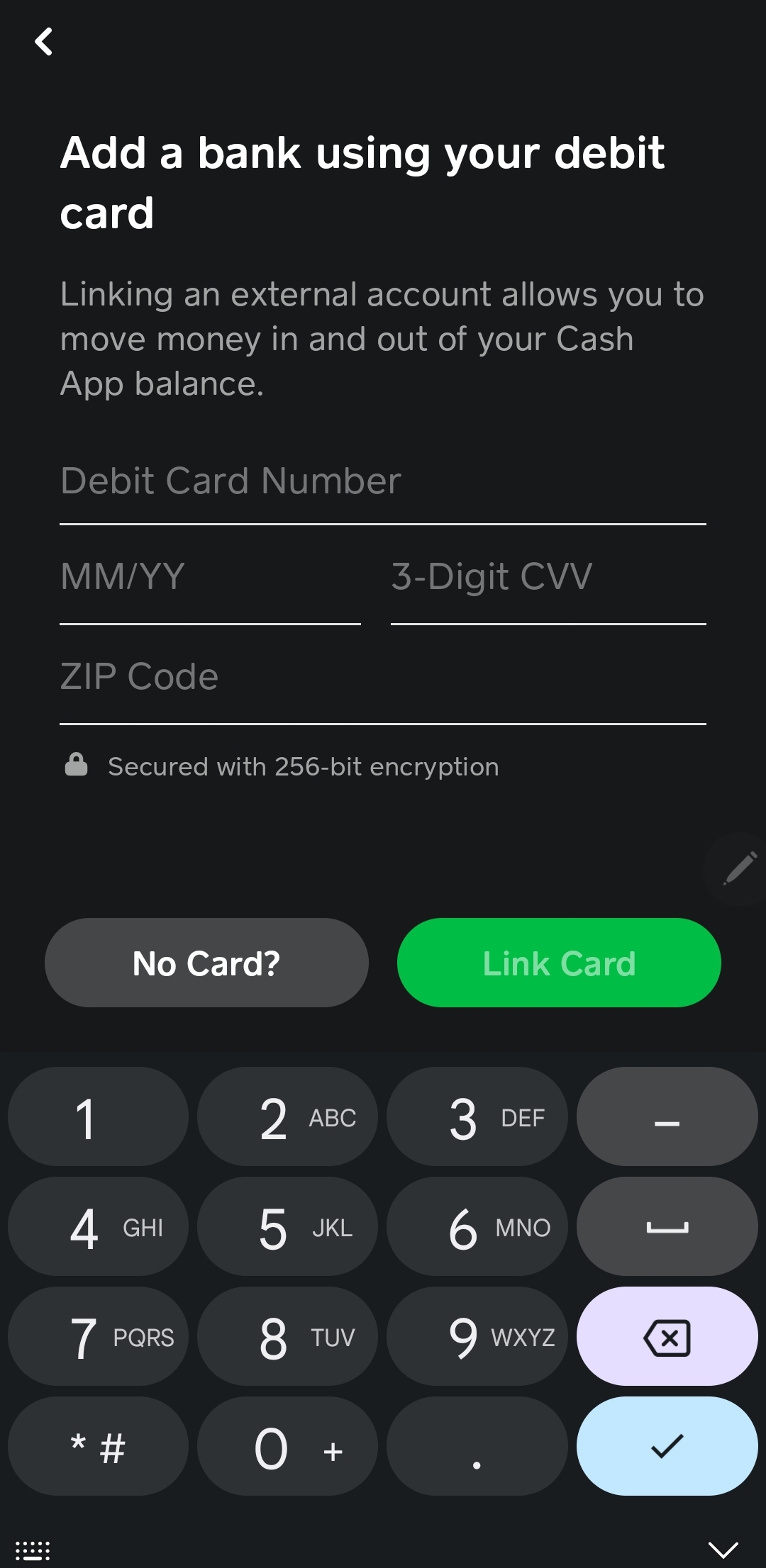
Using a Linked Bank Account or Debit Card
The most common and often quickest way to add money to your Cash App balance is by linking an external bank account or a debit card. This method leverages existing financial infrastructure to seamlessly transfer funds.
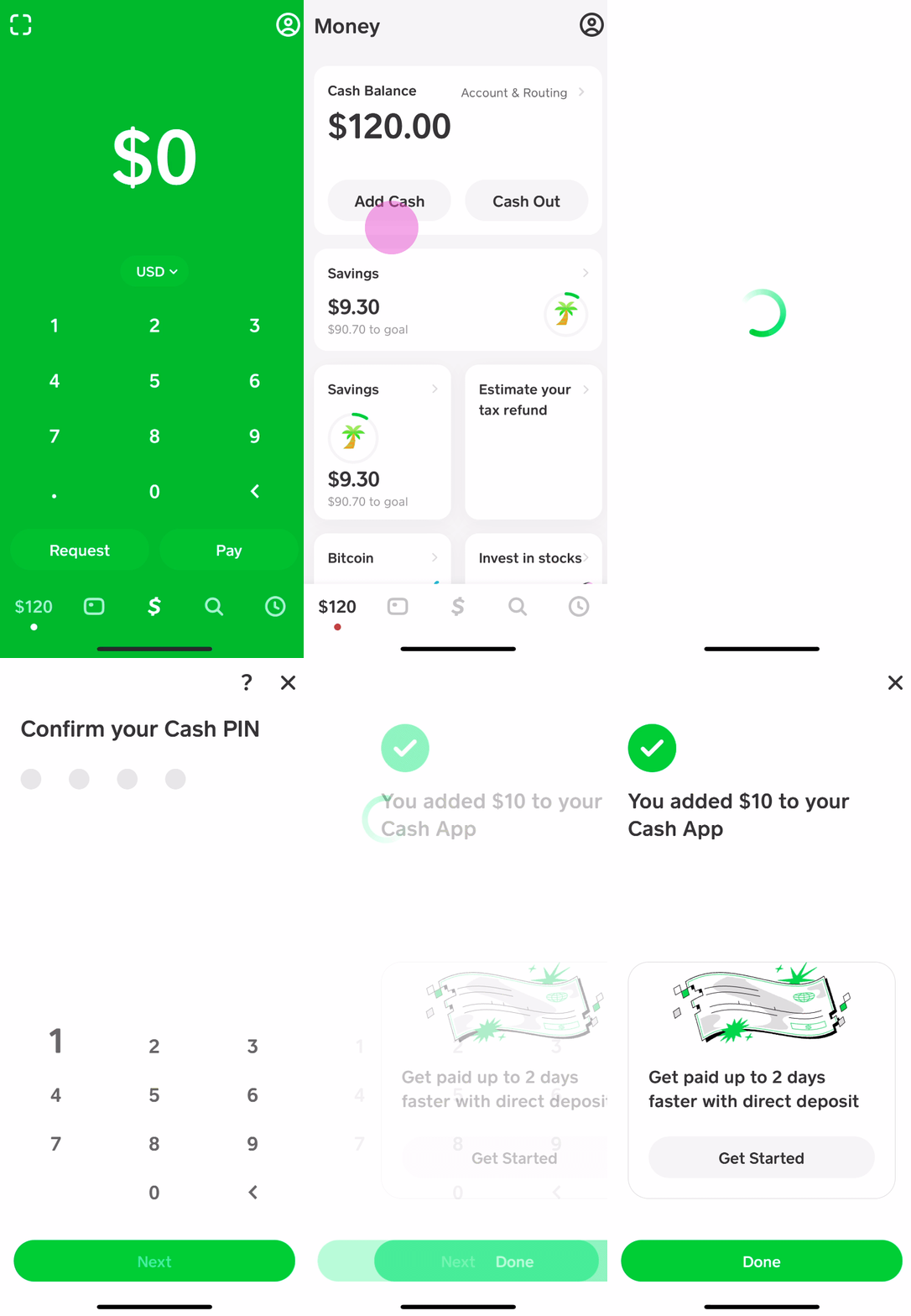
- Step-by-step for “Add Cash” feature:
- Open the Cash App on your mobile device.
- Tap on the Banking tab (the house icon) on the bottom left.
- Tap the “Add Cash” button.
- Enter the desired amount you wish to add.
- Tap “Add.”
- Confirm your transaction with your PIN or Touch ID.
- Instant vs. Standard transfers: Funds added from a linked debit card typically appear in your Cash App balance instantly, making them immediately available for use with your Cash App Card. If you link a bank account directly for transfers, there might be standard transfer times, similar to ACH transfers, which can take 1-3 business days. For urgent needs, a debit card transfer is usually the preferred option. While convenient, be mindful of any daily or weekly limits Cash App imposes on these transfers, which vary by verification level.
Depositing Paper Money at Retailers
For those who primarily deal in physical cash or prefer not to link external accounts, Cash App offers a convenient solution to convert paper money into digital funds.
- Partner stores (e.g., Walmart, Walgreens, CVS): Cash App has partnered with various major retailers across the United States, including Walmart, Walgreens, CVS, 7-Eleven, Dollar General, and Family Dollar, to facilitate cash deposits. This allows users to add physical currency directly to their Cash App balance.
- How the barcode works: To deposit cash, you initiate the process within the Cash App:
- Tap the Banking tab.
- Tap the “Add Cash” button.
- Select “Cash Deposit” or “Paper Money.”
- Cash App will generate a unique barcode.
- Present this barcode to a cashier at a participating retail location along with the cash you wish to deposit. The cashier will scan the barcode, take your cash, and the funds will typically appear in your Cash App balance instantly.
- Fees and limits associated: While incredibly convenient, this method usually incurs a small fee (often around $1) charged by the retailer. There are also specific limits on how much cash you can deposit per transaction, per day, or per week, which can vary by retailer and Cash App’s own verification tiers. It’s wise to check these limits within the app or on Cash App’s support pages before heading to a store with a large amount of cash. This method is particularly useful for managing income from side hustles that pay in cash or for budgeting physical allowance money.
Indirect Strategies to Fund Your Cash App Account
Beyond direct deposits from banks or retailers, several indirect yet effective strategies exist to build up your Cash App balance, often leveraging the app’s peer-to-peer (P2P) functionality or its direct deposit features.
Receiving Money from Other Cash App Users
Cash App’s foundational feature is its ability to facilitate instant peer-to-peer transfers, which naturally serves as a way to fund your own account.
- P2P transfers: If friends, family, or even clients owe you money and also use Cash App, they can send funds directly to your account. This is a common way for users to receive money from shared expenses, gifts, or small reimbursements. Once received, the money is instantly available in your Cash App balance and usable with your Cash App Card.
- Requesting money: You can also actively request money from others within the app. Simply tap the “$” icon (Payment tab), enter the amount, tap “Request,” and select the person from your contacts or enter their $Cashtag, email, or phone number. This proactive approach ensures you get paid promptly, directly into your usable balance. For those managing micro-transactions or splitting bills, this method is invaluable.
Direct Deposits from Paychecks or Government Benefits
For many, Cash App can serve as a primary banking alternative, especially for receiving regular income.
- Setting up account and routing numbers: Cash App provides users with unique account and routing numbers, essentially functioning as a virtual bank account. You can find these numbers in the Banking tab under “Direct Deposit.” By providing these details to your employer, government agencies (for benefits like unemployment or tax refunds), or other payers, you can have funds deposited directly into your Cash App balance. This is a significant step towards financial inclusion, offering instant access to funds upon deposit, often earlier than traditional banks.
- Advantages for faster access to funds: One key advantage is the potential for early access to paychecks. Cash App often processes direct deposits up to two days earlier than many traditional banks, providing a significant benefit for managing cash flow and immediate financial needs. This feature transforms Cash App from a mere payment app into a primary financial hub for everyday income and spending.
Selling Items or Services and Receiving Payments
For entrepreneurs, freelancers, and those with side hustles, Cash App can be a convenient platform for receiving payments.
- Leveraging Cash App for online income/side hustles: If you sell goods (e.g., via social media marketplaces) or offer services (e.g., dog walking, tutoring, freelance work), you can request clients to pay you directly via Cash App. By sharing your $Cashtag, you make it incredibly easy for customers to send you money. This eliminates the need for complex invoicing or waiting for checks to clear, streamlining the payment process and ensuring funds are readily available on your Cash App Card for business expenses or personal use. It’s a simple, low-cost way to accept payments without merchant accounts, making it highly attractive for small businesses and independent contractors.
Maximizing Your Cash App Card: Tips for Financial Management
Having successfully added cash to your Cash App Card, the next step is to manage these funds effectively. Thoughtful financial practices ensure security, budget adherence, and optimal utilization of the app’s features.
Understanding Transaction Limits and Fees
Effective financial management with Cash App necessitates a clear understanding of its operational boundaries. Cash App imposes various limits on sending, receiving, and adding money, which typically increase as your account becomes more verified (e.g., linking a Social Security Number). Being aware of these limits prevents unexpected transaction failures. Furthermore, while many Cash App services are free, certain transactions incur fees, such as instant transfers to a linked debit card from Cash App, or ATM withdrawals if you don’t have direct deposit set up (or if the ATM itself charges a fee). For cash deposits at retailers, a nominal fee is also usually applied. Regularly reviewing Cash App’s fee schedule and limits within the app’s support section or their website is a prudent step to avoid surprises and plan your financial activities accordingly.
Security Best Practices for Your Cash App Account
Protecting your funds is paramount. Cash App offers robust security features, but user vigilance is equally important.
- Enable Security Lock: Always enable a Security Lock (PIN or Touch ID/Face ID) within the app. This prevents unauthorized access to your funds even if your phone is compromised.
- Be Wary of Scams: Be highly skeptical of unsolicited requests for money or suspicious links, especially those promising unrealistic returns or “free” money. Cash App will never ask for your PIN or sign-in code outside of the app.
- Strong Passwords: Use a strong, unique password for your Cash App account and linked email address.
- Two-Factor Authentication (2FA): If available, enable 2FA for an added layer of security, typically involving a code sent to your phone or email.
- Monitor Activity: Regularly check your transaction history for any unauthorized activity. Report suspicious transactions immediately to Cash App support. Responsible security practices are fundamental to safeguarding your digital assets.

Budgeting and Tracking Your Cash App Spending
Integrating Cash App into a broader personal finance strategy involves meticulous budgeting and tracking. Since all transactions are logged within the app, it provides a clear digital trail of your spending and income.
- Categorize Spending: While Cash App doesn’t offer advanced budgeting categories like some dedicated budgeting apps, you can export your transaction history or manually record your Cash App spending into a spreadsheet or a separate budgeting tool. This helps identify spending patterns and areas for potential savings.
- Set Spending Limits: Treat the funds in your Cash App balance like a dedicated budget for certain expenses. For instance, if you allocate $200 for dining out per month, transfer only that amount to your Cash App for restaurant purchases. This compartmentalization prevents overspending from your main bank account.
- Review Regularly: Make it a habit to review your Cash App activity weekly or bi-weekly. This proactive approach helps in staying on top of your financial health, ensuring that your spending aligns with your personal financial goals, whether that’s saving for a large purchase or reducing discretionary expenses.
In conclusion, the Cash App Card is a powerful financial tool that offers immense flexibility and convenience in managing your money. Understanding the various methods to add cash—from direct transfers via linked bank accounts and physical cash deposits at retailers to receiving peer-to-peer payments and direct deposits—is the first step towards harnessing its full potential. By combining these operational insights with sound financial management practices, including awareness of limits and fees, robust security measures, and diligent budgeting, users can maximize the benefits of their Cash App Card, making it an indispensable component of their modern personal finance toolkit.
aViewFromTheCave is a participant in the Amazon Services LLC Associates Program, an affiliate advertising program designed to provide a means for sites to earn advertising fees by advertising and linking to Amazon.com. Amazon, the Amazon logo, AmazonSupply, and the AmazonSupply logo are trademarks of Amazon.com, Inc. or its affiliates. As an Amazon Associate we earn affiliate commissions from qualifying purchases.