
For the modern investor, few sights are more gut-wrenching than a sea of red numbers on a trading terminal. When the stock market “crashes”—defined generally as a double-digit percentage drop in a major index over a few days—it sends shockwaves through personal portfolios, retirement accounts, and the global economy. But a crash is rarely a singular event born of a single cause. Instead, it is usually the result of a “perfect storm” of economic pressures, psychological shifts, and technical failures.
To navigate the world of personal finance and investing, one must understand that market cycles are inevitable. However, understanding the why behind a crash is the difference between panic selling at the bottom and maintaining a disciplined strategy that builds long-term wealth.
The Historical Precedents: Lessons from Major Market Contractions
History is the greatest teacher for the retail investor. While every market crash feels unique in the moment, they often share DNA with previous collapses. By looking at history, we see that crashes are often the correction of an unsustainable “excess” in the financial system.
The Great Depression (1929) and the Danger of Speculation
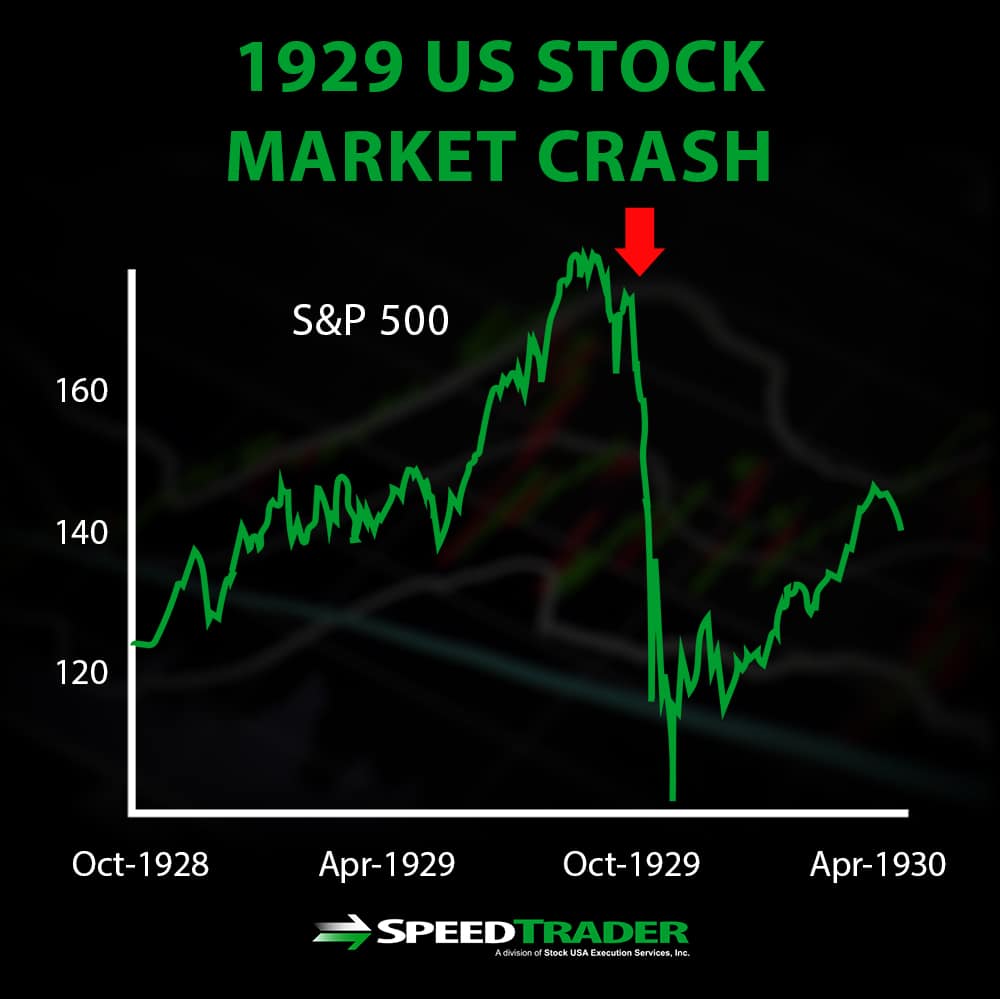
The 1929 crash remains the gold standard for financial catastrophes. At its core, the crash was caused by excessive speculation and “buying on margin.” In the Roaring Twenties, everyone from bankers to janitors was pouring money into the stock market, often using borrowed funds. When the bubble burst, the leverage that had amplified gains suddenly amplified losses, leading to a total wipeout of wealth. The lesson for the modern investor is clear: over-leveraging in a speculative environment is a recipe for disaster.
The Great Recession (2008) and Systematic Financial Failure
Unlike 1929, the 2008 crash was rooted in the housing market and complex financial instruments known as mortgage-backed securities. When the housing bubble burst, it triggered a liquidity crisis. Banks stopped lending to one another because they didn’t know which institutions held “toxic” assets. This crash highlighted how interconnected the global financial system is; a failure in one niche (subprime mortgages) can bring down the entire global stock market.
The 2020 Flash Crash and the Black Swan Event
The COVID-19 crash of March 2020 was a classic “Black Swan”—an unpredictable event with severe consequences. This crash wasn’t caused by a failure of the financial system itself, but by an external shock that forced a global economic shutdown. It demonstrated that even the most robust portfolios are vulnerable to geopolitical and biological events that disrupt the flow of labor and capital.
Economic Fundamentals: The Invisible Hands Behind the Decline
While history provides the context, economic fundamentals provide the mechanics. Stock prices, at their most basic level, are a reflection of future expected earnings. When the economic environment changes so that those earnings look less likely, the market must “reprice” itself, often violently.
Inflationary Pressures and Interest Rate Hikes
The most common catalyst for a modern market downturn is the relationship between inflation and interest rates. When inflation rises, the Federal Reserve (or other central banks) raises interest rates to cool the economy. For the stock market, high interest rates are “gravity.” They make borrowing more expensive for companies, which eats into profits. Furthermore, higher rates make “safe” investments like Treasury bonds more attractive than “risky” stocks. When the Fed moves too aggressively, investors flee stocks, causing prices to plummet.
Corporate Earnings and Growth Stagnation
Stock valuations are often based on growth projections. If a tech giant is trading at 50 times its earnings, the market is assuming that the company will grow significantly in the coming years. If a series of quarterly reports show that growth is slowing—perhaps due to market saturation or increased competition—the stock price will collapse to reflect its new, slower reality. When this happens across an entire sector, it can pull the whole market down.

Geopolitical Instability and Global Supply Chains
In a globalized economy, “Money” knows no borders. Conflict in the Middle East or trade wars between the U.S. and China can disrupt the supply of essential commodities like oil or semiconductors. When supply chains break, costs rise and production slows. Investors hate uncertainty; when they cannot predict the cost of doing business six months down the line, they tend to move their capital into “safe-haven” assets like gold or cash, leading to a market sell-off.
Technical and Psychological Triggers: When the Numbers Take Control
Sometimes, a market crash isn’t just about the “real” economy; it’s about the internal plumbing of the stock market itself. Modern markets are faster and more automated than ever before, which creates new risks.
The Dominance of Algorithmic and High-Frequency Trading
A significant portion of daily trading volume is now handled by algorithms. These bots are programmed to sell when certain price thresholds are hit. In a downward trend, these “sell” orders can trigger other algorithms to sell, creating a feedback loop that causes the market to drop hundreds of points in minutes. This is often referred to as a “flash crash,” where the speed of the decline far outpaces any human decision-making.
Margin Calls and the Forced Liquidations Loop
When investors buy stocks with borrowed money (margin), they must maintain a certain amount of equity in their accounts. If stock prices drop significantly, brokers issue “margin calls,” demanding that the investor deposit more cash or sell their stocks. If the investor doesn’t have the cash, the broker sells the stocks automatically. This “forced selling” puts even more downward pressure on prices, leading to more margin calls for other investors—a cascading effect that can turn a correction into a full-scale crash.
Herd Mentality and the Psychology of Fear
Investing is as much about psychology as it is about math. Behavioral finance shows that humans are “loss averse”—we feel the pain of a loss twice as much as the joy of a gain. When the market starts to dip, fear takes over. Even if the underlying companies are healthy, investors may sell simply because they see everyone else selling. This “herd mentality” turns a rational valuation adjustment into an irrational panic.
Building a Resilient Portfolio: How to Navigate a Downturn
For the individual focused on “Money” and wealth preservation, the goal isn’t to predict when a crash will happen—market timing is notoriously difficult. Instead, the goal is to build a portfolio that can survive the crash and thrive during the eventual recovery.
Diversification Across Asset Classes
The oldest rule in finance remains the most important: don’t put all your eggs in one basket. A resilient portfolio includes a mix of equities, fixed income (bonds), real estate, and perhaps alternative assets like commodities. While a stock market crash might hurt your equity holdings, your bond or gold holdings may hold steady or even increase in value, cushioning the blow to your total net worth.
The Importance of Cash Reserves and Liquidity
The biggest mistake an investor can make is being forced to sell during a crash because they need money for living expenses. Maintaining an “emergency fund”—ideally 6 to 12 months of living expenses in a high-yield savings account—ensures that you never have to liquidate your portfolio at the bottom of a cycle. Furthermore, having “dry powder” (excess cash) during a crash allows you to buy high-quality companies at a discount.
Long-Term Horizon vs. Short-Term Noise
Finally, the most powerful tool in your financial arsenal is time. Historically, the stock market has recovered from every single crash it has ever faced. If you are investing for a retirement that is 20 years away, a crash today is merely a “blip” on a long-term chart. By practicing Dollar Cost Averaging (DCA)—investing a set amount of money at regular intervals—you actually benefit from market crashes because your monthly investment buys more shares when prices are low.
In conclusion, the stock market crashes because of a complex interplay of high interest rates, slowing corporate growth, technical trading loops, and human fear. While these events are inevitable, they are not insurmountable. By understanding the mechanics of “Money” and maintaining a disciplined, diversified approach, you can transform a market crash from a financial disaster into a long-term growth opportunity.
aViewFromTheCave is a participant in the Amazon Services LLC Associates Program, an affiliate advertising program designed to provide a means for sites to earn advertising fees by advertising and linking to Amazon.com. Amazon, the Amazon logo, AmazonSupply, and the AmazonSupply logo are trademarks of Amazon.com, Inc. or its affiliates. As an Amazon Associate we earn affiliate commissions from qualifying purchases.