
For the modern investor, the question “What time is the market open?” is rarely as simple as a single opening bell. In an era of globalized finance and 24-hour news cycles, the world’s financial markets operate across a complex tapestry of time zones, trading sessions, and regulatory frameworks. Understanding these hours is not merely a matter of logistics; it is a fundamental component of a successful investment strategy. Whether you are a day trader looking for peak volatility or a long-term investor monitoring your portfolio, knowing when liquidity is at its highest—and when the markets are dormant—can significantly impact your execution prices and overall returns.
Understanding Standard Market Hours in the United States
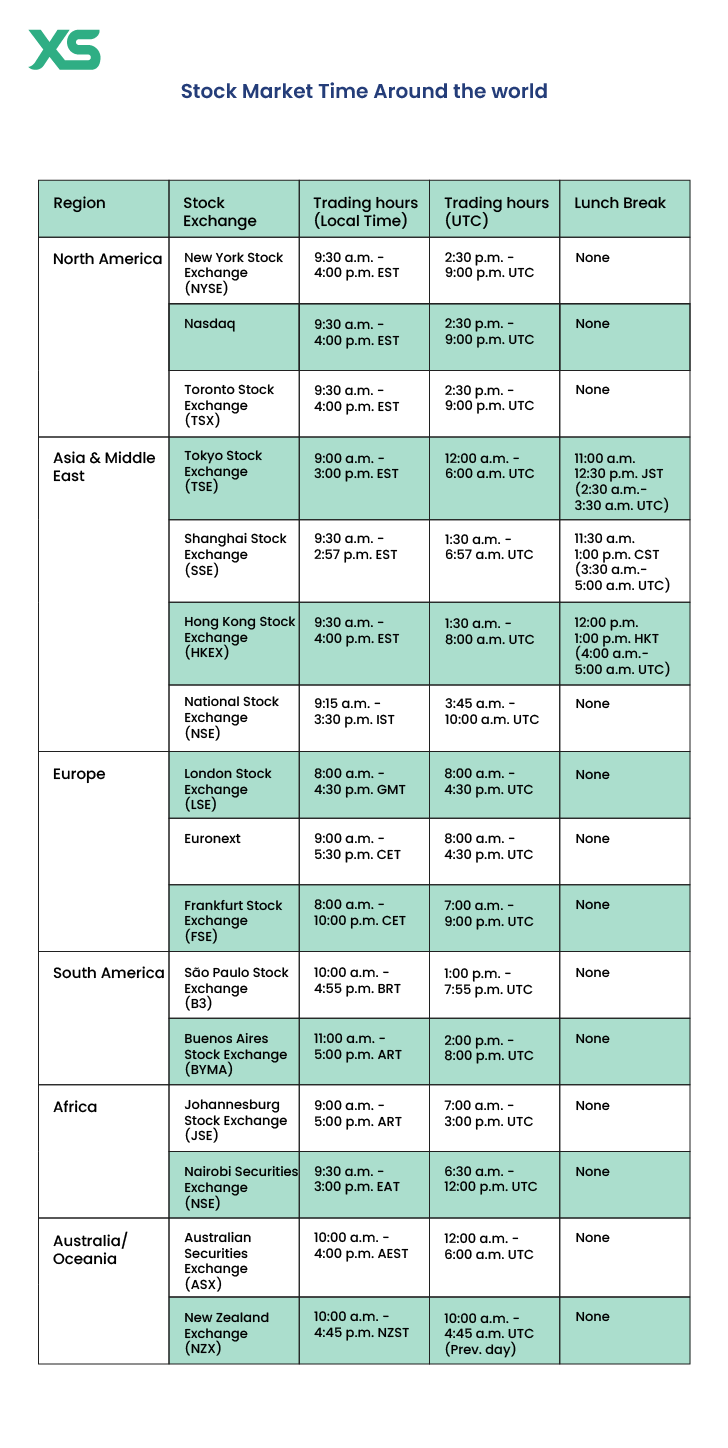
The epicenter of global equity trading remains the United States, primarily through two major exchanges: the New York Stock Exchange (NYSE) and the NASDAQ. For most retail investors, “market hours” refer to the period when these exchanges are fully operational and accessible through standard brokerage accounts.
The New York Stock Exchange (NYSE) and NASDAQ
The core trading session for the U.S. stock market begins at 9:30 AM Eastern Time (ET) and concludes at 4:00 PM ET, Monday through Friday. These hours represent the period of highest liquidity, where the majority of trading volume occurs. During this window, bid-ask spreads—the difference between the price a buyer is willing to pay and the price a seller is willing to accept—are typically at their narrowest. This makes it the most cost-effective time for individual investors to enter or exit positions.
While both the NYSE (a physical and electronic hybrid exchange) and the NASDAQ (an entirely electronic exchange) follow the same schedule, they handle the opening process differently. The NYSE utilizes “Designated Market Makers” to facilitate a smooth opening auction, whereas the NASDAQ relies on a sophisticated automated “Opening Cross” to determine the day’s initial prices based on accumulated orders.
The Significance of the Opening and Closing Bells
The first and last 30 minutes of the trading day are often referred to as the most volatile and high-volume periods. The “Opening Bell” at 9:30 AM triggers a flood of orders that have accumulated overnight, reacting to news, earnings reports, or international market movements that occurred while the U.S. markets were closed.
Similarly, the “Closing Bell” at 4:00 PM marks the “Power Hour.” This is when institutional investors, mutual funds, and ETFs often rebalance their portfolios. For the individual investor, these windows offer the greatest opportunity for price movement but also carry the highest risk due to rapid fluctuations. Understanding that the market is “open” doesn’t just mean you can trade; it means you are entering a specific environment of liquidity and sentiment.
Extended Trading Sessions: Pre-Market and After-Hours Trading
In the digital age, the 9:30 AM to 4:00 PM window is no longer the only time investors can participate. Electronic Communication Networks (ECNs) have enabled “extended-hours trading,” allowing participants to buy and sell securities before the official open and after the official close.
Opportunities and Risks for Retail Investors
Pre-market trading in the U.S. typically begins as early as 4:00 AM ET and runs until the official opening at 9:30 AM. After-hours trading begins at 4:00 PM ET and can last until 8:00 PM ET. These sessions are crucial for reacting to corporate developments. Since most public companies release their quarterly earnings reports either before the market opens or after it closes, extended hours allow investors to trade immediately on that information rather than waiting for the next day’s opening bell.
However, extended trading comes with significant caveats. The primary risk is a lack of liquidity. Because there are fewer participants, the volume of shares being traded is much lower than during regular hours. This often results in much wider bid-ask spreads, meaning you might have to pay significantly more to buy a stock or receive significantly less when selling it compared to the “fair” market value.
How Liquidity and Volatility Change Outside Regular Hours
Volatility is a double-edged sword in extended-hours trading. While it allows for rapid profit if a stock jumps on news, it also means prices can swing wildly on very little volume. A single large order can move a stock’s price by several percentage points in the pre-market, a move that might be instantly reversed once the high-volume regular session begins. Most financial advisors recommend that retail investors use “limit orders” during these times—specifying the exact price they are willing to accept—rather than “market orders,” to avoid being caught by these erratic price swings.
Global Market Sessions: Trading Around the Clock
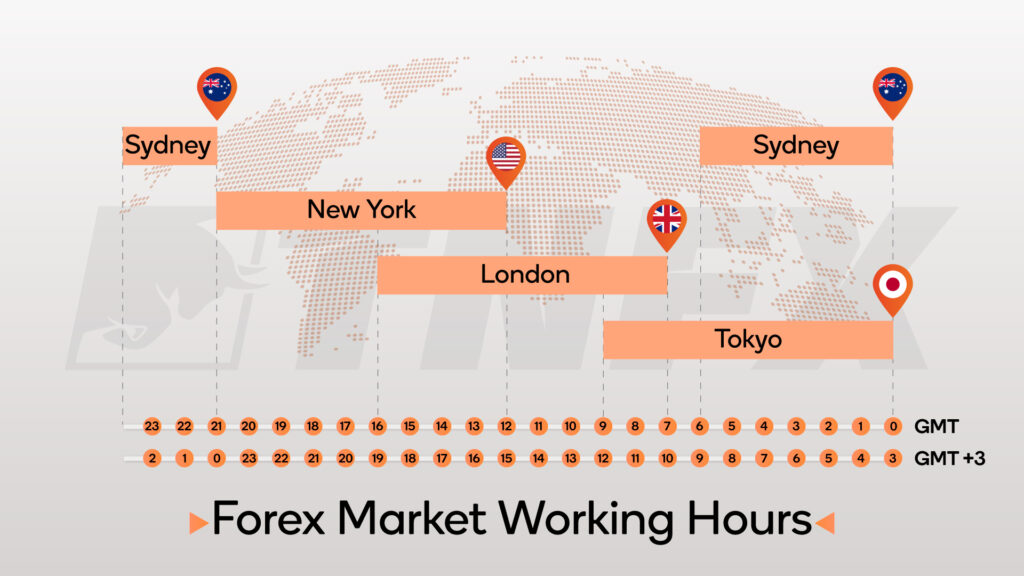
While the U.S. markets are the largest, the global financial system is a relay race that never truly stops. As one market closes, another is usually preparing to open, creating a 24-hour cycle of price discovery.
The Asian Session: Tokyo, Hong Kong, and Sydney
The global trading day technically begins in the East. The Tokyo Stock Exchange (TSE) is a major hub, usually operating from 9:00 AM to 3:00 PM local time (with a lunch break, a feature notably absent in U.S. markets). Shortly after, the Hong Kong and Shanghai markets open. For Western investors, these sessions are critical indicators of global sentiment, particularly in the tech and manufacturing sectors. If the Hang Seng index in Hong Kong drops significantly overnight, it often sets a bearish tone for the European and U.S. openings that follow.
The European Session: London and Frankfurt
The European markets bridge the gap between Asia and North America. The London Stock Exchange (LSE) is one of the most influential, opening at 8:00 AM local time and closing at 4:30 PM. Because London is a global hub for currency trading and commodities, the movements here frequently dictate the early morning direction of U.S. futures. The Frankfurt Stock Exchange (DAX) in Germany also plays a pivotal role, representing the industrial powerhouse of the Eurozone.
Market Overlaps and Their Impact on Volatility
One of the most important periods for any global investor is the “Overlap.” Between roughly 8:00 AM ET and 11:30 AM ET, both the European and U.S. markets are open simultaneously. This is the period of the highest global liquidity. Large institutional trades that involve multi-currency transactions often happen during this window. For traders, this overlap often provides the cleanest price action and the most reliable trends, as the maximum number of participants are active in the market.
Holiday Schedules and Early Closures
Just as important as knowing when the market opens is knowing when it is closed. The U.S. stock markets follow a specific holiday schedule that differs slightly from the standard federal holiday calendar.
Major Market Holidays to Watch
The NYSE and NASDAQ are closed on major holidays including New Year’s Day, Martin Luther King Jr. Day, Washington’s Birthday (Presidents’ Day), Good Friday, Memorial Day, Juneteenth National Independence Day, Independence Day, Labor Day, Thanksgiving Day, and Christmas Day.
It is a common mistake for novice investors to assume that if the banks are open, the markets are open. For instance, the bond market often closes on Columbus Day and Veterans Day, while the stock market remains fully operational. Keeping a “Market Holiday Calendar” is a simple but essential step in financial planning to avoid the frustration of attempting to execute a time-sensitive trade on a day when the exchanges are dormant.
Half-Day Sessions and Trading Strategy
The U.S. markets also observe “early closures,” typically at 1:00 PM ET. These usually occur on the day after Thanksgiving (Black Friday) and sometimes on Christmas Eve or July 3rd, depending on which day of the week the holiday falls. Trading volume on these days is notoriously thin. Many professional traders choose to stay on the sidelines during half-day sessions, as the low volume can lead to “drift”—where stock prices move in a direction that doesn’t necessarily reflect underlying value but rather the lack of active participants.
Optimizing Your Trading Schedule for Success
Knowing the clock is a tool for risk management. Successful investing is as much about when you trade as it is about what you trade.
The Best Times of Day to Place Trades
For the average long-term investor, the best time to trade is usually mid-morning, between 10:30 AM and 12:00 PM ET. By this time, the initial volatility of the opening bell has subsided, the market has “digested” the overnight news, and price discovery has stabilized.
Conversely, the “lunchtime lull” (12:00 PM to 2:00 PM ET) often sees a decrease in volume as floor traders and institutional desks take breaks. Prices may stagnate or wander aimlessly during this time. For those looking for excitement and rapid moves, the final hour (3:00 PM to 4:00 PM ET) provides the momentum needed for short-term gains, though it requires a higher tolerance for risk.
Tools and Apps for Tracking Market Hours
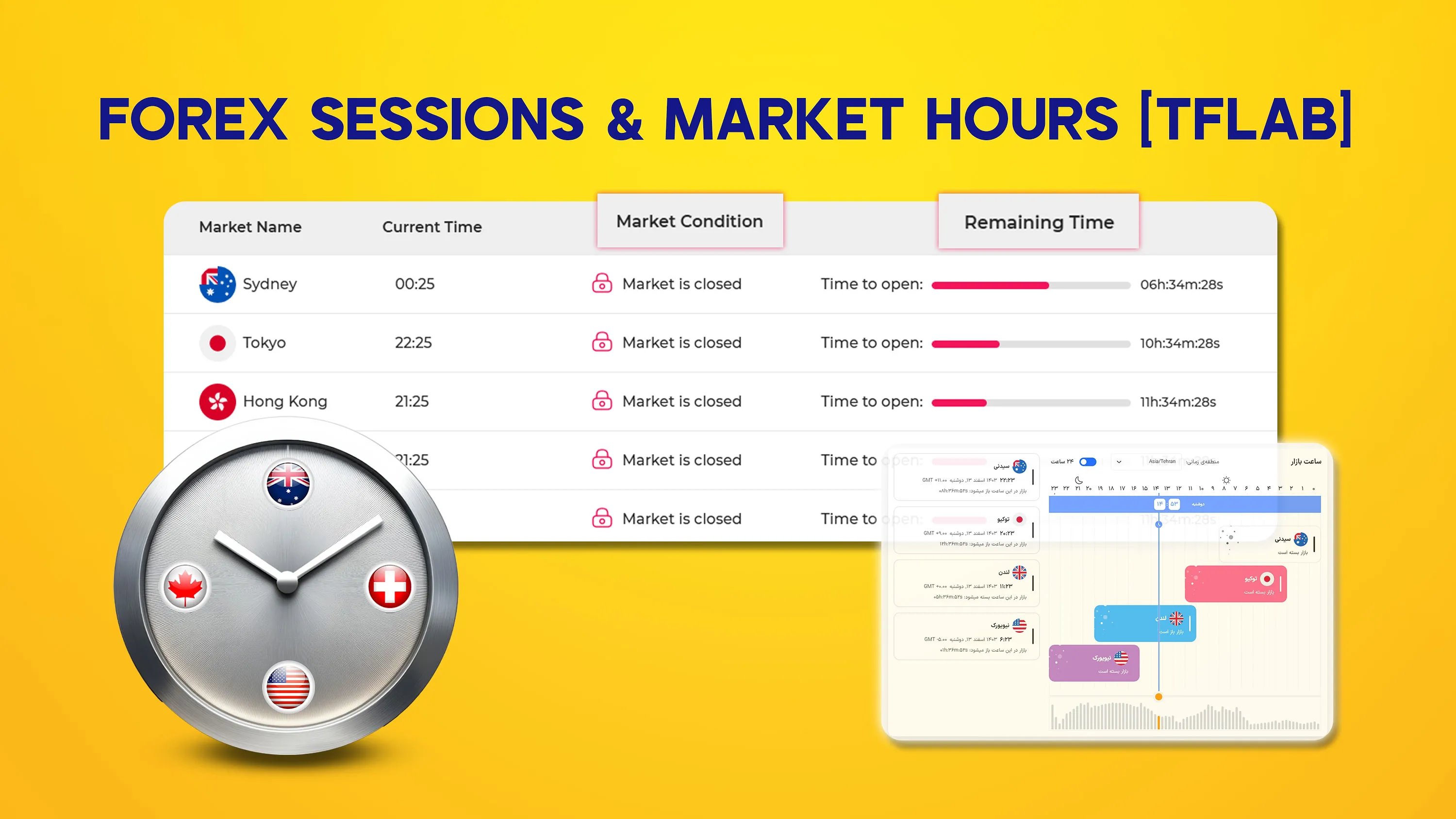
In today’s fintech ecosystem, investors have access to numerous tools to manage these timelines. Most brokerage apps (such as Schwab, Fidelity, or Robinhood) provide “Market Status” indicators and countdowns to the opening bell. Additionally, financial websites offer “Global Market Clocks” that show which international exchanges are currently active. Leveraging these tools ensures that you are never caught off guard by a market closure or an unexpected period of low liquidity, allowing you to manage your capital with the precision that modern finance demands.
By mastering the rhythm of the market—from the pre-market jitters to the closing bell’s finality—you position yourself to make more informed, deliberate, and ultimately profitable financial decisions.
aViewFromTheCave is a participant in the Amazon Services LLC Associates Program, an affiliate advertising program designed to provide a means for sites to earn advertising fees by advertising and linking to Amazon.com. Amazon, the Amazon logo, AmazonSupply, and the AmazonSupply logo are trademarks of Amazon.com, Inc. or its affiliates. As an Amazon Associate we earn affiliate commissions from qualifying purchases.