
Car insurance is a mandatory expense for vehicle owners in most parts of the world, yet its cost can vary wildly, leaving many drivers wondering if they’re paying too much. The quest for affordable car insurance isn’t just about saving money; it’s about making informed decisions to ensure adequate protection without breaking the bank. While there’s no single, universally cheap insurance provider, certain profiles and circumstances consistently lead to lower premiums. Understanding the intricate web of factors that insurers consider is the first step toward demystifying pricing and identifying who typically qualifies for the most budget-friendly rates. This article will dissect these key determinants, offer actionable strategies, and ultimately reveal the characteristics of drivers and situations most likely to secure the cheapest car insurance.
The Core Determinants of Insurance Premiums: Unpacking Driver Profiles and Behaviors
Insurance companies are masters of risk assessment. Every aspect of a policyholder’s profile, from their age to their driving habits, is meticulously analyzed to predict the likelihood of a claim. Those deemed lower risk are rewarded with more favorable rates.
Driver Demographics: Age, Marital Status, and Experience
Age is arguably one of the most significant factors influencing car insurance premiums. Statistically, young drivers—especially those under 25—face the highest rates due to their lack of experience and a higher propensity for accidents. As drivers mature and gain more years behind the wheel without incidents, their rates tend to decrease significantly. The sweet spot for lower premiums often begins around age 25 and continues into middle age, assuming a clean driving record. Conversely, while older drivers over 65 also typically enjoy lower rates for their experience, some might see a slight increase as they age further due to potential health-related risks, though this is less pronounced than the high rates for young drivers.
Marital status also plays a role. Married individuals are often viewed as more stable and less prone to risky driving behaviors than their single counterparts, leading to statistically lower accident rates. This perceived stability frequently translates into slightly lower insurance premiums for married couples. Furthermore, some insurers offer discounts for bundling policies (e.g., home and auto) which is more common among married homeowners.
Driving Record and Experience
Perhaps the most intuitive factor is a driver’s record. A clean driving history—devoid of accidents, traffic violations (speeding tickets, DUIs), and claims—is the gold standard for cheap car insurance. Every infraction, especially major ones like a DUI, can drastically increase premiums and stay on a record for several years, impacting rates long after the incident. Insurers use your driving history to gauge your future risk profile. Drivers with a consistent record of safe driving over many years are demonstrably less risky to insure and are thus rewarded with the lowest rates. Conversely, a history of frequent claims, even if not your fault, can flag you as a higher risk due to your environment or exposure.
The sheer volume of driving experience is also critical. Someone who has held a license for 15 years without incident is generally considered less risky than someone with a license for 3 years, even if both have clean records. This accumulated experience suggests a deeper understanding of road dynamics and hazard avoidance. Some insurers also offer discounts for completing approved defensive driving courses, demonstrating a proactive approach to safety that further mitigates perceived risk.
Vehicle Type, Usage, and Safety Features
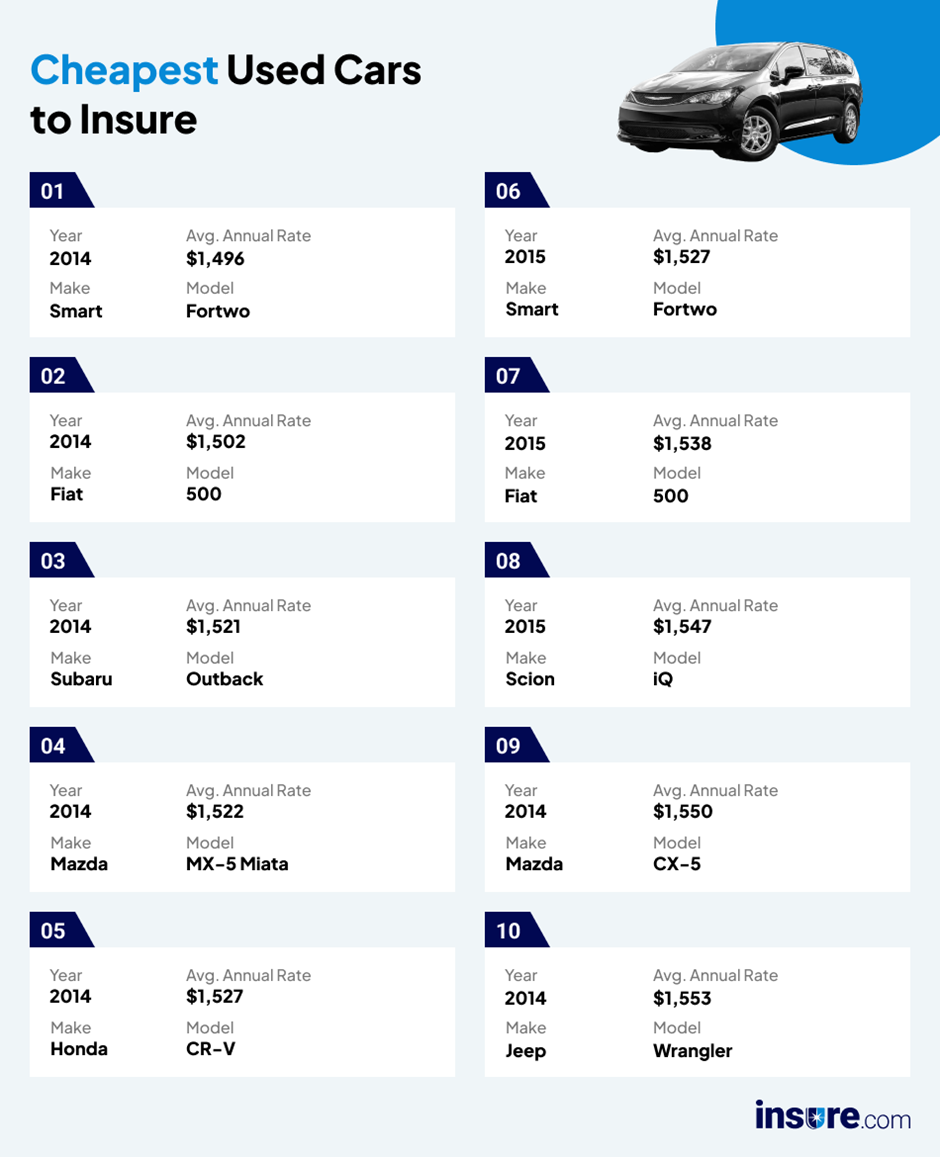
The car you drive significantly impacts your insurance costs. Insurers assess vehicles based on their safety ratings, theft rates, repair costs, and overall market value.
- Safety: Vehicles with higher safety ratings (e.g., strong crash test results, advanced safety features like automatic emergency braking, lane-keeping assist) are generally cheaper to insure because they reduce the likelihood and severity of injuries in an accident.
- Repair Costs: Luxury, high-performance, or exotic cars are more expensive to repair due to specialized parts and labor, leading to higher comprehensive and collision premiums. Common, mid-range sedans or SUVs with readily available parts tend to be cheaper to insure.
- Theft Rates: Cars frequently targeted by thieves will have higher comprehensive coverage costs.
- Usage: How much you drive and for what purpose also matters. A car used for daily commuting 50 miles each way will typically have higher premiums than a car driven only on weekends for leisure, simply because more time on the road increases exposure to risk. Low annual mileage often qualifies for discounts. Similarly, where the car is parked overnight (e.g., securely garaged vs. street parking in a high-crime area) can affect rates.
Geographic Location: A Hidden Cost Factor
Where you live, work, and park your car can profoundly influence your car insurance premiums. This factor is often overlooked but plays a critical role in an insurer’s risk assessment.
Urban vs. Rural Differences
Generally, drivers living in densely populated urban areas face higher insurance rates than those in rural or suburban settings. This disparity stems from several factors inherent to city life:
- Higher Traffic Density: More cars on the road mean a greater likelihood of accidents, fender benders, and congestion-related incidents.
- Increased Theft and Vandalism: Urban environments often have higher crime rates, leading to more claims related to stolen vehicles or damage from vandalism.
- Higher Repair Costs: Garages and repair shops in cities often have higher overheads, which translate into more expensive repairs.
- Uninsured Drivers: Some urban areas have a higher percentage of uninsured motorists, increasing the risk for insured drivers who might be involved in an accident with one.
Conversely, rural areas, with less traffic, lower crime rates, and fewer complex driving scenarios, typically enjoy lower insurance premiums.
Local Regulations and Catastrophic Risk
State and local regulations dictate minimum coverage requirements, which can vary significantly and affect baseline costs. For instance, “no-fault” states often have higher personal injury protection (PIP) requirements, leading to higher premiums compared to “at-fault” states.
Beyond regulations, environmental factors and localized risks also impact rates. Areas prone to natural disasters like hurricanes, floods, wildfires, or hailstorms will see higher comprehensive coverage costs due to the increased probability of weather-related claims. Similarly, regions with higher litigation rates following accidents might also experience elevated premiums. Insurers meticulously map these risks down to specific zip codes, which is why moving just a few miles can sometimes surprisingly alter your premium.
Leveraging Discounts and Policy Customization: Tailoring Your Savings

Even if your demographic profile or location isn’t ideal for the cheapest rates, strategic use of discounts and smart policy customization can significantly reduce your premiums.
Common Discount Opportunities
Most insurers offer a plethora of discounts, and proactively seeking them out is crucial:
- Multi-Policy/Bundling Discount: One of the most common and effective ways to save is by purchasing multiple insurance policies (e.g., auto, home, renters, life) from the same provider.
- Multi-Car Discount: Insuring more than one vehicle on the same policy usually results in a discount for each car.
- Good Student Discount: High school and college students who maintain a certain GPA often qualify for discounts, acknowledging that academic responsibility can correlate with responsible driving.
- Occupational Discounts: Some professions (e.g., teachers, military personnel, first responders, engineers) may qualify for special rates or group discounts through their employers or affiliations.
- Telematics/Usage-Based Insurance (UBI): Many insurers offer programs where a device or app tracks your driving habits (speed, braking, mileage, time of day). Safe drivers who opt into these programs can receive substantial discounts.
- Vehicle Safety Features: Cars equipped with advanced safety features like anti-lock brakes, airbags, anti-theft devices, automatic emergency braking, or lane-departure warning systems often qualify for discounts.
- Paying in Full: Paying your entire annual or semi-annual premium upfront, rather than in monthly installments, can often waive installment fees and sometimes even include a small discount.
- Loyalty Discounts: Staying with the same insurer for an extended period can sometimes earn you a loyalty discount, though this should always be weighed against competitive quotes from other providers.
Tailoring Your Coverage: Deductibles and Limits
Customizing your policy to fit your actual needs is another powerful way to control costs.
- Choose a Higher Deductible: Your deductible is the amount you pay out-of-pocket before your insurance kicks in for collision or comprehensive claims. Opting for a higher deductible (e.g., $1,000 instead of $500) will lower your monthly or annual premium significantly. However, ensure you can comfortably afford to pay the deductible should you need to file a claim.
- Review Coverage Limits: While it’s essential to have adequate liability coverage to protect your assets in the event of an at-fault accident, consistently review your comprehensive and collision coverage. If you own an older car with low market value, the cost of comprehensive and collision coverage might outweigh the potential payout after factoring in your deductible. In such cases, dropping these coverages could be a cost-effective choice. Always ensure you meet your state’s minimum liability requirements and consider increasing it beyond the minimum if you have significant assets to protect.
- Avoid Unnecessary Add-ons: Review your policy for add-ons like rental car reimbursement, roadside assistance, or GAP insurance. While valuable for some, if you have alternative roadside assistance (e.g., through a credit card or auto club) or a reliable second car, you might not need certain extra coverages. GAP insurance, specifically, is often only necessary for newer cars with loans, where the loan amount might exceed the car’s depreciated value.
The Power of Comparison and Regular Review: Your Best Strategy for Savings
Even with an “ideal” driver profile and diligent use of discounts, complacency can be expensive. The insurance market is highly competitive, and rates are constantly changing.
Shopping Around: Beyond Your Current Provider
This is arguably the single most effective strategy for finding the cheapest car insurance. Do not assume loyalty to your current insurer automatically guarantees the best rate.
- Get Multiple Quotes: Annually, or whenever a significant life event occurs (moving, buying a new car, getting married), take the time to compare quotes from at least 3-5 different insurance companies. Each insurer uses proprietary algorithms, and what might be expensive with one could be surprisingly affordable with another, even for the same coverage.
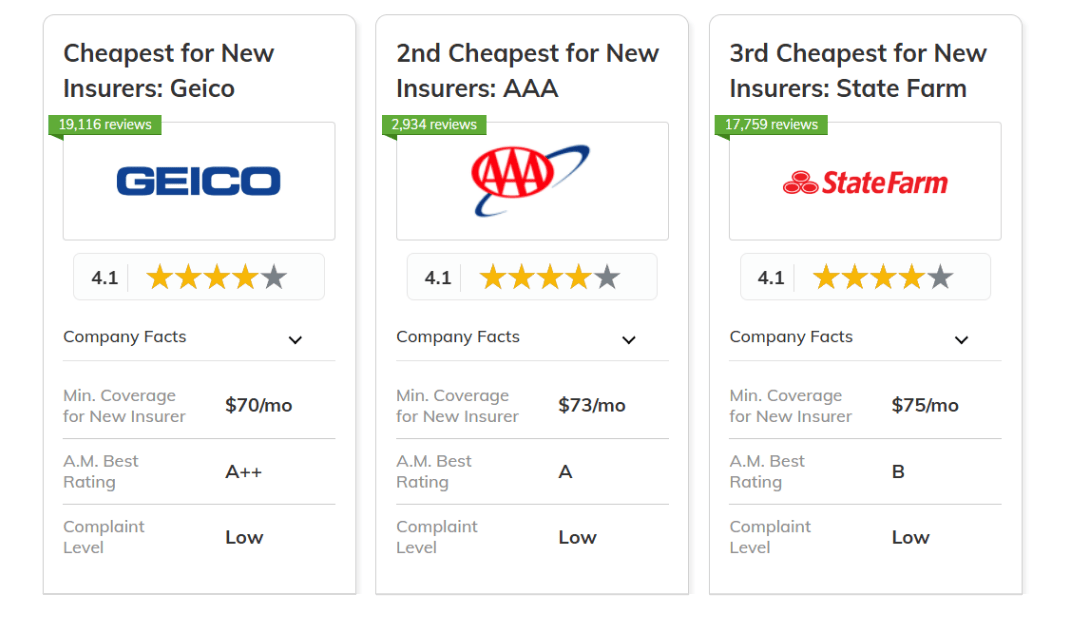
- Utilize Comparison Websites and Independent Agents: Online comparison tools can quickly provide quotes from multiple providers. Alternatively, an independent insurance agent can shop around for you, representing several companies to find the best fit and price. A captive agent, on the other hand, works for a single company (e.g., State Farm, Allstate) and can only offer their products.
- Don’t Just Look at Price: While the goal is cheap insurance, ensure you’re comparing apples to apples. Verify that the coverage limits, deductibles, and included features are similar across all quotes to make a fair assessment. The cheapest policy isn’t always the best if it leaves you underinsured.
Understanding Your Policy: A Deeper Dive
Beyond just the premium, understanding the details of your policy is paramount.
- Read the Fine Print: Familiarize yourself with your policy’s terms, exclusions, and claim process. Knowledge is power, and it ensures you’re not caught off guard should you need to file a claim.
- Impact of Claims: Be aware that filing a claim, even for minor incidents, can potentially increase your premiums in subsequent policy periods. For very small repairs, sometimes paying out of pocket might be more cost-effective in the long run than involving your insurer and seeing your “claims-free” discount disappear.
- Regular Policy Review: Your life changes, and so should your insurance. Review your policy annually to ensure it still meets your needs. Have you added safety features to your car? Reduced your annual mileage? Paid off your car loan? These changes could warrant a re-evaluation of your coverage and potentially lead to lower premiums.
Who Actually Tends to Pay Less? The Profile of the Preferred Insured
Synthesizing all these factors, a clear profile emerges for the individual or household most likely to secure the cheapest car insurance rates. It’s not about a single magic bullet but a confluence of favorable circumstances and proactive management.
The “Ideal” Driver Profile for Low Premiums
The driver who typically has the cheapest car insurance embodies a combination of low risk and smart financial habits:
- Age and Experience: Someone aged 25-65, with many years of driving experience and a long-standing clean driving record (no accidents, no tickets, no claims).
- Marital Status: Married individuals often receive slightly lower rates.
- Vehicle Choice: Driving a safe, moderately priced, commonly available sedan or SUV with good safety ratings and low theft appeal. The vehicle is paid off or has minimal loan balance.
- Geographic Location: Living in a suburban or rural area with low traffic density, low crime rates, and minimal risk of natural disasters.
- Credit Score: (Where legally permitted as a rating factor) Possessing an excellent credit score, which insurers correlate with responsible financial behavior and a lower likelihood of filing claims.
- Proactive Management: Consistently seeking out and applying for all eligible discounts, opting for a higher deductible they can afford, regularly reviewing their policy, and shopping around for competitive quotes at least once a year. They also leverage telematics programs to prove their safe driving habits.
- Multi-Policy Bundling: They consolidate their insurance needs (home, auto, life) with a single provider to maximize multi-policy discounts.
It’s Not Just One Factor: A Holistic View
It’s important to reiterate that no single factor guarantees the cheapest rates. Insurance pricing is a holistic assessment. A young driver with an impeccable record and a safe car in a rural area might still pay more than an older driver with a minor infraction living in a denser urban setting, simply because their age demographic places them in a higher risk bracket overall. The interplay of all these elements—demographics, driving history, vehicle type, location, and active policy management—collectively determines the final premium.
Ultimately, the cheapest car insurance isn’t passively granted; it’s actively earned through a combination of responsible choices, diligent research, and a clear understanding of the insurance landscape.
Conclusion
The pursuit of the cheapest car insurance is a continuous journey that rewards informed decision-making and proactive management. While certain demographic profiles, such as experienced, married drivers with clean records living in lower-risk areas, are inherently positioned to receive the most favorable rates, every driver possesses the power to significantly reduce their premiums. By meticulously maintaining a spotless driving history, wisely selecting their vehicle, strategically leveraging a multitude of available discounts, and diligently comparing quotes from various providers on a regular basis, individuals can navigate the complex world of car insurance to secure optimal coverage at the lowest possible cost. Understanding who normally has the cheapest car insurance isn’t just about identifying a specific group; it’s about internalizing the factors that drive those lower costs and applying those principles to your own financial strategy, ensuring you’re always getting the best value for your essential auto protection.
aViewFromTheCave is a participant in the Amazon Services LLC Associates Program, an affiliate advertising program designed to provide a means for sites to earn advertising fees by advertising and linking to Amazon.com. Amazon, the Amazon logo, AmazonSupply, and the AmazonSupply logo are trademarks of Amazon.com, Inc. or its affiliates. As an Amazon Associate we earn affiliate commissions from qualifying purchases.