
Navigating the landscape of car insurance can feel like an arduous journey through a labyrinth of policies, premiums, and providers. The seemingly simple question, “Who has the best car insurance?” quickly unravels into a complex inquiry, revealing a truth often overlooked: there is no single “best” car insurance for everyone. Instead, the optimal choice is deeply personal, intricately tied to individual financial situations, risk profiles, driving habits, and long-term financial goals. This article delves into the financial underpinnings of car insurance, guiding you through the strategic process of identifying the provider and policy that offers the most value and security for your unique monetary circumstances. Understanding car insurance isn’t just about fulfilling a legal requirement; it’s a critical component of sound personal finance, protecting your assets and ensuring financial stability in the face of unforeseen events.
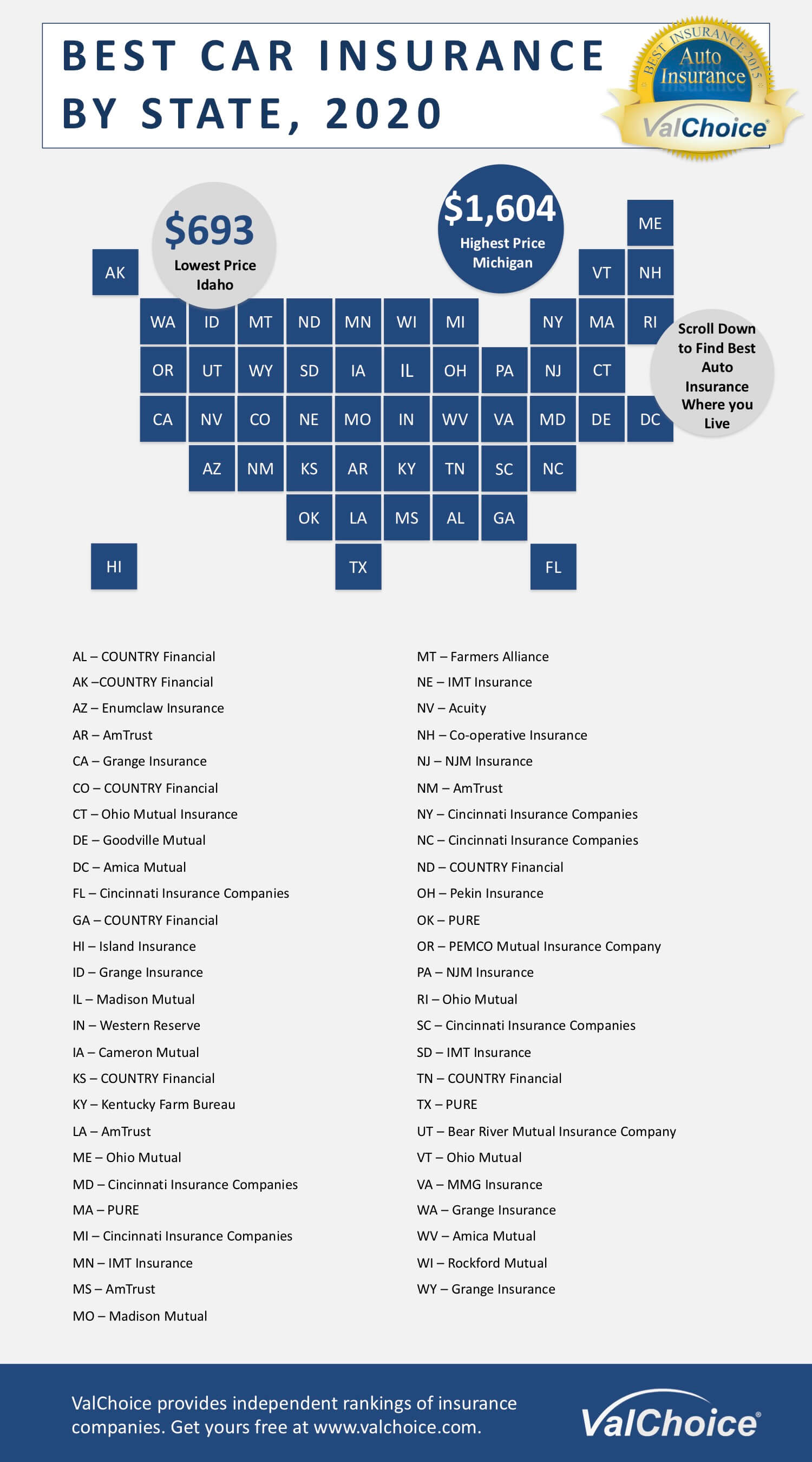
Understanding Your Car Insurance Needs: A Financial Prerequisite
Before even considering providers, a fundamental step in smart financial planning is to thoroughly understand your own car insurance needs. This initial assessment is crucial for tailoring a policy that offers both adequate protection and cost-efficiency, preventing you from overpaying for unnecessary coverage or, worse, being underinsured when it matters most.
Assessing Your Risk Profile and Driving Habits
Your personal risk profile is the bedrock upon which insurance premiums are calculated. Insurers evaluate a multitude of factors to determine how likely you are to file a claim, and consequently, what premium you’ll pay. Your age plays a significant role, with younger, less experienced drivers typically facing higher rates due to statistical evidence of increased accident involvement. Your driving record, a clear indicator of past behavior, directly influences your future premiums; tickets, accidents, and DUIs can substantially elevate costs for years. The type of vehicle you drive also matters – sports cars or luxury vehicles are generally more expensive to insure due to higher repair costs and increased theft risk. Even your geographic location can impact rates, with urban areas often seeing higher premiums due to increased traffic congestion, crime rates, and population density. Finally, how much you drive annually influences risk; lower mileage often translates to lower premiums, reflecting reduced exposure to potential accidents. Financially, understanding these variables allows you to make informed decisions, such as choosing a safer, less expensive car or proactively improving your driving record, all of which contribute to long-term savings.
Evaluating Coverage Types and Limits
A core financial decision in car insurance involves selecting the right types and levels of coverage. Ignoring this step can lead to significant financial exposure in the event of an accident.
- Liability Coverage: This is typically mandated by law and covers damages you cause to others. It includes Bodily Injury Liability (for medical expenses and lost wages of others) and Property Damage Liability (for repairs to another person’s vehicle or property). Choosing higher liability limits, though increasing your premium slightly, offers critical financial protection against potentially ruinous lawsuits. For individuals with significant assets, skimping on liability coverage is a serious financial gamble.
- Collision Coverage: This pays for damage to your own vehicle resulting from a collision with another car or object, regardless of fault.
- Comprehensive Coverage: This covers damage to your car from non-collision events, such as theft, vandalism, fire, natural disasters, or hitting an animal.
- Uninsured/Underinsured Motorist (UM/UIM) Coverage: A vital financial safeguard, UM/UIM protects you if you’re involved in an accident with a driver who has no insurance or insufficient insurance to cover your damages. In many states, a significant percentage of drivers are uninsured, making this coverage a prudent financial investment.
- Personal Injury Protection (PIP) / Medical Payments: These cover medical expenses for you and your passengers after an accident, regardless of fault. PIP may also cover lost wages and essential services.
An often-overlooked financial lever is the deductible. This is the amount you pay out-of-pocket before your insurance kicks in. Opting for a higher deductible typically lowers your premium, but requires you to have a larger emergency fund readily available. Conversely, a lower deductible means higher premiums but less immediate out-of-pocket expense in a claim scenario. Balancing these factors requires a careful assessment of your personal financial liquidity and risk tolerance.
Budgeting for Car Insurance: A Key Financial Decision
Integrating car insurance costs into your overall personal budget is non-negotiable for effective financial planning. Like rent or mortgage payments, insurance premiums are a recurring expense that must be accounted for. Review your monthly or annual premiums and allocate funds accordingly. Consider the impact of payment frequency; while monthly payments offer convenience, paying annually or semi-annually can sometimes unlock small discounts. Furthermore, understand that your insurance costs are dynamic. They can change with renewals, adjustments to your policy, or shifts in your risk profile. Proactive budgeting for potential increases, and regularly comparing rates, ensures that car insurance remains an affordable and stable component of your financial life.
The Financial Playbook for Comparing Car Insurance Providers
Once you understand your needs, the next step involves strategically evaluating the myriad of car insurance providers. This isn’t merely about finding the cheapest option; it’s about identifying the best financial value—a balance of cost, coverage, and reliable service.
Beyond Price: Value vs. Cost in Car Insurance
While the premium quoted is undoubtedly a major factor, fixating solely on the lowest price can be a financial misstep. The “best” car insurance provides excellent value, meaning competitive pricing alongside robust coverage and superior claims service. Consider the financial stability of the insurer; organizations like A.M. Best provide financial strength ratings, indicating an insurer’s ability to meet its policyholder obligations. A company with a strong rating is more likely to process claims efficiently and pay out promptly, preventing you from incurring unexpected out-of-pocket expenses during a stressful time. Customer satisfaction ratings (from sources like J.D. Power) are also invaluable, offering insight into how an insurer handles claims, customer inquiries, and overall policyholder experience. A smooth, hassle-free claims process can save you significant time and potential financial headaches down the line, distinguishing a truly valuable policy from a merely cheap one.
Leveraging Online Comparison Tools and Financial Advisors
In the digital age, comparing car insurance quotes has never been easier. Online comparison websites like NerdWallet, Policygenius, and The Zebra allow you to input your information once and receive multiple quotes from various insurers. These tools are excellent starting points, offering a broad financial overview of the market. However, they don’t always capture every niche discount or all possible policy configurations.
For a more personalized approach, consider working with independent insurance agents. Unlike captive agents who represent a single company, independent agents work with multiple insurers and can shop around on your behalf, often finding bundles or niche policies that might not appear on comparison sites. They can also offer valuable advice on coverage levels and financial planning, ensuring your insurance strategy aligns with your broader financial goals. Consulting with a certified financial planner can also provide an overarching perspective, integrating your car insurance decisions into a holistic financial plan that accounts for wealth protection, budgeting, and asset management.
Understanding Discounts and Maximizing Savings
Car insurance companies offer a multitude of discounts that can significantly reduce your premiums, bolstering your financial health. Being proactive in identifying and applying for these can lead to substantial long-term savings. Common discounts include:
- Multi-Policy/Bundling: Combining car insurance with home, renters, or life insurance from the same provider often yields a discount on all policies. This is a highly effective financial strategy for streamlining expenses and often securing better rates.
- Good Driver: A clean driving record (no accidents or violations for a specified period) is consistently rewarded.
- Good Student: High school or college students maintaining a certain GPA can often qualify for discounts, a small but impactful financial relief for families.
- Low Mileage: If you don’t drive much, you may qualify for a discount.
- Anti-Theft Devices: Installing approved security systems can reduce comprehensive coverage costs.
- Defensive Driving Courses: Completing an approved course can lead to discounts, especially for older drivers.
- Telematics/Usage-Based Insurance (UBI): Many insurers offer programs where a device or app monitors your driving habits (speed, braking, mileage). Safe drivers can earn significant discounts, aligning responsible behavior with financial reward.
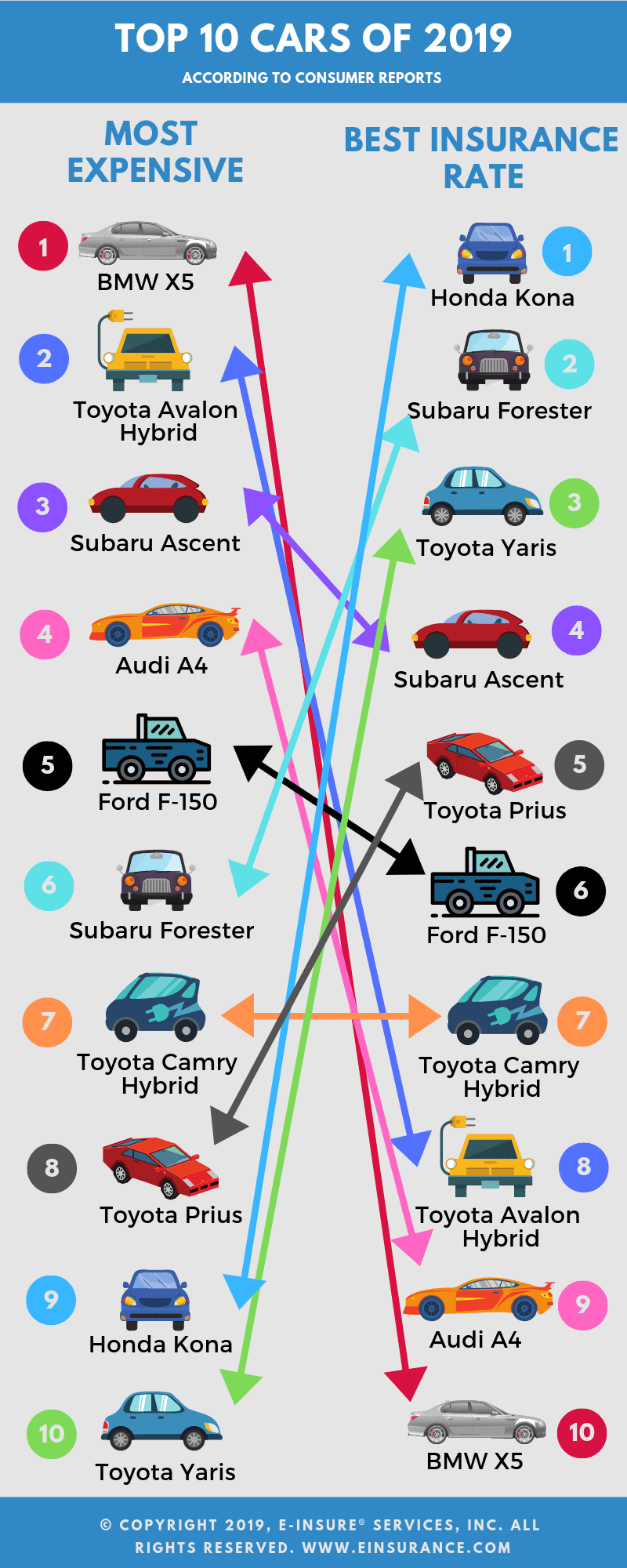
Always inquire about every possible discount when obtaining a quote or renewing your policy. A few minutes of conversation can translate into hundreds of dollars in annual savings, directly impacting your personal finance bottom line.
Key Players in the Car Insurance Market: A Financial Overview
The car insurance market is dominated by a few major players, alongside numerous regional and niche providers. Understanding the general characteristics and financial approaches of these different types of insurers can help you narrow down your search.
Major National Providers and Their Offerings
Companies like GEICO, Progressive, State Farm, Allstate, USAA, Farmers, and Liberty Mutual command significant market share. Each has developed a distinct financial and service model:
- GEICO and Progressive: Known for their strong online presence and competitive pricing, often appealing to tech-savvy consumers looking for quick quotes and straightforward policies. They frequently offer extensive discounts and telematics programs.
- State Farm and Allstate: Characterized by their large networks of local agents, providing a more personalized, face-to-face service experience. This model can be attractive for those who prefer an advisor to guide them through complex financial decisions and claims processes.
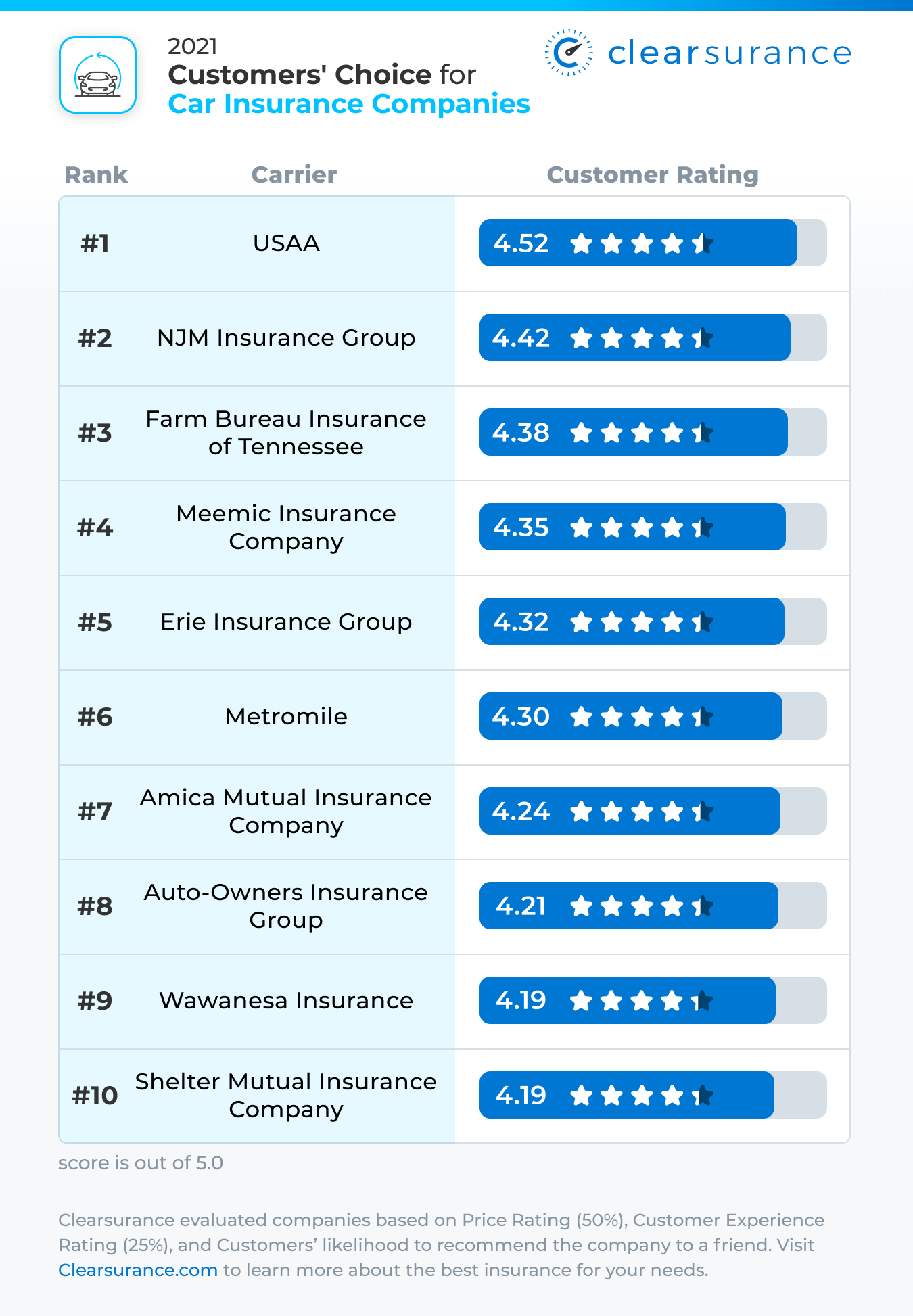
- USAA: Highly regarded for its exceptional customer service and competitive rates, exclusively serving military personnel, veterans, and their families. Their strong financial ratings and policyholder satisfaction make them a top choice within their eligible demographic.
- Farmers and Liberty Mutual: Offer a comprehensive range of insurance products and often emphasize bundling options, appealing to customers seeking to consolidate their insurance needs with one provider for potential financial savings.
When evaluating these providers, consider their financial stability, claims processing efficiency, and customer service reputation, as these are critical indicators of the value you’ll receive beyond just the premium cost.
Regional and Niche Insurers: Exploring Hidden Value
Beyond the national giants, a landscape of regional and niche insurers offers specialized policies that might present unexpected financial advantages. Local companies sometimes offer more competitive rates within specific geographical areas, benefiting from lower overheads or a more granular understanding of local risk factors. Niche insurers cater to specific demographics or vehicle types, such as classic car insurance (which considers different risk factors than standard vehicles) or high-risk driver insurance. For individuals with unique circumstances, exploring these specialized providers can lead to tailor-made policies that offer superior coverage and potentially better value than a one-size-fits-all national policy. This requires a bit more research but can pay significant financial dividends.
Direct-to-Consumer vs. Agent-Assisted Models: Financial Implications
The choice between purchasing insurance directly from a company (online or by phone) and using an agent carries distinct financial implications.
- Direct-to-Consumer Models: Companies like GEICO and Progressive often operate primarily on a direct model, which can lead to cost savings by cutting out agent commissions. This model appeals to financially savvy consumers comfortable with online research and managing their policies digitally. The convenience of 24/7 online access and quick quotes are also major draws.
- Agent-Assisted Models: Insurers like State Farm and Allstate rely heavily on local agents. While premiums might sometimes be slightly higher to cover agent commissions, the value lies in personalized advice, assistance with claims, and long-term relationship building. For individuals who prefer expert guidance through complex financial decisions or anticipate needing hands-on support during a claim, the agent-assisted model can offer invaluable peace of mind and ultimately prevent costly mistakes.
The “best” model depends on your comfort level with self-service and your perceived need for personalized financial advice. Both have their merits, and a thorough cost-benefit analysis considering your own financial literacy and needs is essential.
Optimizing Your Policy for Long-Term Financial Health
Car insurance isn’t a one-and-done purchase; it’s a dynamic financial product that requires periodic review and adjustment to ensure it continues to serve your best interests and support your long-term financial health.
Regular Policy Reviews and Adjustments
Life is full of changes, and your car insurance policy should evolve with it. Major life events—such as getting married, buying a new car, moving to a new city, or adding a new driver to your household—can significantly impact your coverage needs and premiums. For instance, moving to a safer neighborhood might reduce your rates, while buying a more expensive car will likely increase them. It’s financially prudent to review your policy at least annually or whenever a significant life event occurs. During this review, reassess your coverage limits, consider any new discounts you might qualify for, and compare quotes from other providers. Failing to do so could mean you’re paying for outdated coverage or missing out on substantial savings. This proactive financial management ensures your policy remains optimized for your current situation.
Driving Safely for Financial Rewards
The most direct way to control your car insurance costs in the long run is simply to be a safe driver. Every ticket, at-fault accident, or DUI can lead to significant premium increases for several years, directly impacting your personal finances. Maintaining a clean driving record not only helps you qualify for “good driver” discounts but also prevents the surcharges associated with violations. Furthermore, many insurers now offer telematics programs, where a device or app tracks your driving habits. By demonstrating safe driving behaviors (e.g., smooth braking, low speeds, limited night driving), you can earn substantial discounts, directly translating responsible behavior into financial rewards. Investing in a defensive driving course, even if not mandated, can also refresh your skills and sometimes qualify you for a discount.
Understanding Claims and Financial Recovery
The ultimate test of a car insurance policy and provider lies in their ability to handle claims efficiently and fairly. A smooth claims process is paramount for your financial well-being after an accident. A reliable insurer will promptly assess damages, guide you through the process, and disburse funds or authorize repairs without undue delay, preventing prolonged financial stress or unexpected out-of-pocket expenses. Before committing to a policy, research the insurer’s claims reputation. Understand their claims process, what documentation is required, and their average resolution times. A good insurer acts as a financial safety net, ensuring that you can recover from an accident without derailing your broader financial goals or incurring unforeseen liabilities. Choosing a provider with a strong claims service record is not just about convenience; it’s about securing your financial recovery in a crisis.
Conclusion
The quest for “the best car insurance” is ultimately a highly personalized financial endeavor. It demands a thorough understanding of your individual needs, a strategic comparison of providers based on value rather than just cost, and ongoing vigilance to keep your policy aligned with your evolving financial situation. By approaching car insurance as a critical component of personal finance—assessing risks, budgeting wisely, leveraging discounts, and prioritizing reliable claims service—you can move beyond the elusive “best” to secure the right policy. The goal is not merely to fulfill a legal requirement but to safeguard your assets, mitigate financial risks, and ensure peace of mind, allowing you to drive confidently towards your financial objectives.
aViewFromTheCave is a participant in the Amazon Services LLC Associates Program, an affiliate advertising program designed to provide a means for sites to earn advertising fees by advertising and linking to Amazon.com. Amazon, the Amazon logo, AmazonSupply, and the AmazonSupply logo are trademarks of Amazon.com, Inc. or its affiliates. As an Amazon Associate we earn affiliate commissions from qualifying purchases.