
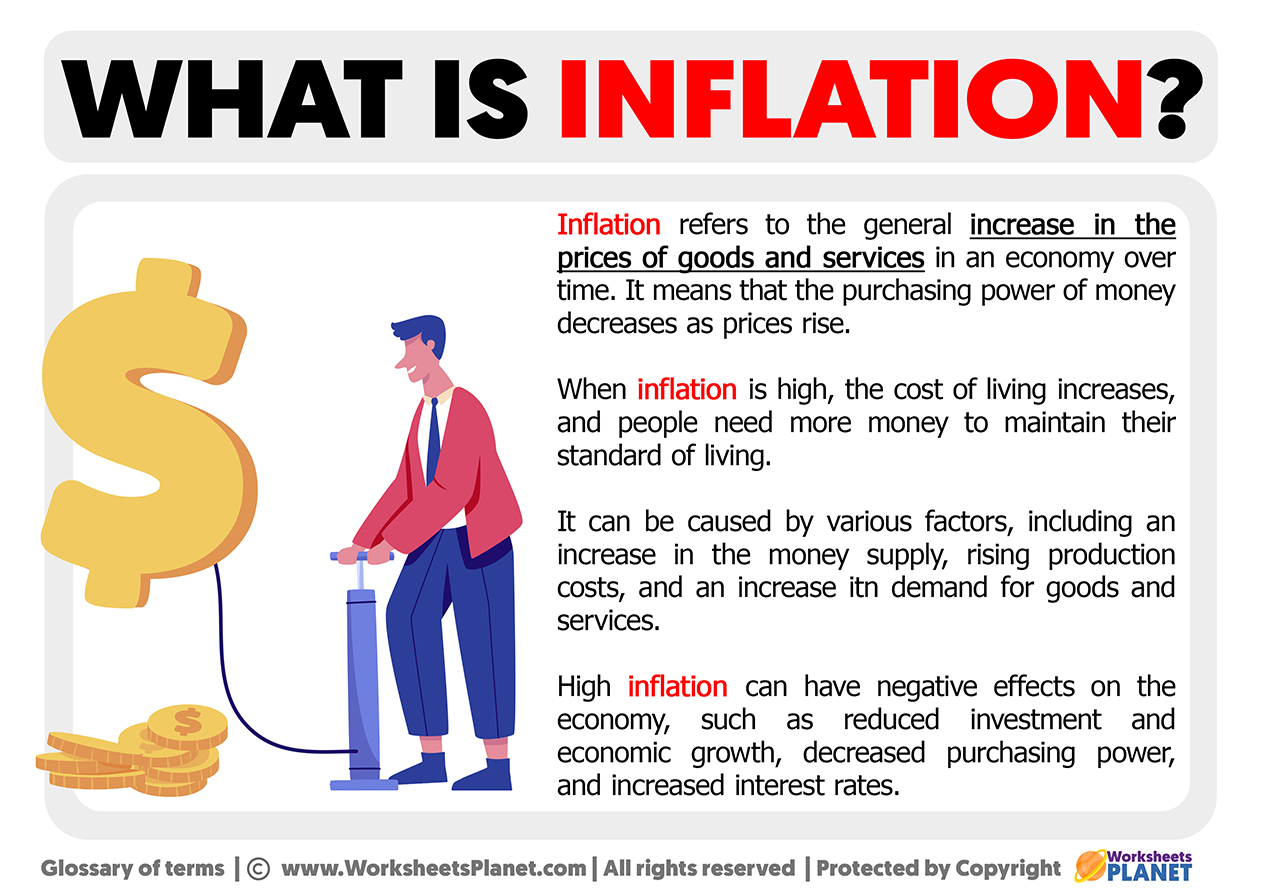
Inflation, a word frequently heard in economic news and everyday conversations, profoundly impacts our financial well-being, from the cost of groceries to the value of our savings. Yet, despite its pervasive influence, the precise definition, causes, and mechanisms of inflation often remain a mystery to many. At its core, inflation represents the rate at which the general level of prices for goods and services is rising, and consequently, the purchasing power of currency is falling. In simpler terms, your money buys less today than it did yesterday. This seemingly straightforward concept is a complex economic phenomenon driven by a multitude of factors, with far-reaching consequences for individuals, businesses, and governments worldwide. Understanding inflation is not just an academic exercise; it is a critical skill for navigating personal finance, making informed investment decisions, and comprehending broader economic trends. This article will demystify inflation, exploring its fundamental nature, its various drivers, its diverse impacts, and the strategies individuals and institutions can employ to mitigate its effects.
Unpacking the Definition of Inflation
To truly grasp the significance of inflation, we must first establish a clear and concise understanding of what it entails, how it’s measured, and why it matters. It’s more than just prices going up; it’s a systemic economic shift.
The Core Concept: Price Increases and Purchasing Power Erosion
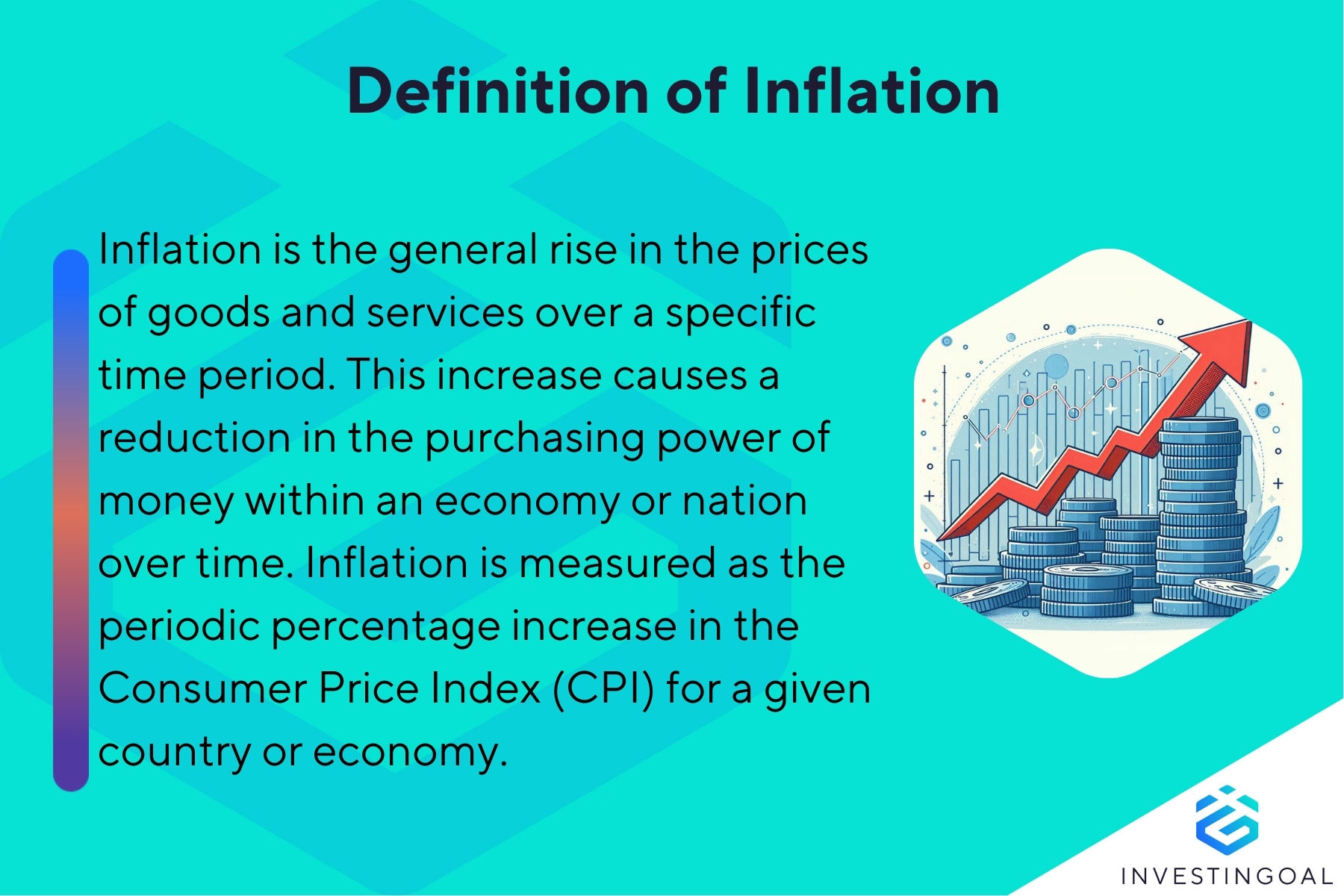
At its heart, inflation is characterized by two interconnected phenomena: a sustained increase in the general price level of goods and services, and a corresponding decrease in the purchasing power of a currency. Imagine a basket of everyday items – bread, milk, rent, fuel. If the total cost of this basket rises steadily over time, you are experiencing inflation. Crucially, it’s not just the price of one or two items going up, but a broad, economy-wide trend. The direct consequence of this general price increase is that each unit of currency (e.g., a dollar, euro, or pound) buys fewer goods and services than it could previously. This erosion of purchasing power is why a salary that felt substantial a decade ago might feel inadequate today, even if the nominal figure hasn’t changed drastically. It’s a silent tax on wealth, particularly for those holding cash or fixed-income assets.
Measuring Inflation: The Consumer Price Index (CPI) and Other Metrics
Measuring inflation accurately is paramount for policymakers, businesses, and consumers alike. The most widely used measure globally is the Consumer Price Index (CPI). The CPI tracks the average change over time in the prices paid by urban consumers for a market basket of consumer goods and services. This basket typically includes categories such as food and beverages, housing, apparel, transportation, medical care, recreation, education, and communication. Government agencies, like the Bureau of Labor Statistics (BLS) in the United States, collect price data monthly from thousands of retail outlets and service providers, weighing different items according to their importance in the average consumer’s budget. The percentage change in the CPI over a period (e.g., year-over-year) gives us the headline inflation rate.
While the CPI is a robust indicator, other metrics offer additional perspectives. The Producer Price Index (PPI) measures the average change over time in the selling prices received by domestic producers for their output. It’s often seen as a leading indicator for consumer inflation, as increases in producer prices can eventually be passed on to consumers. The Personal Consumption Expenditures (PCE) Price Index, published by the Bureau of Economic Analysis (BEA), is another key inflation gauge, particularly favored by the U.S. Federal Reserve for its broader coverage and ability to account for consumer substitution (i.e., if the price of one item rises, consumers might switch to a cheaper alternative). Each of these indices provides valuable insights, helping economists and policymakers paint a comprehensive picture of inflationary pressures within an economy.
The Various Causes and Types of Inflation
Inflation is not a monolithic phenomenon; its origins can be diverse, leading to different classifications that help explain its dynamics. Understanding these causes is crucial for designing effective economic policies.
Demand-Pull Inflation: Too Much Money Chasing Too Few Goods
One of the most common causes of inflation is demand-pull inflation. This occurs when aggregate demand in an economy outpaces the economy’s ability to produce goods and services. Essentially, there’s too much money circulating, and consumers and businesses are willing to spend it on a limited supply of products. This surge in demand “pulls up” prices. Common triggers for demand-pull inflation include:
- Expansionary Monetary Policy: Central banks lowering interest rates or increasing the money supply can make borrowing cheaper and stimulate spending.
- Fiscal Stimulus: Government spending programs or tax cuts can inject more money into the economy, boosting demand.
- Strong Consumer Confidence: When people feel optimistic about the future, they tend to spend more.
- Rapid Economic Growth: A booming economy naturally generates higher demand.
The classic adage, “too many dollars chasing too few goods,” perfectly encapsulates demand-pull inflation. Producers, unable to meet the heightened demand with existing capacity, respond by raising prices.
Cost-Push Inflation: Rising Production Costs
In contrast to demand-pull, cost-push inflation arises from an increase in the costs of production. When the inputs required to produce goods and services become more expensive, businesses are forced to raise their prices to maintain profit margins. These rising costs are then “pushed” onto the consumer. Key factors contributing to cost-push inflation include:
- Increases in Raw Material Prices: A surge in the cost of commodities like oil, natural gas, or agricultural products can drive up prices across numerous industries.
- Wage Increases: If labor unions negotiate significant wage hikes, or if there’s a general increase in average wages without a corresponding rise in productivity, businesses face higher labor costs.
- Supply Chain Disruptions: Events like natural disasters, pandemics, or geopolitical conflicts can disrupt global supply chains, leading to shortages and increased shipping costs.
- New Regulations or Taxes: Government mandates that increase production costs for businesses can also contribute to cost-push inflation.
A prime example is an oil shock: if crude oil prices spike, transportation costs rise, impacting the price of almost every good that needs to be moved.
Built-In Inflation: The Wage-Price Spiral
Built-in inflation, also known as the wage-price spiral, is a more self-perpetuating form of inflation. It occurs when workers anticipate future inflation and demand higher wages to maintain their real standard of living. As businesses concede to higher wages, their production costs increase, prompting them to raise prices further. This, in turn, fuels expectations of even higher future inflation, leading to further wage demands, creating a cyclical pattern. It’s a cycle of expectations and reactions that can be particularly difficult to break once established, as it becomes ingrained in economic behavior and contracts. This type of inflation is often sustained by past inflation rates and adaptive expectations.
Other Classifications: Hyperinflation, Deflation, Stagflation
Beyond these primary causes, inflation can manifest in other distinct forms:
- Hyperinflation: An extremely rapid and out-of-control inflation rate, often exceeding 50% per month. It typically results from a complete loss of confidence in a currency, leading to economic collapse. Examples include post-World War I Germany or more recently, Zimbabwe and Venezuela.
- Deflation: The opposite of inflation, characterized by a general decrease in prices and an increase in the purchasing power of currency. While it might sound appealing, widespread deflation can signal a struggling economy, leading to reduced consumer spending (as people postpone purchases expecting lower prices), decreased corporate profits, and increased unemployment.
- Stagflation: A particularly challenging economic condition characterized by a simultaneous occurrence of high inflation, high unemployment, and stagnant economic growth. This combination contradicts traditional economic theory, which often posits an inverse relationship between inflation and unemployment. The 1970s oil crisis is a prominent historical example of stagflation.
The Far-Reaching Effects of Inflation
Inflation is not just an abstract economic indicator; its consequences ripple through every segment of the economy, affecting individuals, businesses, investors, and government policies.
Impact on Consumers: Erosion of Savings and Living Standards

For the average consumer, the most immediate and tangible effect of inflation is the erosion of purchasing power. A fixed income, or even a wage that rises slower than inflation, means a declining real income. This directly impacts living standards, as essential goods and services become more expensive relative to earnings.
- Savings Lose Value: Money held in traditional savings accounts or under a mattress loses value over time, as its purchasing power diminishes.
- Increased Cost of Living: Necessities like food, housing, energy, and healthcare become more expensive, squeezing household budgets.
- Uncertainty and Reduced Confidence: Sustained high inflation can create economic uncertainty, making consumers hesitant to make large purchases or financial commitments.
- Debt Repayment Advantage (for borrowers): Ironically, inflation can benefit debtors, as the real value of their fixed-rate debts decreases over time. The money they repay in the future is worth less than the money they borrowed.
Impact on Businesses: Cost Management and Pricing Strategies
Businesses face a double-edged sword during inflationary periods. On one hand, they might see increased revenue if they can successfully pass on higher costs. On the other, they grapple with significant challenges:
- Rising Input Costs: Businesses experience cost-push inflation firsthand, with higher prices for raw materials, labor, and transportation.
- Pricing Dilemmas: Companies must decide whether to absorb costs (reducing profit margins) or pass them on to consumers (risking reduced demand).
- Investment Uncertainty: Inflation can distort investment signals, making it harder for businesses to plan long-term capital expenditures due to unpredictable future costs and revenues.
- Wage Demands: Employees will demand higher wages to keep pace with the rising cost of living, adding to operational expenses.
- Inventory Management: Businesses might try to hold more inventory if they anticipate future price increases, but this ties up capital and introduces storage risks.
Impact on Investments: Asset Classes and Real Returns
Inflation significantly alters the landscape for investors, affecting the real returns of various asset classes.
- Fixed-Income Securities: Bonds, CDs, and other fixed-income investments are particularly vulnerable. If the coupon rate of a bond is 3% and inflation is 5%, the real return is negative 2%, meaning the investor is losing purchasing power.
- Equities (Stocks): The impact on stocks is more nuanced. Some companies, especially those with strong pricing power, may thrive as they can pass on costs. Others might struggle with margin compression. Historically, stocks have offered some protection against inflation over the long term, but performance varies greatly by sector and company.
- Real Assets: Commodities (like gold, oil, real estate) often serve as an inflation hedge. Their value tends to rise with inflation, as they are tangible assets with intrinsic value. Real estate, in particular, can offer inflation protection through rising property values and rental income.
- Inflation-Indexed Securities: Government-issued bonds, such as Treasury Inflation-Protected Securities (TIPS) in the U.S., are designed to protect investors from inflation by adjusting their principal value based on changes in the CPI.
Impact on Government and Monetary Policy
Governments and central banks are deeply concerned with managing inflation due to its broad economic implications.
- Monetary Policy: Central banks, like the Federal Reserve, use tools such as interest rate adjustments, quantitative easing/tightening, and reserve requirements to influence the money supply and control inflation. Raising interest rates typically cools down an overheated economy by making borrowing more expensive, thereby reducing demand.
- Fiscal Policy: Governments can use fiscal measures, such as adjusting taxes and public spending, to influence aggregate demand and manage inflationary pressures.
- Public Debt: While inflation can erode the real value of government debt (making it easier to repay), sustained high inflation can also lead to higher borrowing costs for governments in the future, as investors demand higher yields to compensate for inflation risk.
Strategies for Navigating an Inflated Economy
While inflation is a macroeconomic force largely beyond individual control, there are proactive strategies individuals and businesses can adopt to protect their financial health and even find opportunities during inflationary periods.
Personal Finance Resilience: Budgeting, Savings, and Debt Management
For individuals, prudent financial planning becomes even more critical when inflation is high.
- Re-evaluate Your Budget: Periodically review and adjust your budget to account for rising costs, identifying areas where you can cut back or reallocate spending.
- Prioritize Emergency Savings: Maintain a robust emergency fund, ideally in an accessible account that offers at least some interest to mitigate inflation’s bite. While cash loses value, liquidity is crucial in uncertain times.
- Manage Debt Wisely: Fixed-rate debt (like a traditional mortgage) becomes relatively cheaper to repay with inflated dollars. Variable-rate debt, however, can become more expensive as interest rates typically rise with inflation. Prioritize paying down high-interest, variable debt.
- Seek Income Growth: Explore avenues for increasing your income, such as negotiating salary increases (aiming to at least match inflation), taking on side hustles, or investing in skills development.
Investment Strategies: Inflation-Proofing Your Portfolio
Smart investment choices can significantly mitigate inflation’s impact on wealth.
- Invest in Real Assets: Consider allocations to real estate (REITs or direct ownership), commodities, or precious metals like gold, which often retain or increase their value during inflationary times.
- Consider Inflation-Indexed Securities: Treasury Inflation-Protected Securities (TIPS) offer a direct hedge against inflation, as their principal value adjusts with the CPI.
- Equities with Pricing Power: Focus on companies that have strong brand recognition, unique products, or dominant market positions, allowing them to pass on higher costs to consumers without significant loss of demand. Sectors like consumer staples, utilities, and healthcare can sometimes exhibit this characteristic.
- Dividend Growth Stocks: Companies that consistently grow their dividends can provide a growing income stream that helps offset the rising cost of living.
- Diversification: A well-diversified portfolio across different asset classes, sectors, and geographies remains a cornerstone of any robust investment strategy, helping to smooth out returns in various economic conditions.
Business Adaptations: Efficiency and Value Proposition
Businesses must be agile in an inflationary environment to maintain profitability and competitiveness.
- Cost Control and Efficiency: Focus intensely on operational efficiency, supply chain optimization, and technological adoption to reduce production costs.
- Strategic Pricing: Implement dynamic pricing strategies, considering cost-plus pricing, value-based pricing, and anticipating future input cost increases. Communicate price adjustments transparently to customers.
- Supply Chain Resilience: Diversify suppliers, build strategic inventories (when appropriate), and secure long-term contracts to mitigate the impact of input price volatility and supply disruptions.
- Innovation and Value Proposition: Innovate products and services to offer superior value, justifying price increases. Strong brand loyalty can also provide a buffer.
- Talent Retention: Offer competitive compensation and benefits to retain skilled employees, especially when wage demands are high.
The Role of Central Banks and Fiscal Policy
While individuals and businesses adapt, the primary responsibility for managing inflation at a systemic level rests with central banks and governments.
- Central Bank Vigilance: Central banks continually monitor inflation indicators and adjust monetary policy tools (primarily interest rates) to bring inflation back to their target levels, often around 2%. Their credibility in managing inflation expectations is crucial.
- Fiscal Prudence: Governments play a role through responsible fiscal policy, ensuring that public spending and taxation do not excessively stimulate demand when inflationary pressures are already present.
The Future Outlook: Managing Inflationary Pressures
The experience of inflation, both historically and in recent years, underscores its dynamic and often unpredictable nature. Global interconnectedness, technological advancements, climate change, and geopolitical events all contribute to the complexity of managing price stability.
Global Factors and Economic Interconnectedness
Modern economies are deeply interconnected. Inflation in one major economy or disruptions in global supply chains can quickly propagate worldwide. Events like pandemics, conflicts, and trade disputes have demonstrated the fragility of global production and distribution networks, leading to supply-side inflationary pressures. Understanding these global linkages is essential for forecasting and mitigating future inflationary episodes. As emerging economies grow, their demand for resources also influences global commodity prices, further adding to inflationary dynamics.
Long-Term Implications for Financial Stability
Sustained high inflation can have detrimental long-term consequences for financial stability, eroding confidence in currency, distorting investment decisions, and exacerbating economic inequality. It can also lead to social unrest if wages fail to keep pace with living costs. Conversely, a prolonged period of deflation can be equally damaging, signaling economic contraction and increasing the real burden of debt. Therefore, maintaining a stable and predictable inflation environment – often a modest 2-3% annual rate – is a key objective for monetary policymakers globally, as it fosters economic growth, encourages investment, and preserves the purchasing power of citizens over time. Navigating the delicate balance between stimulating growth and containing inflation remains one of the perennial challenges for economic governance.
In conclusion, inflation is a multi-faceted economic phenomenon that significantly impacts financial life. By understanding its definition, causes, effects, and available strategies, individuals and businesses can better navigate its challenges and protect their financial future in an ever-evolving global economy.
aViewFromTheCave is a participant in the Amazon Services LLC Associates Program, an affiliate advertising program designed to provide a means for sites to earn advertising fees by advertising and linking to Amazon.com. Amazon, the Amazon logo, AmazonSupply, and the AmazonSupply logo are trademarks of Amazon.com, Inc. or its affiliates. As an Amazon Associate we earn affiliate commissions from qualifying purchases.