
The concept of a Dietary Reference Intake (DRI) is a familiar one in the realm of health and nutrition. It refers to a set of evidence-based nutrient reference values used to plan and assess the nutrient intakes of healthy individuals and groups. Just as our physical bodies require a specific “diet” of essential nutrients in appropriate quantities to function optimally, grow, and ward off disease, our financial lives also demand a carefully considered “diet” of resources and a strategic “intake” strategy to ensure long-term health, stability, and prosperity.
In the world of personal finance, a “Dietary Reference Intake” isn’t about vitamins and minerals, but rather about the judicious management of your financial inputs (income) and outputs (spending, saving, investing). It’s a metaphorical framework designed to guide individuals in making informed financial choices that lead to sustained well-being, much like nutritional DRIs guide food choices for physical health. This article will explore what a Financial Dietary Reference Intake (FDRI) entails, how it can be established, and why adhering to such a personalized financial “diet” is crucial for achieving your life’s ambitions. By reframing traditional financial planning through this lens, we can unlock a more intuitive and actionable approach to managing our money effectively.
The Analogy: From Nutrients to Net Worth
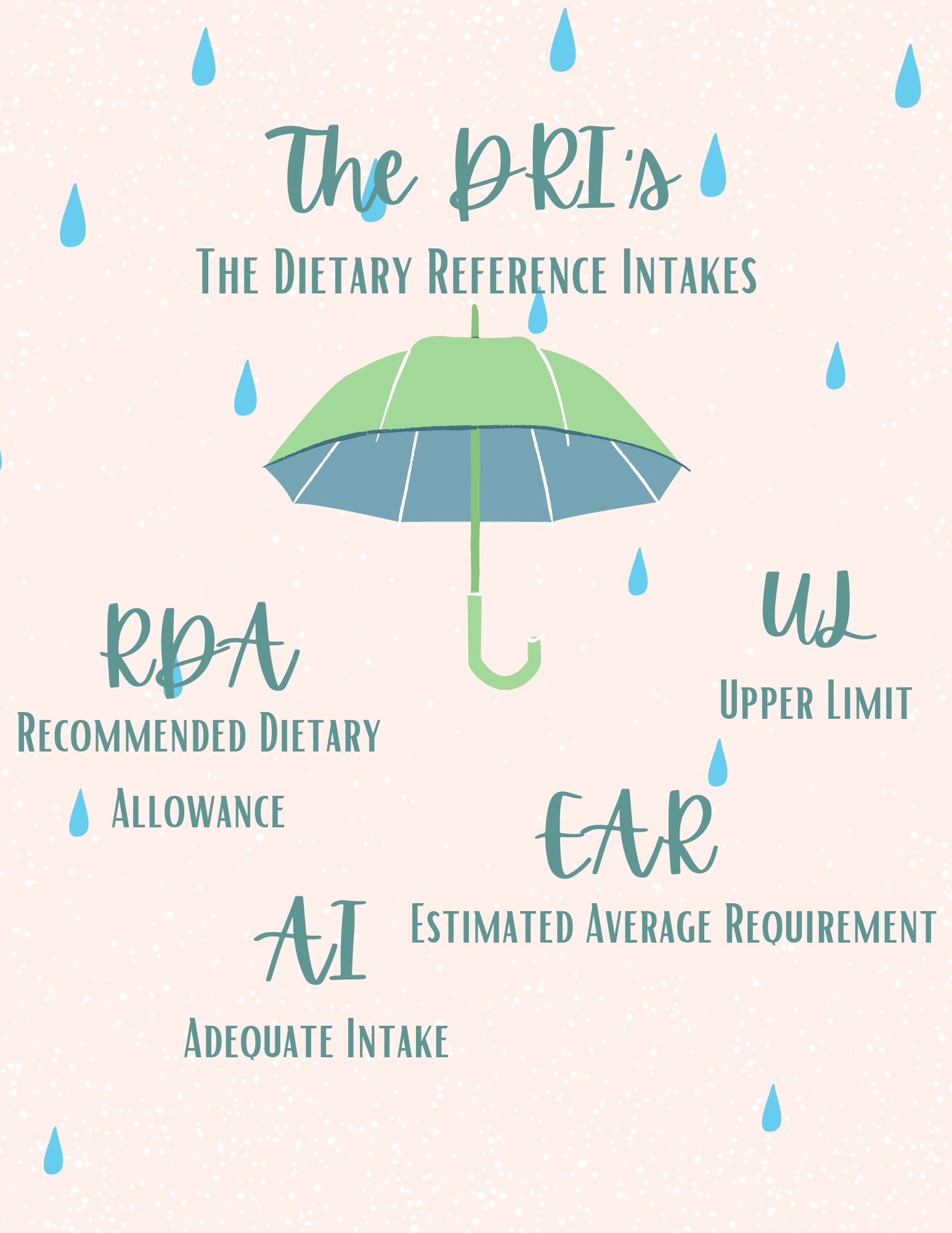
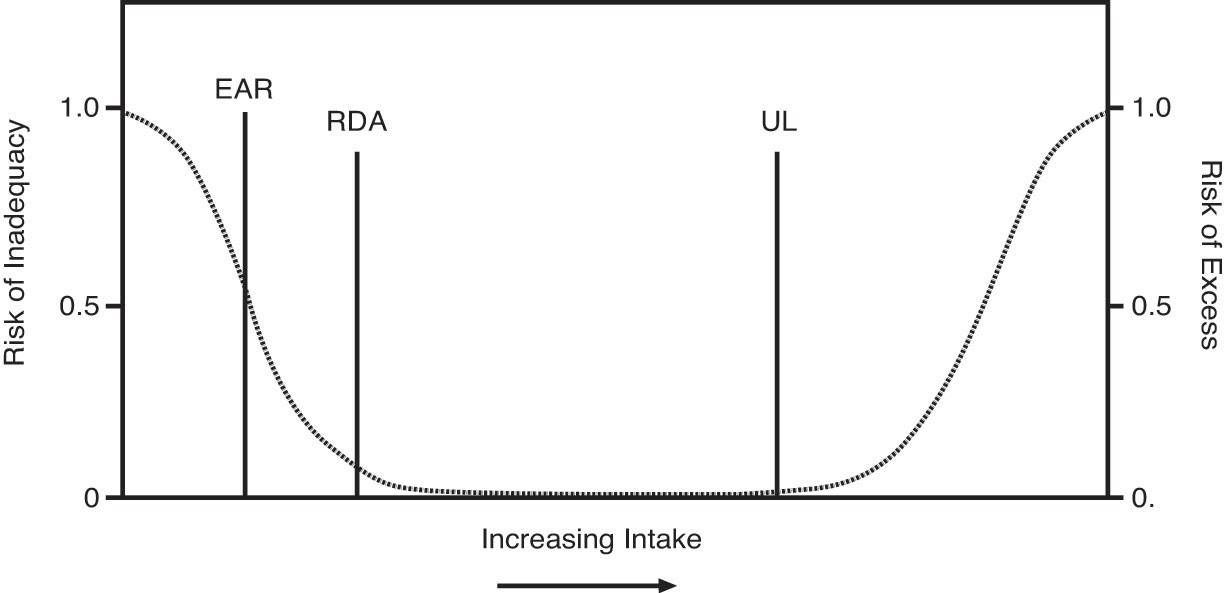
To truly grasp the significance of a Financial Dietary Reference Intake, it’s helpful to first briefly revisit its nutritional counterpart. Nutritional DRIs include various values like the Recommended Dietary Allowance (RDA), Adequate Intake (AI), Tolerable Upper Intake Level (UL), and Estimated Average Requirement (EAR). These aren’t one-size-fits-all rules but rather a spectrum of guidelines designed to prevent deficiencies, avoid toxicities, and promote optimal health across different demographics.
Understanding Nutritional DRIs: The Foundation
Imagine the human body as a complex financial system.
- Nutrients are the essential financial components: income, savings, investments, and wisely managed debt.
- Recommended Dietary Allowance (RDA) for a nutrient translates to your optimal savings rate, investment contributions, or emergency fund targets. These are the recommended minimums for robust financial health.
- Adequate Intake (AI), used when an RDA cannot be determined, might be a general guideline like the 50/30/20 budgeting rule – a good starting point when precise numbers aren’t clear.
- Tolerable Upper Intake Level (UL) for a nutrient (the maximum daily intake unlikely to cause adverse health effects) parallels your debt capacity or your limit for discretionary spending. Exceeding this “upper limit” can lead to financial toxicity, such as overwhelming debt or insufficient savings.
- Estimated Average Requirement (EAR), the nutrient intake level estimated to meet the requirements of half the healthy individuals in a group, could be considered the average spending patterns or savings rates of your peers, providing a general benchmark against which to assess your own financial practices.
Translating to Financial Wellness: Your Financial Ecosystem
Applying this analogy to personal finance, your FDRI becomes a dynamic strategy for nourishing your financial ecosystem. It’s about ensuring you have sufficient “energy” (cash flow) to meet your daily needs, adequately “store” surplus energy (savings and investments) for future growth and emergencies, and avoid “toxins” (high-interest debt) that can deplete your resources. Just as a balanced diet builds physical resilience, a well-structured financial diet builds financial resilience, allowing you to weather economic storms and pursue opportunities with confidence. This framework allows for a more holistic view of financial planning, moving beyond mere budgeting to a comprehensive strategy for overall financial vitality.
Core Components of Your Financial “Diet”
Every financial “diet” is composed of several key elements, much like a nutritional diet comprises macronutrients and micronutrients. Understanding and appropriately balancing these components is fundamental to establishing an effective FDRI.
Income Generation: The Fuel for Your Financial Health
Your income is the primary source of “energy” for your financial system. It’s the essential nutrient that powers all other financial activities.
- Active Income: This is income derived from your primary employment or business activities. Maximizing your active income through career development, skill acquisition, or negotiation is crucial.
- Passive Income: This includes income from investments, rental properties, or businesses where you’re not actively involved day-to-day. Cultivating passive income streams is akin to diversifying your nutrient sources, providing financial resilience and growth potential. A robust FDRI emphasizes the importance of both consistent income generation and its diversification.
Essential Spending (Fixed & Variable): Your Non-Negotiables
These are the “baseline calories” your financial system needs to survive.
- Fixed Expenses: Rent/mortgage, loan payments, insurance premiums. These are largely consistent and form the bedrock of your monthly financial commitments.
- Variable Essential Expenses: Groceries, utilities, transportation. While essential, these offer opportunities for optimization and cost reduction, much like choosing healthier, more affordable food options. An FDRI guides you in ensuring these necessities are met efficiently, without excessive “intake.”
Discretionary Spending: The “Treats”
This category includes non-essential expenses like entertainment, dining out, hobbies, and vacations. While vital for quality of life and mental well-being, discretionary spending is where many financial “diets” go awry.
- Moderation is Key: Like sugary snacks, discretionary spending in moderation can enhance life, but in excess, it can lead to financial “weight gain” (debt) and hinder progress towards long-term goals. Your FDRI helps define a healthy “portion size” for these expenditures.
Savings and Investments: The “Growth Nutrients”
These are the critical components for building long-term financial strength and achieving future goals.
- Emergency Fund: This is your immediate financial “reserve,” typically 3-6 months of living expenses, essential for weathering unexpected financial shocks without derailing your entire plan.
- Retirement Savings: Regular contributions to retirement accounts (401k, IRA, etc.) are like long-term investments in your physical health, ensuring vitality in your later years.
- Short-Term Goals: Savings for a down payment, education, or a significant purchase.
- Investments: Diversifying your investment portfolio (stocks, bonds, real estate) is paramount for wealth accumulation, providing the “growth hormones” for your net worth. An effective FDRI will prescribe a consistent “intake” of savings and investments tailored to your goals and risk tolerance.
Debt Management: The “Toxins” (if uncontrolled)
Debt can be a double-edged sword.
- Productive Debt: Mortgages or student loans, when managed wisely, can be tools for long-term growth and asset acquisition.
- Harmful Debt: High-interest consumer debt (credit cards, payday loans) can act like “toxins,” eroding your financial health and diverting resources from savings and investments. An FDRI emphasizes minimizing harmful debt and strategically managing productive debt to prevent it from becoming a burden. It defines a “tolerable upper limit” for debt to maintain financial integrity.
Crafting Your Personalized Financial DRI
Just as a nutritionist tailors dietary advice to an individual’s age, activity level, and health status, your Financial Dietary Reference Intake must be personalized. There’s no universal “ideal” financial diet; what works for one person may not work for another.
Assessing Your Current Financial Health: The Baseline

Before prescribing any changes, you must understand your current financial “metabolism.”
- Income Assessment: Document all sources and amounts of income.
- Expense Audit: Track every dollar spent for a month or two to understand where your money is going. Categorize expenses as essential or discretionary.
- Net Worth Calculation: List all assets (savings, investments, property) and liabilities (debts) to get a snapshot of your current financial standing.
- Debt-to-Income Ratio: Understand the proportion of your income consumed by debt payments. This baseline assessment provides the “before” picture, highlighting areas of strength and weakness in your current financial “diet.”
Setting Financial Goals: What Are You “Building”?
Your financial goals are the desired outcomes of your financial “diet.” They dictate the specific “nutrients” and “intake levels” you need.
- Short-Term Goals (1-3 years): Building an emergency fund, paying off a small debt, saving for a vacation.
- Mid-Term Goals (3-10 years): Saving for a down payment, funding a child’s education, buying a new car.
- Long-Term Goals (10+ years): Retirement planning, significant wealth accumulation, early retirement.
Clearly defined goals provide the motivation and direction for shaping your FDRI. They tell you why you are making certain financial choices.
Leveraging Benchmarks: Reference Points, Not Rigid Rules
While personalization is key, financial planning offers several well-established “reference intakes” that can serve as excellent starting points.
- The 50/30/20 Budget Rule: Allocate 50% of your after-tax income to Needs (essential spending), 30% to Wants (discretionary spending), and 20% to Savings & Debt Repayment (excluding mortgage). This is a widely accepted “Adequate Intake” model for beginners.
- Emergency Fund Target: Aim for 3-6 months of living expenses in a readily accessible, interest-bearing account.
- Retirement Savings Rate: Many experts recommend saving 10-15% (or more) of your income for retirement throughout your career.
- Debt-to-Income Ratio: Keep your total debt payments (excluding mortgage) below 10-20% of your gross income to avoid financial strain.
These benchmarks are like the general nutritional guidelines – they provide a solid framework, but individual adjustments will always be necessary.
Customization for Life Stages and Circumstances
Your FDRI is not static; it evolves as your life changes.
- Young Professional: May prioritize debt repayment (student loans) and emergency fund building, with a higher tolerance for investment risk.
- Mid-Career with Family: Focus might shift to child-related expenses, college savings, and increasing life insurance, potentially with a more balanced investment approach.
- Nearing Retirement: Emphasis moves to capital preservation, reducing debt, and optimizing income streams for retirement.
- Unexpected Events: Job loss, health crises, or market downturns will necessitate temporary adjustments to your FDRI, potentially shifting focus from long-term growth to immediate stability. Your ability to adapt your financial “diet” to these changing circumstances is a hallmark of true financial resilience.
Monitoring and Adapting Your Financial “Intake”
Establishing a Financial Dietary Reference Intake is just the first step. For it to remain effective, consistent monitoring and periodic adaptation are crucial. Think of it as regularly checking your physical health metrics and adjusting your diet or exercise regimen as needed.
Financial Tracking Tools: Your Nutritional Log
Just as a fitness enthusiast might log their food intake, you need tools to track your financial “nutrients.”
- Budgeting Apps: Mint, YNAB, Personal Capital, or Simplifi can automate expense tracking, categorize spending, and provide real-time insights into your cash flow.
- Spreadsheets: Manual tracking offers a deeper understanding of your financial habits and allows for complete customization.
- Financial Advisors: For complex situations, a professional can offer expert guidance in monitoring your progress and making strategic adjustments. These tools help you see if you’re adhering to your prescribed “intake” levels for various financial categories.
Regular Reviews and Re-assessment: Financial Check-ups
Your FDRI isn’t a one-and-done plan. It requires regular check-ups, much like annual physicals.
- Monthly Reviews: A quick check of your budget and cash flow.
- Quarterly Reviews: A deeper dive into spending patterns, savings progress, and debt reduction.
- Annual Reviews: A comprehensive review of your entire financial picture, including net worth, investment performance, insurance coverage, and alignment with long-term goals. This is the time to assess if your “diet” is producing the desired results and if any “nutrient deficiencies” or “excesses” need addressing.
Adjusting for Economic Shifts and Personal Changes: Dynamic Adaptation
Life is dynamic, and so should your FDRI be.
- Economic Shifts: Inflation may require adjusting spending categories, while market fluctuations might call for rebalancing your investment portfolio.
- Personal Changes: A new job with a different salary, marriage, having children, or buying a home all have significant impacts on your income, expenses, and financial goals, necessitating a re-evaluation and adjustment of your financial “intake.”
- Unexpected Events: Illness, job loss, or a major home repair will require activating emergency funds and potentially temporarily re-prioritizing spending to maintain financial stability. The ability to dynamically adapt your FDRI ensures its continued relevance and effectiveness in navigating life’s unpredictable journey.
The Long-Term Harvest: Benefits of a Balanced Financial DRI
Adhering to a well-crafted and consistently monitored Financial Dietary Reference Intake yields a bounty of benefits that extend far beyond simple monetary gains. It’s about cultivating a life of security, opportunity, and peace of mind.
Financial Stability and Security: A Robust Immune System
A balanced FDRI builds a strong financial foundation, much like a healthy diet builds a robust immune system.
- Reduced Stress: Knowing your finances are in order significantly lowers stress and anxiety.
- Emergency Preparedness: A well-funded emergency account provides a crucial safety net against unforeseen circumstances, preventing minor setbacks from becoming major crises.
- Debt-Free Living: Strategic debt management frees you from the burden of high-interest payments, unlocking more of your income for savings and investments. This stability allows you to navigate life’s uncertainties with greater confidence.
Accelerated Wealth Accumulation: Optimal Growth
By optimizing your financial “intake” of savings and investments, you set the stage for accelerated wealth growth.
- Consistent Saving: Regular contributions, even small ones, compound over time, leading to substantial growth.
- Strategic Investing: Diversified and goal-oriented investment strategies ensure your money is working harder for you, building assets and generating passive income streams.
- Compounding Returns: The magic of compounding is the ultimate “growth hormone” for your net worth, turning modest inputs into significant wealth over decades.
Achieving Life Goals: Funding Your Aspirations
Perhaps the most fulfilling benefit of a balanced FDRI is the ability to fund your life’s aspirations.
- Dream Home: Saving diligently for a down payment.
- Education: Funding your children’s college or pursuing further education for yourself.
- Travel and Experiences: Allocating funds for enriching life experiences.
- Early Retirement: Building a portfolio robust enough to provide financial independence sooner than expected.
Your FDRI transforms abstract dreams into actionable financial plans, providing the resources to turn them into reality.
Enhanced Quality of Life: Freedom and Fulfillment
Ultimately, a healthy Financial Dietary Reference Intake is about enhancing your overall quality of life.
- Financial Freedom: The ability to make choices based on your values and desires, rather than being dictated by financial constraints.
- Reduced Burden: Freedom from the constant worry of bills and debt.
- Pursuit of Passions: Having the resources and time to explore hobbies, volunteer, or spend quality time with loved ones.
Just as a physically healthy individual has the energy and vitality to enjoy life to the fullest, a financially healthy individual enjoys the peace, freedom, and opportunities that sound money management affords. Embracing the concept of a Financial Dietary Reference Intake is not merely about managing money; it’s about crafting a blueprint for a richer, more secure, and fulfilling life.