
The journey toward financial independence often begins with a single realization: saving money is rarely enough to build significant wealth over time. In an era defined by fluctuating inflation and evolving global markets, investing in the stock market has transformed from a luxury of the elite into a fundamental necessity for the modern individual. Learning how to buy stocks is not merely a transactional skill; it is the acquisition of a strategic mindset that allows you to participate in the growth of the world’s most innovative companies.
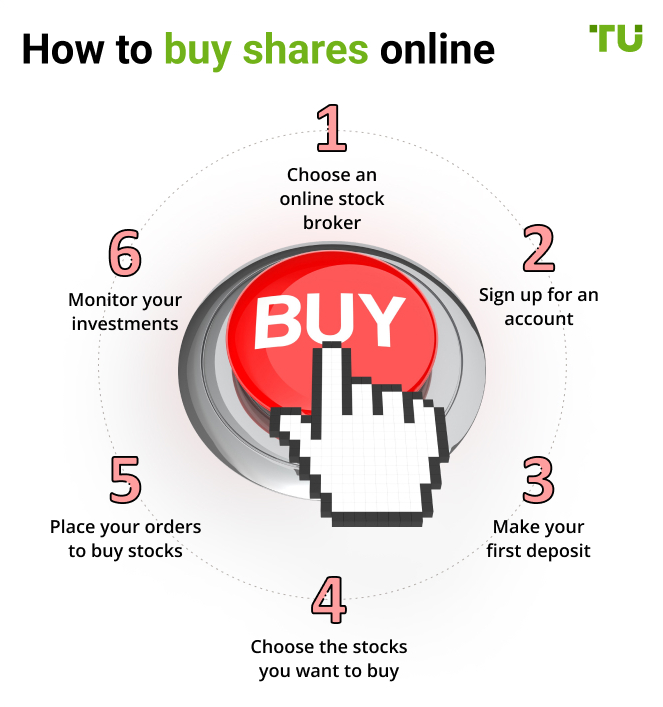
Whether you are looking to build a retirement nest egg, fund a future endeavor, or simply outpace inflation, the process of entering the equity market requires a blend of discipline, research, and technical understanding. This guide provides a professional roadmap to navigating the complexities of the stock market, from initial preparation to the execution of your first trade.
1. Preparing Your Financial Infrastructure
Before clicking the “buy” button on a brokerage app, an investor must ensure their personal financial house is in order. Stock market investing involves inherent risks, and entering the fray without a stable foundation is akin to building a skyscraper on sand.
Defining Financial Objectives and Horizon
The first step in any investment strategy is determining your “why.” Are you investing for a retirement that is thirty years away, or are you looking to grow a down payment for a home in five years? Your time horizon dictates your asset allocation. Generally, the longer your time horizon, the more volatility you can afford to endure, as you have the luxury of waiting for market recoveries. Conversely, if you need the capital within a few years, a more conservative approach is required to protect your principal.
Evaluating Risk Tolerance
Risk tolerance is a psychological and financial metric. It is the measure of how much market fluctuation you can withstand without making emotional decisions, such as panic-selling during a downturn. Professional investors categorize risk into “capacity” (how much you can afford to lose) and “attitude” (how much volatility you can stomach). Understanding where you fall on this spectrum is crucial for selecting stocks that align with your peace of mind.
The Prerequisite of Liquidity and Debt Management
High-interest debt, such as credit card balances, often carries interest rates far higher than the average annual return of the stock market. Therefore, it is mathematically prudent to pay off high-interest liabilities before investing. Additionally, maintaining an emergency fund—typically three to six months of living expenses—ensures that you won’t be forced to sell your stocks at an inopportune time to cover unexpected costs.
2. Navigating the Brokerage Ecosystem
To buy stocks, you need an intermediary known as a broker. In the digital age, the landscape of brokerage services has shifted dramatically, offering investors more choices and lower costs than ever before.
Traditional vs. Neo-Brokers
The brokerage industry is currently split between legacy firms and modern “fintech” apps. Traditional brokerages often provide robust research tools, access to financial advisors, and a wide array of account types (including IRAs and 401ks). Neo-brokers, or “trading apps,” prioritize user experience, mobile accessibility, and often pioneer features like fractional shares, which allow you to buy a portion of a stock if the full share price is too high. Selecting the right platform depends on whether you value comprehensive data and customer service or a streamlined, mobile-first interface.
Fee Structures and Hidden Costs
While “zero-commission” trading has become a standard in the industry, investors must still be vigilant about costs. These can include expense ratios for exchange-traded funds (ETFs), account maintenance fees, or costs associated with “margin” (borrowing money to trade). Furthermore, understanding the “bid-ask spread”—the difference between the highest price a buyer is willing to pay and the lowest price a seller is willing to accept—is essential for recognizing the true cost of a transaction.

Account Types and Tax Efficiency
Where you hold your stocks is often as important as which stocks you buy. For many, a standard taxable brokerage account offers the most flexibility. However, for long-term wealth building, tax-advantaged accounts like Individual Retirement Accounts (IRAs) or Roth IRAs provide significant benefits. In a Roth IRA, for example, your investments grow tax-free, and qualified withdrawals in retirement are also tax-exempt. Utilizing the correct account type can save an investor hundreds of thousands of dollars in taxes over a lifetime.
3. The Art and Science of Stock Selection
Once your account is funded, the challenge shifts to selection. With thousands of publicly traded companies available, narrowing the field requires a systematic approach to analysis.
Fundamental Analysis: The Bedrock of Value
Professional investors primarily use fundamental analysis to determine if a stock is a good buy. This involves examining a company’s financial statements, including its balance sheet, income statement, and cash flow. Key metrics to monitor include the Price-to-Earnings (P/E) ratio, which measures the current share price relative to per-share earnings, and the Debt-to-Equity ratio, which indicates financial stability. A company with strong earnings growth, low debt, and a competitive “moat” (a unique advantage that protects it from competitors) is generally considered a strong candidate for investment.
Understanding Market Capitalization
A company’s size, or market capitalization, often dictates its risk and growth profile.
- Large-cap companies ($10 billion+) are typically established industry leaders that offer stability and dividends but may have slower growth.
- Mid-cap companies ($2 billion to $10 billion) often represent businesses in a growth phase.
- Small-cap companies ($300 million to $2 billion) carry higher risk but offer the potential for explosive growth.
A diversified portfolio often includes a mix of these categories to balance stability with growth potential.
Diversification Through ETFs and Mutual Funds
For many investors, buying individual stocks is too time-consuming or risky. This is where Exchange-Traded Funds (ETFs) and mutual funds come in. These instruments allow you to buy a “basket” of stocks in a single transaction. For example, buying an S&P 500 index fund gives you exposure to 500 of the largest companies in the United States. Diversification is the only “free lunch” in investing; it reduces the impact of any single company’s failure on your overall portfolio.
4. Execution Strategy and Portfolio Maintenance
Buying a stock is more than just clicking a button; it involves choosing the right order type and maintaining the position over time.
Navigating Order Types: Market vs. Limit
When you are ready to buy, you will encounter different order types.
- Market Order: This executes your trade immediately at the current best available price. It guarantees the trade happens but does not guarantee the exact price.
- Limit Order: This allows you to set a maximum price you are willing to pay. The trade only executes if the stock hits that price. This provides price protection but may result in the trade not being filled if the stock moves away from your limit.
For most long-term investors, limit orders are preferred to ensure they don’t overpay during moments of high market volatility.
The Power of Dollar-Cost Averaging
Trying to “time the market”—waiting for the perfect low point to buy—is a strategy that often fails even the most seasoned professionals. A more effective approach is Dollar-Cost Averaging (DCA). This involves investing a fixed amount of money at regular intervals, regardless of the stock price. Over time, you buy more shares when prices are low and fewer when prices are high, effectively lowering your average cost per share and removing the emotional stress of market timing.
Rebalancing and the Long-Term Discipline
The work doesn’t end after the purchase. Over time, some stocks will grow faster than others, causing your portfolio to become “tilted” toward a specific sector or company. Periodic rebalancing—selling a portion of your winners and buying more of your underperformers—helps maintain your original risk level. More importantly, successful investing requires the discipline to stay the course during market downturns. The stock market is a vehicle for transferring wealth from the impatient to the patient; those who can tune out the daily noise and focus on long-term business fundamentals are the ones who ultimately succeed.

Conclusion
Buying stocks is one of the most effective ways to participate in global economic growth and secure your financial future. While the process has been democratized through technology, the principles of successful investing remain rooted in education, patience, and strategic planning. By establishing a firm financial foundation, choosing a brokerage that aligns with your goals, conducting rigorous research, and maintaining a disciplined execution strategy, you can transform from a consumer into an owner. In the world of finance, the best time to start was yesterday; the second best time is today. Invest with intent, remain curious, and let the power of compounding work in your favor.
aViewFromTheCave is a participant in the Amazon Services LLC Associates Program, an affiliate advertising program designed to provide a means for sites to earn advertising fees by advertising and linking to Amazon.com. Amazon, the Amazon logo, AmazonSupply, and the AmazonSupply logo are trademarks of Amazon.com, Inc. or its affiliates. As an Amazon Associate we earn affiliate commissions from qualifying purchases.