
The Affordable Care Act (ACA), often referred to as Obamacare, represents one of the most significant overhauls of the U.S. healthcare system in decades. Signed into law in 2010, its primary objectives were to expand health insurance coverage, reduce healthcare costs, and improve the quality of care. However, posing the question “how much is the Affordable Care Act?” is far from straightforward. It’s not a singular price tag but a complex tapestry of costs and financial impacts borne by individuals, the federal and state governments, employers, and the broader economy. Understanding its financial footprint requires delving into premiums and subsidies, government spending, economic ramifications, and the often-debated value proposition it delivers. This article aims to untangle the multifaceted financial dimensions of the ACA, offering a comprehensive look at its monetary implications from various perspectives.

The Cost to Individuals: Premiums, Deductibles, and Out-of-Pocket Maximums
For millions of Americans, the most direct interaction with the ACA’s financial aspects comes through their individual health insurance plans purchased on the Health Insurance Marketplace (or state-run exchanges). These costs are highly variable, influenced by a myriad of factors including age, geographic location, smoking status, and the specific plan chosen.
Understanding Marketplace Plans and Tiers
Health insurance plans on the ACA marketplaces are categorized into metallic tiers: Bronze, Silver, Gold, and Platinum. These tiers are not about the quality of care but about the split of costs between the insurer and the enrollee.
- Bronze plans typically have the lowest monthly premiums but the highest deductibles and out-of-pocket costs when care is needed. They cover about 60% of average healthcare costs, with the enrollee paying 40%.
- Silver plans have moderate premiums and moderate deductibles. They cover about 70% of average costs. Crucially, Silver plans are the only tier eligible for “cost-sharing reductions” (CSRs), which further lower deductibles, copayments, and coinsurance for eligible individuals.
- Gold plans feature high monthly premiums but lower deductibles and out-of-pocket expenses, covering about 80% of costs.
- Platinum plans have the highest premiums but the lowest out-of-pocket costs, covering around 90% of expenses.
The choice of tier directly impacts an individual’s monthly budget for health insurance versus their potential out-of-pocket expenses when using healthcare services. The “cost” to an individual, therefore, is a combination of these fixed premiums and variable out-of-pocket expenditures, all capped by an annual out-of-pocket maximum, another key ACA provision designed to protect against catastrophic medical bills.
The Role of Subsidies: Premium Tax Credits and Cost-Sharing Reductions
A significant component of the ACA’s financial design is its provision of financial assistance to make coverage more affordable. These subsidies come in two main forms:
- Premium Tax Credits (PTCs): These are refundable tax credits that can be used immediately to lower monthly health insurance premiums. Eligibility for PTCs is based on household income relative to the federal poverty level (FPL). Individuals and families with incomes between 100% and 400% (and temporarily, above 400% through the American Rescue Plan Act, extended by the Inflation Reduction Act) of the FPL are generally eligible. The amount of the credit is calculated on a sliding scale, ensuring that enrollees pay no more than a certain percentage of their income towards the benchmark (second-lowest cost Silver) plan. This dramatically reduces the perceived “cost” of the ACA for millions of beneficiaries.
- Cost-Sharing Reductions (CSRs): These subsidies reduce the amount individuals have to pay for deductibles, copayments, and coinsurance. CSRs are available only to those who enroll in a Silver plan and have household incomes between 100% and 250% of the FPL. CSRs make Silver plans significantly more valuable for eligible low-income individuals, as they effectively get a plan with the premium of a Silver plan but the cost-sharing of a Gold or even Platinum plan.
Without these subsidies, the full sticker price of many plans would be unaffordable for a substantial portion of the population, undermining the ACA’s goal of expanding coverage.
Impact of Income and Geography on Individual Costs
The “how much” an individual pays is highly localized and individualized.
- Income: As detailed with subsidies, income is a primary determinant. Lower incomes often translate to higher premium tax credits and access to cost-sharing reductions, drastically reducing the net cost of insurance.
- Geography: Premiums vary significantly by state, county, and even zip code. Factors like local competition among insurers, healthcare utilization rates, population health status, and state regulations all play a role. For instance, areas with fewer insurers might see higher premiums due to less competition, while regions with higher healthcare costs overall will reflect this in their insurance rates. This means two individuals with identical incomes and ages might pay vastly different net premiums depending on where they reside.
The Government’s Financial Investment: Funding the ACA
The ACA is not simply a regulatory framework; it’s a massive federal program with substantial funding requirements. The question of “how much” also encompasses the financial commitment made by the U.S. federal and state governments to implement and sustain the law.
Sources of Funding: Taxes and Fees
To offset the costs associated with expanding coverage and implementing new programs, the ACA introduced a series of new taxes and fees, primarily targeting higher earners, insurance companies, and certain segments of the healthcare industry. While some have since been repealed or modified, their initial imposition was crucial for the law’s financial architecture:
- Increased Medicare Tax: An additional 0.9% Medicare tax on wages and self-employment income above $200,000 for individuals ($250,000 for married couples filing jointly).
- Net Investment Income Tax (NIIT): A 3.8% tax on net investment income for individuals with modified adjusted gross income above $200,000 ($250,000 for married couples).
- Annual Fee on Health Insurance Providers: A fee levied on health insurance companies, based on their market share (though this was repealed effective 2021).
- Medical Device Excise Tax: A 2.3% excise tax on the sale of certain medical devices (this was also repealed).
- “Cadillac Tax” on High-Cost Employer-Sponsored Health Coverage: A 40% excise tax on employer-sponsored health coverage exceeding certain thresholds, intended to curb excessive healthcare spending (this was also repealed before it went into effect).
While some of these funding mechanisms proved politically unpopular and were eventually removed, they highlight the initial strategy to finance the ACA through a mix of broad-based taxes and targeted industry fees. The ongoing funding largely comes from general federal revenue, reflecting the national commitment to expanded healthcare access.
Medicaid Expansion Costs and Federal Matching Funds
One of the most significant components of the ACA’s cost to the government is the expansion of Medicaid. The ACA allowed states to expand Medicaid eligibility to nearly all non-elderly adults with incomes up to 138% of the FPL. The federal government initially covered 100% of the costs for this newly eligible population, gradually decreasing its share to 90% by 2020 and maintaining it at that level thereafter.
- For states that chose to expand Medicaid (currently 40 states and D.C.), this has meant a significant influx of federal dollars to cover a substantial portion of healthcare costs for a previously uninsured or underinsured population.
- The “cost” here is largely borne by the federal taxpayer, though participating states incur a portion (10%) of the expansion costs, which they typically fund through a combination of state general funds and provider taxes.
- For non-expansion states, their residents do not benefit from this expanded coverage, and their state governments forgo the substantial federal matching funds, though they also avoid the 10% state share.
Administrative and Programmatic Expenses
Beyond direct subsidies and Medicaid matching funds, the ACA also entailed significant administrative and programmatic costs. These include:
- Establishing and Operating HealthCare.gov and State-Based Marketplaces: The initial development and ongoing maintenance of these complex online platforms and their call centers represent substantial IT and operational expenditures.
- Navigator and Assister Programs: Funding for organizations and individuals to help consumers understand their options and enroll in coverage.
- Oversight and Regulation: Costs associated with federal and state agencies responsible for implementing and enforcing the myriad new regulations, mandates, and consumer protections introduced by the ACA.
- Public Health and Prevention Fund: The ACA established this fund to invest in public health initiatives, another stream of federal spending aimed at long-term health improvements.
These administrative costs are essential for the functioning of the ACA’s mechanisms and contribute to its overall governmental price tag.
Economic Impacts and Broader Financial Implications
Beyond individual premiums and government budgets, the ACA has had profound effects on the broader U.S. economy, influencing healthcare spending, the insurance market, and even personal financial stability.
Impact on Healthcare Spending and National Debt
The ACA’s impact on overall healthcare spending has been a subject of intense debate. Proponents argued it would bend the cost curve through preventive care, care coordination, and payment reforms. Critics contended it would increase spending due to expanded coverage and new mandates.
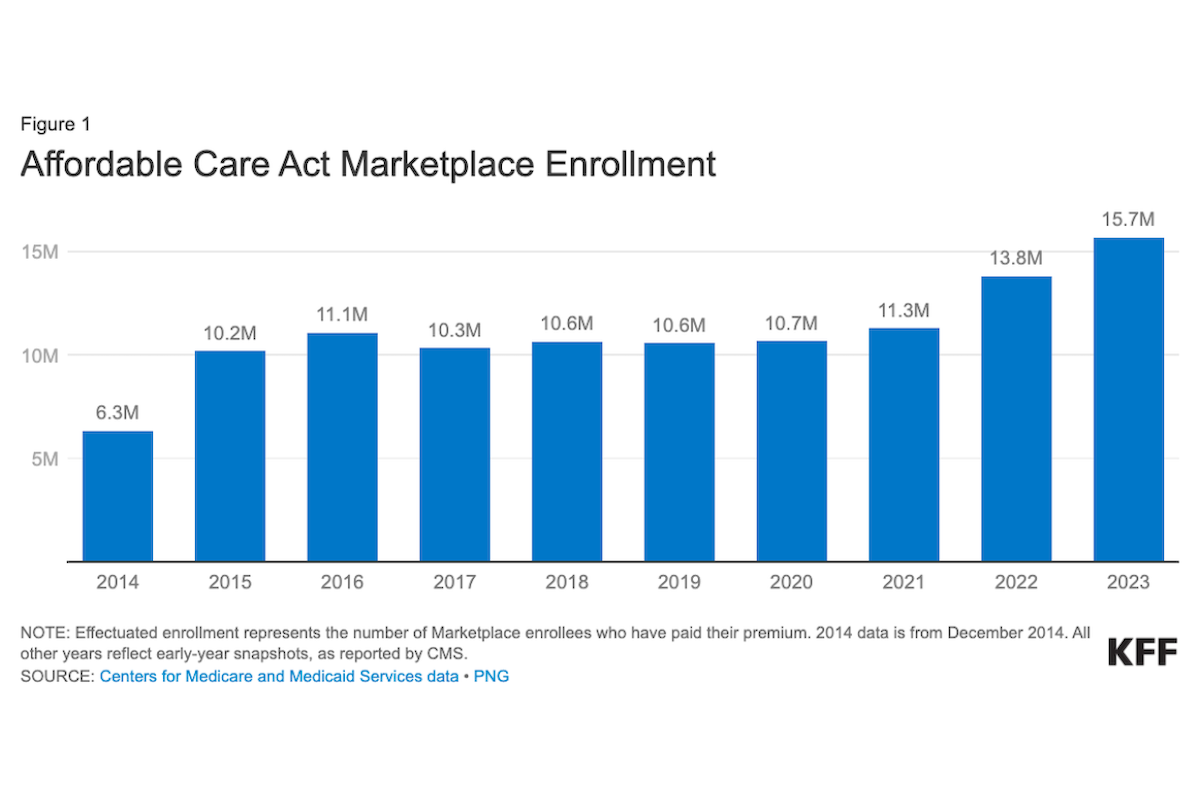
- Expanded Coverage: Providing insurance to millions of previously uninsured individuals undoubtedly increased overall healthcare utilization and, consequently, spending, particularly in the short term.
- Spending Growth Moderation: However, national healthcare spending growth rates actually slowed significantly in the years immediately following the ACA’s implementation compared to prior decades. While economists attribute this to various factors (e.g., the lingering effects of the 2008 recession, changes in physician practice patterns, slower drug price growth), the ACA’s provisions, such as shifting towards value-based care and promoting preventative services, are often cited as contributing factors.
- National Debt: The Congressional Budget Office (CBO) has consistently projected that the ACA, as a whole, would reduce the federal deficit over the long term, largely due to its revenue-generating provisions and slower projected growth in Medicare spending. However, the specific financial trajectory has been influenced by subsequent legislative changes (e.g., repeal of key taxes) and evolving economic conditions. The “cost” to the national debt is a net calculation, balancing new spending against new revenues and projected savings.
Effects on the Insurance Market and Employer-Sponsored Plans
The ACA fundamentally reshaped the landscape for health insurers and employers.
- Insurance Market: Insurers faced new regulations, including guaranteed issue (must offer coverage regardless of health status), community rating (limits on how much premiums can vary by age), and essential health benefits (mandating coverage for a comprehensive set of services). These changes aimed to stabilize the market and ensure comprehensive coverage but also led to market exits by some insurers and significant adjustments for others, impacting competition and premium levels.
- Employer-Sponsored Plans: The “Employer Mandate” required employers with 50 or more full-time equivalent employees to offer affordable, minimum essential coverage or face penalties. This led some employers to offer coverage they hadn’t before, while others adjusted their existing plans to meet ACA requirements. The cost here is directly borne by businesses, representing a significant expenditure, particularly for small and medium-sized enterprises (SMEs) adapting to the new rules.
Financial Protection and Reduced Medical Debt
Perhaps one of the most significant, yet indirect, financial benefits of the ACA has been its impact on personal financial security.
- Reduced Medical Debt: Provisions like the ban on pre-existing condition exclusions, essential health benefits, and annual out-of-pocket maximums have provided a crucial safety net. Studies have indicated a reduction in medical debt and a decrease in medical bankruptcies in states that expanded Medicaid or where ACA marketplace coverage became widely available.
- Access to Care: By expanding coverage, the ACA allowed millions to access necessary medical care without facing potentially ruinous costs, thereby preventing a cascade of financial hardship that often follows serious illness for the uninsured. This reduced financial precarity is a significant, albeit hard to quantify, economic benefit.
Assessing Value Beyond Direct Costs: Financial Returns and Challenges
The “cost” of the ACA is not merely about expenditures; it also involves the value generated and the challenges in achieving its financial objectives optimally.
Health Outcomes and Productivity Gains
From a broader economic perspective, investing in health coverage can yield significant returns.
- Improved Health Outcomes: A healthier population is generally a more productive population. When more people have access to preventive care and treatment for chronic conditions, they are less likely to experience debilitating illnesses, miss work, or suffer premature death.
- Productivity Gains: Reduced illness and improved health contribute to higher labor force participation, increased work productivity, and a more robust economy. While difficult to monetize precisely, these represent economic gains that partially offset the direct financial outlays of the ACA.
- Reduced Emergency Room Use for Primary Care: Theoretically, expanded insurance coverage allows people to seek care in more appropriate and less expensive settings (e.g., primary care physician) rather than relying on emergency rooms for routine or preventable conditions, which are the most expensive points of entry into the healthcare system.
Challenges in Cost Containment and Affordability
Despite its goals, the ACA has faced persistent challenges in truly containing healthcare costs and ensuring universal affordability.
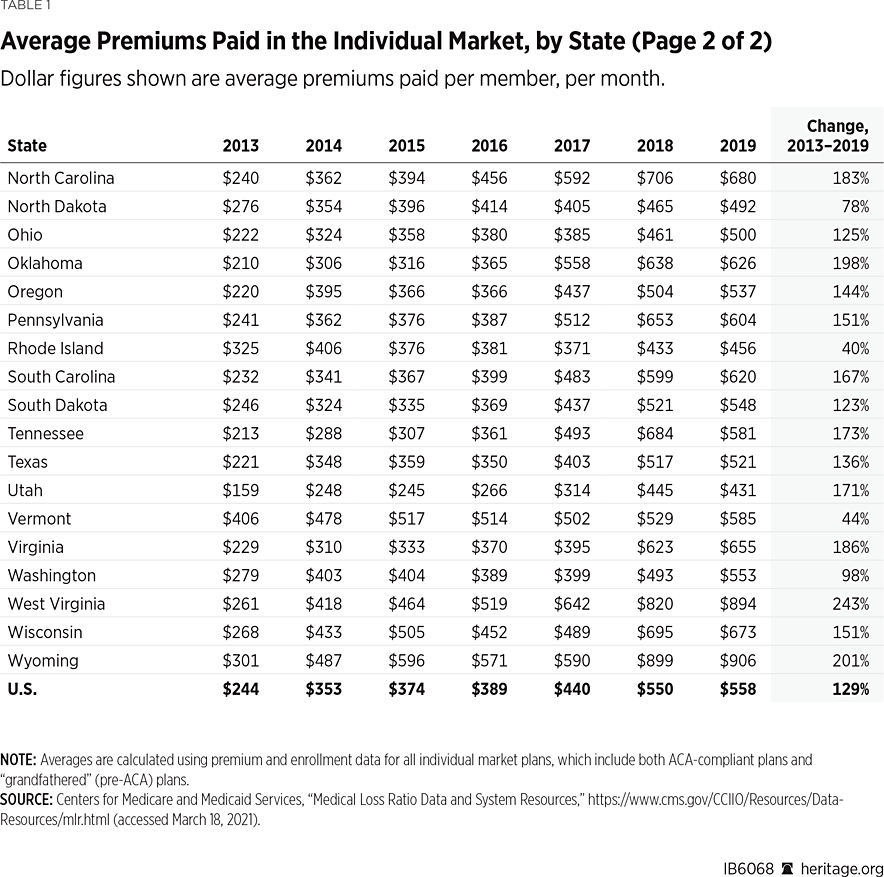
- Rising Premiums: While subsidies cushion the blow for many, the underlying “sticker price” of premiums on the marketplaces has continued to rise in many areas, creating affordability challenges for those just above subsidy thresholds or in areas with limited insurer competition.
- Narrow Networks: To manage costs, some insurers on the marketplaces have offered plans with narrower provider networks, potentially limiting consumer choice and access to preferred doctors or hospitals.
- Political Instability: The ongoing political debate and attempts to repeal or replace the ACA have introduced uncertainty into the insurance markets, making it difficult for insurers to plan long-term and contributing to premium volatility.
Future of ACA Funding and Policy Debates
The question of “how much is the Affordable Care Act” remains a dynamic one, constantly influenced by policy debates and potential legislative changes. Discussions often revolve around:
- Expanding Subsidies: Proposals to further increase subsidy generosity or expand eligibility could make coverage more affordable but would increase government spending.
- Public Option: Introducing a government-run health insurance option could increase competition and potentially lower costs, but its financial implications for private insurers and government budgets are debated.
- Drug Price Negotiation: Measures to allow Medicare to negotiate drug prices could significantly reduce healthcare spending, with ripple effects across the entire system.
- Reforms to Cost-Sharing: Ideas to modify deductibles, copays, and out-of-pocket maximums aim to balance consumer financial protection with cost control.
Each potential reform carries its own financial implications, underscoring that the ACA’s “cost” is not fixed but rather an evolving figure shaped by ongoing policy choices and economic realities.
In conclusion, “how much is the Affordable Care Act?” cannot be answered with a single number. It encompasses the billions of dollars in federal subsidies and Medicaid expansion funds, the varying premiums and out-of-pocket costs borne by individuals (often mitigated by subsidies), the regulatory burdens and opportunities for insurers and employers, and the broader economic impacts on national healthcare spending, productivity, and personal financial security. The ACA represents a significant financial commitment and a complex interplay of economic forces, with both substantial financial burdens and undeniable financial benefits that continue to shape the U.S. healthcare and economic landscape.
aViewFromTheCave is a participant in the Amazon Services LLC Associates Program, an affiliate advertising program designed to provide a means for sites to earn advertising fees by advertising and linking to Amazon.com. Amazon, the Amazon logo, AmazonSupply, and the AmazonSupply logo are trademarks of Amazon.com, Inc. or its affiliates. As an Amazon Associate we earn affiliate commissions from qualifying purchases.