
Navigating the landscape of healthcare can be a complex endeavor, particularly when considering private medical insurance. For many, the prospect of faster access to specialists, shorter waiting times, and a wider choice of hospitals makes private cover an attractive option. However, the pivotal question that often arises is: “How much will it cost?” Unlike a fixed-price commodity, the premium for private medical insurance is a highly variable figure, influenced by a myriad of factors unique to each individual and policy. Understanding these underlying determinants is crucial for making an informed financial decision that aligns with your health needs and budgetary constraints.
Private medical insurance, often referred to as private health insurance, is a financial product designed to cover the costs of private healthcare treatment. This can range from routine consultations and diagnostic tests to complex surgeries and long-term care, depending on the policy’s breadth. Its primary appeal lies in supplementing or sometimes replacing public healthcare systems, offering a layer of choice and expediency that many value. However, this enhanced access comes at a financial premium, which can vary significantly from a modest monthly sum to a substantial annual investment. This article will delve into the various elements that dictate these costs, explore different plan types, and offer strategies for managing your expenditure while securing adequate coverage.
Understanding the Core Factors Influencing Premiums
The price tag on private medical insurance is not arbitrary; it’s a carefully calculated sum based on a combination of risk assessment and service provision. Several fundamental factors play a significant role in determining how much you will ultimately pay.
Age and Health Status
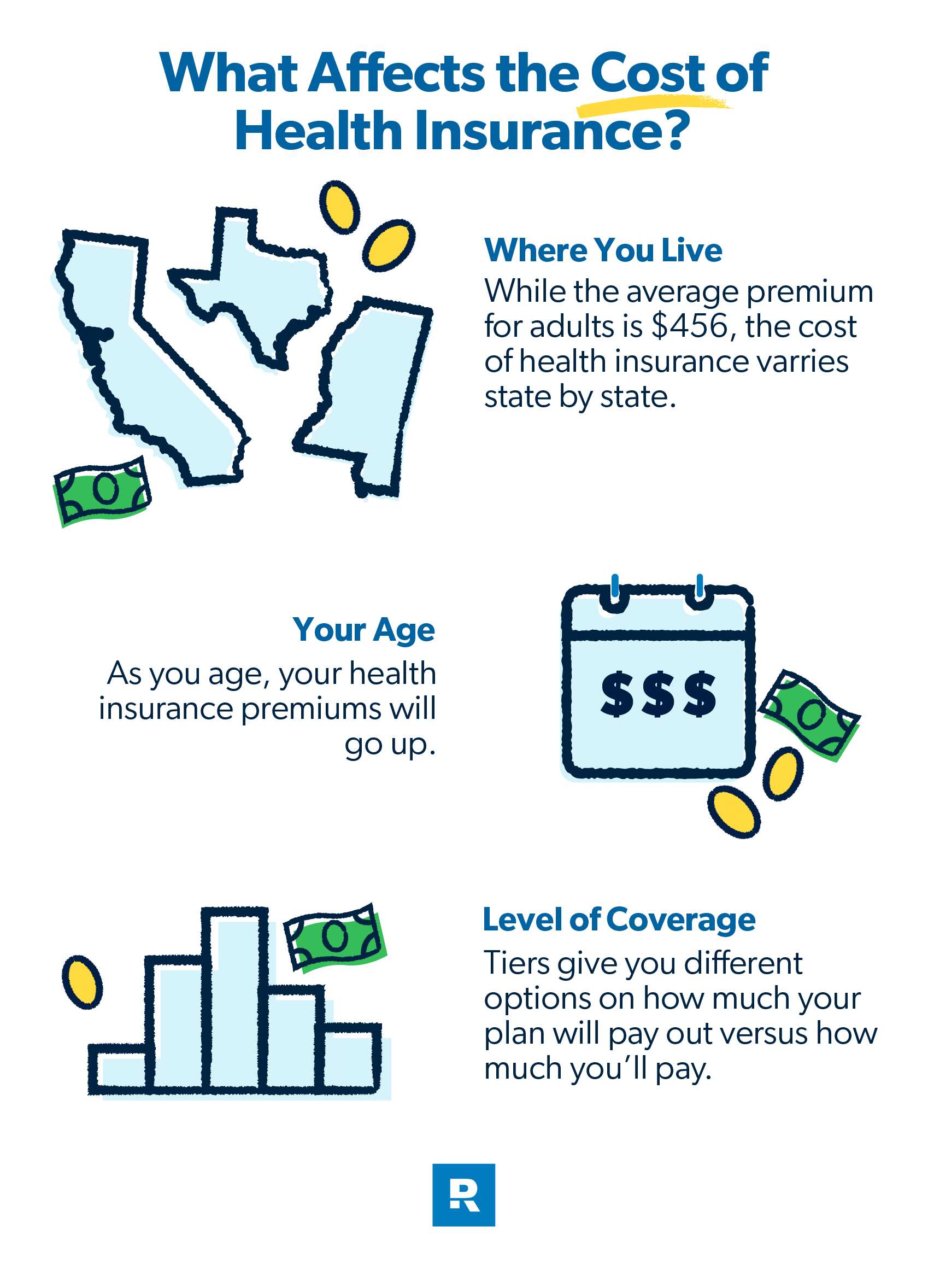
Perhaps the most influential factor in calculating your premium is your age. Generally, the younger and healthier you are, the lower your premium will be. This is because younger individuals are statistically less likely to require extensive medical treatment. As you age, the likelihood of developing health conditions increases, and insurers adjust premiums upwards to reflect this elevated risk. Similarly, your current health status and medical history are paramount. Pre-existing conditions – illnesses or injuries you had before taking out the policy – can significantly impact your premium. Some insurers might exclude coverage for these conditions for a certain period, or entirely, while others may offer cover at a substantially higher cost. A history of certain chronic illnesses or lifestyle choices (like smoking) can also lead to increased premiums.
Level of Coverage
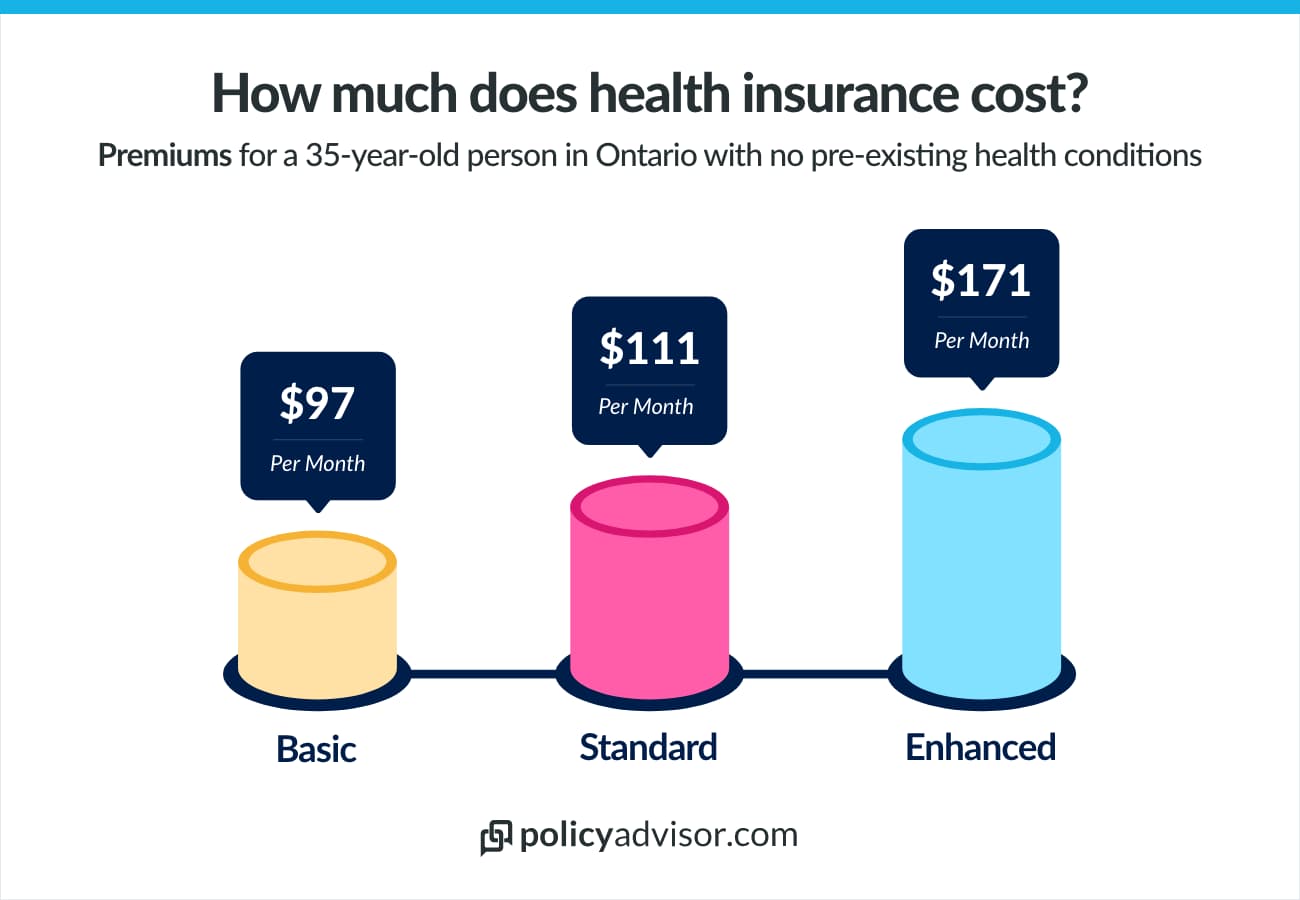
The scope of your policy is directly correlated with its cost. A basic policy, typically covering inpatient treatment (hospital stays, surgeries) and emergency care, will be considerably cheaper than a comprehensive plan. Comprehensive plans often extend to outpatient consultations, diagnostic tests (MRI, CT scans), physiotherapy, mental health services, and access to a wider network of specialists and hospitals. The more extensive the coverage you opt for, the higher your premium will be. It’s a balance between peace of mind and financial outlay; a higher level of cover offers broader protection but demands a greater financial commitment.
Deductibles, Excesses, and Co-pays
These financial mechanisms are designed to share the cost of treatment between the insurer and the policyholder, and they have a direct impact on your premium.
- Deductible (or Excess in some regions): This is a fixed amount you must pay towards your medical treatment before your insurance policy starts covering the remaining costs. Opting for a higher deductible will typically result in a lower monthly or annual premium, as you are taking on more initial financial responsibility.
- Co-payment (Co-pay): This is a fixed amount you pay for a specific service, such as a doctor’s visit or prescription drug, even after your deductible has been met. Policies with co-pays might have lower premiums, but you’ll pay a small amount out-of-pocket for each service.
- Co-insurance: This is a percentage of the cost of a medical service that you are responsible for paying after your deductible has been met. For example, if your co-insurance is 20%, the insurance company pays 80% and you pay 20% until you reach your out-of-pocket maximum.
Understanding how these elements work together is crucial for balancing your premium costs against your potential out-of-pocket expenses.
Geographic Location
The cost of private medical insurance can vary significantly depending on where you live. This is due to several factors:
- Cost of Healthcare in the Region: Medical procedures, hospital fees, and specialist rates differ geographically. Areas with higher healthcare costs will generally have higher insurance premiums.
- Local Competition: The number of insurance providers and private healthcare facilities in a region can influence pricing.
- Regulatory Environment: Different countries or even states/provinces within a country may have varying insurance regulations that impact pricing structures. For instance, in some countries, the existence and quality of the public healthcare system can influence the perceived value and pricing of private alternatives.
Exploring Different Types of Private Medical Insurance Plans
The market offers a variety of private medical insurance plans, each tailored to different needs and circumstances. The structure and scope of these plans significantly influence their cost.
Individual vs. Family Plans
The most straightforward distinction is between individual and family policies. An individual plan covers a single person, and its cost is based solely on that person’s age, health, and chosen coverage level. A family plan covers multiple individuals, typically including a primary policyholder, their spouse or partner, and dependent children, under a single policy. While a family plan’s total cost will naturally be higher than an individual plan, it is often more cost-effective than purchasing separate individual policies for each family member due to discounted rates and administrative efficiencies. The premium for a family plan will consider the ages and health statuses of all covered individuals.
Corporate/Group Plans
For many, private medical insurance is provided as a benefit through their employer. Corporate or group plans are typically offered to employees of a company or members of an organization. These plans are often significantly cheaper than individual policies because the risk is spread across a larger pool of people, leading to economies of scale for the insurer. Employers often subsidize a portion of the premiums, making them even more attractive financially. Group plans may also offer more comprehensive benefits and sometimes bypass waiting periods for certain conditions due to the nature of group underwriting. If you have access to an employer-sponsored plan, it is almost always the most financially advantageous route.
International vs. Domestic Plans
For expatriates, digital nomads, or individuals who frequently travel or reside across different countries, the choice between domestic and international private medical insurance is critical. A domestic plan is designed to cover healthcare costs within a specific country. Its pricing reflects the healthcare system and costs in that nation. An international plan, on the other hand, provides coverage across multiple countries, often excluding the policyholder’s country of citizenship or permanent residence (depending on the specific policy terms). International plans are generally more expensive due to the broader geographical coverage and the inherent complexities of varying healthcare costs and medical practices across different regions. However, for those with a truly global lifestyle, the peace of mind offered by consistent coverage across borders often justifies the higher financial investment.
Restricted Networks vs. Open Access
Some insurance plans operate with restricted networks, meaning they have agreements with a specific list of hospitals, clinics, and specialists. If you choose to receive treatment outside this network, your coverage may be limited or non-existent. These plans often come with lower premiums because insurers can negotiate favorable rates with their preferred providers. In contrast, open access plans offer greater flexibility, allowing you to choose almost any licensed medical provider. While this freedom of choice is appealing, it typically translates to higher premiums due to the lack of negotiated provider rates and the broader financial risk assumed by the insurer. Your willingness to trade choice for cost savings is a key consideration here.
Strategies to Manage and Reduce Your Private Medical Insurance Costs
While the cost of private medical insurance can seem daunting, there are several financial strategies you can employ to manage and potentially reduce your premiums without compromising essential coverage.

Comparison Shopping and Quotes
This is arguably the most effective strategy. Just as you would compare prices for any significant purchase, obtaining multiple quotes from different insurance providers is essential. Premiums for similar levels of coverage can vary significantly between insurers due to different underwriting criteria, risk assessments, and administrative costs. Utilize online comparison tools, engage with independent insurance brokers, or contact providers directly. Be meticulous in comparing not just the headline premium, but also the deductibles, co-pays, exclusions, and overall benefits of each policy. A slightly higher premium might be justified if it offers superior coverage or lower out-of-pocket costs in the long run.
Adjusting Your Deductible/Excess
As discussed, choosing a higher deductible (or excess) for your policy will almost always result in a lower premium. This strategy is particularly appealing if you are relatively healthy, have a robust emergency fund, and are confident you can cover the initial out-of-pocket amount should you need medical care. It’s a calculated financial risk: you pay less monthly, but you bear more of the initial treatment cost yourself. Conversely, if you prefer minimal out-of-pocket expenses when you claim, a lower deductible will mean higher premiums. Evaluate your personal financial resilience and risk tolerance when making this decision.
Utilizing Employer-Sponsored Plans
If your employer offers private medical insurance as part of your benefits package, it is almost always the most cost-effective option. Employer plans typically come with heavily subsidized premiums, and the company often absorbs a significant portion of the administrative costs. Furthermore, group plans often provide access to broader benefits and may have fewer restrictions or waiting periods compared to individual policies. Always explore this option thoroughly before considering individual plans from the open market.
Maintaining a Healthy Lifestyle
While not an immediate cost-reducer, maintaining a healthy lifestyle can indirectly impact your long-term insurance costs. Insurers often incentivize healthier living, and while direct premium reductions for diet and exercise are rare, good health can prevent the development of new conditions that could lead to higher premiums or exclusions in future policies. Some insurers offer wellness programs that may provide minor discounts or rewards. More importantly, investing in your health reduces your reliance on medical services, thus ensuring that when you do need to make a claim, it’s for less frequent or severe issues.
Understanding Waiting Periods and Exclusions
Before committing to a policy, meticulously review the terms regarding waiting periods and exclusions. Waiting periods are specific durations during which you cannot claim for certain conditions or treatments (e.g., 12 months for pre-existing conditions, 3 months for specific outpatient treatments). Exclusions are conditions or treatments permanently not covered by the policy (e.g., cosmetic surgery, fertility treatment, certain chronic conditions). Being aware of these limitations can prevent unexpected financial burdens and ensure the policy meets your actual needs, allowing you to tailor your coverage more precisely.
What Does Private Medical Insurance Typically Cover (and Not Cover)?
Understanding the scope of coverage is paramount to assessing the value of your premium and avoiding unwelcome financial surprises. While policies vary, there are common inclusions and exclusions to be aware of.
Common Inclusions
Most private medical insurance policies are designed to cover the costs associated with acute conditions – illnesses or injuries that are likely to respond quickly to treatment.
- Inpatient Hospital Stays: This is a core inclusion, covering costs for a hospital room, nursing care, meals, and other related services during an overnight stay.
- Surgeries: Both minor and major surgeries, including the surgeon’s fees, anesthetist’s fees, and operating theatre costs.
- Specialist Consultations: Access to a wide range of specialists (e.g., cardiologists, orthopedists, dermatologists), often with options for direct referrals without long waits.
- Diagnostic Tests: Procedures like X-rays, MRI scans, CT scans, and blood tests, which are crucial for diagnosing conditions.
- Cancer Treatment: This is often a significant component, covering chemotherapy, radiotherapy, and related care.
- Physiotherapy and Rehabilitation: Post-operative or injury-related recovery treatments.
The extent of these inclusions will depend on the level of coverage you select, with comprehensive plans offering more extensive benefits.
Common Exclusions
Equally important are the things private medical insurance typically does not cover. These exclusions are critical to understand to manage your financial expectations.
- Pre-existing Conditions: Many policies will not cover conditions you had before you took out the insurance, especially during an initial waiting period (e.g., 12-24 months). Some might cover them after a longer waiting period or with a significant premium increase.
- Chronic Conditions: Long-term illnesses that require ongoing management and are not curable (e.g., diabetes, asthma, hypertension) are often excluded from full coverage, though acute flare-ups might be covered.
- Routine Maternity Care and Fertility Treatment: While complications during pregnancy might be covered, routine prenatal and postnatal care, along with fertility treatments, are often excluded or available only as expensive add-ons.
- Cosmetic Surgery: Procedures primarily for aesthetic improvement are almost universally excluded.
- Routine Dental and Optical Care: Standard check-ups, cleanings, glasses, and contact lenses are typically not covered unless specifically purchased as an add-on.
- Mental and Behavioral Health Issues: While some comprehensive plans now include a degree of mental health support, extensive or long-term psychological treatments may be excluded or have strict limits.
- Self-inflicted Injuries, Alcohol/Drug Abuse: Treatment related to these causes is generally not covered.
- Experimental Treatments: Procedures not yet recognized as standard medical practice.
Is Private Medical Insurance Worth the Investment? A Financial Perspective
The decision to invest in private medical insurance is a deeply personal one, weighing financial outlay against perceived benefits. From a purely financial perspective, its value proposition hinges on several factors.
Peace of Mind vs. Out-of-Pocket Expenses
One of the primary drivers for purchasing private medical insurance is the peace of mind it offers. Knowing that you can access timely, high-quality medical care without facing potentially crippling out-of-pocket expenses for unexpected major illnesses or injuries can be invaluable. For those with significant savings, a high-deductible plan might be suitable, acting as a financial safeguard against catastrophic health events. For others who prefer predictable monthly costs and minimal financial surprises during illness, a more comprehensive plan with lower deductibles might be preferable, despite the higher premium. It’s a trade-off between guaranteed regular payments and the risk of potentially massive, unpredictable bills.
Access to Faster Treatment and Choice
The non-monetary benefits of private medical insurance often have significant financial implications. Faster access to diagnostic tests and specialist consultations can lead to earlier diagnosis and treatment, potentially preventing a condition from worsening and becoming more complex (and expensive) to manage. The ability to choose your consultant and hospital, or to schedule treatments at a time that minimizes disruption to your work and income, also represents a tangible financial benefit, even if it’s not a direct saving on medical bills. For business owners or professionals where time is literally money, this expedited service can be a powerful argument for private cover.
The Role of Public Healthcare
In many countries, robust public healthcare systems exist alongside private options. The financial decision to opt for private insurance is often influenced by the quality and accessibility of the public system. If public waiting lists are long or choice is limited, private insurance acts as a financial tool to circumvent these challenges. If the public system is highly efficient and comprehensive, private insurance might be seen as a luxury rather than a necessity, leading individuals to accept higher out-of-pocket costs for specific private services when desired, rather than paying regular premiums. Understanding how private insurance complements or replaces your local public healthcare is crucial for assessing its financial utility.
In conclusion, “how much is private medical insurance” is a question with no single answer. It is a nuanced financial decision influenced by personal demographics, health status, desired coverage, geographical location, and the specifics of the policy chosen. By diligently assessing these factors, comparing options, and strategically adjusting policy components, individuals can find a private medical insurance plan that offers both essential protection and financial viability. It is an investment in your health and financial security, demanding careful consideration and informed choices.
aViewFromTheCave is a participant in the Amazon Services LLC Associates Program, an affiliate advertising program designed to provide a means for sites to earn advertising fees by advertising and linking to Amazon.com. Amazon, the Amazon logo, AmazonSupply, and the AmazonSupply logo are trademarks of Amazon.com, Inc. or its affiliates. As an Amazon Associate we earn affiliate commissions from qualifying purchases.