
Navigating the landscape of private insurance can often feel like deciphering a complex financial puzzle. Unlike public programs that offer standardized benefits and predictable costs, private insurance is a broad category encompassing a multitude of products, each with its unique pricing structure, coverage options, and target demographic. From health and life to disability and long-term care, understanding “how much is private insurance” requires a deep dive into the underlying components that drive these costs and the factors that influence individual premiums. This article aims to demystify the financial aspects of private insurance, providing a comprehensive guide to help you make informed decisions about protecting your financial future.
At its core, private insurance is a contract between you and an insurance company. In exchange for regular payments—known as premiums—the insurer agrees to pay for specific losses or damages outlined in your policy. The cost of these premiums is not arbitrary; it’s meticulously calculated based on a blend of individual characteristics, market dynamics, and the specific terms of the coverage you select. For many, private insurance represents a significant recurring expense, making it crucial to understand how these costs are determined and how to optimize your spending without compromising essential protection.
Understanding the Fundamentals of Private Insurance Costs
Before delving into specific types of insurance, it’s essential to grasp the universal financial terms that dictate how much you’ll pay and how much the insurance company will cover. These are the building blocks of any insurance policy’s cost structure.
Premiums: Your Regular Payment
The premium is the most straightforward cost associated with private insurance. It’s the amount you pay regularly—monthly, quarterly, or annually—to keep your policy active. Premiums are essentially the price tag for your coverage. They are influenced by a wide array of factors, including your age, health, location, the level of coverage you choose, and the insurer’s risk assessment. For instance, a younger, healthier individual will typically pay lower health insurance premiums than an older person with pre-existing conditions, simply because the likelihood of them filing a claim is statistically lower. Similarly, a high-value life insurance policy will command higher premiums than a basic one.
Deductibles: Your Out-of-Pocket Threshold
Common primarily in health, auto, and home insurance, a deductible is the amount of money you must pay out-of-pocket for covered services or losses before your insurance company starts to pay. For example, if you have a health insurance policy with a $2,000 deductible, you are responsible for the first $2,000 of your medical expenses each year before your insurer contributes. Deductibles can significantly impact your premium: policies with higher deductibles generally have lower premiums, as you’re taking on more initial risk. Conversely, lower deductibles lead to higher premiums. Choosing the right deductible involves balancing immediate savings on premiums against your ability to cover unexpected costs.
Copayments and Coinsurance: Shared Costs
Beyond the deductible, many private insurance policies, especially health insurance, involve copayments and coinsurance.
- Copayment (Copay): A fixed amount you pay for a covered health care service at the time you receive the service. For example, you might have a $20 copay for a doctor’s visit or a $50 copay for an emergency room visit. Copays do not typically count towards your deductible (though this can vary by plan) but contribute to your out-of-pocket maximum.
- Coinsurance: Your share of the cost of a covered health care service, calculated as a percentage (e.g., 20%) of the allowed amount for the service, after you’ve met your deductible. If your coinsurance is 20% and the allowed amount for a service is $100, you pay $20, and the insurance company pays $80.
These mechanisms ensure that you have some financial stake in your healthcare decisions, helping to control overall costs for both you and the insurer.
Out-of-Pocket Maximum: Your Financial Ceiling
The out-of-pocket maximum (or out-of-pocket limit) is the most you’ll have to pay for covered services in a policy period (usually a year) before your health insurance plan starts to pay 100% of the allowed amount. This limit includes deductibles, copayments, and coinsurance payments. It’s a crucial protection against catastrophic medical bills, ensuring that even in the event of severe illness or injury, your financial exposure for healthcare costs is capped. Understanding this figure is vital when assessing the true “cost” of private health insurance, as it provides a worst-case scenario for your annual medical expenses.
Key Factors Influencing Private Insurance Premiums
The variation in insurance costs from one individual to another, or even for the same individual across different providers, stems from a multitude of factors. Insurers are risk assessors, and every element that affects the likelihood or potential cost of a claim will influence your premium.
Age and Health Status
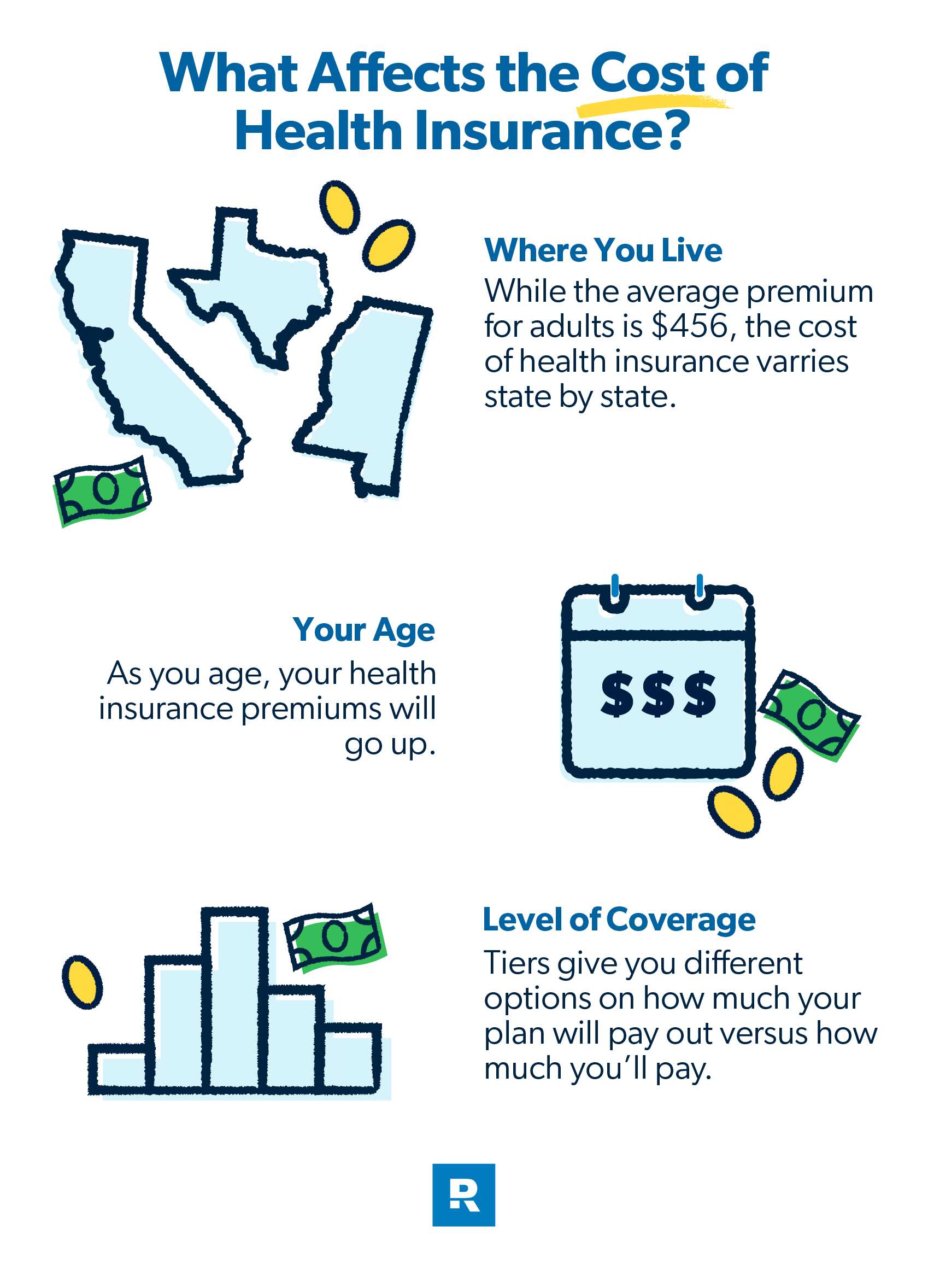
These are perhaps the most significant determinants, particularly for health, life, and disability insurance. Older individuals and those with pre-existing health conditions or a history of serious illness represent a higher risk to insurers, leading to higher premiums. Life insurance, for instance, becomes progressively more expensive with age, as the statistical probability of payout increases. For health insurance, while the Affordable Care Act (ACA) introduced protections against discrimination based on pre-existing conditions, age rating is still permissible (within limits), meaning older enrollees can pay more.
Geographic Location
Where you live can profoundly affect your insurance costs. This is true for health, auto, and even home insurance. Healthcare costs vary significantly by region, as do the number of providers and local competition. Areas with higher crime rates might see higher property insurance premiums, while regions prone to natural disasters (hurricanes, earthquakes, wildfires) will have specialized, and often more expensive, coverage requirements. Even for health insurance, state regulations, the local cost of medical care, and the number of competing insurers in your area play a role.
Coverage Level and Policy Type
The more comprehensive your coverage, the higher your premium will generally be. A “gold” health plan offering lower deductibles and richer benefits will cost more than a “bronze” plan with higher out-of-pocket costs. Similarly, a life insurance policy with a higher death benefit will naturally cost more than one with a smaller payout. The type of policy also matters; term life insurance (coverage for a specific period) is much cheaper than whole life insurance (lifetime coverage with a cash value component).
Chosen Deductibles and Copayments
As discussed, there’s an inverse relationship between deductibles and premiums. Opting for a higher deductible can substantially lower your monthly payments, but you must be prepared to cover more out-of-pocket if a claim arises. The same principle applies to copayments; plans with higher copays often have lower premiums.
Provider Network and Plan Structure
For health insurance, the type of plan you choose impacts cost and flexibility.
- HMO (Health Maintenance Organization): Generally lower premiums, but requires you to choose a primary care physician (PCP) within the network and get referrals for specialists.
- PPO (Preferred Provider Organization): Higher premiums but offers more flexibility, allowing you to see out-of-network providers (though at a higher cost) and usually without requiring a PCP referral.
- EPO (Exclusive Provider Organization) & POS (Point of Service): These offer varying degrees of flexibility and cost, falling somewhere between HMOs and PPOs. The more restrictive the network, the lower the premium tends to be.
Lifestyle Factors and Risk Assessment
For certain types of insurance, personal habits and lifestyle choices are critical. Smokers, for instance, pay significantly higher life and disability insurance premiums due to increased health risks. Dangerous hobbies (e.g., skydiving, mountain climbing) can also lead to higher premiums or even exclusions in some life or disability policies. Insurers also consider driving records for auto insurance and credit scores (where permissible) for some property and casualty policies, as these can be indicators of financial responsibility and risk.
Types of Private Insurance and Their Cost Implications
The “how much” question varies dramatically depending on the specific type of private insurance you’re exploring. Each serves a distinct purpose and carries a unique pricing model.

Private Health Insurance: A Major Expense
This is often the most significant and complex private insurance cost for individuals and families. Premiums can range from a few hundred dollars to well over a thousand dollars per month, depending on age, location, plan tier (bronze, silver, gold, platinum), and the number of people covered. For example, a single 30-year-old might pay $300-$500 per month for a silver plan, while a family of four could easily exceed $1,500-$2,000. These costs are often mitigated by employer contributions or government subsidies (for those who qualify based on income). The true cost also includes potential deductibles, copays, and coinsurance, which means annual out-of-pocket expenses can easily run into thousands of dollars, even with good coverage.
Private Life Insurance: Protecting Your Loved Ones
Life insurance costs vary widely based on the policy type, death benefit amount, age, health, and lifestyle.
- Term Life Insurance: Generally much more affordable. A healthy 30-year-old non-smoker might pay $20-$50 per month for a $500,000 20-year term policy. These policies become more expensive with age and for longer terms.
- Whole Life Insurance (and other permanent policies like Universal Life): Significantly more expensive due to their lifetime coverage and cash value component. The same 30-year-old might pay $200-$500 or more per month for a comparable permanent policy. While costly, they offer guaranteed premiums and a savings component.
Private Disability Insurance: Income Protection
Disability insurance replaces a portion of your income if you become unable to work due to illness or injury. Costs are typically 1-3% of your annual salary, but this can vary. Factors include your age, occupation (a construction worker pays more than an office worker), health, the waiting period before benefits kick in, the benefit period (how long benefits last), and the percentage of income replaced. For someone earning $60,000 annually, monthly premiums could range from $50 to $150 or more.
Private Long-Term Care Insurance: Planning for the Future
This insurance covers services not typically covered by health insurance, such as assistance with daily activities in your home, an assisted living facility, or a nursing home. It is often very expensive, especially if purchased later in life. A 55-year-old might pay $2,000-$4,000 per year, while a 65-year-old could pay $3,000-$7,000 or more annually, depending on health, coverage amount, and inflation riders. Many people opt not to purchase it due to cost, highlighting the challenge of planning for potentially catastrophic future care needs.
Other Niche Private Insurance Options
This category includes various specialized policies:
- Critical Illness Insurance: Pays a lump sum upon diagnosis of specific severe illnesses (e.g., cancer, heart attack). Costs vary but can be a few tens of dollars to over a hundred dollars per month, depending on age, health, and benefit amount.
- Dental and Vision Insurance: Often available as standalone plans or riders on health insurance. These are generally more affordable, ranging from $15 to $50 per month per person, offering coverage for routine care and discounts on procedures.
- Travel Insurance: Covers trip cancellations, medical emergencies abroad, lost luggage, etc. Costs are typically a percentage of your trip’s total cost, ranging from 4% to 10%.
Strategies for Managing and Reducing Private Insurance Expenses
While private insurance is a necessary expense for many, there are proactive steps you can take to manage and potentially reduce your costs without sacrificing essential coverage.
Shop Around and Compare Quotes
This is perhaps the most fundamental strategy. Insurance premiums can vary significantly between providers for identical coverage. Utilize online comparison tools, independent agents, and direct insurer quotes to compare at least three to five options for any type of private insurance. Look beyond just the premium; compare deductibles, copays, coverage limits, and customer service ratings.
Choose a Higher Deductible (If Appropriate)
If you have a solid emergency fund that can cover a higher deductible, opting for one can significantly lower your monthly premiums. This strategy works best for those who are generally healthy and have stable finances, as it shifts more initial risk onto you. However, ensure you can comfortably afford the deductible in case of an unexpected event.
Utilize Health Savings Accounts (HSAs) or Flexible Spending Accounts (FSAs)
If you have a high-deductible health plan (HDHP), an HSA is an excellent tool. Contributions are tax-deductible, funds grow tax-free, and withdrawals for qualified medical expenses are tax-free. FSAs (available with various health plans) offer similar tax advantages for medical and dependent care expenses, though funds are typically “use-it-or-lose-it” annually. Both can effectively reduce your net out-of-pocket healthcare costs.
Stay Healthy and Proactive
For health, life, and disability insurance, your health status is a major factor. Maintaining a healthy weight, exercising regularly, not smoking, and managing chronic conditions can lead to lower premiums over time. Some insurers offer wellness programs or premium discounts for non-smokers or those who participate in health initiatives.
Explore Group Plans or Bundling Options
If available, group insurance through an employer, professional association, or affinity group often comes with lower premiums than individual plans because the risk is spread across a larger pool. Additionally, bundling different types of insurance (e.g., home and auto, or life and disability with the same carrier) can sometimes result in multi-policy discounts.
Review Your Policy Annually
Your insurance needs and financial situation change over time. Annually review your policies to ensure they still meet your needs. You might be over-insured in some areas or find that a different plan structure (e.g., switching from a PPO to an HMO) now makes more financial sense. Life events like marriage, childbirth, or a new job are prime opportunities for a review.
Making an Informed Decision: Balancing Cost and Coverage
Ultimately, the goal is not just to find the cheapest private insurance, but to find the right insurance that offers adequate protection at a sustainable cost. This involves a thoughtful evaluation of your personal circumstances and risk tolerance.
Assess Your Personal Needs and Risk Tolerance
Consider what you truly need to protect. What are your major financial vulnerabilities? Do you have dependents relying on your income? What medical risks do you face? How much financial risk are you comfortable bearing personally versus transferring to an insurer? A young, single individual might need less life insurance than a parent with a mortgage and young children. An entrepreneur might prioritize robust disability coverage.
Understand the Fine Print and Exclusions
The policy document is your contract. Don’t just look at the premium and summary of benefits. Read the exclusions, limitations, and definitions. Understand what events or conditions are not covered. This prevents costly surprises when you need to file a claim. For example, some long-term care policies might have strict definitions for triggering benefits, or critical illness policies might only cover specific stages of a disease.
Seek Professional Advice
Navigating the complexities of private insurance can be overwhelming. A qualified independent insurance agent or financial advisor can provide invaluable guidance, help you compare options, explain intricate policy details, and tailor recommendations to your specific situation and budget. They can often access policies and rates that might not be readily apparent through online searches.

The Value of Peace of Mind
While cost is a critical factor, it’s important not to solely focus on the lowest premium. Insurance is about risk management and peace of mind. Under-insuring to save money can lead to devastating financial consequences if a major unforeseen event occurs. The “right” amount to pay for private insurance is the amount that provides adequate protection against risks you cannot afford to self-insure, allowing you to live with greater financial security and confidence.
In conclusion, “how much is private insurance” is not a simple question with a single answer. It’s a dynamic calculation influenced by personal factors, policy choices, and market conditions. By understanding the core components of insurance costs, actively managing your coverage, and making informed decisions, you can effectively budget for and secure the private insurance protection that best safeguards your financial well-being.
aViewFromTheCave is a participant in the Amazon Services LLC Associates Program, an affiliate advertising program designed to provide a means for sites to earn advertising fees by advertising and linking to Amazon.com. Amazon, the Amazon logo, AmazonSupply, and the AmazonSupply logo are trademarks of Amazon.com, Inc. or its affiliates. As an Amazon Associate we earn affiliate commissions from qualifying purchases.